Imagine opening your refrigerator, expecting to find fresh food, only to spot tiny fruit flies buzzing around. It’s unsettling, isn’t it?
If you’ve ever wondered, “Can fruit flies live in a refrigerator? ” you’re not alone. This question has puzzled many, and the answer might surprise you. Understanding the habits of these pesky little insects can save you from unwanted kitchen guests and keep your food fresher longer.
Stick around as we delve into what really attracts fruit flies and how you can outsmart them, even in the cool confines of your fridge. Your peace of mind—and the safety of your food—could depend on it.

Credit: www.cbc.ca
Fruit Fly Behavior
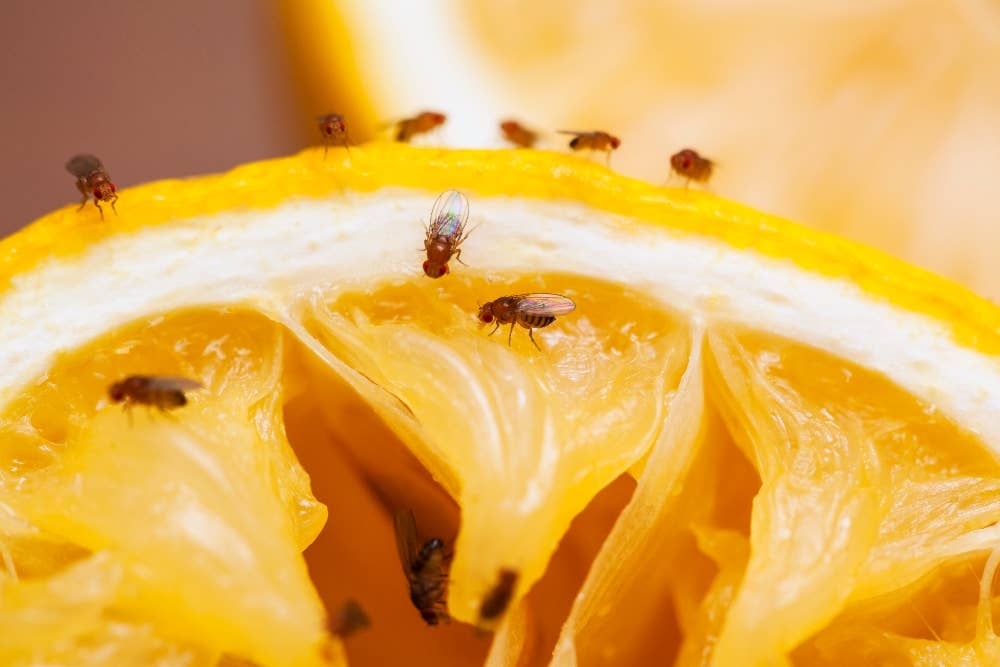
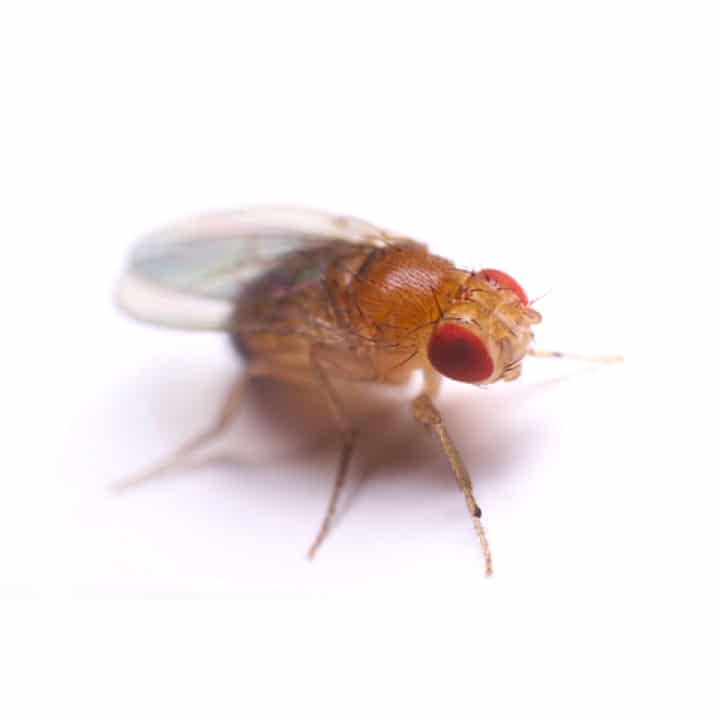
Fruit flies are small insects that often invade kitchens and homes. Understanding their behavior helps explain why they appear near food and sometimes inside refrigerators. These flies have unique habits and needs that guide their movement and survival.
Life Cycle Basics
Fruit flies grow through four stages: egg, larva, pupa, and adult. Eggs hatch quickly, usually within a day. Larvae feed on fermenting fruit or organic matter. After several days, larvae become pupae and then adults. Adults live for about a week but can reproduce fast. This fast cycle leads to quick infestations.
Preferred Environments
Fruit flies thrive in warm, moist places. They prefer temperatures between 70°F and 85°F. Dark, damp areas with rotting fruit or vegetables attract them. Refrigerators are colder than their ideal range. However, they may survive briefly near refrigerator doors or inside if food is spoiled or exposed.
Food Sources
- Fermenting or rotting fruits and vegetables
- Overripe produce left out in the open
- Spilled sugary drinks or alcohol
- Residues in trash cans or drains
Fruit flies feed on yeast and bacteria found in decaying food. They rarely feed on fresh, cold food inside refrigerators. Their attraction to food sources drives them to lay eggs where larvae can grow easily.
Temperature Effects On Fruit Flies
Temperature plays a crucial role in the life cycle and behavior of fruit flies. Understanding how cold environments like refrigerators affect these tiny pests can help you manage and prevent infestations more effectively. Let’s dive into how temperature impacts their survival, activity, and ability to reproduce.
Survival Range
Fruit flies can survive within a temperature range of about 50°F to 95°F (10°C to 35°C). Below 50°F, their metabolism slows down significantly, making it hard for them to stay active. However, they don’t die immediately in colder temperatures; instead, they enter a state of dormancy to conserve energy.
Have you ever noticed fruit flies lingering near your fridge door? This is because they can survive short exposure to cold but prefer warmer spots. If the temperature drops too low for too long, they eventually perish.
Activity Levels In Cold
At refrigerator temperatures (typically around 35°F to 40°F or 2°C to 4°C), fruit flies become sluggish. Their movement slows down dramatically, reducing their ability to find food or mates. This inactivity can make it seem like the flies have disappeared, but they’re actually just in a temporary “freeze” mode.
This slow activity means you might not see them for a while, but it doesn’t guarantee they are gone. When the environment warms up, they quickly become active again. Have you ever opened your fridge and suddenly seen a burst of fruit flies? That’s why.
Reproduction And Cold Temperatures
Cold temperatures prevent fruit flies from reproducing effectively. At fridge temperatures, egg laying and larval development nearly stop. This pause in reproduction can help you control their population if you store fruits in the refrigerator.
However, if fruit flies find warmer spots nearby, they will resume breeding quickly. This is why keeping your kitchen clean and storing ripe fruit in the fridge is a practical way to reduce their numbers. What steps are you taking to cut off their breeding grounds before they multiply?
Inside The Refrigerator
Fruit flies are common household pests that seem to appear suddenly. Their presence inside a refrigerator can be surprising. Understanding how they get inside and survive is important to control them effectively. The refrigerator’s cool environment affects their behavior and survival.
Common Fruit Fly Entry Points
- Door seals and gaskets with small gaps
- Openings around vents or light fixtures inside the fridge
- Cracks or damaged parts of the fridge body
- Items brought inside with fruit flies or eggs
Fruit flies are very small and can slip through tiny spaces. They often enter when doors are open for a while. Bringing in fruits or vegetables with eggs or larvae also introduces them.
Conditions Inside A Fridge
The inside of a refrigerator is cold, usually between 35°F and 40°F (1.6°C to 4.4°C). This temperature slows down the metabolism of fruit flies. The low temperature limits their activity and feeding. It also reduces their ability to reproduce quickly.
The fridge’s dark and humid environment can be less favorable for fruit flies. Still, some moisture from fruits and spills provides enough humidity for survival.
Can They Breed In Refrigerators?
Fruit flies cannot breed well in refrigerators. The cold temperature stops their eggs from hatching. Larvae need warmer temperatures to develop. Without warmth, growth is very slow or stops completely.
However, if fruits or vegetables inside start to rot, they may provide a breeding ground. This happens mostly in warmer parts of the fridge, like the door shelves. Cleaning and removing spoiled food reduces this risk.
Credit: paradehomeandgarden.com
Preventing Fruit Fly Infestations
Fruit fly infestations can quickly turn your kitchen into a frustrating battleground. These tiny pests are attracted to fermenting fruits and vegetables, but they can also survive in less obvious places like your refrigerator. Preventing these unwanted guests requires a combination of smart habits and careful attention to your food storage and kitchen cleanliness.
Proper Food Storage
Keeping your food sealed tightly is one of the best ways to stop fruit flies from getting inside. Use airtight containers or ziplock bags for fruits and vegetables, especially if they are ripe or cut. Even placing produce in the fridge can slow down the ripening process, making it less attractive to fruit flies.
Have you ever noticed flies buzzing around a bowl of uncovered fruit? That’s a clear invitation. Try to avoid leaving food out in the open, no matter how briefly.
Cleaning Tips
Fruit flies are drawn to even small food residues and spills. Wiping down counters and cleaning up crumbs immediately can drastically reduce their appeal. Don’t forget to clean under appliances and around sink drains where organic matter can build up unnoticed.
Empty your trash regularly and rinse out recyclables before storing them. These small actions create a less welcoming environment for fruit flies to breed.
Sealing Entry Points
Fruit flies can sneak in through tiny cracks and gaps around windows, doors, and vents. Check these areas carefully and seal any openings you find. Installing fine mesh screens on windows and vents can also keep them from entering while still allowing airflow.
Think about how often you open your fridge or pantry doors. Even brief exposure can invite fruit flies in if entry points are not well sealed. Taking a few minutes to secure these spots can save you hours of dealing with infestations later.
Dealing With Fruit Flies In Your Kitchen
Fruit flies can quickly turn your kitchen from a clean space into a buzzing annoyance. These tiny pests are attracted to ripened or fermenting fruits and vegetables, but they can also survive in unexpected places like your refrigerator. Tackling fruit flies requires understanding their behavior and acting swiftly to stop their spread.
Home Remedies
Simple household ingredients can help you catch and reduce fruit flies without harsh chemicals. Try setting out a bowl with apple cider vinegar and a few drops of dish soap. The vinegar lures the flies, while the soap breaks the surface tension, trapping them.
Another trick is to place overripe fruit in a jar covered with plastic wrap poked with small holes. Flies enter but struggle to escape. These remedies are inexpensive and safe around food and children.
Commercial Solutions
If home remedies don’t do the trick, consider commercial fruit fly traps or sprays designed specifically for kitchen use. Look for products with natural ingredients if you prefer to avoid toxins.
Sticky traps can be placed near fruit bowls or trash bins to catch flies before they multiply. Always follow the instructions carefully to avoid contaminating your food or kitchen surfaces.
When To Call Professionals
If you notice fruit flies multiplying despite your efforts, it might be time to get expert help. Persistent infestations can mean hidden breeding spots or issues with your kitchen’s cleanliness that require professional inspection.
Professional pest controllers have tools and knowledge to identify and eliminate sources you might miss. Don’t wait too long—early intervention can save you from a bigger problem and protect your home environment.
Credit: www.pestsolutions.co.uk
Frequently Asked Questions
Can Fruit Flies Survive Inside A Refrigerator?
Fruit flies can survive briefly in a refrigerator but prefer warmer environments. Cold slows their activity and reproduction. They usually die if exposed to cold temperatures for a long time.
Why Do Fruit Flies Appear Near My Fridge?
Fruit flies are attracted to fermenting fruits and sugary residues near the fridge. Warmth from fridge vents may attract them. Poor cleaning or uncovered food inside can also invite fruit flies.
How Can I Prevent Fruit Flies In My Refrigerator?
Keep fruits and vegetables sealed or refrigerated in airtight containers. Clean spills and crumbs regularly. Dispose of overripe or rotting produce promptly to avoid attracting fruit flies.
Do Fruit Flies Breed Inside Refrigerators?
Fruit flies rarely breed inside refrigerators due to cold temperatures. They need warm, moist environments to lay eggs. Usually, breeding occurs in nearby warm areas with decaying organic matter.
Conclusion
Fruit flies rarely live inside a cold refrigerator. They prefer warm, moist places with food. Keeping your fridge clean helps stop them. Store fruits and vegetables in sealed containers. Check for spoiled food and throw it away quickly. These simple steps keep fruit flies away.
Your kitchen stays fresh and safe. No one wants tiny pests near food. So, keep your fridge tidy and dry. Fruit flies won’t find a home there. Simple actions make a big difference.