Have you ever noticed your dishes coming out of the dishwasher with a mysterious residue or an odd taste? The culprit could be the rinse aid.
While it’s designed to help your dishes dry spot-free, sometimes too much of a good thing can lead to problems. If you’ve been wondering how to drain rinse aid from your dishwasher to solve this issue, you’re not alone. By taking control of this simple process, you can ensure your dishwasher performs at its best and your dishes come out sparkling clean every time.
Dive into this guide to learn the steps and secrets to keeping your dishwasher, and your dishes, in top-notch condition. This could be the game-changer your kitchen routine needs!

Credit: www.searshomeservices.com
Why Drain Rinse Aid
Draining rinse aid from your dishwasher is not something most people think about regularly. Yet, it can be an important task to keep your appliance running smoothly and avoid any unexpected issues. Understanding why you might need to drain rinse aid helps you maintain your dishwasher’s performance and save money on repairs or replacements.
Common Reasons To Drain
One common reason to drain rinse aid is when the dispenser gets clogged or stops working properly. Old or thickened rinse aid can block the release mechanism, leaving your dishes spotted or wet. Another reason is switching brands or types of rinse aid, which might require emptying the current supply to avoid mixing and possible chemical reactions.
Sometimes, you might notice your dishwasher leaking or the rinse aid indicator light staying on even after refills. These signs often suggest that the rinse aid needs to be drained and the dispenser cleaned. Have you ever found your dishes looking streaky despite adding rinse aid regularly? Draining the old rinse aid might be the fix you need.
Benefits Of Emptying Rinse Aid
Emptying rinse aid can improve your dishwasher’s cleaning results. Removing old or excess rinse aid helps prevent residue buildup on your dishes and inside the machine. This means clearer glasses, shinier utensils, and less time re-washing.
Another benefit is avoiding damage to your dishwasher’s internal parts. Rinse aid that’s left for too long can harden and cause blockages or corrosion. By draining it out, you reduce the risk of costly repairs and extend your dishwasher’s lifespan.
Plus, draining rinse aid gives you control over the amount being used. If you’ve noticed overuse causing foaming or spotting, emptying the dispenser allows you to reset and refill with the right amount. Isn’t it better to have clean dishes without wasting product?
Tools Needed
Before you start draining rinse aid from your dishwasher, gathering the right tools can make the task smoother and faster. Having everything ready prevents interruptions and helps you avoid accidental spills or damage. Let’s look at the essential tools you’ll need and some optional accessories that can improve your experience.
Basic Supplies
- Clean Cloth or Paper Towels: To wipe up any rinse aid spills and keep the area dry.
- Syringe or Turkey Baster: Perfect for sucking out rinse aid from the dispenser without making a mess.
- Small Container or Bowl: To collect the rinse aid you drain, so it doesn’t spill onto your countertop.
- Rubber Gloves: Rinse aid can be slippery and sometimes irritating to skin, so gloves protect your hands.
- Flathead Screwdriver: Useful if your dishwasher’s rinse aid cap is tight or stuck.
Having these basics ready will help you handle the rinse aid safely and efficiently. You might be surprised at how a simple tool like a syringe can make the process almost effortless.
Optional Accessories
- Small Flashlight: If your dishwasher’s rinse aid compartment is hard to see, a flashlight can help you avoid overfilling or missing spots.
- Disposable Gloves: If you prefer easy cleanup, disposable gloves are a handy alternative to rubber gloves.
- Plastic Funnel: Handy if you want to refill rinse aid later without spilling.
- Cleaning Brush: A small brush can help clean around the rinse aid dispenser if residue builds up.
Consider these accessories if you want to make the task even cleaner and more precise. Have you ever tried draining rinse aid without any tools? It quickly becomes clear how these small helpers can save time and frustration.
Locating The Rinse Aid Dispenser
Before you can drain rinse aid from your dishwasher, you first need to locate the rinse aid dispenser. Knowing exactly where it is makes the process straightforward and saves time. Many people overlook this step and end up wasting effort searching in the wrong places.
Where To Find It
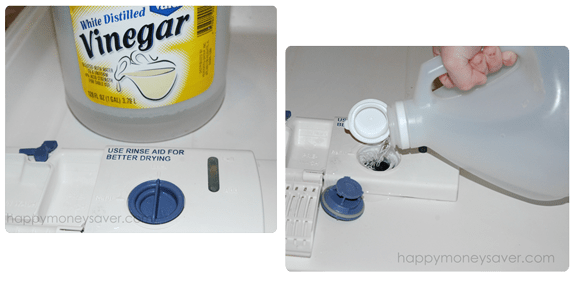
The rinse aid dispenser is usually located on the inside of the dishwasher door. Look near the detergent compartment; it’s often placed right beside or above it.
In some models, the dispenser is hidden under a small flap or cover to prevent accidental spills. If you can’t find it there, check the edges of the door or consult your dishwasher’s manual for precise details.
Identifying The Cap Or Lid
The rinse aid dispenser typically has a small cap or lid that you can twist or lift to open. This cap is often marked with a symbol, such as a droplet or water waves, to help you recognize it quickly.
The cap usually differs in color from the rest of the dishwasher door, often blue or clear, making it easier to spot. If the cap feels stuck or hard to open, don’t force it—some models require a gentle push or a specific twist direction.
Step-by-step Drain Process
Draining rinse aid from your dishwasher doesn’t have to be a confusing task. By breaking down the process into clear, manageable steps, you can ensure your appliance stays in top shape. Let’s walk through each part carefully so you can handle the rinse aid dispenser with confidence and ease.
Opening The Dispenser
Start by locating the rinse aid dispenser inside your dishwasher door. It usually has a small cap or lid that twists or snaps open. If you find it stiff or stuck, try gently prying it open with a flat tool, but be careful not to break the plastic.
Have you noticed any spills or leaks around this area before? Opening it slowly helps avoid any unexpected splashes of rinse aid.
Removing Excess Rinse Aid
If you see rinse aid pooling in the dispenser, soak it up using a sponge or paper towel. Avoid pouring it down the drain immediately; instead, dispose of it safely to protect your pipes and the environment.
Using an old cloth works well for wiping out any leftover liquid. This step is crucial to prevent residue buildup that can affect your dishwasher’s performance.
Cleaning The Dispenser
Once empty, rinse the dispenser with warm water to clear out any sticky residue. Use a soft brush or cloth to scrub the inside gently, especially around the edges where buildup tends to hide.
Let the dispenser air dry completely before closing it. This prevents moisture from mixing with new rinse aid and causing clogs or uneven dispensing.
Tips For Safe Handling
Handling rinse aid safely prevents accidents and protects your home. Rinse aid can be slippery and harmful if spilled or misused. Follow simple safety tips during draining and disposal to keep yourself and the environment safe.
Avoiding Spills
Spills can make floors slippery and cause skin irritation. Work on a flat surface to keep the rinse aid container steady. Use a clean cloth to wipe any drips immediately. Wear gloves to protect your hands from direct contact. Keep rinse aid away from children and pets during handling.
Disposing Of Rinse Aid Properly
Pour leftover rinse aid into a sealed container before disposal. Do not pour it down household drains or toilets. Check local guidelines for hazardous waste disposal options. Take used containers to recycling centers if accepted. Proper disposal helps protect water sources and the environment.

Credit: www.searshomeservices.com
When To Refill Or Replace
Knowing when to refill or replace your dishwasher’s rinse aid is key to keeping dishes spotless and streak-free. Rinse aid helps water slide off dishes and prevents spots. Running low or using old rinse aid affects cleaning performance. Timing your refill or replacement ensures your dishwasher works at its best.
Signs Rinse Aid Needs Replacement
- Water spots or streaks remain on dishes after washing.
- Dishes feel sticky or have a cloudy film.
- The rinse aid dispenser light stays on or blinks.
- Dishes take longer to dry than usual.
- Rinse aid smells strange or has changed color.
These signs mean the rinse aid has lost its effectiveness. Check the rinse aid compartment regularly. Clean it if there is buildup. Refill or replace rinse aid to keep dishes shining.
Choosing The Right Rinse Aid
Select a rinse aid that matches your dishwasher brand and water hardness. Some rinse aids suit hard water better and reduce mineral spots. Look for eco-friendly options that are safe for the environment. Avoid thick or gel-based rinse aids if your dishwasher manual advises against them. Proper rinse aid choice improves cleaning and extends dishwasher life.

Credit: www.youtube.com
Frequently Asked Questions
How Do I Drain Rinse Aid From My Dishwasher?
To drain rinse aid, first empty the rinse aid compartment. Run a rinse cycle without detergent. This flushes out remaining rinse aid safely.
Can I Remove Rinse Aid Manually From The Dispenser?
Yes, you can wipe out the rinse aid dispenser with a damp cloth. Avoid using harsh chemicals to prevent damage.
Why Should I Drain Old Rinse Aid From Dishwasher?
Draining old rinse aid prevents buildup and clogs. It also helps maintain optimal cleaning performance and prevents streaks on dishes.
How Often Should I Drain Rinse Aid From Dishwasher?
Drain rinse aid when switching brands or if you notice residue. Regular refilling after complete drainage ensures effective rinse cycles.
Conclusion
Draining rinse aid from your dishwasher is simple and quick. Follow the steps carefully to avoid spills. Regular maintenance helps keep your dishwasher working well. Clean rinse aid compartments prevent buildup and odors. Doing this task saves you from costly repairs later.
Take a few minutes to check and clean often. Your dishes will come out cleaner and shinier. A little care goes a long way in dishwasher upkeep. Keep your appliance running smoothly with these easy tips.