Are you tired of dealing with stubborn stains and mineral build-up in your dishwasher? You’ve tried scrubbing and countless cleaning products, yet those pesky deposits just won’t go away.
It’s frustrating, isn’t it? Imagine opening your dishwasher to find it sparkling clean, without a trace of grime. Sounds like a dream, right? But what if we told you there’s a solution that might just be the answer to your dishwasher woes?
You might have heard about CLR, a powerful cleaner known for tackling tough stains. But the big question is: Can you use CLR in your dishwasher? Before you make a move, let’s explore the possibilities and potential risks, so you can make an informed decision that keeps your kitchen running smoothly and safely. Curious to learn more? Keep reading to discover the ins and outs of using CLR in your dishwasher, and finally say goodbye to those stubborn stains for good!
Credit: www.walmart.ca
What Is Clr Cleaner
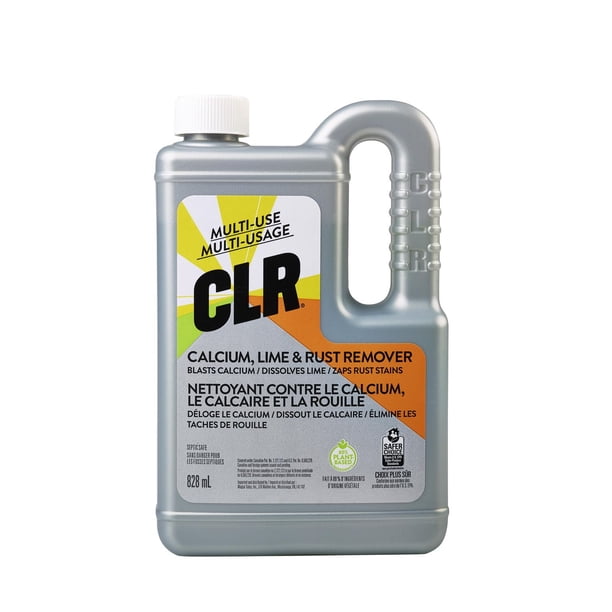
CLR Cleaner is a popular household product designed to tackle tough stains and buildup. Many people wonder if it’s safe to use in appliances like dishwashers. Understanding what CLR is and how it works can help you decide if it’s the right choice for your cleaning needs.
Common Uses
CLR, which stands for Calcium, Lime, and Rust remover, is specially made to dissolve mineral deposits. It’s commonly used to clean:
- Showerheads and faucets clogged with hard water buildup
- Toilets and sinks stained with rust or lime scale
- Appliances like coffee makers and kettles that accumulate mineral deposits
Have you noticed your dishwasher’s performance dropping because of mineral buildup? CLR might seem like a quick fix. But knowing where and how to apply it matters for safety and effectiveness.
Key Ingredients
The strength of CLR comes from a mix of powerful acids. These include:
- Lactic Acid: Breaks down calcium deposits gently
- Glycolic Acid: Targets rust and tougher mineral stains
- Water: Acts as a solvent to help the acids work evenly
These ingredients work together to dissolve stubborn buildup without harsh scrubbing. But their strength means you must use CLR carefully to avoid damage to certain surfaces or parts.
Dishwasher Components And Clr
Understanding how CLR interacts with your dishwasher starts with knowing the key parts inside the machine. Each component plays a role in cleaning and maintaining your dishes, but not every part reacts the same way to cleaning products like CLR. Knowing which parts could be affected helps you decide if using CLR is safe for your appliance.
Parts That May React
CLR contains strong acids designed to dissolve calcium, lime, and rust buildup. These acids can also react with certain dishwasher materials. Components made of aluminum, rubber, and some plastics are especially vulnerable.
- Aluminum parts:CLR can corrode aluminum racks, spray arms, or fittings, causing damage over time.
- Rubber seals and gaskets:The acidic nature of CLR might degrade these seals, leading to leaks.
- Plastic components:Some plastics may weaken or discolor after exposure to CLR.
On the other hand, stainless steel and glass parts generally withstand CLR better. Have you checked what materials your dishwasher’s key parts are made of?
Potential Risks
Using CLR without caution can lead to costly repairs or reduced dishwasher lifespan. Acid damage to seals might cause water leaks, while corroded metal parts can impair cleaning performance.
There’s also a risk of residual CLR remaining inside the machine, which could affect your dishes or create unpleasant odors. Always rinse thoroughly if you decide to use CLR, but consider whether milder alternatives might be safer for your specific model.
Ask yourself: is the potential risk to your dishwasher’s components worth the quick fix CLR might offer?
Is Clr Safe For Dishwashers
Using CLR in dishwashers raises safety questions for many users. CLR is a strong cleaner made to remove calcium, lime, and rust. People want to know if it can harm the dishwasher or leave dangerous residues. Understanding the safety of CLR helps keep your appliance working well and your dishes clean.
Manufacturer Guidelines
Most dishwasher makers do not list CLR as a safe cleaner for their machines. CLR contains acids that may damage some parts like rubber seals or metal components. Using CLR against the manual can void the warranty or cause costly repairs.
Manufacturers usually recommend cleaners made for dishwashers. These products are tested to work without harming the appliance. Following the guide helps avoid damage and keeps the dishwasher running longer.
User Experiences
Some users report success with CLR for cleaning dishwashers. They say it removes build-up and improves performance. They usually dilute CLR heavily and rinse thoroughly afterward.
Other users mention problems after using CLR. These include bad smells, corrosion, or leaks. This shows CLR’s strong acids can be risky in dishwashers.
- Always test in small amounts if trying CLR.
- Rinse well to remove any leftover cleaner.
- Consider safer alternatives made for dishwashers.
Alternative Dishwasher Cleaning Methods
Keeping your dishwasher clean is essential for its performance and the quality of your dishes. Instead of reaching for harsh chemicals like CLR, there are safer and effective alternatives you can try. These methods not only clean your dishwasher but also help maintain its lifespan without risking damage to its parts.
Vinegar And Baking Soda
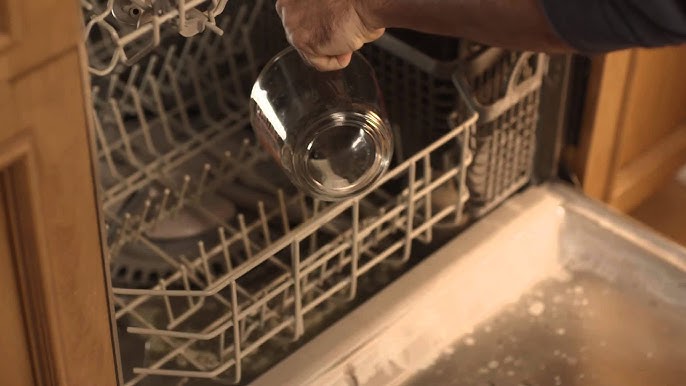
Using vinegar and baking soda is a simple, natural way to clean your dishwasher. Start by pouring a cup of white vinegar into a dishwasher-safe bowl and place it on the top rack. Run a hot water cycle to break down grease and remove odors.
After the vinegar cycle, sprinkle a cup of baking soda across the bottom of the dishwasher. Run a short hot water cycle to freshen and brighten the interior. This combination is gentle yet effective, making it a favorite for many households.
Have you noticed your dishwasher smelling stale or your glasses coming out cloudy? This duo can often solve those common problems without harsh chemicals.
Commercial Dishwasher Cleaners
There are many commercial dishwasher cleaners designed specifically for this appliance. These products are formulated to tackle limescale, soap scum, and mineral buildup safely. Using them as directed can save you time and effort.
Look for cleaners that mention compatibility with your dishwasher’s brand or model to avoid any risks. Some cleaners also offer antibacterial properties, which help keep your dishwasher hygienic.
Would you rather invest in a product tailored for dishwashers instead of trying home remedies? Trying a commercial cleaner might be worth it, especially if you want a quick and reliable solution.
Step-by-step Dishwasher Cleaning Tips
Cleaning your dishwasher regularly keeps it running well and your dishes spotless. Simple steps help remove buildup and bad smells. Follow these easy tips to clean your dishwasher thoroughly and safely.
Preparing The Dishwasher
- Remove all dishes and racks from inside the dishwasher.
- Check and clean the drain area of any debris.
- Wipe the door seals and edges with a damp cloth.
- Ensure the spray arms are free of blockages.
Cleaning Process
- Use dishwasher-safe cleaning products or white vinegar for natural cleaning.
- Place a cup of vinegar on the top rack to break down grease.
- Run a hot water cycle without any dishes inside.
- For tough stains, sprinkle baking soda on the bottom and run a short cycle.
Post-cleaning Care
- Wipe the inside walls and door with a clean cloth.
- Check and clean the filter regularly to avoid clogs.
- Leave the door open for a while to air dry and prevent odors.
- Run monthly cleaning cycles to maintain dishwasher performance.

Credit: www.reddit.com
Signs Your Dishwasher Needs Cleaning
Dishwashers often show signs when they need cleaning. Ignoring these signs can affect how well they wash dishes. Watching for these clues helps keep your dishwasher working well and your dishes clean.
Odor And Residue
Bad smells coming from the dishwasher mean it needs cleaning. Food particles and grease can build up inside. This buildup causes unpleasant odors that linger after cycles.
Residue on dishes is another sign. Spots, film, or leftover food show the dishwasher is dirty. Cleaning removes these deposits and freshens the appliance.
Performance Issues
When the dishwasher takes longer to clean, it may be dirty. Clogged spray arms or filters reduce water flow. This leads to poor washing and dirty dishes.
Leaks or unusual noises during the cycle also signal cleaning needs. These problems occur if debris blocks moving parts. Regular cleaning prevents damage and keeps the machine running smoothly.
Safety Precautions When Using Cleaners
Using cleaners like CLR in your dishwasher can be effective, but it also demands caution. Chemicals in these products can pose risks if not handled correctly. Understanding safety precautions helps protect you and your home from harm.
Protective Gear
Always wear gloves when handling CLR or any strong cleaner. Your skin can get irritated or burned by direct contact with these chemicals.
Consider using safety goggles to shield your eyes from accidental splashes. Even a small splash can cause serious discomfort or injury.
Have old clothes or an apron on to avoid ruining your favorite outfit. Cleaning accidents happen faster than you expect.
Proper Ventilation
Make sure the area where you use CLR is well-ventilated. Open windows or turn on exhaust fans to avoid breathing in fumes.
Have you ever felt dizzy or nauseous while cleaning? That’s a sign you need more fresh air.
Good airflow prevents buildup of harmful vapors, keeping your space safe and comfortable.
Credit: www.gianteagle.com
Frequently Asked Questions
Can Clr Be Safely Used In Dishwashers?
No, CLR is not recommended for dishwashers. It can damage internal parts and leave harmful residues on dishes.
What Does Clr Remove From Dishwashers?
CLR effectively removes calcium, lime, and rust deposits. However, it should be used cautiously or avoided in dishwashers.
Are There Dishwasher-safe Alternatives To Clr?
Yes, many dishwasher-specific cleaners safely remove buildup without harming machine parts or dishes. Always check product labels for dishwasher use.
What Risks Does Clr Pose To Dishwasher Components?
CLR’s acidic nature can corrode metal parts, rubber seals, and plastic components inside dishwashers, leading to costly repairs.
Conclusion
Using CLR in your dishwasher requires caution and care. This cleaner can remove tough stains and buildup effectively. Always follow the product instructions to avoid damage. Avoid pouring CLR directly into the dishwasher during a cycle. Consider running an empty cycle after using CLR to rinse thoroughly.
Regular maintenance helps keep your dishwasher working well. Choose safe cleaning methods for long-lasting appliance health. Clean machines mean cleaner dishes every time. Remember, safe use protects your dishwasher and your home.