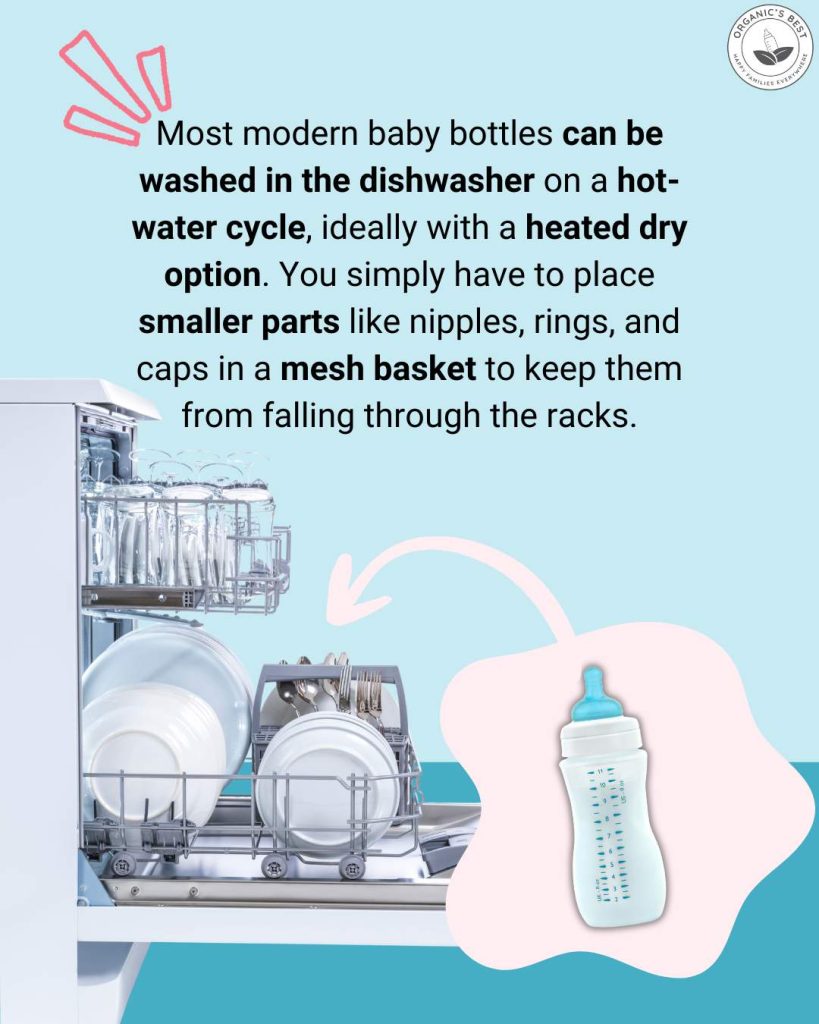
Ever found yourself staring at a pile of bottles and wondering if you can just toss them into the dishwasher? You’re not alone.
Many people ponder this question, juggling the convenience of modern appliances with the desire to keep their bottles in pristine condition. The answer isn’t as straightforward as you might think. By the end of this article, you’ll have a clear understanding of what works, what doesn’t, and why it matters to you.
Dive in to discover the do’s and don’ts of bottle-washing in the dishwasher, and save yourself from potential mishaps and headaches. Your bottles—and your peace of mind—are worth it!
Types Of Bottles Suitable For Dishwashers
Not all bottles handle dishwasher cleaning well. Some materials can warp, crack, or lose color. Understanding which types of bottles are dishwasher safe helps keep them clean and in good shape. Here are common bottle materials and their dishwasher suitability.
Plastic Bottles
Many plastic bottles are dishwasher safe. Look for labels that say “dishwasher safe” or have a dishwasher symbol. Use the top rack only to avoid heat damage from the dishwasher’s heating element. Avoid washing thin or cheap plastics in the dishwasher. They can warp or melt easily.
Bottles made from BPA-free plastics tend to last longer. Always remove lids and any rubber seals before washing. These parts may need hand washing to stay intact.
Glass Bottles
Glass bottles are usually safe in the dishwasher. They withstand heat and detergent well. Place them carefully to prevent knocking against other items. Avoid sudden temperature changes, which can cause glass to crack. Some glass bottles have painted designs or labels that may fade over time.
Use a gentle cycle if available. Remove any rubber rings or plastic lids before washing.
Metal Bottles
Stainless steel bottles often work well in dishwashers. They resist rust and maintain their shine. Avoid bottles made of aluminum or coated metals. Dishwasher detergent can damage their finish. Always check the manufacturer’s instructions before washing metal bottles.
Remove lids and any silicone seals. These parts usually need hand washing to keep them in good condition.
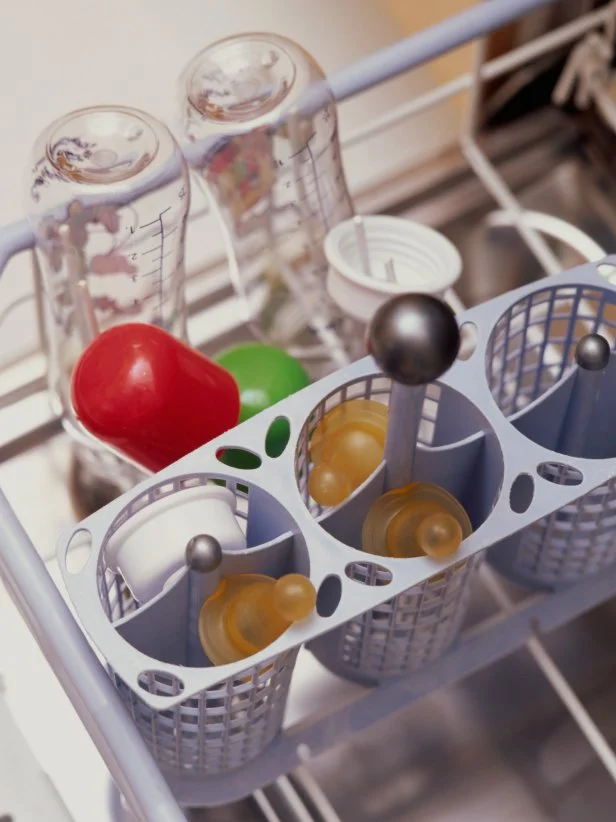
Credit: www.foodnetwork.com
Bottles To Avoid Putting In The Dishwasher
Not all bottles are dishwasher-friendly. Placing the wrong type of bottle in your dishwasher can damage both the bottle and your appliance. Knowing which bottles to avoid will save you time, money, and frustration.
Insulated Bottles
Insulated bottles often have a vacuum seal to keep drinks hot or cold. The high heat and water pressure inside the dishwasher can break this seal, ruining the insulation.
I’ve seen insulated bottles lose their temperature retention after just one dishwasher cycle. If you want your bottle to stay effective, hand wash it instead.
Decorated Or Painted Bottles
Bottles with decorations, paint, or decals can lose their design in the dishwasher. The harsh detergents and hot water cause colors to fade or peel off.
If you value your bottle’s look, avoid the dishwasher. Cleaning by hand will keep those designs intact for much longer.
Bottles With Sensitive Materials
Some bottles contain materials like bamboo lids, cork stoppers, or delicate plastics. These can warp, crack, or degrade when exposed to dishwasher heat and water jets.
Think about the last time a wooden item went through a dishwasher—it likely didn’t end well. Protect these materials by washing them gently by hand.
Preparing Bottles For Dishwasher Cleaning
Preparing bottles for dishwasher cleaning is essential to get them thoroughly clean without causing damage. Taking a few simple steps before placing bottles in the dishwasher can save you time and ensure they come out spotless. Have you ever noticed residue or smells lingering even after a wash? That often means preparation was missed.
Removing Lids And Caps
Always take off lids, caps, and any removable parts before washing. These smaller pieces can trap dirt and bacteria if left attached. Plus, separating them helps the dishwasher spray water more effectively.
Keep in mind that some caps may be too small to go in the dishwasher safely. You might want to place them in a dishwasher-safe basket or wash them by hand to avoid losing them.
Pre-rinsing Bottles
Rinsing bottles before loading them into the dishwasher removes leftover milk, juice, or other liquids. This step prevents food from drying inside and causing bad odors. It also helps the dishwasher do a better job cleaning.
If you’ve ever skipped rinsing and found your dishwasher still left a mess, you know how important this can be. A quick rinse under warm water usually does the trick.
Checking Dishwasher Safe Labels
Not all bottles are made to withstand dishwasher heat and detergents. Look for dishwasher-safe labels or instructions on the bottle or packaging. This tells you which parts can go in the dishwasher and which should be hand washed.
If you’re unsure, err on the side of caution and wash delicate bottles by hand. Damaging a favorite bottle because of dishwasher misuse is more hassle than it’s worth.
Best Dishwasher Settings For Bottles
Choosing the best dishwasher settings for bottles ensures they come out clean and safe. Proper settings prevent damage and remove all residue. Adjusting temperature, wash cycles, and detergents plays a key role in cleaning bottles effectively.
Choosing The Right Temperature
Set the dishwasher temperature between 120°F and 140°F. This range kills germs without harming bottle materials. Avoid very high temperatures to protect plastic bottles from warping. Glass bottles usually handle higher heat well.
Selecting Suitable Wash Cycles
Use gentle or delicate cycles for baby bottles and thin plastics. These cycles avoid strong water pressure that could cause cracks. Heavy-duty cycles work best for stubborn stains on glass bottles. Shorter cycles save energy and reduce wear on bottles.
Using Appropriate Detergents
Choose mild, phosphate-free detergents to keep bottles safe. Harsh detergents can leave harmful residues or damage plastics. Some detergents include rinse aids that prevent spots and film. Avoid powder detergents that might not dissolve well in cold water.
Common Mistakes To Avoid
Putting bottles in the dishwasher might seem simple. Yet, many make mistakes that damage bottles or reduce cleaning quality. Avoid these common errors to keep bottles clean and safe.
Overloading The Dishwasher
Too many bottles inside can block water flow. Bottles need space for water and detergent to reach all surfaces. Overcrowding leads to poor cleaning and possible damage.
Place bottles upright and spaced well apart. Avoid stacking or cramming them together. This helps water reach every part and cleans better.
Ignoring Manufacturer Instructions
Each bottle has specific washing guidelines. Some bottles cannot handle high heat or strong detergents. Ignoring these instructions can cause cracks or fading.
Check labels or manuals before washing. Follow recommended settings and detergent types to keep bottles safe and clean.
Using Harsh Cleaners
Strong chemicals can harm bottle materials. Harsh cleaners may cause discoloration or weaken plastic and glass.
Use mild, dishwasher-safe detergents. Avoid bleach or abrasive powders. Gentle cleaning protects bottles and keeps them looking new.
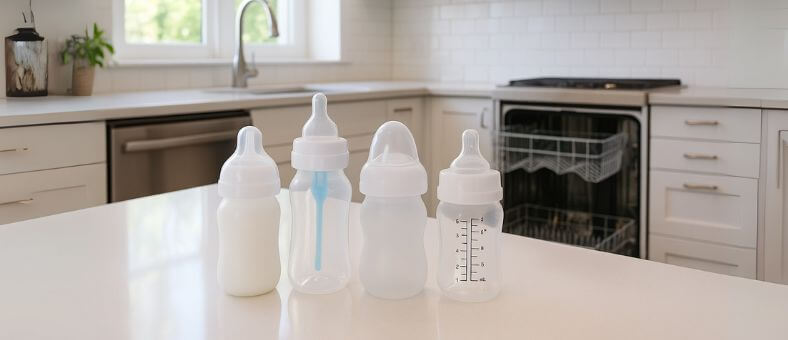
Credit: washdrydazzle.com
Alternative Cleaning Methods For Bottles
Cleaning bottles without a dishwasher needs simple and effective methods. These alternatives help keep bottles clean and safe for use. They work well for different bottle types and materials. Use these easy techniques to maintain hygiene at home.
Hand Washing Techniques
Use warm water and mild dish soap to wash bottles. Fill the bottle halfway with soapy water. Shake it well to reach all inside surfaces. Use your hand or a soft cloth to clean the outside. Rinse thoroughly with clean water to remove soap. Dry the bottle upside down on a clean towel.
Using Bottle Brushes
Bottle brushes reach areas that hands cannot clean. Choose brushes with soft bristles to avoid scratches. Insert the brush inside the bottle and scrub gently. Focus on the bottom and neck where dirt builds up. Rinse the bottle well after brushing. Clean the brush regularly to keep it hygienic.
Sanitizing With Natural Solutions
Natural solutions offer safe ways to kill bacteria. Mix equal parts water and white vinegar in the bottle. Let it sit for 15 to 30 minutes. Rinse thoroughly with warm water afterward. Another option is a baking soda paste for tough stains. Apply paste, scrub gently, then rinse well. These methods keep bottles clean without chemicals.
Tips For Maintaining Bottle Hygiene
Keeping bottles clean is important for health and safety. Proper hygiene stops germs and bacteria from growing. Regular care makes bottles safe to use every day. Follow simple tips to maintain bottle hygiene effectively.
Regular Cleaning Frequency
Clean bottles after every use. This prevents residue buildup and bad smells. Use warm water and mild soap for washing. For baby bottles, sterilize regularly to kill harmful germs. Avoid letting bottles sit with liquid inside for long.
Proper Drying And Storage
Dry bottles fully before storing to stop mold growth. Use a clean rack or towel for drying. Store bottles in a dry, cool place away from dust. Keep lids and parts separated to air dry better. Avoid storing bottles in sealed containers with moisture.
Inspecting For Damage Or Wear
Check bottles often for cracks, scratches, or discoloration. Damaged bottles can harbor bacteria and leak harmful chemicals. Replace bottles with signs of wear immediately. Pay attention to seals and nipples on baby bottles. Keeping bottles in good condition ensures safety.

Credit: www.searshomeservices.com
Frequently Asked Questions
Can All Types Of Bottles Go In The Dishwasher?
Not all bottles are dishwasher-safe. Check the label or manufacturer’s instructions first. Plastic bottles may warp, while glass bottles generally handle dishwasher cleaning well.
How Should Bottles Be Placed In The Dishwasher?
Place bottles upside down on the top rack. This ensures water reaches inside and they dry properly without trapping moisture.
Are Dishwasher Detergents Safe For Bottles?
Most dishwasher detergents are safe for bottles but avoid harsh chemicals. Use mild, eco-friendly detergents to protect bottle materials and maintain cleanliness.
Can Dishwasher Heat Damage Bottles?
High heat can warp plastic bottles and affect seals. Use a low-heat or eco setting to prevent damage and extend bottle lifespan.
Conclusion
Bottles can usually go in the dishwasher, but check first. Some bottles may not handle heat well or could get damaged. Remove lids and small parts before washing. Place bottles securely to avoid tipping. Use the right dishwasher cycle to clean them well.
Hand wash delicate or special bottles to keep them safe. Clean bottles often to keep germs away. Following these tips helps your bottles stay clean and last longer. Simple care makes a big difference in bottle cleaning.