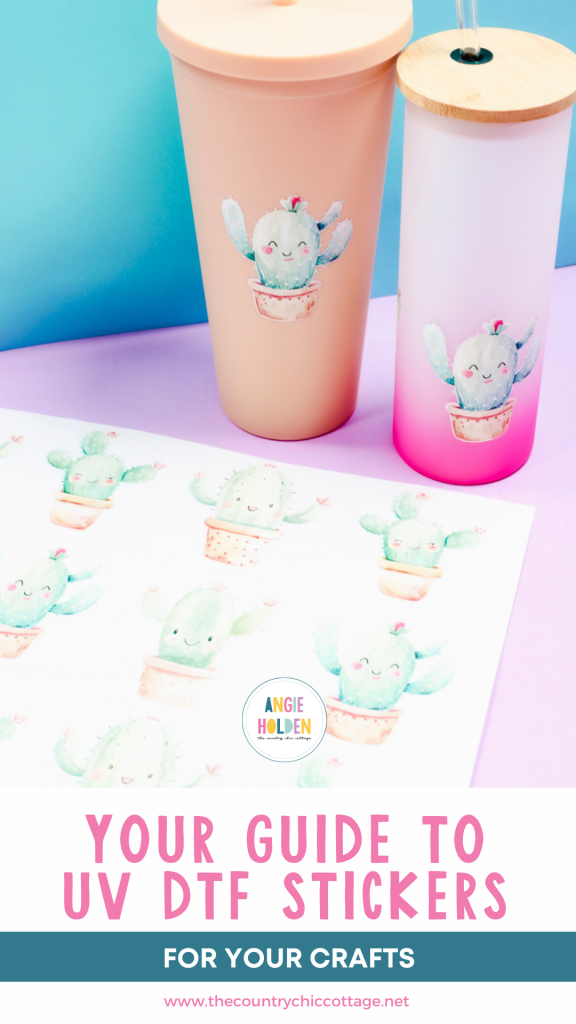
Are you a fan of customizing your belongings with unique stickers? If so, you’ve probably come across UV DTF stickers, known for their vibrant designs and durability.
But there’s one burning question on your mind: Are UV DTF stickers dishwasher safe? Understanding how these stickers hold up in the dishwasher can make all the difference between keeping your favorite items pristine or dealing with peeling designs. We’ll dive into the ins and outs of UV DTF stickers and their compatibility with your dishwasher.
Whether you’re sprucing up your water bottle or personalizing your travel mug, knowing the facts will help you make the best decision for your cherished items. So, are your stickers up to the challenge? Keep reading to find out!
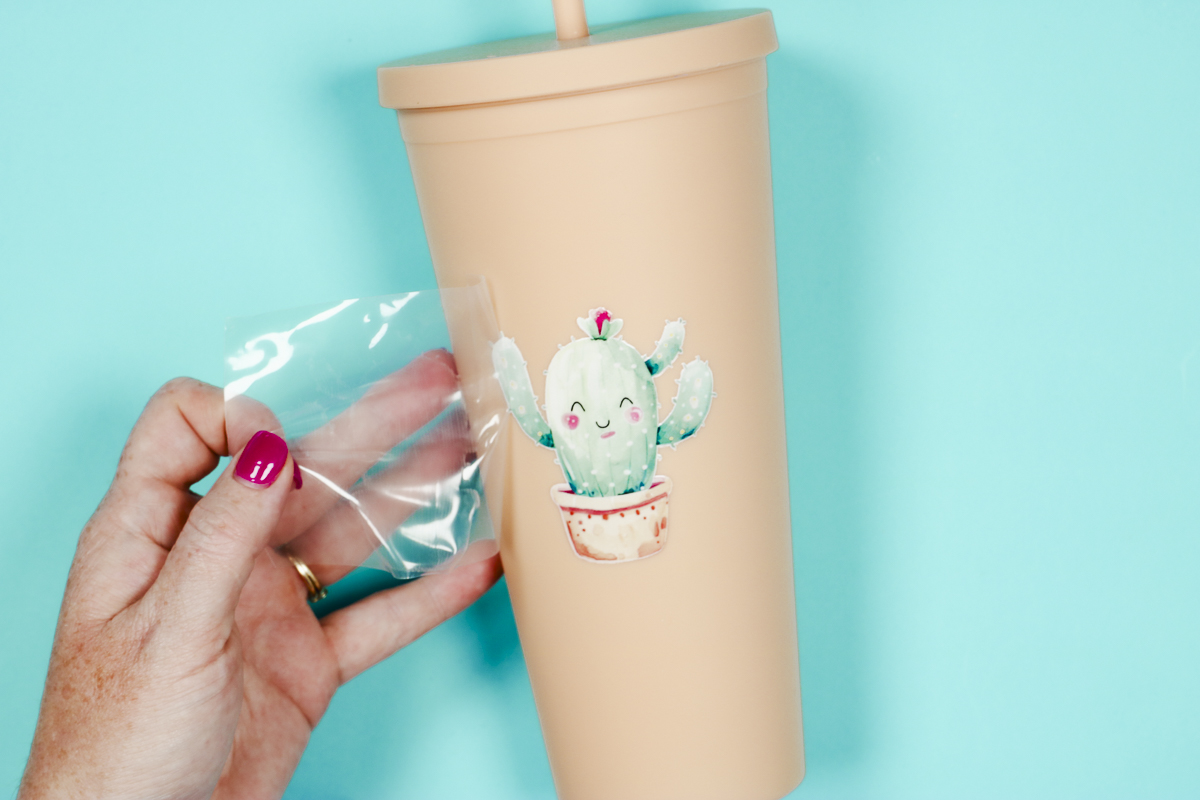
Credit: www.thecountrychiccottage.net
Uv Dtf Stickers Basics
Understanding the basics of UV DTF stickers is essential for knowing their properties and uses. These stickers use advanced printing technology that combines UV curing and direct-to-film methods. This combination creates vibrant, long-lasting designs. UV DTF stickers are popular for their durability and sharp colors. They work well on various surfaces and materials.
What Are Uv Dtf Stickers
UV DTF stickers are printed using UV light to cure ink directly on a film. The process uses ultraviolet light to harden the ink instantly. This method improves the sticker’s resistance to fading and damage. The stickers have a smooth finish and bright colors. They are flexible and can stick to curved or flat surfaces easily. The ink bonds tightly to the film, making the design last longer.
Common Uses Of Uv Dtf Stickers
- Brand logos on products and packaging
- Decorative labels for bottles and containers
- Custom decals for cars and gadgets
- Promotional items like giveaways and souvenirs
- Artistic designs on personal items
These stickers work well indoors and outdoors. Their strong print and protective coating help them survive daily wear. Many businesses prefer UV DTF stickers for their quality and reliability.
Durability Factors
Understanding what makes UV DTF stickers durable is key to deciding if they’re dishwasher safe. Several factors influence their longevity, especially when exposed to hot water and detergents. Let’s break down these durability elements so you can make an informed choice for your sticker needs.
Material Composition
The base material of UV DTF stickers plays a huge role in how well they withstand dishwasher conditions. Most stickers use polyester or vinyl, which are naturally water-resistant and flexible. However, thinner materials may peel or warp after repeated washing cycles.
Think about stickers you’ve used before—did they feel sturdy or flimsy? Choosing stickers made from high-quality, thick materials can help them last longer through dishwasher heat and water pressure.
Adhesive Strength
The glue holding your sticker in place is just as important as the sticker itself. Strong adhesives designed for moisture and heat resistance prevent stickers from lifting or falling off. Some adhesives are pressure-sensitive, while others cure under heat, offering better durability.
Have you noticed stickers peeling off after a few washes? That’s often due to weak adhesive. Opting for stickers with industrial-grade adhesive ensures they stay stuck on mugs, plates, or bottles even after multiple dishwasher cycles.
Ink And Print Quality
The quality of ink and printing method affects how well the design holds up in the dishwasher. UV-cured inks are generally more resistant to fading and smudging when exposed to heat and water. Poor-quality inks may run or fade quickly, ruining your sticker’s appearance.
If you want your stickers to look vibrant after many washes, look for UV DTF stickers that use high-grade UV inks. This choice can save you from the frustration of fading designs and repeated replacements.
Dishwasher Impact
Understanding the dishwasher impact is crucial for UV DTF stickers. These stickers face several challenges inside a dishwasher. Heat, water, detergents, and wash cycles all influence their durability. Knowing these factors helps decide if dishwasher use is safe for your stickers.
Heat And Water Exposure
Dishwashers use hot water to clean dishes thoroughly. High temperatures can weaken the adhesive on UV DTF stickers. Constant exposure to water can also cause the sticker edges to lift. Over time, heat and water may cause the colors to fade or peel.
Detergents And Chemicals
Dishwasher detergents contain strong chemicals. These chemicals can break down the sticker’s surface coating. Harsh detergents may dull the print and reduce sticker lifespan. Mild detergents are less harmful but still pose some risk to the sticker.
Wash Cycle Effects
Wash cycles involve spraying water forcefully. This pressure can damage delicate sticker edges. Long or intense cycles increase the chance of sticker wear. Gentle cycles and short durations reduce damage risk.
Testing Uv Dtf Stickers
Testing UV DTF stickers is vital to know their durability in dishwashers. These tests show how stickers react to heat, water, and detergents. Proper testing helps ensure stickers stay bright and intact over time.
Laboratory Tests
In labs, stickers face controlled dishwasher cycles. Scientists check color fading, peeling, and texture changes. Tests include:
- Exposure to hot water at 70°C
- Use of standard dishwasher detergents
- Repeated washing for up to 50 cycles
Lab results reveal how stickers resist heat and chemicals. They also measure adhesive strength after washing. This data helps improve sticker formulas for better durability.
Real-life Dishwasher Trials
Real-life tests involve using stickers on everyday items. People put these items in home dishwashers regularly. Observations focus on:
- Sticker appearance after multiple washes
- Any peeling or lifting edges
- Color retention under normal use
These trials show how stickers perform in actual kitchens. They help confirm lab findings and reveal real use effects. Real-life tests guide users on sticker care and limits.
Tips For Longevity
Ensuring UV DTF stickers last long requires careful attention. Proper care helps maintain their look and adhesion over time. Simple steps can protect stickers from wear in daily use. These tips help keep stickers vibrant and intact through washing cycles.
Proper Application
Apply stickers on a clean, dry surface for best results. Avoid touching the adhesive side to prevent dirt or oil transfer. Press firmly to remove air bubbles and secure adhesion. Let stickers set for at least 24 hours before washing.
Pre-wash Care
Rinse items gently to remove loose dirt before placing in dishwasher. Avoid harsh scrubbing on the sticker area to prevent damage. Consider hand washing if the sticker shows signs of wear or peeling. Pat dry with a soft cloth instead of rubbing.
Best Dishwasher Settings
Use a gentle or delicate cycle to protect stickers from harsh water pressure. Select a low temperature setting to avoid heat damage. Avoid strong detergents that can erode the sticker’s surface. Place items on the top rack away from heating elements.
Alternatives For Dishwasher Safety
If you want stickers that can handle the heat and water of a dishwasher, you might need to look beyond UV DTF stickers. These stickers often struggle with dishwasher cycles, leading to fading or peeling. Fortunately, there are alternatives and ways to boost your stickers’ durability for dishwasher safety.
Other Sticker Types
Some sticker materials naturally hold up better in dishwashers. Vinyl stickers, especially those labeled as waterproof or weatherproof, tend to resist water and heat much better than UV DTF stickers.
Polyester and polypropylene stickers also offer improved resistance to moisture and heat. You might find these on reusable water bottles or outdoor gear because they don’t easily fade or peel.
Have you tried using permanent adhesive stickers? These often stick firmly through multiple washes without losing their grip.
Protective Coatings
Adding a protective coating can make a big difference in sticker durability. Clear laminate sheets or spray sealants create a barrier against water and heat, helping your stickers last longer.
Matte or glossy laminates can be applied over stickers before placing them on your items. This extra layer blocks water from reaching the sticker’s surface.
Spray-on clear coats like acrylic or polyurethane are another option. They can be brushed or sprayed on, sealing the sticker and boosting its resistance to dishwasher conditions.
Have you considered combining a durable sticker type with a protective coating? This combo often offers the best protection for dishwasher use.
Common Myths
Many people believe certain things about UV DTF stickers and dishwasher safety. These ideas often come from misunderstanding how these stickers work or how they react to heat and water. Clearing up these myths helps users care for their stickers better and avoid damage.
Sticker Peeling Causes
Peeling is not always because the sticker is bad. Often, poor surface cleaning before applying the sticker causes peeling. Dirt, oil, or moisture stops the adhesive from sticking well. Rubbing or scrubbing the sticker too hard also leads to edges lifting.
Low-quality adhesives or incorrect printing settings can weaken the sticker bond. Stickers exposed to harsh chemicals or rough handling peel faster. Proper application and gentle washing help stickers last longer.
Heat Resistance Misconceptions
Many think UV DTF stickers can handle any heat level. These stickers resist heat better than some types but have limits. High dishwasher temperatures or direct hot water spray can soften the adhesive. This weakens the sticker’s hold and causes damage.
UV DTF stickers are designed for mild heat, not extreme or prolonged exposure. Using gentle dishwasher settings and avoiding direct heat improves sticker durability. Heat resistance does not mean heat proof.
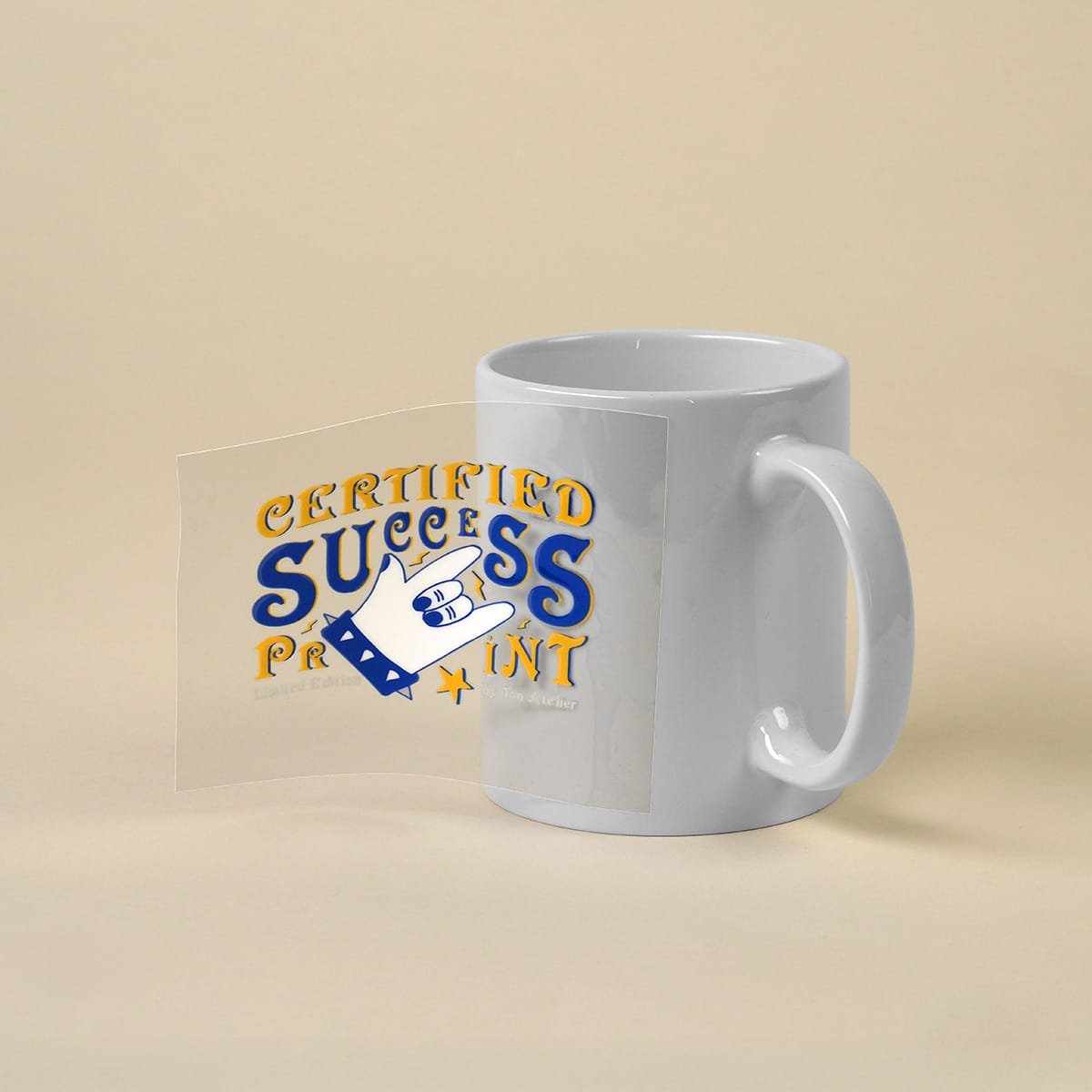
Credit: tonatelier.ca
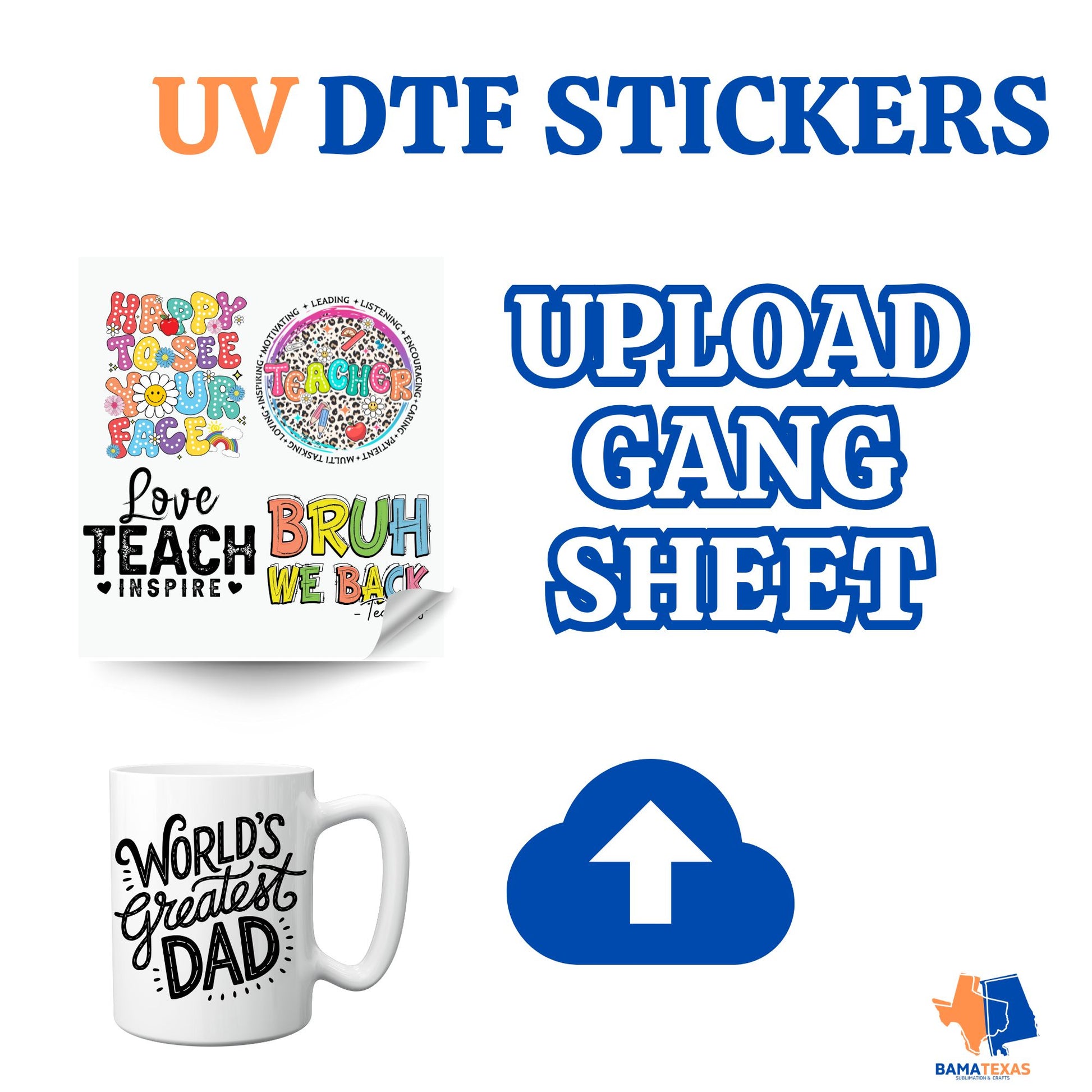
Credit: bamatexas.com
Frequently Asked Questions
Are Uv Dtf Stickers Safe For Dishwashers?
UV DTF stickers are generally not dishwasher safe. The high heat and strong detergents can damage the print and adhesive, causing peeling or fading over time. Hand washing is recommended to maintain their quality and durability.
How To Protect Uv Dtf Stickers From Dishwasher Damage?
To protect UV DTF stickers, avoid placing them on dishwasher-exposed items. Use gentle hand washing with mild soap instead. Applying a clear sealant can also help increase resistance to moisture and heat.
Will Uv Dtf Stickers Fade In A Dishwasher?
Yes, UV DTF stickers can fade in a dishwasher. The heat and harsh detergents break down the ink and adhesive. This reduces the sticker’s vibrancy and lifespan significantly.
Can Uv Dtf Stickers Withstand Heat From Dishwashers?
No, UV DTF stickers are sensitive to dishwasher heat. Temperatures inside dishwashers can weaken adhesive bonds and cause ink to crack or peel. Stickers are better suited for cool, dry environments.
Conclusion
UV DTF stickers can hold up well in dishwashers if made properly. Quality materials and good sealing protect stickers from water and heat damage. Still, washing by hand helps stickers last longer. Avoid harsh detergents or scrubbing the stickers directly.
Careful use keeps designs bright and intact. Small steps make a big difference in sticker life. Choose stickers designed for durability to ensure dishwasher safety. Simple care extends their look and usefulness. Stickers can stay vibrant with the right handling.