Have you ever wondered if Porsche, the luxury car maker you know and love, ever built tanks? It sounds surprising, right?
But there’s a fascinating story behind this unexpected connection. If you’re curious about how a brand famous for sleek sports cars dipped into military machinery, you’re in the right place. Keep reading, and you’ll discover secrets that might change how you see Porsche forever.
Your next favorite fact about this iconic company is just ahead.
Credit: armored-patrol.fandom.com
Porsche’s Early Military Designs
Porsche’s early military designs reveal a side of the brand you might not expect. Before becoming famous for luxury sports cars, Porsche was deeply involved in creating innovative military vehicles. These designs reflected the company’s engineering creativity and ambition to impact armored warfare technology.
Origins Of Military Engineering
Ferdinand Porsche, the founder, had a background in engineering that naturally extended into military projects. Early in the 20th century, he worked on designing vehicles that could support troops in battle. His goal was to make machines that combined power, reliability, and advanced technology.
During World War I and the years after, Porsche experimented with various engine and chassis designs tailored for military use. His experience in these projects laid the groundwork for later armored vehicle concepts. Have you ever considered how skills from civilian car design can transfer to military engineering?
Concepts For Armored Vehicles
Porsche’s concepts for armored vehicles went beyond traditional tank design. He focused on innovative features like alternative propulsion systems and unique suspension setups to improve mobility and durability. One standout was his work on electric and hybrid drive systems, which were ahead of their time.
These designs aimed to give tanks more speed and flexibility on the battlefield. Though not all of Porsche’s military ideas were mass-produced, they influenced tank development during World War II. Think about how pushing boundaries in design can lead to breakthroughs, even if immediate success isn’t guaranteed.

Credit: www.reddit.com
The Tiger Tank Competition
The Tiger Tank Competition was a crucial event during World War II. The German army sought a powerful heavy tank to outperform enemy vehicles. Two main companies, Porsche and Henschel, competed to design the best tank. This competition shaped the future of German armored vehicles.
Porsche’s Prototype Development
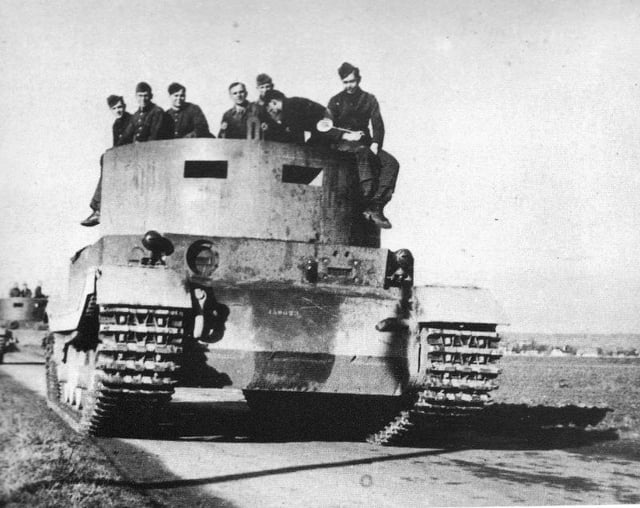
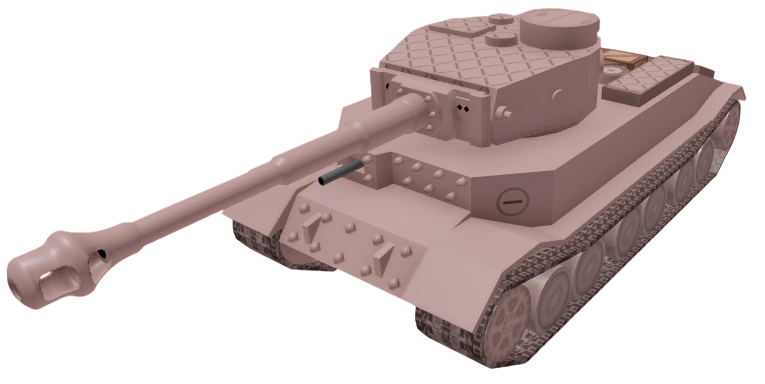
Porsche designed a unique tank prototype called the Porsche Tiger or VK 4501(P). It used an innovative gasoline-electric hybrid drive system. This design aimed to deliver high speed and better power control. The tank had a distinctive rounded turret and thick armor for protection. Porsche built a few prototypes, but the complex drive system caused many problems. These issues made the tank less reliable in field tests.
Comparison With Henschel Designs
Henschel’s design, known as the Henschel Tiger or Tiger I, used a traditional mechanical drive system. This made it simpler and more reliable than Porsche’s version. The Henschel Tiger had strong armor and a powerful 88mm gun. It proved more effective in tests and easier to produce. The German army chose Henschel’s design for mass production. Porsche’s prototype never reached full production but influenced future tank designs.
Production Challenges And Outcomes
The journey of Porsche attempting to build tanks was fraught with numerous production challenges. These obstacles shaped the final outcome and influenced the company’s role during that period. Understanding these difficulties offers insight into how complex military manufacturing can be, even for renowned automotive experts.
Technical Difficulties
One major hurdle was the complexity of tank design compared to regular vehicles. Porsche faced issues with engine reliability and transmission systems, which were not easy to adapt from car technology to heavy armored vehicles.
Another problem was the innovative suspension system Porsche used. While advanced, it was prone to frequent breakdowns and required constant maintenance, which slowed down production and field deployment.
Have you ever wondered how a company known for speed and precision struggled with durability? This contrast highlights the difference between racing cars and battle-ready tanks.
Impact On Manufacturing
The technical problems directly affected the manufacturing process. Factories had to halt production repeatedly to fix design flaws and retool assembly lines, causing delays and increased costs.
Labor force training was another challenge. Workers needed new skills to handle complex tank components, which took time and slowed production rates further.
- Production delays led to fewer tanks delivered on schedule.
- Resource allocation shifted from quantity to quality control.
- Competition with rival manufacturers intensified as Porsche struggled to meet demands.
Do these setbacks make you question how much innovation is too much when speed and reliability are critical? Porsche’s tank experience shows that pushing technology without practical testing can backfire during wartime needs.

Credit: www.reddit.com
Porsche’s Role In Tank Destroyers
Porsche’s involvement in tank destroyers is a fascinating chapter in military history. While many associate the brand with sleek sports cars, their engineering skills were applied to armored warfare during World War II. Porsche’s designs, particularly in tank destroyers, showcased innovative approaches, even if they didn’t always lead to battlefield success.
The Ferdinand/elefant Tank Destroyer
The Ferdinand, later renamed Elefant, was one of Porsche’s most ambitious tank destroyer projects. It combined heavy armor with a powerful 88mm gun, designed to take out enemy tanks from long distances. The vehicle weighed nearly 65 tons and was built on a chassis originally meant for a heavy tank that Porsche had designed but lost out on in production.
This tank destroyer was unique because it focused purely on firepower and protection, sacrificing speed and maneuverability. It had limited secondary armament and no turret, which made it less flexible in close combat. Yet, its thick armor made it nearly impervious to most Allied anti-tank weapons at the time.
Combat Performance And Legacy
The Ferdinand saw action in the Battle of Kursk in 1943, one of the largest tank battles in history. Its powerful gun could destroy Soviet tanks at long range, which was a clear advantage. However, its mechanical reliability was poor, and it struggled with breakdowns and lack of close defense, which cost many Ferdinands in battle.
Despite these issues, the Elefant’s design influenced future tank destroyers by emphasizing heavy firepower and armor. It raises the question: would you prioritize power over versatility in your own projects? Porsche’s tank destroyers remind us that innovation often comes with trade-offs, and understanding those can lead to better decisions in any field.
Post-war Military Influence
The post-war period shaped Porsche’s path beyond tank design. The end of World War II forced many military manufacturers to rethink their future. Porsche’s experience with military vehicles influenced its engineering techniques and design philosophy.
This influence helped Porsche move from tanks to cars. The knowledge gained in durable, powerful machines became a foundation for civilian vehicles. The legacy of military precision stayed part of Porsche’s identity.
Transition To Civilian Vehicles
After the war, Porsche shifted focus from tanks to cars. The company used its engineering skills to build fast, reliable sports cars. Ideas like lightweight materials and efficient engines came from military projects.
Porsche’s first post-war car designs showed this shift clearly. They emphasized speed, handling, and durability. The move helped Porsche grow into a leading car manufacturer globally.
Lasting Impact On Defense Engineering
Porsche’s work on military vehicles left a mark on defense engineering. Their innovations in engine design and vehicle mobility influenced later military projects. Concepts like air-cooled engines and compact designs carried over.
Even today, some military vehicle designs reflect Porsche’s engineering approach. The company’s early tank projects helped set standards in armored vehicle development. This legacy blends with Porsche’s reputation for precision and quality.
Common Myths And Facts
Many people wonder if Porsche actually made tanks during World War II. Stories and rumors often mix facts with fiction. Understanding what is true helps clear up confusion. This section breaks down common myths and facts about Porsche’s role in tank production.
Separating Fiction From Reality
A popular myth says Porsche built tanks like the Tiger or Panther. This is not true. Porsche designed tank prototypes but did not make mass-produced tanks. The German army chose other companies for large-scale tank manufacturing.
Another myth claims Porsche tanks dominated the battlefield. In reality, Porsche’s tank designs faced many problems. Only a few prototypes were built and tested. These tanks never reached frontline combat.
Porsche’s Actual Contributions
Porsche contributed mainly through innovative tank designs. The company worked on the Tiger tank’s early prototypes. Their designs influenced later tank models but were not used directly.
Porsche also developed engines and components for tanks. Their engineering skills helped improve tank technology. Their work impacted German tank development during the war.
Frequently Asked Questions
Did Porsche Design Military Tanks During Wwii?
Yes, Porsche designed tanks during World War II. The most notable design was the VK 4501 (P), a prototype that competed against Henschel’s design. Although Porsche’s model was not mass-produced, it laid the groundwork for future innovations in tank technology.
Why Did Porsche Create Tank Designs?
Porsche created tank designs due to a request from the German government during WWII. Ferdinand Porsche, the company’s founder, was tasked with developing advanced armored vehicles. This involvement was part of Germany’s efforts to enhance its military capabilities during the war.
What Was The Porsche Tiger Tank?
The Porsche Tiger tank refers to the VK 4501 (P) prototype. It was designed by Porsche for the German army during WWII. Although not selected for mass production, its design influenced subsequent tank models and showcased Porsche’s engineering prowess.
Did Any Porsche Tanks See Combat?
Porsche’s tank designs did not see combat in their intended form. The VK 4501 (P) prototype was not mass-produced. However, its chassis was repurposed for the Elefant tank destroyer, which saw limited combat use during WWII.
Conclusion
Porsche did design tanks, but only in the past. Their work mostly stayed in prototypes and tests. The company focused more on cars after World War II. Today, Porsche is known for fast, stylish sports cars. The tank story shows a surprising side of Porsche’s history.
It reminds us how companies can change over time. This part of history is interesting and little known. Porsche’s tank efforts left a small mark on military design. Yet, their true fame comes from the roads, not battlefields.