Are you tired of constantly worrying about the harsh chemicals in your floor cleaners? Concerned about the damage they might be causing to your beautiful floors or even your health?
If you’ve ever pondered these questions, you’re not alone. Many homeowners are searching for safer, yet effective cleaning solutions. Enter the pH neutral floor cleaner—a product that’s designed to be gentle on surfaces and safe for you and your family.
But what exactly is a pH neutral floor cleaner, and why should you consider making the switch? This guide will unravel the mystery behind this innovative cleaning solution and explain how it can transform your cleaning routine. Discover how a pH neutral floor cleaner can protect your floors, your home, and your peace of mind. Keep reading to find out how this might be the game-changer you’ve been looking for in your cleaning arsenal.

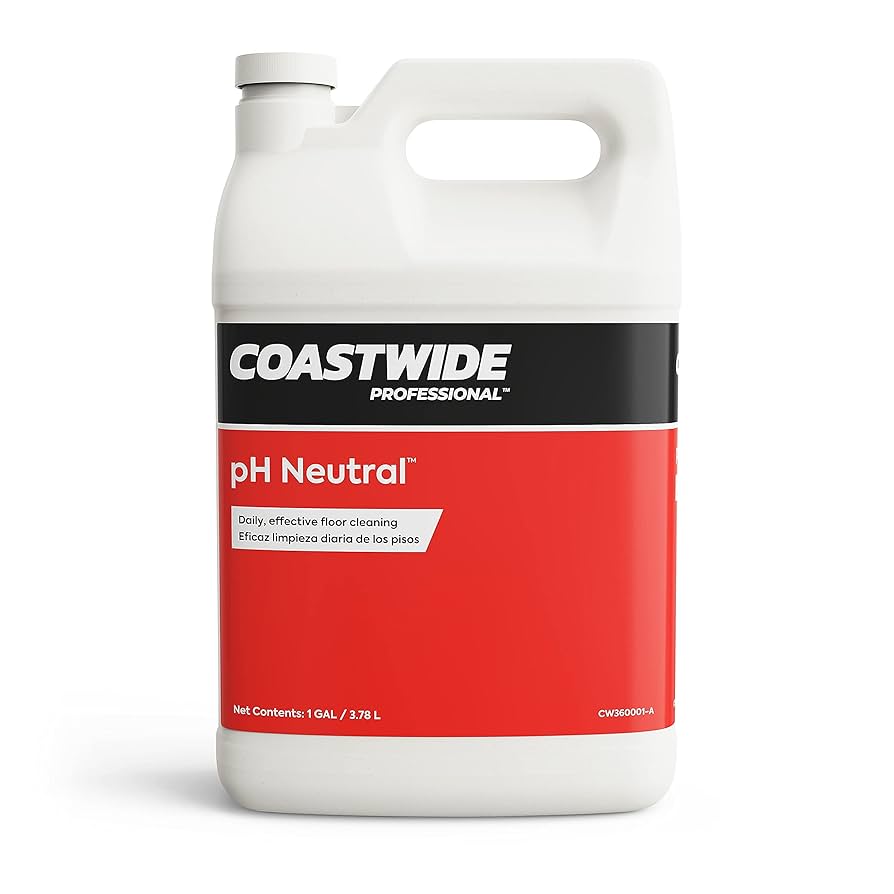
Credit: www.amazon.com
Ph Neutral Floor Cleaner Basics
Understanding the basics of pH neutral floor cleaners can change how you care for your floors. These cleaners offer a gentle yet effective way to maintain cleanliness without damaging surfaces. If you’ve ever wondered why some cleaners leave residues or dull your floors, the answer often lies in their pH level.
What Ph Neutral Means
pH neutral means a substance has a pH level of 7, which is neither acidic nor alkaline. This balance makes it safe for most floor types, including hardwood, tile, and laminate. Using a cleaner with a pH close to neutral helps prevent damage like discoloration or weakening of the floor material.
Think of pH neutral cleaners as the “middle ground” in cleaning chemistry. They don’t react aggressively, so they clean without stripping natural finishes or leaving harmful residues behind. Have you ever noticed how some cleaners make your floor sticky or dull? Those often have high or low pH values.
Why Ph Balance Matters For Floors
Your floor’s surface can be sensitive to pH extremes. Acidic cleaners (pH below 7) can etch or wear down finishes, while alkaline cleaners (pH above 7) might leave behind residues that attract dirt. Maintaining pH balance protects both the appearance and lifespan of your flooring.
For example, hardwood floors are especially vulnerable to pH imbalances. Using a harsh cleaner can cause warping or fading. On the other hand, pH neutral cleaners keep floors looking fresh and extend their durability.
Have you ever thought about the long-term effects of your cleaning products? Choosing a pH neutral floor cleaner is a simple step that safeguards your investment while keeping cleaning hassle-free.
Benefits Of Ph Neutral Cleaners
Using a pH neutral floor cleaner offers several advantages that go beyond just cleaning. These cleaners strike the perfect balance in acidity and alkalinity, making them gentle yet effective. Understanding these benefits can help you choose the right product for your floors and maintain their appearance longer.
Safe For All Floor Types
One major benefit of pH neutral cleaners is their safety on all floor surfaces. Whether you have hardwood, tile, laminate, or stone, these cleaners won’t cause damage or discoloration. This means you don’t have to worry about switching products for different rooms or surfaces.
Have you ever noticed how some cleaners leave a sticky residue or dull your floor’s shine? That usually happens because the cleaner is too acidic or alkaline. pH neutral cleaners avoid this by being perfectly balanced, so you get a thorough clean without side effects.
Protects Floor Finish
Your floor’s finish is its protective shield against wear and tear. Using harsh cleaners can strip away this layer, leading to premature aging and costly repairs. pH neutral cleaners help preserve this finish, keeping your floors looking new longer.
Think about the last time you used a strong cleaner and noticed your floor losing its glossy look. A pH neutral option can prevent that by cleaning gently while maintaining the finish’s integrity. This saves you money and effort in the long run.
Non-toxic And Eco-friendly
Safety isn’t just about your floors; it’s about your home environment too. Many pH neutral floor cleaners are free from harsh chemicals, making them non-toxic and safer for children and pets. They also tend to be biodegradable, reducing harm to the environment.
If you’re concerned about indoor air quality or chemical exposure, switching to a pH neutral cleaner can ease those worries. You get a clean home without adding pollutants or toxins, which benefits everyone living there.
Types Of Floors Suitable For Ph Neutral Cleaners
PH neutral floor cleaners are designed to clean surfaces gently without causing damage or discoloration. They work best on a variety of floor types where harsh chemicals can wear down finishes or cause fading. Choosing the right cleaner can protect your investment and keep your floors looking fresh longer.
Hardwood Floors
Hardwood floors require special care to maintain their natural beauty. PH neutral cleaners clean effectively without stripping the wood’s protective finish. Using acidic or alkaline products can dull the shine or even cause warping over time.
Have you noticed how some cleaners leave your hardwood floors sticky or dull? Switching to a PH neutral cleaner can solve that problem and keep your wood smooth and vibrant.
Tile And Stone Floors
Natural stone like marble, granite, and limestone reacts poorly to acidic cleaners, which can etch or dull the surface. PH neutral cleaners keep tiles and stones clean without affecting their integrity.
Using a PH neutral cleaner helps maintain grout lines and prevents buildup. It’s a smart choice if you want to avoid frequent resealing or repairs.
Laminate And Vinyl Floors
Laminate and vinyl floors can be sensitive to harsh chemicals that might cause peeling or discoloration. A PH neutral cleaner cleans effectively without damaging the protective layer.
Have you ever seen your vinyl floors lose their shine after cleaning? PH neutral products help preserve that fresh look and extend the life of your floors.

Credit: www.amazon.com
How To Use Ph Neutral Floor Cleaner
Using a pH neutral floor cleaner correctly ensures your floors stay clean without damage. This type of cleaner protects the floor’s finish and keeps surfaces looking fresh. Follow simple steps for best results and longer floor life.
Proper Dilution Techniques
Always check the product label for dilution instructions. Use clean water to mix the cleaner. Avoid using too much cleaner, as it can leave residue. Too little cleaner may not clean well. Measure carefully with a cup or bottle. Mix the solution in a bucket or spray bottle.
Application Methods
Apply the cleaner using a mop, cloth, or spray. For large floors, a mop works best. Spray smaller areas or spots directly. Wring out mops or cloths to avoid excess water. Gently scrub stubborn dirt without harsh scrubbing. Let the cleaner sit for a few minutes before wiping.
Frequency Of Use
Clean floors regularly to prevent build-up and stains. High-traffic areas may need cleaning twice a week. Less used rooms can be cleaned weekly. Avoid over-cleaning, which may wear floors over time. Adjust cleaning frequency based on floor type and use.
Common Mistakes To Avoid
Using a pH neutral floor cleaner can make a big difference in maintaining your floors, but mistakes happen easily. These errors can reduce the effectiveness of cleaning or even damage your flooring. Knowing what to avoid helps you protect your investment and keep your floors looking their best.
Using Harsh Chemicals
Many people think stronger chemicals mean better cleaning. However, harsh chemicals can strip away the protective layer on floors and cause discoloration. A pH neutral cleaner is designed to be gentle yet effective, so avoid mixing it with bleach or ammonia.
If you’ve ever used a strong cleaner and noticed your floor looking dull or sticky afterward, that’s a sign the chemicals were too harsh. Stick to the recommended cleaner to maintain shine and durability.
Over-wetting Floors
It’s easy to believe that more water means cleaner floors, but over-wetting can cause serious damage. Excess moisture can seep into seams or cracks, leading to warping or mold growth, especially on wooden or laminate floors.
Instead, use just enough cleaner to get the job done, and dry the floor quickly. Have you noticed your floors swelling or feeling damp long after cleaning? That’s a red flag to reduce water use next time.
Ignoring Floor Manufacturer Guidelines
Every type of flooring has specific care instructions that manufacturers provide for a reason. Ignoring these guidelines can void warranties or cause irreversible damage. For example, some floors need specific cleaners or dilution ratios to prevent harm.
Before trying any product, check your floor’s manual or website for cleaning recommendations. Have you ever cleaned your floor only to regret it later? Following manufacturer advice saves you from costly mistakes.

Credit: www.odoban.com
Diy Ph Neutral Floor Cleaner Recipes
Making your own pH neutral floor cleaner is easier than you might think. With just a few simple ingredients, you can create a gentle and effective solution that protects your floors and keeps them looking fresh. Why buy expensive cleaners when you can customize your own with safe, everyday items?
Simple Ingredients
- 1 cup distilled water
- 1 cup white vinegar
- 1 tablespoon liquid castile soap
- 10 drops essential oil (like lavender or lemon) for fragrance
You might wonder why these ingredients? Distilled water prevents mineral deposits, vinegar acts as a mild disinfectant, and castile soap cleans without harsh chemicals. Essential oils add a pleasant scent and can boost cleaning power.
Step-by-step Preparation
Start by pouring distilled water into a spray bottle or bucket. Add the white vinegar slowly to avoid foaming.
Next, add the liquid castile soap and gently mix the solution by swirling the bottle or stirring with a spoon. Avoid shaking vigorously to prevent bubbles.
Finally, drop in your chosen essential oil and give it one last gentle stir. Your cleaner is ready to use!
Storage Tips
Store your homemade cleaner in a cool, dark place to preserve its freshness and effectiveness. A glass spray bottle works best as it won’t react with the ingredients.
Label your bottle with the date you made it, so you know when to replace it. Typically, this cleaner stays good for up to two weeks.
Have you considered how much money you could save by making this simple solution at home? Plus, it’s better for your floors and the environment.
Choosing The Right Ph Neutral Cleaner
Choosing the right pH neutral floor cleaner is essential for safe and effective cleaning. It helps protect your floors and keeps them looking fresh. Not all cleaners are the same. Understanding what to check before buying ensures you pick the best product for your needs.
Reading Labels
Labels provide key information about the cleaner’s formula. Look for the term “pH neutral” clearly stated. This means the cleaner has a balanced pH around 7, which is gentle on most floor types. Avoid products with harsh acids or alkalis. Check if the cleaner is suitable for your floor material like wood, tile, or vinyl.
Checking For Certifications
Certifications show that a cleaner meets safety and environmental standards. Look for labels like EPA Safer Choice or Green Seal. These marks confirm the product is non-toxic and eco-friendly. Certified cleaners often have fewer harmful chemicals. They help maintain indoor air quality and protect your family and pets.
Considering Scent And Additives
Scent and additives affect the cleaning experience. Some cleaners have strong fragrances that may irritate sensitive noses. Choose mild or fragrance-free options if allergies are a concern. Additives like dyes or harsh chemicals can harm floors or cause buildup. Pick cleaners with simple, safe ingredients for a natural clean.
Maintaining Floors After Cleaning
Maintaining floors after cleaning is crucial to keep them looking fresh and lasting longer. Using a pH neutral floor cleaner helps preserve the floor’s finish, but what you do after cleaning matters just as much. Proper care ensures your floors don’t lose their shine or get damaged over time.
Drying Techniques
After cleaning, drying your floors quickly prevents water spots and streaks. Use a soft, dry mop or microfiber cloth to absorb excess moisture gently.
Air drying is an option, but it can leave marks if water pools in certain areas. Avoid walking on wet floors to prevent dirt and smudges from ruining your hard work.
Regular Maintenance Tips
- Sweep or vacuum daily to remove dust and grit that can scratch floors.
- Use floor mats at entrances to trap dirt before it reaches your floors.
- Clean spills immediately to prevent stains and damage.
- Apply a pH neutral cleaner regularly to maintain cleanliness without harming the floor’s finish.
Have you noticed that some floors lose their shine faster? It might be due to harsh cleaners or neglecting routine care.
When To Reapply Floor Finish
Over time, the protective finish on your floors wears down, especially in high-traffic areas.
Look for signs like dullness, scratches, or water absorption. These indicate it’s time to reapply the finish.
Using a pH neutral cleaner helps extend the life of your floor finish, but reapplication keeps floors protected and looking new.
Frequently Asked Questions
What Does Ph Neutral Floor Cleaner Mean?
A pH neutral floor cleaner has a balanced pH level around 7. It is neither acidic nor alkaline. This makes it safe for most floor types, preventing damage or discoloration while effectively cleaning dirt and grime.
Why Choose Ph Neutral Cleaners For Floors?
PH neutral cleaners gently clean floors without harming surfaces. They preserve floor finish and durability. These cleaners are ideal for delicate materials like hardwood, laminate, and stone, ensuring long-lasting shine and protection.
Are Ph Neutral Floor Cleaners Safe For Pets?
Yes, pH neutral floor cleaners are generally safe for pets. They avoid harsh chemicals that can irritate skin or paws. Always check product labels for specific pet safety information before use.
How Often Should I Use Ph Neutral Floor Cleaner?
Use pH neutral cleaner regularly for routine floor maintenance. Frequent cleaning prevents dirt build-up without damaging floors. For heavy dirt, combine with occasional deep cleaning methods as recommended.
Conclusion
PH neutral floor cleaners keep floors clean without damage. They suit many floor types like wood, tile, and stone. These cleaners protect floor surfaces and maintain their shine. Using them helps avoid harmful residues and discoloration. They are safe for daily use and people around.
Choosing the right cleaner supports long-lasting floor beauty. Simple, gentle cleaning works best for your floors. Now you know why pH neutral cleaners matter. Keep your floors fresh and protected every day.