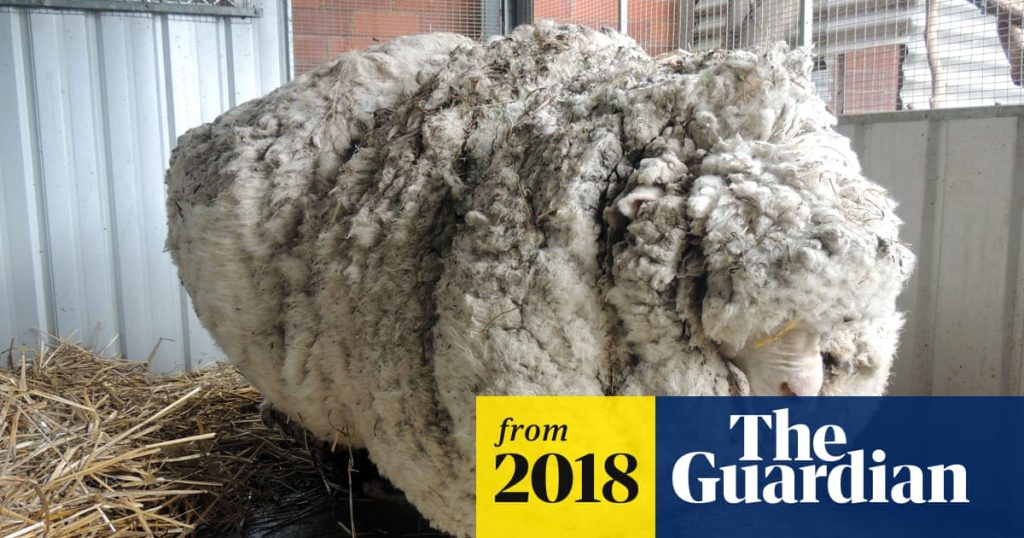
Have you ever wondered if sheep really need to be sheared? If you’re curious about how sheep stay healthy and comfortable, you’re in the right place.
Shearing isn’t just about collecting wool—it’s essential for the sheep’s well-being. You’ll discover why shearing matters, what happens if it’s skipped, and how it affects your sheep’s life. Keep reading to learn the surprising reasons behind this simple but important task.
Why Shearing Matters
Shearing is an essential part of sheep care. It helps maintain their health and comfort. Without shearing, sheep can face many issues.
Understanding why shearing is important can help sheep thrive. Let’s explore the reasons.
Wool Growth And Sheep Health
Sheep naturally grow wool. It keeps them warm in cold weather. But too much wool can be harmful.
Thick wool can trap dirt and moisture. This can lead to skin infections and parasites. Regular shearing helps prevent these problems.
- Excess wool causes skin infections
- Parasites thrive in thick wool
- Shearing keeps sheep clean and healthy
Preventing Overheating And Discomfort
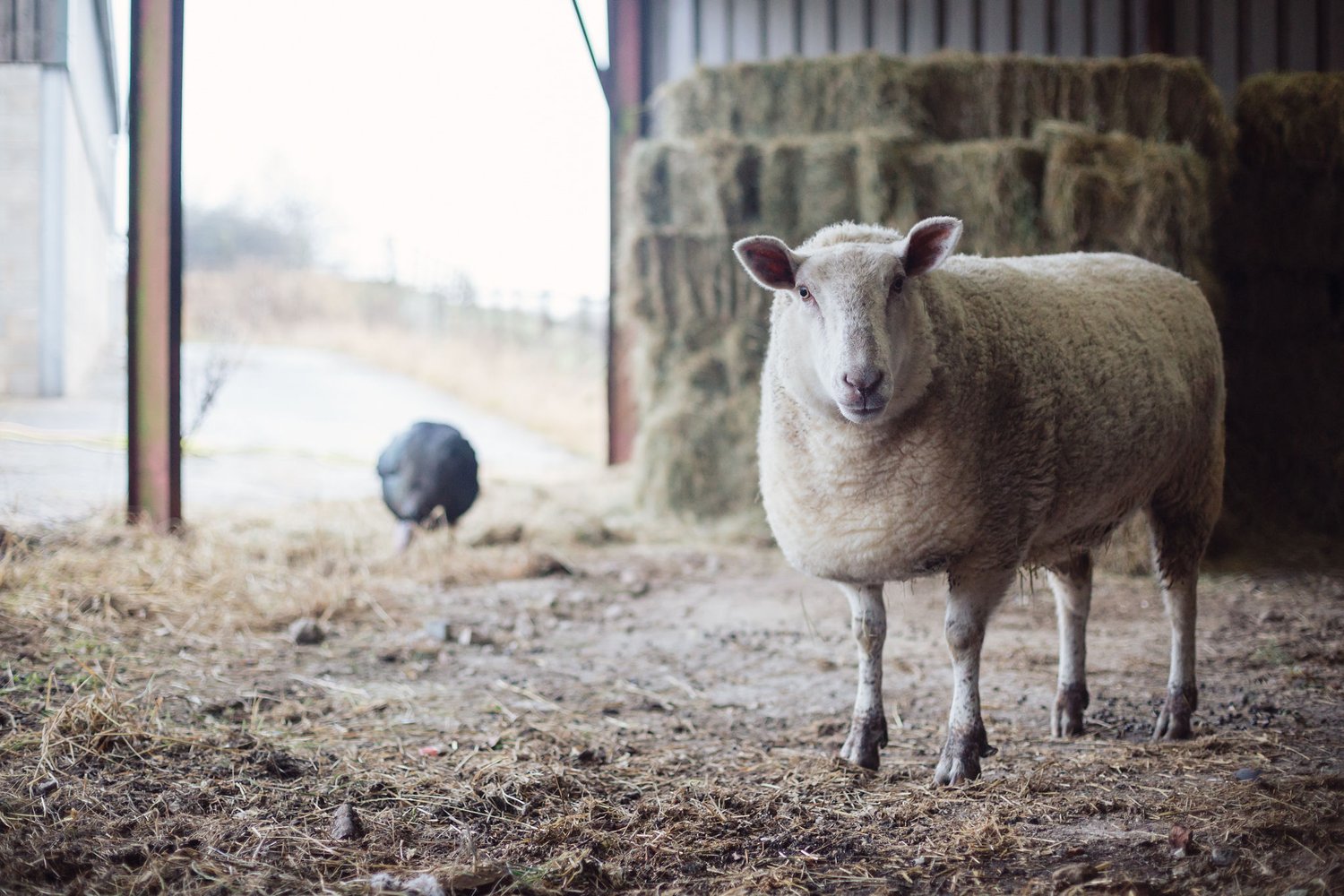
In warmer months, too much wool makes sheep hot. They can overheat easily without shearing.
Overheating causes stress and discomfort. It can even be life-threatening. Shearing helps keep sheep cool and comfortable.
- Shearing prevents overheating
- Reduces stress in warm weather
- Ensures sheep comfort and safety
Credit: www.surgesanctuary.org
Signs Sheep Need Shearing
Shearing sheep is important for their health and comfort. Knowing when to shear helps keep sheep safe from heat and parasites.
There are clear signs to watch for that show sheep need shearing. These signs relate to their wool and behavior.
Wool Length And Condition
One sign sheep need shearing is when their wool grows very long. Thick wool can make it hard for sheep to stay cool in warm weather.
Wool that looks dirty or matted also means it is time to shear. Matted wool can trap dirt and pests, which can hurt the sheep.
- Wool longer than 3 inches often needs shearing
- Clumps or mats in wool show poor condition
- Dirty or smelly wool signals the need to shear
Behavioral Changes In Sheep
Sheep may act differently when they need shearing. They might seem restless or uncomfortable because their wool is heavy.
Some sheep will try to scratch or rub against objects more. This helps them relieve itching caused by thick or dirty wool.
- Restlessness or unusual movement
- More scratching or rubbing behavior
- Less activity or signs of discomfort
Shearing Frequency And Timing
Shearing sheep is important to keep them healthy and comfortable. The timing and how often sheep need shearing depend on several factors. Knowing these helps farmers care for their animals properly.
Sheep grow wool at different rates. This means some need shearing more often than others. It is best to plan shearing times to match the sheep’s needs and the environment.
Seasonal Considerations
Season affects when you should shear sheep. Shearing too late in cold weather can make sheep cold. Shearing in warm weather helps keep sheep cool and clean.
- Spring is the most common time for shearing. Wool grows thick during winter.
- Summer shearing helps sheep stay cool during hot months.
- Avoid shearing in late fall to protect sheep from cold weather.
- Check local climate to choose the best shearing time.
Age And Breed Factors
Sheep age and breed change how often they need shearing. Younger sheep may have softer wool that grows faster. Some breeds grow thick wool needing more frequent shearing.
| Breed | Shearing Frequency | Notes |
| Merino | Twice a year | Wool grows fast, thick fleece |
| Romney | Once a year | Medium wool growth |
| Lincoln | Once a year | Long wool, grows slower |
| Lambs (under 1 year) | Depends on breed | Watch wool growth closely |
Shearing Techniques And Tools
Shearing is the process of cutting wool off sheep. It helps keep sheep healthy and cool.
Farmers use different tools and ways to shear sheep. Choosing the right method is important.
Manual Vs. Electric Shearing
Manual shearing uses hand tools like blades. It takes more time and skill to do well.
Electric shearing uses powered clippers. It is faster and easier for large flocks.
- Manual shearing is quiet and simple but slow
- Electric shearing is faster but needs power and maintenance
- Manual tools need sharpening often
- Electric clippers need cleaning and oiling
Safety Tips For Sheep And Farmers
Shearing can hurt sheep or farmers if done carelessly. Safety is very important.
Use sharp tools to avoid pulling wool. Keep sheep calm and steady during shearing.
- Wear protective clothing like gloves and boots
- Keep tools clean and sharp
- Handle sheep gently to reduce stress
- Take breaks to avoid tiredness
- Work in a clean, dry place to prevent slips
After Shearing Care
Shearing removes the sheep’s wool, exposing their skin. This change needs careful attention.
Proper care helps keep sheep healthy and comfortable after shearing.
Managing Skin Exposure
After shearing, sheep skin is more open to the sun and cold. Protecting it is important.
Provide shade to avoid sunburn and shelter to keep sheep warm in cold weather.
- Keep sheep indoors or in shaded areas on hot days
- Use windbreaks or shelters in cold or windy weather
- Check skin daily for redness or irritation
Preventing Infections And Injuries
Freshly shorn skin can get cuts or infections easily. Clean areas reduce risks.
Use clean bedding and avoid rough surfaces to protect the skin from damage.
- Inspect sheep for cuts or scratches after shearing
- Apply antiseptic if you find any wounds
- Keep the area dry and clean to prevent infections
Consequences Of Not Shearing
Shearing sheep is an important task in sheep care. Not shearing can cause serious problems for the animals. This article looks at the main consequences of skipping shearing.
Understanding these risks helps farmers keep their sheep healthy and comfortable throughout the year.
Health Risks For Sheep
When sheep are not sheared, their wool grows very thick. This can lead to many health problems that affect their well-being.
- Overheating:Thick wool traps heat, causing sheep to get too hot in warm weather.
- Skin infections:Dirt and moisture build up under the wool, leading to infections.
- Parasite infestations:Uncut wool offers a safe place for parasites like lice and ticks.
- Restricted movement:Heavy wool can make it hard for sheep to move freely.
- Flystrike:Flies lay eggs in dirty wool, and maggots can harm the sheep’s skin.
Impact On Wool Quality
Not shearing wool on time affects the quality and value of the wool. Overgrown wool becomes damaged and less useful.
| Effect | Description | Result |
| Matting | Wool fibers tangle and form clumps | Hard to clean and process |
| Staining | Wool picks up dirt and debris | Lower market value |
| Wool Breakage | Fibers weaken and break | Less durable wool |
| Excess Weight | Heavy wool strains sheep | Less comfortable animal |
Wool Uses And Benefits
Sheep wool is a valuable natural resource with many uses. It keeps people warm and is used in many products.
Knowing why wool is important helps farmers and the environment. Wool needs to be sheared regularly for best use.
Economic Value For Farmers
Wool is a key product for many farmers. It provides steady income and supports rural economies.
- Wool sells well in markets worldwide.
- It can be processed into yarn and fabric.
- Shearing keeps sheep healthy and productive.
- Farmers can sell wool multiple times a year.
- Wool products create jobs in textile industries.
Environmental Advantages
Wool is eco-friendly and renewable. It helps reduce waste and pollution.
| Environmental Benefit | Description |
| Biodegradable | Wool breaks down naturally in soil. |
| Renewable Resource | Sheep produce new wool yearly. |
| Energy Efficient | Wool insulation reduces heating needs. |
| Reduced Plastic Use | Wool replaces synthetic fibers. |
| Soil Health | Sheep grazing supports grassland ecosystems. |

Credit: www.reddit.com
Credit: www.youtube.com
Frequently Asked Questions
Why Do Sheep Need To Be Sheared Regularly?
Sheep need shearing to remove their wool, which grows continuously. Without shearing, their wool can become heavy and cause health issues like overheating and infections.
How Often Should Sheep Be Sheared Annually?
Most sheep should be sheared at least once a year, typically in spring. This timing helps keep them comfortable through warmer months and prevents wool overgrowth.
Can Sheep Survive Without Being Sheared?
Sheep can survive without shearing but often suffer from wool-related problems. Excess wool can cause discomfort, overheating, and increase the risk of parasites and infections.
What Happens If Sheep Are Not Sheared On Time?
If sheep are not sheared timely, their wool becomes matted and heavy. This can lead to mobility issues, skin infections, and difficulty regulating body temperature.
Conclusion
Sheep need regular shearing to stay healthy and comfortable. Their wool grows fast and can cause problems if not cut. Shearing helps prevent overheating and skin issues. It also keeps sheep clean and free from pests. Farmers should shear sheep at least once a year.
This simple care step supports sheep’s well-being. Taking time to shear sheep protects them through all seasons. A well-sheared sheep is happier and healthier overall.