
Have you ever found yourself with an abundance of cider and wondered, “Can you freeze cider?” You’re not alone!
Whether you’ve stocked up on your favorite fall beverage or simply want to preserve its crisp, refreshing taste, the question of freezing cider might have crossed your mind. Freezing can be a fantastic way to extend the life of many foods and drinks, but does it work for cider?
Before you pour that apple goodness into your ice trays, let’s explore the science and practicalities behind freezing cider. You might discover some surprising benefits and tips that can elevate your cider experience. Ready to unlock the secrets to perfectly preserved cider? Keep reading to find out!
Freezing Cider Basics
Freezing cider can be a handy way to preserve it for later, especially if you have more than you can drink right away. However, understanding the basics of freezing cider helps you keep its taste and texture as close to fresh as possible. Let’s look at what happens when cider freezes and which types handle the cold best.
How Freezing Affects Cider
Freezing cider changes its texture and flavor. When cider freezes, the water inside forms ice crystals, which can break the delicate balance of flavors you enjoy. This often results in a thinner taste once thawed.
Carbonated ciders lose their fizz after freezing. If you’re a fan of bubbly cider, freezing might leave you with a flat drink. Also, the freeze-thaw cycle can separate the ingredients, causing sediment to form.
Have you ever frozen a drink and noticed it tastes different afterward? That’s because freezing affects the natural sugars and acids in cider. To keep the best flavor, freeze cider quickly and thaw it slowly in the fridge.
Types Of Cider Suitable For Freezing
Not all ciders freeze equally well. Dry ciders with lower sugar content tend to freeze better than sweet or flavored ones. High sugar levels can make the cider syrupy or overly sweet after thawing.
Still ciders, which don’t have carbonation, generally hold up better during freezing. Sparkling ciders, while delicious fresh, often lose their sparkle and mouthfeel after freezing.
- Dry, still cider:Best option for freezing, maintains flavor and texture.
- Semi-sweet cider:Can be frozen but may taste sweeter or syrupy after thawing.
- Sparkling cider:Not recommended if you want to keep the bubbles.
- Flavored cider:Freezing may dull or alter fruit flavors.
Think about what you want from your cider after freezing. Are you aiming to keep its original taste or just want to avoid waste? Your choice will guide which cider to freeze and how to handle it.

Credit: www.tasteofhome.com
Preparing Cider For Freezing
Preparing cider for freezing is essential to keep its flavor and texture intact. The right preparation prevents freezer burn and unwanted changes in taste. You want your cider to taste fresh even after thawing, so careful handling is key.
Choosing The Right Container
Pick containers that won’t crack or leak in the freezer. Glass jars with wide mouths or heavy-duty plastic containers work well. Avoid thin plastic bottles because they can become brittle and break when frozen.
Consider the size of your containers. Smaller portions freeze faster and thaw more evenly. This also lets you defrost only what you need, reducing waste.
- Use containers that are freezer-safe and airtight.
- Leave some space at the top to allow the cider to expand as it freezes.
- Label each container with the date to track freshness.
Proper Sealing Techniques
Sealing your cider properly stops air and moisture from spoiling the flavor. A tight seal also protects the cider from absorbing other freezer odors. You can use airtight lids or heavy-duty freezer bags with a strong seal.
If using jars, make sure the lids are screwed on firmly but not overly tight, as pressure changes during freezing can cause lids to pop off. For plastic bags, squeeze out as much air as possible before sealing.
Have you ever tasted cider that seemed off after freezing? It’s often because the container wasn’t sealed well. Taking a little extra time here ensures your cider stays delicious every time you thaw it.
Freezing Process Tips
Freezing cider can be a great way to extend its shelf life and keep that crisp flavor ready for whenever you want it. However, doing it right requires some care to maintain taste and texture. Let’s look at practical tips that help you freeze cider without losing its charm.
Ideal Freezing Temperature
Setting your freezer to the correct temperature is key. Cider freezes best at around -18°C (0°F), which is the standard for most home freezers. This temperature keeps the cider solid without affecting its flavor too much.
Have you noticed how some frozen drinks taste watered down? That often happens when cider isn’t frozen properly. Keeping your freezer steady at the right temperature avoids partial thawing and refreezing, which can harm the cider’s quality.
Avoiding Freezer Burn
Freezer burn can ruin your cider’s flavor and smell. It happens when air reaches the cider during freezing, causing dryness and off tastes. To prevent this, use airtight containers or heavy-duty freezer bags.
- Leave some space at the top of the container to allow cider to expand as it freezes.
- Remove as much air as possible before sealing.
- Label your containers with the date so you use the oldest cider first.
Have you tried freezing cider in small portions? Doing this means you only thaw what you need, reducing the chance of freezer burn from repeated exposure. It’s a simple trick that keeps your cider tasting fresh longer.
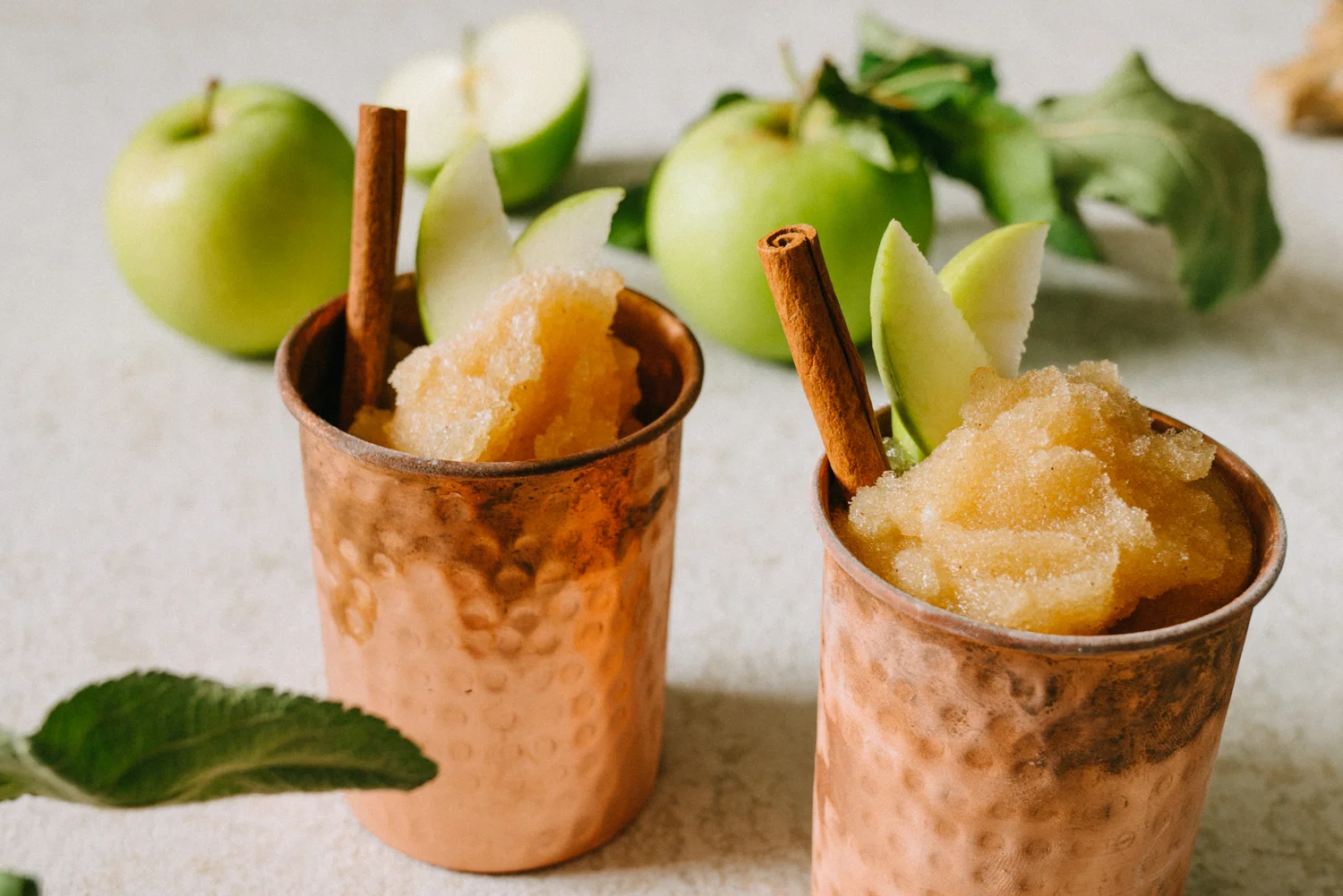
Credit: healthfullyeverafter.co
Thawing Cider Safely
Thawing cider safely is key to enjoying its best taste and texture after freezing. How you thaw it can affect not just the flavor but also the quality of your drink. Taking a careful approach ensures you get a refreshing cider experience every time.
Best Thawing Methods
Thaw cider slowly in the refrigerator to keep its flavor intact. This gentle thawing takes several hours or overnight, but it prevents the cider from warming too quickly and losing its crispness.
If you’re in a hurry, place the sealed cider container in a bowl of cold water. Change the water every 30 minutes to speed up thawing without overheating the cider.
Avoid thawing cider at room temperature or using hot water. These methods can cause the cider to spoil or develop off-flavors quickly.
Maintaining Flavor After Thawing
Once thawed, give your cider a good shake or stir before serving. This helps redistribute any settled particles and restores the drink’s natural balance.
Keep the cider refrigerated after thawing and consume it within 3 to 5 days. Exposure to air or warmth can change the taste and reduce its freshness.
Have you noticed a difference in flavor after thawing cider? Sometimes adding a squeeze of fresh lemon or a cinnamon stick can brighten the taste and mask any subtle flavor changes.
Common Mistakes To Avoid
Freezing cider might seem like a simple way to save it for later, but there are some common mistakes that can ruin your batch. Avoiding these pitfalls ensures your cider stays delicious and safe to drink after thawing. Let’s look at key errors you should watch out for.
Freezing Carbonated Cider
Carbonated cider is tricky to freeze because the bubbles expand when frozen. If you freeze it in a sealed container, pressure can build up and cause the container to burst or explode in your freezer. Have you ever found your freezer a sticky mess after a cider bottle exploded? That’s exactly what happens.
To prevent this, never freeze carbonated cider in a tightly sealed bottle. Instead, transfer it to a container with some room for expansion or let the cider go flat before freezing. This small step saves you from a sticky cleanup and wasted cider.
Refreezing Cider Risks
Refreezing cider after it has thawed is another common mistake. Each freeze-thaw cycle affects the flavor and texture, often making your cider taste dull or watery. Have you noticed how some drinks lose their punch after sitting in the fridge too long? The same happens here.
Additionally, refreezing increases the risk of bacterial growth if the cider has been left out too long. To keep your cider safe and tasty, freeze it in smaller portions so you only thaw what you need. This way, you avoid the temptation to refreeze and compromise quality.

Credit: homebrewersassociation.org
Alternative Preservation Methods
Freezing cider might seem like the easiest way to keep it fresh, but it’s not always the best choice. The texture and flavor can change once thawed, leaving you with a less enjoyable drink. Luckily, there are other ways to preserve your cider that maintain its taste and quality.
Refrigeration Tips
Refrigeration is one of the simplest ways to keep cider fresh for a short period. Make sure to store it in an airtight container to prevent it from absorbing other fridge odors.
Keep your cider upright to minimize oxidation. If you’ve opened the bottle, try to consume it within 7 to 10 days. Have you noticed how cider loses its sparkle after a week? That’s oxidation at work, so tight sealing is key.
Using Cider In Recipes
If you have cider that’s nearing its end, don’t toss it out. You can add it to recipes to give your dishes a unique, fruity twist.
- Use cider as a marinade for pork or chicken to add moisture and tang.
- Add it to sauces or stews for a subtle sweetness.
- Mix cider into baked goods like muffins or cakes for extra flavor.
Have you ever tried simmering cider with cinnamon and cloves to create a warm, spiced syrup? It’s a fantastic way to extend its use and enjoy it in different forms.
Frequently Asked Questions
Can You Freeze Homemade Cider Safely?
Yes, you can freeze homemade cider safely. Use airtight containers to prevent freezer burn. Thaw it slowly in the fridge before use. Freezing may slightly change the cider’s flavor or texture but generally preserves it well for months.
Does Freezing Affect Cider’s Taste Or Quality?
Freezing cider can slightly alter its taste and quality. Some flavors may become muted, and texture might change. However, proper freezing and thawing help retain most of the original flavor. It remains safe and enjoyable to drink after freezing.
How Long Can You Freeze Cider?
You can freeze cider for up to 6 months. After this, its quality may decline. Store it in sealed, freezer-safe containers to maintain freshness. Label containers with the freezing date for easy tracking.
Can Carbonated Cider Be Frozen?
Freezing carbonated cider is not recommended. The carbonation can expand and cause the container to burst. This can create a mess and reduce the cider’s quality. It’s better to consume carbonated cider fresh or chill without freezing.
Conclusion
Freezing cider can be a handy way to save extra drinks. It keeps the cider fresh for a long time. Just use a proper container to avoid spills. Remember, freezing may change the taste a little. Thaw it slowly in the fridge for best results.
This method helps reduce waste and save money. So, freezing cider works well if done right. Try it next time you have leftovers. You might find it very useful.