
Are you wondering how long you can keep ribs in the freezer without losing their taste and quality? You’ve probably stocked up on delicious ribs and want to make sure they stay fresh until you’re ready to cook them.
Knowing the right freezer time can save you from wasting food and money. You’ll discover exactly how long ribs last in the freezer, how to store them properly, and tips to keep them tasting juicy and tender. Keep reading—you’ll never have to guess about frozen ribs again!
Rib Types And Freezing Times
Different types of ribs require different freezing times for the best quality. Knowing the right duration helps keep ribs fresh and tasty. Proper freezing prevents freezer burn and preserves flavor. Below are common rib types and their suggested freezer shelf life.
Pork Ribs Shelf Life
Pork ribs freeze well and keep their taste for months. You can store them safely in the freezer for up to 4 to 6 months. Wrapping tightly in plastic wrap or aluminum foil helps maintain freshness. Use airtight containers or freezer bags for best results.
Beef Ribs Shelf Life
Beef ribs last longer in the freezer than pork ribs. They can stay good for about 6 to 12 months. Proper packaging is key to avoid freezer burn and dryness. Label packages with freezing date to track storage time easily.
Baby Back Ribs Duration
Baby back ribs are smaller and more tender. They generally keep well in the freezer for 3 to 4 months. Use heavy-duty freezer bags or wrap tightly to lock in moisture. Thaw them slowly for best texture and flavor.
Freezing Techniques For Ribs
Freezing ribs properly keeps their taste and texture intact for longer. Using correct freezing techniques stops freezer burn and preserves flavor. Follow simple steps to store ribs safely and enjoy them later.
Wrapping And Sealing Tips
Wrap ribs tightly with plastic wrap or aluminum foil. Ensure no air can reach the meat. Double wrapping helps protect against freezer burn. Place wrapped ribs inside a freezer-safe bag or container. Press out as much air as possible before sealing.
Vacuum Sealing Benefits
Vacuum sealing removes all air around the ribs. This method keeps ribs fresh for months. It prevents freezer burn and locks in moisture. Vacuum-sealed ribs freeze faster and thaw evenly. It is the best option for long-term storage.
Labeling And Dating
Label each package with the date of freezing. Use a permanent marker or freezer tape. Write the type of ribs and freezing date clearly. This helps track how long ribs have been stored. Consume ribs within recommended freezer time for best taste.
Signs Of Frozen Rib Spoilage
Frozen ribs can last a long time, but they do not stay good forever. Knowing the signs of spoilage helps keep your meals safe and tasty. Spoiled ribs can cause sickness, so check them carefully before cooking.
Here are the main signs to watch for when checking frozen ribs.
Color And Texture Changes
Fresh ribs have a deep red or pink color. Spoiled ribs may turn gray, brown, or greenish. The texture can also change. Ribs that feel slimy or sticky are likely spoiled. Dry or hard spots also mean the meat is no longer good.
Odor Indicators
Frozen ribs usually have a mild smell or no smell at all. A strong, sour, or rotten smell means spoilage. Trust your nose. If the ribs smell off, do not eat them.
Freezer Burn Effects
Freezer burn shows as white or gray dry patches on the meat. It happens when ribs lose moisture. These patches make the ribs tough and tasteless. Freezer-burned ribs are safe but may not taste good.

Credit: www.thegoodeatsdiner.com
Thawing Ribs Safely
Thawing ribs safely is essential to keep them fresh and tasty. Improper thawing can cause bacteria to grow, leading to food poisoning. It is important to follow safe methods that maintain the quality of the meat. Here are three safe ways to thaw ribs before cooking.
Refrigerator Thawing Method
Place the frozen ribs in the refrigerator to thaw slowly. Keep them in their original packaging or a sealed container. This method takes time, usually 24 hours for every 5 pounds of ribs.
Refrigerator thawing keeps the ribs at a safe temperature. It prevents bacteria growth and keeps the meat juicy. Plan ahead because this method requires patience.
Cold Water Thawing
Seal the ribs in a leak-proof plastic bag. Submerge the bag in cold water. Change the water every 30 minutes to keep it cold.
This method is faster than refrigerator thawing. It takes about 2 to 3 hours for a full rack of ribs. Cook the ribs immediately after thawing with cold water.
Microwave Thawing
Use the microwave’s defrost setting to thaw ribs quickly. Remove any packaging before microwaving. Check and turn the ribs often to ensure even thawing.
Microwave thawing is the fastest but can partially cook the ribs. Cook the ribs immediately after microwaving to avoid bacteria growth. This method is best for last-minute thawing.
Cooking Frozen Ribs
Cooking ribs straight from the freezer is possible and saves time. It requires some adjustments to ensure the ribs cook evenly and stay juicy. Proper cooking methods help keep the ribs tender and flavorful. Understanding how to handle frozen ribs leads to better results on your plate.
Adjusting Cooking Times
Frozen ribs need extra cooking time compared to thawed ones. Increase the cooking time by about 50%. For example, if ribs usually take 2 hours, cook frozen ribs for 3 hours. Use a meat thermometer to check for doneness. The internal temperature should reach 145°F (63°C) or higher for safety.
Recommended Cooking Methods
Slow cooking methods work best with frozen ribs. Try these options:
- Oven baking at low heat
- Slow cooker or crockpot
- Grilling with indirect heat
These methods allow the ribs to cook evenly while staying moist. Avoid high heat to prevent drying out the meat.
Maintaining Flavor And Texture
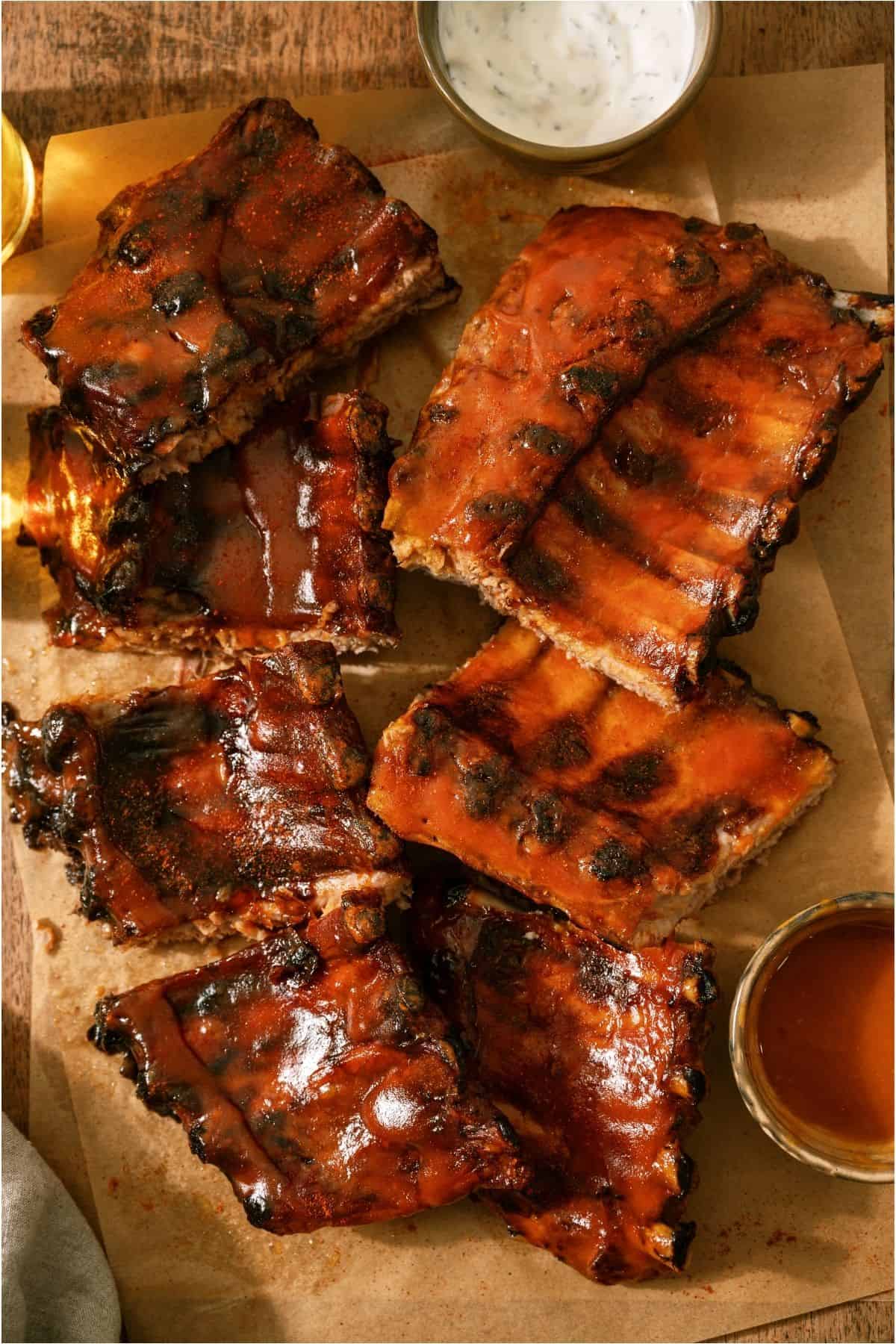
Marinate ribs before freezing to lock in flavor. Use a good dry rub or sauce after cooking for extra taste. Cover ribs tightly with foil during cooking to keep moisture inside. Let ribs rest after cooking for 10 minutes. This helps juices redistribute and improves texture.
Credit: www.sixsistersstuff.com
Maximizing Rib Freshness
Maximizing the freshness of ribs stored in the freezer helps keep their taste and texture at their best. Proper handling and storage techniques prevent freezer burn and loss of flavor. Small changes in how ribs are stored can make a big difference in your eating experience later.
Following simple rules can extend the quality of ribs and make every meal enjoyable.
Storage Temperature Tips
Keep your freezer at or below 0°F (-18°C). This temperature stops bacteria growth and slows down enzyme activity. Use a freezer thermometer to check the temperature regularly. Avoid frequent opening of the freezer door. This keeps the temperature steady and protects the ribs from warming up.
Avoiding Refreezing
Never refreeze ribs after they have thawed. Each freeze-thaw cycle breaks down the meat fibers. This causes dryness and tough texture. Only freeze ribs in portions that you will use at one time. This reduces waste and keeps ribs fresh and juicy.
Using Marinades And Rubs
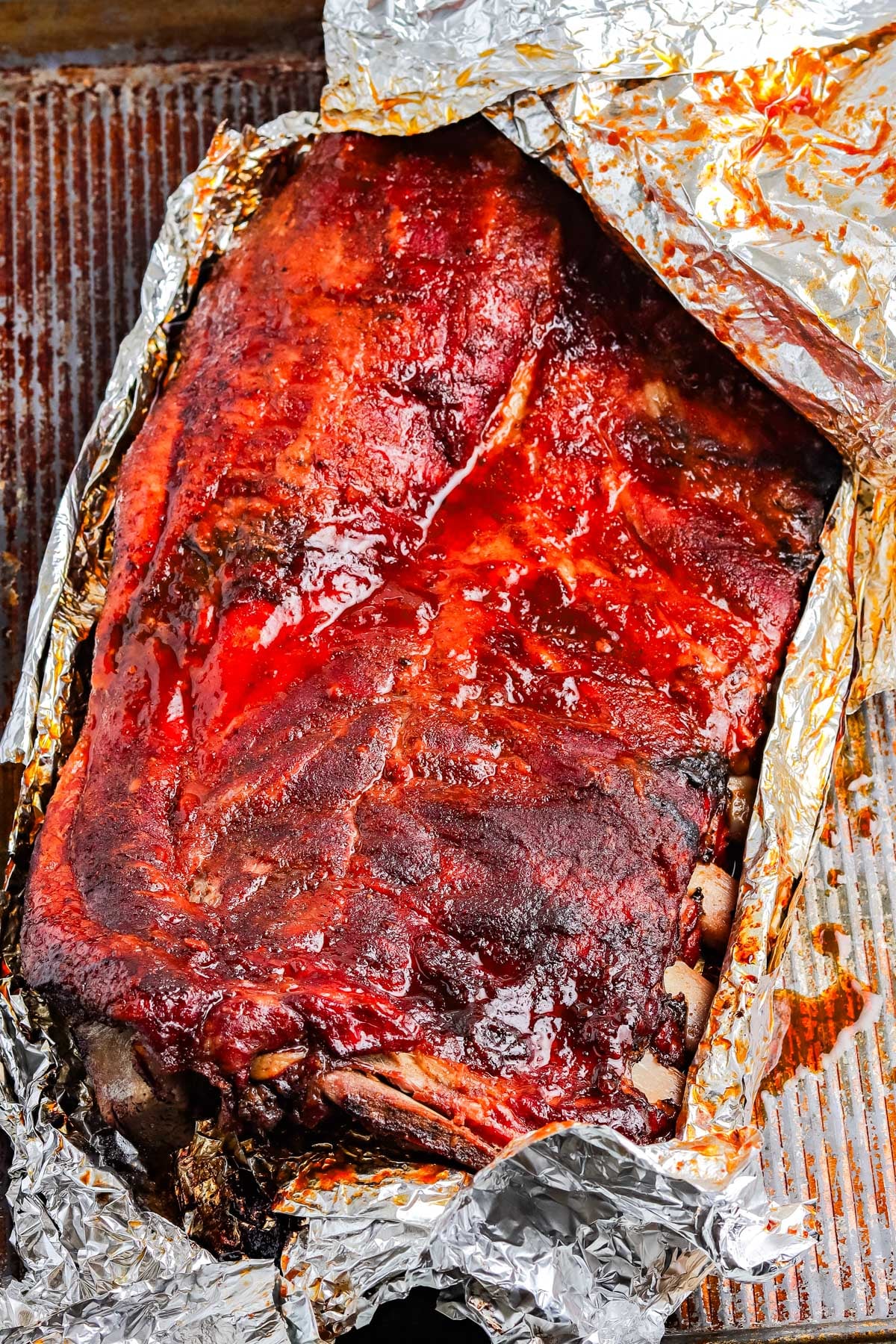
Marinating ribs before freezing can lock in moisture and add flavor. Use simple marinades with oil, vinegar, or citrus juice. Dry rubs with salt, sugar, and spices also help preserve the meat. Apply rubs before freezing to enhance taste. Wrap ribs tightly after adding marinades or rubs to avoid leaks and freezer burn.
Credit: foodfolksandfun.net
Frequently Asked Questions
How Long Can Ribs Stay Frozen Safely?
Ribs can safely stay frozen for up to 4 to 6 months. Beyond this, quality and taste may decline, though they remain safe if properly stored.
Do Frozen Ribs Lose Flavor Over Time?
Yes, frozen ribs gradually lose flavor and texture after 4 to 6 months. Proper wrapping helps preserve taste and prevent freezer burn.
Can I Refreeze Ribs After Thawing?
Refreezing ribs after thawing is not recommended. It can reduce quality and increase the risk of bacteria growth if not handled properly.
How To Store Ribs For Long Freezer Life?
Wrap ribs tightly in plastic wrap and aluminum foil. Use airtight freezer bags to prevent freezer burn and maintain freshness longer.
Conclusion
Ribs can last a long time when frozen properly. Wrapping them tightly prevents freezer burn. Label packages with the date before storing. Frozen ribs maintain quality for up to 12 months. After that, flavor and texture may decline. Always check for any signs of spoilage before cooking.
Thaw ribs in the refrigerator for best results. This keeps them safe and tasty. Freezing is a great way to save ribs for later meals. Remember these tips to enjoy delicious ribs any time you want. Happy cooking!