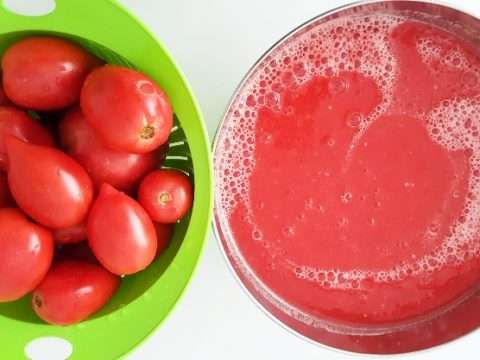
Have you ever opened a can of tomato puree and wondered if you could save the leftovers for later? You might be asking yourself, “Can you freeze tomato puree without losing its flavor or texture?”
If you’ve faced this dilemma, you’re not alone. Knowing how to store tomato puree properly can save you time, reduce waste, and keep your meals tasting fresh. Keep reading, and you’ll discover the simple steps to freeze your tomato puree safely, so you always have this kitchen staple ready whenever you need it.
Credit: www.redgoldtomatoes.com
Why Freeze Tomato Puree
Freezing tomato puree is a smart choice for many home cooks. It helps keep the puree fresh for longer times. This way, you can enjoy the rich taste of tomatoes even when they are not in season. Freezing also saves money by reducing food waste. Preparing meals becomes easier with ready-to-use tomato puree stored in your freezer.
Benefits Of Freezing
- Preserves the natural flavor and nutrients of tomatoes
- Allows you to store large amounts without spoiling
- Makes meal prep faster and more convenient
- Reduces the need for frequent grocery shopping
- Prevents food waste by saving leftovers
Shelf Life Extension
Tomato puree lasts much longer when frozen. It can stay good for up to 6 months in the freezer. This is far longer than keeping it in the fridge. Freezing slows down the growth of bacteria and mold. It helps keep the puree safe to eat for weeks or months. Always store puree in airtight containers or freezer bags for best results.

Credit: m.youtube.com
Best Containers For Freezing
Freezing tomato puree is a smart way to save time and reduce waste, but choosing the right container can make all the difference in preserving its fresh flavor and texture. The container you select should protect the puree from air and moisture while being convenient for storage and use. Let’s look at what works best for freezing tomato puree and how to keep it tasting just as good as fresh.
Choosing The Right Container
Pick containers that seal tightly to keep air out, which helps maintain the puree’s taste and color. Glass jars with airtight lids are excellent because they don’t absorb odors or stains, and you can see the contents clearly. However, make sure to leave some space at the top for expansion as the puree freezes to avoid cracking.
Plastic freezer-safe containers are another good option. Look for BPA-free and sturdy plastics designed for freezing. Silicone containers are flexible and make it easy to pop out frozen puree portions without hassle.
- Use small containers or portion-sized silicone trays to freeze usable amounts
- Label containers with the date to keep track of freshness
- Avoid containers that are too large, as thawing a big batch takes longer and can affect quality
Avoiding Freezer Burn
Freezer burn happens when air dries out the surface of the puree, leading to off flavors and texture changes. To prevent this, press a piece of plastic wrap directly onto the surface before sealing the container. This extra layer limits air exposure and keeps your puree tasting fresh.
Vacuum-sealing is an excellent way to avoid freezer burn if you want to store tomato puree for longer periods. If vacuum sealing isn’t an option, make sure to squeeze out as much air as possible from bags or containers before freezing.
Have you ever noticed a bitter or off taste in your frozen tomato puree? Most likely, it was freezer burn. Taking these simple steps can help you avoid that disappointment and enjoy your homemade puree anytime.
Preparing Tomato Puree For Freezing
Preparing tomato puree for freezing helps keep its fresh taste and texture. Proper preparation stops freezer burn and maintains quality. Taking a few simple steps makes your puree ready for long-term storage.
Cooling And Portioning
Allow the tomato puree to cool completely after cooking or blending. Hot puree can raise freezer temperature and cause uneven freezing. Spread the puree in shallow containers or ice cube trays for quick cooling.
Portioning the puree into smaller amounts helps freeze only what you need later. Use airtight containers or freezer bags to avoid air exposure. Label each container with the date to track freshness.
Adding Preservatives Or Salt
Adding a small amount of salt can enhance flavor and preserve the puree. Use about 1/4 teaspoon per cup of puree for best results. Salt also slows bacterial growth during freezing.
Natural preservatives like lemon juice or vinegar help maintain acidity and color. Add 1 teaspoon of lemon juice per cup of puree. This step improves shelf life and taste after thawing.
Freezing Process Step-by-step
Freezing tomato puree is a smart way to keep your kitchen stocked and reduce waste. The process is simple but requires attention to detail to maintain the puree’s fresh taste and texture. Let’s walk through the freezing process step-by-step to help you get the best results.
Sealing And Labeling
Proper sealing is crucial to prevent freezer burn and preserve flavor. Use airtight containers or heavy-duty freezer bags to store your tomato puree. If using bags, squeeze out as much air as possible before sealing.
Label each container with the date and contents. This little step saves you from guessing later and helps you use older puree first. I once froze a batch without labeling and ended up tossing it months later because I wasn’t sure if it was still good.
Freezer Placement Tips
Where you place your tomato puree in the freezer affects how well it freezes. Keep containers in a flat position to freeze the puree evenly and save space. Avoid stacking containers too tightly until they are fully frozen to prevent sticking together.
Think about how often you will use the puree. Store the most recent batches at the back and older ones in front for easy rotation. Do you have a specific spot in your freezer reserved for homemade sauces? Creating one might make your cooking routine smoother.
Thawing Tomato Puree Safely
Thawing tomato puree safely is important to keep its flavor and prevent foodborne illnesses. Proper thawing helps maintain the puree’s texture and taste. It also stops harmful bacteria from growing. Careful thawing protects your health and keeps your meals tasty.
Recommended Thawing Methods
- Place the frozen puree in the refrigerator overnight. This slow thaw keeps it at a safe temperature.
- Use a microwave on the defrost setting. Stir often to heat evenly and avoid hot spots.
- Put the sealed container in cold water. Change the water every 30 minutes to speed thawing.
Avoiding Bacterial Growth
- Never thaw tomato puree on the kitchen counter. Room temperature encourages bacteria growth.
- Use thawed puree within 24 hours. Do not refreeze it after thawing.
- Keep thawed puree cold until use. Store it in the refrigerator at 40°F (4°C) or below.
Using Frozen Tomato Puree
Using frozen tomato puree can save you time and reduce waste in your kitchen. Once thawed, it’s a versatile base for many dishes like sauces, soups, and stews. However, handling it properly after freezing ensures you get the best taste and texture for your recipes.
Cooking Tips Post-thaw
Thaw frozen tomato puree in the refrigerator overnight for the safest and most even defrosting. Avoid microwaving directly, as it can cause uneven heating and affect the flavor.
Before adding it to your dish, stir the puree well to recombine any separated liquid. This helps maintain a consistent texture in your cooking.
If the puree seems watery after thawing, simmer it gently to reduce excess moisture. This concentrates the flavor and improves the texture.
Flavor And Texture Changes
Frozen tomato puree may taste slightly different after thawing—sometimes a bit less fresh or vibrant. Have you noticed that your sauces sometimes taste dull after using frozen puree? That’s normal, but you can brighten it by adding a pinch of sugar or a splash of vinegar.
The texture might also become a bit grainy or thinner due to ice crystals breaking down the pulp. You can fix this by blending the puree again or cooking it longer to thicken.
Using frozen tomato puree won’t ruin your dish, but adjusting seasoning and cooking time can make a big difference. Have you tried adding fresh herbs or garlic right after thawing? It can help restore some of the original freshness.
Common Mistakes To Avoid
Freezing tomato puree can save time and reduce waste. Still, some common mistakes can spoil the puree or reduce its quality. Avoiding these errors helps keep the puree fresh and tasty. Let’s explore key mistakes to avoid for best results.
Refreezing Issues
Refreezing tomato puree harms its texture and flavor. When puree thaws, ice crystals melt and break cell walls. Refreezing causes more ice crystals, making the puree watery and grainy. Always freeze puree in small portions. Use only what you need each time. Avoid thawing and refreezing repeatedly.
Storage Time Limits
Tomato puree does not stay good forever in the freezer. Over time, its taste and color change. Freeze puree for no longer than 3 to 4 months. Label containers with the freezing date. Use older puree first to prevent spoilage. Long storage can cause freezer burn, which dries out the puree.

Credit: www.express.co.uk
Frequently Asked Questions
Can You Freeze Tomato Puree Safely At Home?
Yes, you can freeze tomato puree safely. Use airtight containers or freezer bags to prevent freezer burn. Label with dates and use within 3-4 months for best quality and flavor.
How Long Does Frozen Tomato Puree Last?
Frozen tomato puree lasts about 3 to 4 months. After this, it may lose flavor and texture but remains safe to eat if stored properly.
Should Tomato Puree Be Thawed Before Cooking?
Thawing tomato puree is recommended for even cooking. You can thaw it overnight in the fridge or warm it gently on the stove.
Does Freezing Change Tomato Puree’s Taste Or Texture?
Freezing may slightly alter tomato puree’s texture, making it a bit watery. However, the taste remains largely unaffected and suitable for cooking.
Conclusion
Freezing tomato puree is a simple and smart choice. It preserves flavor and nutrients. You can enjoy fresh tomato taste any time. Just store it in airtight containers. Label them with the date. Thaw it in the fridge before use.
Add it to your favorite dishes effortlessly. Perfect for soups, stews, and sauces. A convenient way to reduce waste. Save time and money. Keep your meals delicious and vibrant. Try freezing tomato puree today. Enjoy the benefits all year round.