Have you ever wondered whether your batteries are at risk when the temperature drops? Picture this: it’s a frosty winter morning, and you grab your flashlight for an early walk, only to discover it won’t turn on.
Could the culprit be a frozen battery? You might be surprised to learn how temperature can affect the everyday batteries you rely on. Understanding this could save you from unexpected inconveniences and even extend the life of your batteries. We’ll delve into whether batteries can indeed freeze, what happens when they do, and how you can protect them, ensuring you’re never left in the dark.
Get ready to uncover the truths about battery care in cold weather, because what you find out might just change how you handle your gadgets during winter!
Credit: ca.renogy.com
How Cold Affects Battery Performance
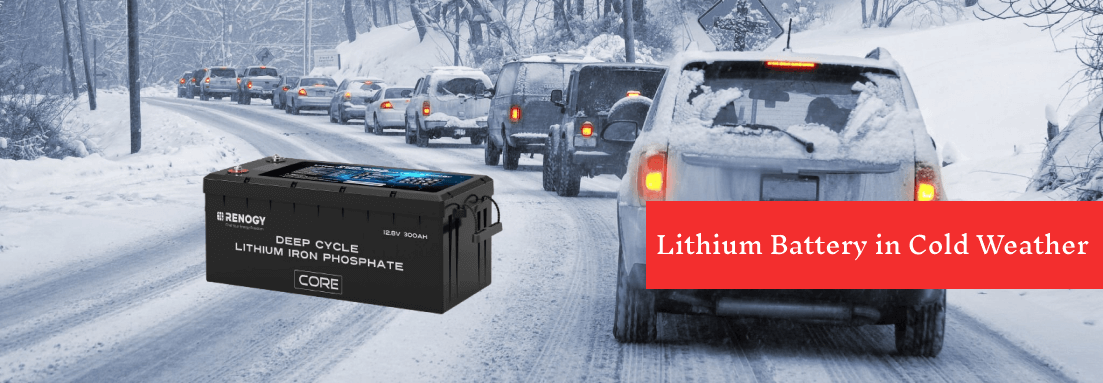
Cold weather can have a surprising impact on your battery’s performance. You might notice your phone or car battery struggling more during chilly days. Understanding how cold affects batteries can help you take steps to keep them working efficiently, even in freezing conditions.
Chemical Reactions Slow Down
Batteries rely on chemical reactions to generate power. When temperatures drop, these reactions slow down significantly.
This means your battery produces less current and may appear weaker than usual. Have you ever felt your phone battery drain faster outside on a cold day? That’s the slowed chemistry at work.
Even though the battery isn’t damaged, the reduced reaction speed limits its ability to deliver energy quickly. Keeping your battery warm can help maintain its chemical activity and performance.
Capacity Loss In Low Temperatures
Cold temperatures reduce the overall capacity of your battery. This means it holds less charge and drains faster, even if it seems fully charged.
For example, car batteries can lose up to 50% of their capacity below freezing. You might find your device shuts down unexpectedly or needs frequent charging.
Simple actions like storing batteries indoors or using insulated cases can help preserve capacity. Have you tried warming your battery gently before use? It can make a noticeable difference.

Credit: ipowerqueen.com
Can Batteries Actually Freeze?
Batteries are a key part of many devices, from phones to cars. People often wonder if cold weather can cause batteries to freeze. Understanding if batteries freeze helps protect them and keep devices working well. The answer depends on the type of battery and how cold it gets.
Freezing Points Of Different Battery Types
Batteries have different chemicals inside them. Each type reacts differently to cold temperatures. Some batteries can freeze, while others resist freezing better.
- Alkaline batteries:Usually freeze around -20°C (-4°F). They can still work but may lose power.
- Lead-acid batteries:Found in cars and can freeze below -40°C (-40°F) if fully charged.
- Lithium-ion batteries:Common in phones and laptops. They do not freeze easily but lose capacity at 0°C (32°F).
- Nickel-metal hydride (NiMH):Freeze near -20°C (-4°F) and may suffer damage if frozen solid.
What Happens When A Battery Freezes
Freezing can damage a battery’s internal parts. Water inside the battery expands as it freezes. This expansion can crack the battery casing or harm the chemicals inside.
Frozen batteries often show reduced performance. They may lose the ability to hold a charge or deliver power. In some cases, freezing can cause permanent damage.
Cold temperatures slow down the chemical reactions inside batteries. This means less energy is available for your device. The battery may appear dead but can recover after warming up.
Signs Of A Frozen Battery
Recognizing the signs of a frozen battery early can save you from unexpected breakdowns and costly repairs. Batteries exposed to extreme cold behave differently, and identifying these changes quickly helps you take action before damage worsens. Let’s look at the clear indicators that your battery might be frozen.
Physical Changes To Look For
A frozen battery often shows visible signs that are hard to ignore. You might notice the battery case swelling or bulging, which happens because the electrolyte inside expands as it freezes.
Cracks or leaks on the battery surface are another red flag. These issues not only reduce battery performance but can also be dangerous due to acid leaks. Check the battery terminals too—frost or ice buildup around them can indicate freezing conditions.
If you see any of these physical changes, it’s a strong signal that your battery has been compromised by the cold. Ignoring these signs can lead to permanent battery damage.
Performance Issues Indicating Freezing
Your car might struggle to start or fail to start at all if the battery is frozen. You could hear a slow, labored clicking noise when you turn the key instead of the usual smooth engine crank.
Another clue is the dimming of dashboard lights and headlights. Frozen batteries can’t deliver sufficient power, causing electrical systems to falter. You might also notice that the battery voltage reads significantly lower than usual when tested with a multimeter.
Have you ever wondered why your battery suddenly dies on the coldest mornings? These performance issues often hint that freezing temperatures have affected your battery’s ability to function properly.
Preventing Battery Freeze
Battery freeze can cause serious damage and reduce battery life. Taking simple precautions helps protect batteries during cold weather. Proper storage and insulation keep batteries working well and avoid freezing risks.
Storage Tips For Cold Weather
Store batteries in a cool, dry place above freezing temperature. Avoid leaving batteries outside or in unheated areas. Keep batteries away from moisture and direct contact with cold surfaces.
Use airtight containers to reduce humidity exposure. Check batteries regularly for any signs of damage or corrosion. Remove batteries from devices not in use for long periods.
Using Battery Warmers And Insulation
Battery warmers help maintain a safe temperature in freezing conditions. Use electric warmers designed for batteries to provide gentle heat. Wrap batteries in insulating materials like foam or fleece to trap heat.
Insulation reduces temperature drops and prevents ice formation inside batteries. Combine insulation with warmers for best results in extreme cold. Always follow manufacturer instructions for safe use of warmers and insulation.
Reviving A Frozen Battery
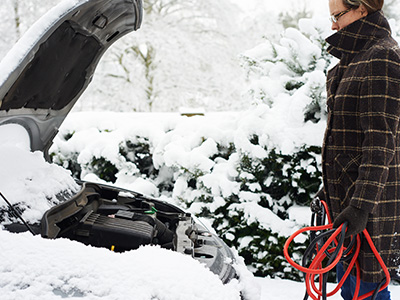
Dealing with a frozen battery can be frustrating, especially when you need your device or vehicle to work immediately. But before you give up on it, there are ways to bring it back to life safely. Understanding how to revive a frozen battery can save you time, money, and the hassle of replacements.
Safe Thawing Techniques
Thawing a frozen battery requires patience and care. Avoid using direct heat sources like open flames or hair dryers, as rapid temperature changes can damage the battery further.
Instead, try these safer options:
- Move the battery to a warmer room with a stable temperature.
- Place it near, but not on, a gentle heat source like a radiator or heating vent.
- Wrap the battery in a towel to trap gentle heat and speed up thawing.
During the thawing process, keep checking the battery’s temperature regularly. Once it feels warm to the touch but not hot, you can attempt to charge it slowly. This cautious approach reduces the risk of permanent damage and gives your battery a better chance to recover.
When To Replace Instead
Sometimes, a frozen battery can’t be saved despite your best efforts. If the battery fails to hold charge or shows visible signs of damage like cracks or bulging, it’s time to replace it.
Ask yourself these questions:
- Has the battery been frozen for an extended period?
- Does it fail to power your device or vehicle after thawing and charging?
- Are there any leaks or corrosion on the battery terminals?
If you answered yes to any of these, replacing the battery is safer and more reliable. Continuing to use a compromised battery can lead to further damage or even safety hazards. Investing in a new battery ensures consistent performance and peace of mind.
Credit: www.batteriesplus.com
Batteries In Extreme Cold Climates
Batteries often struggle in extreme cold climates, where freezing temperatures can drastically reduce their performance and lifespan. The chemical reactions inside a battery slow down as the temperature drops, leading to less power output and longer charging times. Understanding how batteries behave in these harsh conditions can help you choose the right type for your needs and avoid unexpected failures.
Special Battery Technologies
Some batteries are designed specifically to handle freezing temperatures better than standard types. Lithium-ion batteries with specialized electrolytes can operate efficiently even below -20°C (-4°F), maintaining capacity and charge rates.
Other technologies include:
- Nickel-metal hydride (NiMH) batteries:More tolerant to cold but with lower overall energy density.
- Solid-state batteries:Emerging tech with solid electrolytes that resist freezing.
- Thermally insulated battery packs:Used in electric vehicles to keep batteries warm during cold starts.
If you’ve ever left your phone outside in winter and found it dead or extremely slow to charge, that’s a sign your battery isn’t designed for cold weather. Choosing the right battery tech can prevent these frustrating moments.
Real-world Use Cases
Consider how people living in Arctic regions power their devices and vehicles. They rely on battery systems that include built-in heaters or insulation to maintain optimal temperatures. This setup ensures reliable performance even during weeks of sub-zero weather.
Electric vehicle owners in cold climates often preheat their cars while plugged in to keep the battery warm. This simple step can significantly extend driving range and battery health.
Have you ever wondered why some outdoor equipment, like GPS units or cameras, come with battery warmers? These practical tools prevent cold-related power drops and keep your gear ready when you need it most.
Frequently Asked Questions
Will Car Batteries Freeze In Cold Weather?
Car batteries can freeze if their charge is low and temperatures drop below 32°F (0°C). A fully charged battery is less likely to freeze due to the antifreeze properties of the electrolyte. Cold weather reduces battery efficiency but does not usually cause freezing in healthy batteries.
How Does Freezing Affect Battery Performance?
Freezing temperatures slow down chemical reactions inside batteries, reducing their capacity and output. This leads to slower starts and shorter battery life. Some battery types are more resistant to freezing, but overall, cold weather negatively impacts battery performance and reliability.
Can Frozen Batteries Be Revived Safely?
Yes, frozen batteries can sometimes be revived by warming them gradually to room temperature. Avoid rapid heating as it can cause damage or leaks. If a battery is severely frozen or damaged, replacement is safer and more effective than attempting revival.
Which Batteries Are Most Freeze-resistant?
Lithium-ion batteries have better freeze resistance compared to lead-acid batteries. They maintain performance at lower temperatures and are commonly used in cold climates. However, all batteries experience some capacity loss in freezing temperatures, so proper insulation is still recommended.
Conclusion
Batteries can freeze in very cold weather. Freezing lowers their power and life. Keep batteries warm to help them work well. Store them inside or in insulated places. Check battery health before cold seasons arrive. Taking care of batteries saves money and trouble.
Cold weather does not always stop batteries. Proper use keeps devices running in winter. Stay prepared and avoid battery problems during cold days.