Picture this: it’s a hot summer day, and you’re craving a refreshing slushy. You’ve got your favorite flavors ready, and your slush machine is set up.
But as you eagerly anticipate that first icy sip, a question pops into your mind – how long does a slush machine take to freeze? This isn’t just about satisfying your taste buds; it’s about timing it just right to savor that perfect slushy texture.
Understanding the freezing time can mean the difference between a delightful treat and a watered-down disappointment. In this guide, we’ll dive into the factors that affect freezing time, helping you become a slushy-making expert. You’ll learn how to optimize your machine’s performance, ensuring you get that perfect slushy consistency every time. Ready to discover the secrets to the ultimate frozen treat? Let’s get started!
Credit: www.chefsdeal.com
Slush Machine Basics
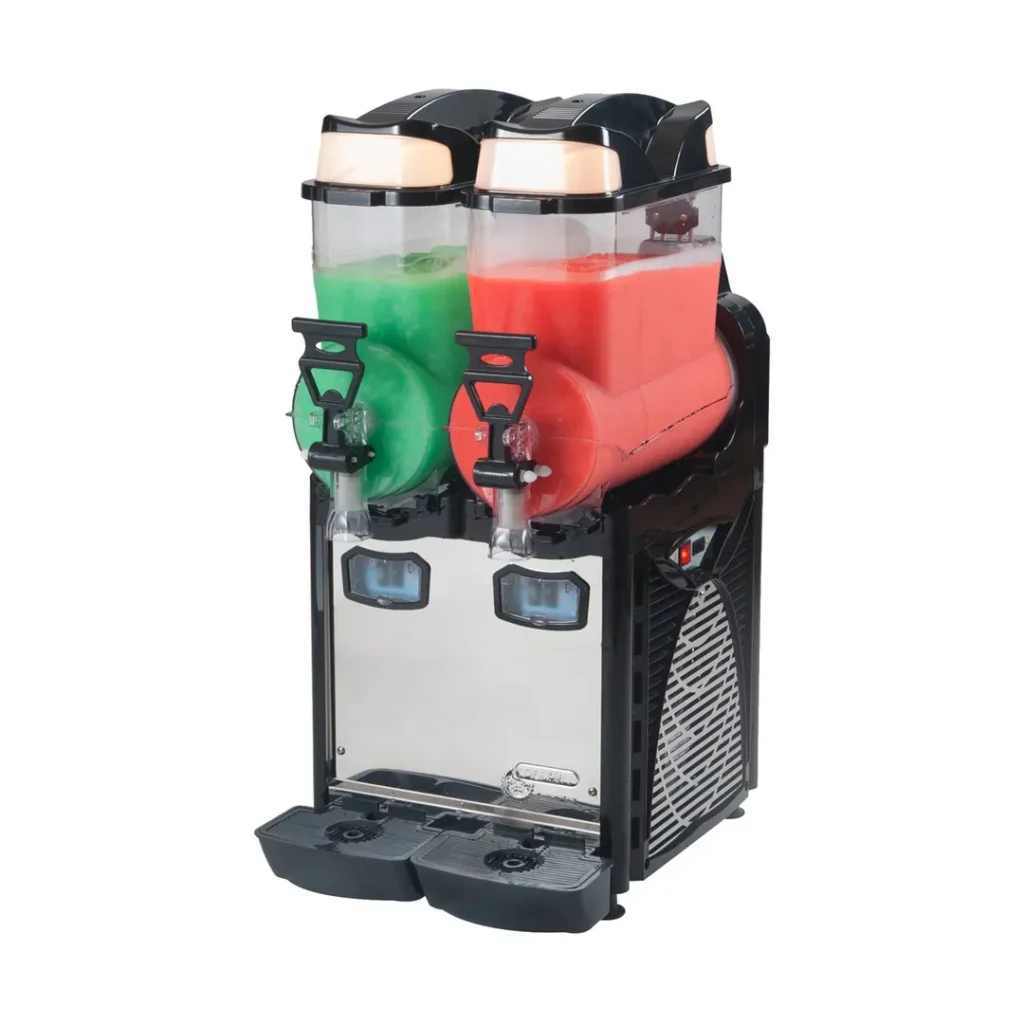
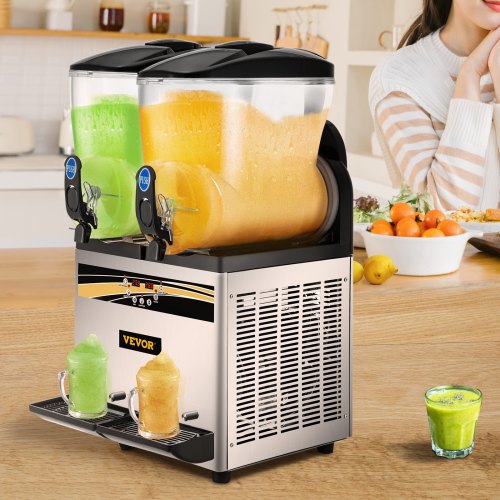
Understanding the basics of a slush machine helps to know how long it takes to freeze. These machines are designed to turn liquids into icy slush. They work by cooling and stirring the liquid continuously. This process stops the liquid from freezing solid and keeps it in a soft, slushy state. Knowing the parts and how they work can explain the freezing time.
Key Components
- Freezing Cylinder:The container where the liquid freezes.
- Cooling System:Uses refrigerant to lower the temperature.
- Agitator:A rotating part that stirs the mixture.
- Compressor:Powers the cooling system to keep temperatures low.
- Control Panel:Allows you to set and monitor temperatures.
Freezing Mechanism
The cooling system chills the liquid inside the freezing cylinder. The compressor circulates refrigerant to remove heat. The agitator spins to mix the liquid and ice crystals. This stops the mixture from freezing solid and keeps it soft. The process takes time depending on the machine’s power and liquid volume.
Credit: www.vevor.ca
Factors Affecting Freeze Time
Several factors influence how fast a slush machine freezes the mixture. Understanding these helps set the right expectations. Freeze time varies based on machine and environment conditions. Each factor plays a unique role in the freezing process.
Machine Size And Capacity
Larger machines need more time to freeze bigger volumes. Small machines freeze faster due to less liquid inside. Capacity impacts how quickly the slush mix reaches the right temperature. Always consider your machine’s size for accurate freeze time.
Initial Temperature Of Ingredients
Starting with cold ingredients reduces freeze time. Warm or room-temperature liquids take longer to cool. Using chilled water or mix helps speed up freezing. The colder the starting mix, the faster the slush forms.
Ambient Temperature
Room temperature affects machine efficiency and freeze speed. Hot environments slow down the freezing process. Cooler rooms help the machine work better and faster. Keep the machine in a cool place for best results.
Type Of Slush Mix
Different mixes freeze at different rates. Sugary or thick mixes take longer to freeze. Water-based mixes freeze faster than heavy syrup blends. Check the mix ingredients for a better idea of freeze time.
Typical Freeze Time Range
Understanding the typical freeze time range of a slush machine helps you plan better for events or daily use. The freezing process is not instant, and knowing how long your machine takes can prevent unnecessary waiting or product waste.
Average Freezing Duration
Most slush machines take between 20 to 40 minutesto freeze the mixture to the right consistency. This depends on the initial temperature of the liquid and the ambient room temperature.
If you pour in a warm mixture, expect the process to take closer to 40 minutes. Colder liquids can speed things up, sometimes freezing in about 20 to 25 minutes.
Have you noticed your slush takes longer sometimes? It’s often due to the machine’s pre-cooling status or how frequently the machine is used back-to-back.
Variations By Model
Different slush machine models have unique freezing times. Smaller, countertop machines might freeze faster but produce less volume.
On the other hand, commercial-grade machines designed for high output can take longer but keep the slush at a consistent temperature for hours. Some advanced models come with faster freeze technology that can cut down freezing time by 10 to 15 minutes.
Checking your machine’s manual for specific freeze times can save you from guessing. What features does your machine have that affect freezing speed? Understanding this can help you optimize your slush making process.

Credit: vankool.com
Quick Freezing Tips
Freezing slush quickly saves time and keeps customers happy. Small changes can speed up the process. Follow these tips to get faster results without losing quality.
Pre-chill Ingredients
Cold ingredients freeze faster. Store your slush mix in the fridge before use. Avoid using warm liquids. This step reduces freezing time and improves texture.
Maintain Optimal Machine Temperature
Set the machine to the right temperature. Too cold can freeze the mix too hard. Too warm slows down freezing. Check the manual for the best setting. Keep the machine environment cool for steady performance.
Use Proper Mix Ratios
Follow the recommended mix ratios. Too much sugar or syrup can slow freezing. Too little can cause icy or watery slush. Measure ingredients carefully. Balanced mixes freeze evenly and taste better.
Regular Machine Maintenance
Clean the machine after each use. Remove any build-up that blocks cooling. Check the compressor and fans often. Fix small issues early to keep freezing fast. Well-maintained machines work better and last longer.
Troubleshooting Slow Freezing
Slow freezing in your slush machine can be frustrating, especially when you’re eager to serve up those icy treats. Understanding why your machine takes longer than expected to freeze can save you time and prevent wasted ingredients. Let’s look at what might be causing the delay and how you can fix it quickly.
Common Causes
- Incorrect Temperature Settings:If the temperature is set too high, the mixture won’t freeze properly.
- Dirty or Frosted Freezing Cylinder:Build-up inside the freezing chamber can reduce freezing efficiency.
- Low Refrigerant Levels:A leak or insufficient refrigerant slows down the cooling process.
- Overfilled Machine:Filling beyond the recommended level makes it harder for the machine to freeze evenly.
- Old or Worn Out Components:Parts like the compressor or thermostat can wear out and affect freezing speed.
Simple Fixes
Start by checking and adjusting the temperature controls to the recommended settings. This small change often speeds up freezing.
Clean the freezing cylinder regularly. Removing frost and residue allows the machine to work at full capacity.
If you suspect refrigerant issues, it’s best to contact a professional technician. Handling refrigerant requires specialized skills and tools.
Never exceed the maximum fill line. This ensures the mixture freezes evenly and prevents strain on the machine.
Regular maintenance is key. Inspect and replace worn parts to keep your slush machine running smoothly.
Have you ever noticed your slush machine freezing slower on hot days? Temperature and machine condition often go hand in hand. Paying attention to these details can make all the difference.
Energy Efficiency And Freeze Time
Energy efficiency plays a key role in how fast a slush machine freezes the mixture. Machines that use less power might take longer to freeze. Those with higher power often freeze faster but can consume more energy. Finding a balance between freeze time and energy use helps save money and reduces environmental impact.
Balancing Speed And Power Use
Slush machines vary in power levels. High-power machines freeze slush quickly. They use more electricity during operation. Lower-power machines save energy but take more time to freeze. The best choice depends on how often the machine runs and energy costs.
Some models include adjustable settings. You can change speed or cooling power. Slowing freeze time saves energy but delays serving. Increasing power speeds up freezing but raises costs. Smart settings help balance these needs.
Energy-saving Practices
Simple actions reduce energy use and freeze time. Keep the machine clean and well-maintained. Dirty coils or parts make freezing harder. Use the machine in a cool, shaded spot. Avoid placing it near heat sources.
Turn off the machine when not in use. Pre-chill the slush mixture before adding it. This reduces the machine’s workload. Use energy-efficient models with good insulation. These keep cold longer and use less power.
Frequently Asked Questions
How Long Does A Slush Machine Take To Freeze?
A slush machine typically takes 20 to 40 minutes to freeze the mixture. Freezing time depends on the machine size, temperature settings, and liquid ingredients used.
What Factors Affect Slush Machine Freezing Time?
Freezing time varies with machine type, mixture temperature, and ingredient composition. Colder mixtures and efficient machines freeze faster, while sugary or thick liquids take longer.
Can I Speed Up The Freezing Process In Slush Machines?
Yes, pre-chilling the liquid and setting the machine to a colder temperature can speed up freezing. Avoid overfilling the machine for optimal performance.
How Do I Know When The Slush Machine Is Fully Frozen?
The mixture will thicken and become semi-solid with a slushy texture. Most machines have indicator lights or sound alerts signaling completion.
Conclusion
A slush machine usually takes about 20 to 60 minutes to freeze. The exact time depends on the machine and the ingredients used. Keeping the machine clean helps it work faster. Regular maintenance also improves freezing speed. Knowing the freezing time helps you plan better.
Now you can enjoy your slush without long waits. Try to follow these tips for best results. Ready for a cold, tasty treat anytime!