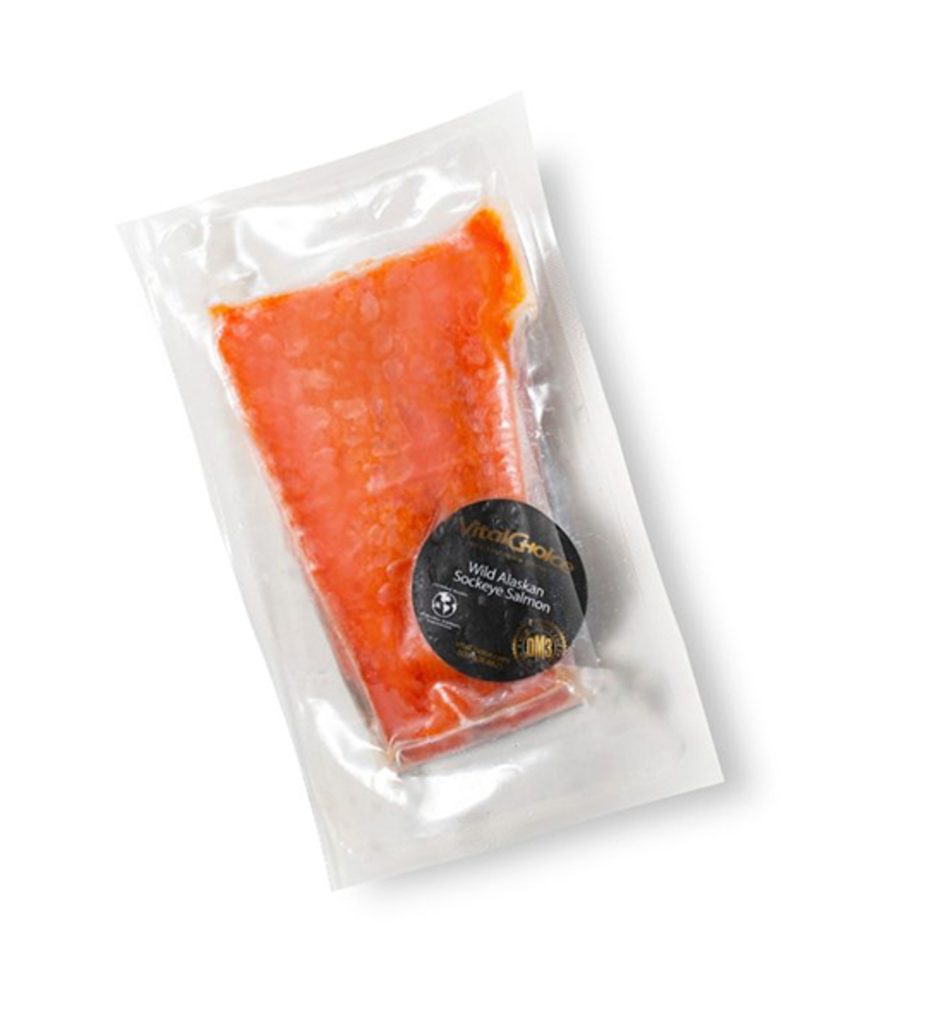
Are you wondering how long your frozen salmon stays fresh and safe to eat? Knowing the answer can save you from wasting good food or risking your health.
Whether you stock up on salmon for weekly meals or just want to make sure your freezer stash is still good, understanding the storage timeline is key. You’ll discover exactly how long frozen salmon lasts, signs to watch for, and tips to keep it fresh longer.
Keep reading to protect your meals and enjoy delicious salmon every time.
Shelf Life Of Frozen Salmon
Frozen salmon offers a convenient way to enjoy this nutritious fish. Proper storage ensures it stays fresh and delicious for longer periods. Understanding the shelf life is crucial to prevent waste and maintain quality.
Ideal Freezing Duration
Salmon stored in the freezer remains safe for up to three months. This time frame ensures optimal taste and texture. Freezing salmon beyond this period may affect its quality.
Factors Affecting Longevity
- Packaging: Use airtight containers or vacuum-sealed bags.
- Temperature: Keep the freezer at 0°F or lower.
- Freezer Type: A deep freezer is better than a fridge freezer.
- Handling: Minimize exposure to air before sealing.

Credit: mowisalmon.us
Signs Of Spoiled Frozen Salmon
Frozen salmon can last a long time in the freezer, but it does not stay good forever. Knowing the signs of spoiled frozen salmon helps avoid eating unsafe fish. Spoiled salmon can cause stomach issues and unpleasant taste. Watch for clear signs before cooking or eating frozen salmon.
Visual Indicators
- Look for discoloration such as dull or grayish patches.
- Ice crystals or frost inside the packaging may mean freezer burn.
- White spots or dryness on the surface show damage from freezing.
- Packaging that is torn or swollen can let air in and spoil the fish.
Texture Changes
- Frozen salmon should feel firm and solid.
- Soft, mushy, or slimy texture means it has gone bad.
- Freezer burn also makes the fish dry and crumbly.
Unusual Odors
- Fresh frozen salmon smells mild and slightly fishy.
- A strong sour or ammonia-like smell signals spoilage.
- Bad odor appears once the fish thaws, so check after thawing.
Proper Freezing Techniques
Freezing salmon correctly is key to preserving its freshness and flavor. If you don’t freeze it right, your fish might lose texture or develop freezer burn, affecting taste. Understanding proper freezing techniques helps you enjoy salmon that tastes almost as fresh as the day you bought it.
Packaging Methods
How you package salmon before freezing matters a lot. Air exposure causes freezer burn, so you want to minimize it as much as possible.
- Vacuum sealingis the best option. It removes air and keeps the fish tightly wrapped, maintaining its quality for months.
- If you don’t have a vacuum sealer, wrap the salmon tightly in plastic wrap first, then place it in a heavy-duty freezer bag. Press out all the air before sealing.
- For extra protection, wrap the fish in aluminum foil after the plastic wrap to block out light and prevent moisture loss.
Have you ever found your frozen salmon dried out or with strange ice crystals? That’s likely due to poor packaging. Take the extra step to seal it well, and you’ll notice a huge difference when cooking later.
Optimal Freezer Settings
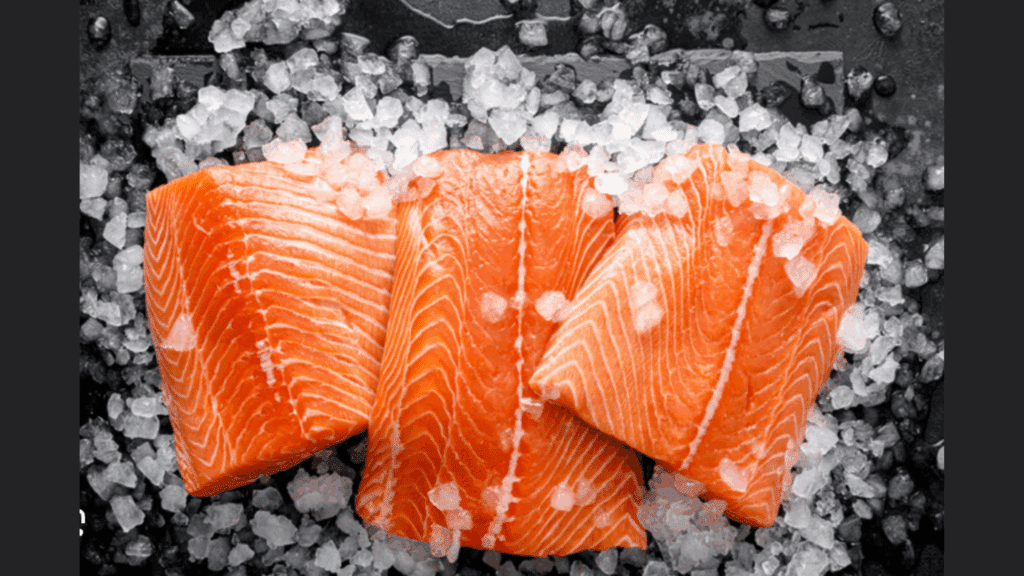
Your freezer’s temperature directly affects how long frozen salmon stays good. Setting the right temperature slows down ice crystal growth and keeps your fish fresh longer.
- Keep your freezer at 0°F (-18°C) or lower. This temperature halts bacteria growth and enzyme activity.
- Try to freeze salmon quickly. Rapid freezing forms smaller ice crystals, which do less damage to the fish’s texture.
- Store salmon away from the freezer door to avoid temperature fluctuations caused by frequent opening.
Do you regularly check your freezer’s temperature? A simple freezer thermometer can save your salmon from spoiling unnoticed.
Credit: knowseafood.com
Thawing Frozen Salmon Safely
Thawing frozen salmon safely keeps it fresh and tasty. Proper thawing stops bacteria from growing. It also helps keep the fish’s texture firm and flavor rich.
Choose a thawing method that fits your time and tools. Each way has its benefits. Always handle salmon gently to avoid damage.
Refrigerator Thawing
Place frozen salmon on a plate or dish. Keep it inside the fridge at 34-40°F (1-4°C). Leave it there for 12 to 24 hours. This slow thaw keeps the fish cold and safe. It also preserves taste and texture well.
This method is best for planning ahead. After thawing, cook the salmon within 1 to 2 days.
Cold Water Method
Seal the salmon tightly in a leak-proof plastic bag. Submerge it in cold tap water. Change the water every 30 minutes. This speeds up thawing without heating the fish. It usually takes 1 to 2 hours.
Cook the salmon immediately after thawing with this method. It is faster but less gentle than refrigerator thawing.
Microwave Thawing
Use the microwave’s defrost setting for frozen salmon. Check the fish every 30 seconds to avoid cooking it. Rotate or flip the fish for even thawing.
Cook the salmon right after microwave thawing. This method is the fastest but can affect texture if not careful.
Tips To Maintain Quality
Keeping your frozen salmon fresh and tasty involves more than just tossing it in the freezer. How you store it greatly affects its flavor and texture over time. Here are some practical tips to help you maintain the quality of your salmon while frozen.
Avoiding Freezer Burn
Freezer burn happens when air reaches the surface of the fish, causing dry spots and off-flavors. To prevent this, wrap your salmon tightly in plastic wrap or aluminum foil before freezing. Then, place it inside a resealable freezer bag, squeezing out as much air as possible.
Have you noticed patches of discoloration on frozen fish before? That’s freezer burn stealing the moisture and taste. Keeping the salmon well-wrapped blocks air and keeps it moist, so your fish stays delicious longer.
Using Vacuum Sealing
Vacuum sealing removes all the air around the salmon, which is the main cause of freezer burn and quality loss. If you have a vacuum sealer, this is one of the best ways to store fish for months without losing freshness.
Vacuum-sealed salmon also freezes faster, which helps preserve its texture. If you don’t have a vacuum sealer, you can mimic the effect by using a straw to suck air out of a tightly sealed plastic bag before freezing.
Cooking Frozen Salmon
Cooking frozen salmon can save you time and still deliver a delicious meal. You don’t always need to thaw it first, which is perfect for busy days or unexpected dinner plans. Understanding how to cook it properly ensures your salmon stays moist and flavorful.
Direct Cooking From Frozen
You can cook salmon straight from the freezer without thawing. This keeps the fish fresh and safe, preventing any bacterial growth that sometimes happens with slow thawing. Simply rinse off any ice crystals and pat the fish dry before cooking.
Try baking frozen salmon at 425°F (220°C) for about 20-25 minutes. The high heat helps cook it evenly and keeps it tender. You can also pan-sear it by cooking on medium heat with a lid on, which traps steam and cooks the fish through.
Have you noticed that cooking frozen salmon this way often results in less mess and fewer chances of overcooking? It’s a practical tip that I’ve found useful on hectic nights.
Recommended Recipes
- Honey Garlic Salmon:Toss frozen fillets in honey, garlic, and soy sauce. Bake or pan-cook for a sweet and savory dish.
- Salmon with Lemon and Dill:Add lemon slices and fresh dill on top of the frozen salmon before baking. The flavors infuse while cooking.
- Spicy Cajun Salmon:Rub frozen salmon with Cajun seasoning and a bit of olive oil. Cook it in the oven or skillet for a flavorful kick.
These recipes don’t require thawing and are simple enough to prepare quickly. Have you tried seasoning your frozen salmon before cooking? It’s a game changer that brings out the best taste.

Credit: fullyhealthy.com
Frequently Asked Questions
How Long Can Frozen Salmon Stay Safe To Eat?
Frozen salmon remains safe indefinitely if kept constantly frozen at 0°F (-18°C). Quality is best within 2 to 3 months for optimal flavor and texture. Beyond this, it may lose taste and texture but still be safe to consume.
Does Freezing Affect Salmon’s Nutritional Value?
Freezing salmon preserves most nutrients well. Some vitamin loss, especially vitamin B, may occur. Protein and omega-3 fatty acids remain largely intact, making frozen salmon nutritious and healthy.
How To Tell If Frozen Salmon Has Gone Bad?
Check for freezer burn, off odors, or a slimy texture after thawing. Discoloration or strong fishy smell indicates spoilage. If unsure, it’s safer to discard the salmon to avoid foodborne illness.
Can Frozen Salmon Be Refrozen After Thawing?
Refreezing thawed salmon is safe only if thawed in the refrigerator and not left out at room temperature. However, refreezing may reduce quality and texture, so it’s best to avoid multiple freeze-thaw cycles.
Conclusion
Frozen salmon stays good for about 2 to 3 months in the freezer. Keep it wrapped tightly to avoid freezer burn. Always check for signs of spoilage before cooking. Proper storage keeps the fish fresh and tasty. Remember, freezing slows down spoilage but does not stop it.
Enjoy your salmon safely by following these simple tips. Store smart, cook well, and savor the flavor.