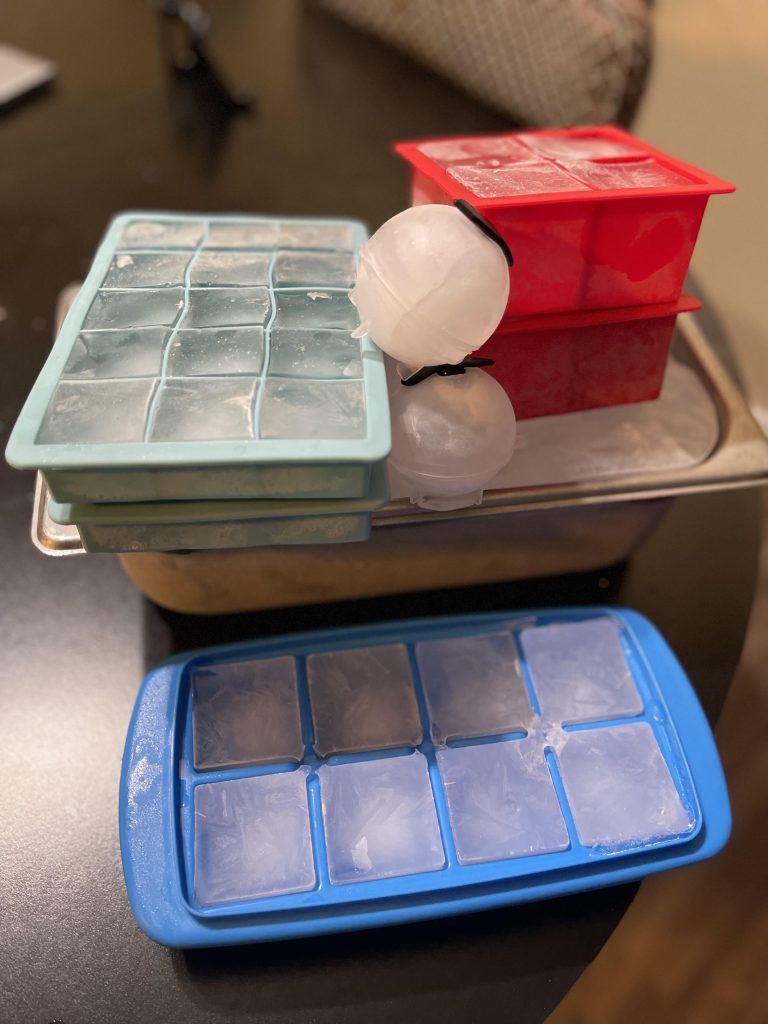
Imagine the satisfaction of opening your very own homemade ice box, packed with refreshing, ice-cold treats, on a sweltering summer day. You don’t need to be a master craftsman to create this simple yet effective cooling solution right in the comfort of your home.
In this guide, we’re going to show you how to make an ice box that not only keeps your drinks and snacks perfectly chilled but also saves you money and adds a touch of DIY pride to your outdoor gatherings.
By the end of this post, you’ll have all the know-how to craft a functional ice box that suits your needs and space. Keep reading to discover the step-by-step process, essential tips, and tricks that will turn you into a home-cooling expert in no time!
Credit: www.onceuponachef.com
Materials Needed
Gathering the right materials is the first step to making an effective ice box at home. You don’t need fancy or expensive items—many common household things can do the job. The key is to understand what each material contributes to keeping your ice cold longer.
Common Household Items
- Styrofoam Box or Cooler:This acts as the main body of your ice box. It’s lightweight and provides good insulation.
- Aluminum Foil:Reflects heat away, helping maintain cooler temperatures inside the box.
- Old Towels or Blankets:These provide extra insulation when wrapped around the box.
- Plastic Containers or Ice Packs:Used to hold ice or frozen water, ensuring less mess and longer cooling.
- Cardboard Sheets:Can be used to create layers inside the box or as a lid.
Think about what you already have at home. Could an old cooler or even a thick plastic container serve as your ice box base? Sometimes, the best solution is right under your nose.
Tools Required
- Scissors or Utility Knife:For cutting cardboard or foam to size.
- Adhesive Tape (Duct Tape or Packing Tape):To secure insulation layers and keep the box sealed tightly.
- Marker or Pen:Useful for marking measurements on materials before cutting.
- Ruler or Measuring Tape:Helps in getting precise measurements to fit layers perfectly.
Do you have these tools ready? Having them on hand makes the building process smoother and less frustrating. Plus, measuring twice and cutting once saves both time and materials.
Choosing The Right Container
Choosing the right container is key to building an effective ice box at home. The container you pick directly impacts how long your ice stays frozen and how easy your ice box is to use. A well-chosen container balances size, insulation, and durability to suit your specific needs.
Size And Insulation
Think about how much space you need inside your ice box. Too small, and you won’t fit enough ice or items. Too large, and you may lose cold air quickly, making your ice melt faster.
Good insulation slows down heat transfer. Containers made of thick plastic, foam, or materials with built-in insulation work best. Have you noticed how foam coolers keep drinks cold longer? That’s the kind of insulation you want.
If your container isn’t insulated, you can add foam sheets inside to improve performance. This simple trick can extend ice life significantly.
Durability Considerations
Your ice box will face bumps, drops, and moisture. Choose a container that can handle rough use without cracking or leaking. Hard plastic containers with tight-fitting lids often perform well.
Metal containers can be durable but may lose heat faster unless insulated properly. Also, metal can get very cold to touch, which might not be safe for kids or pets around.
Think about where you’ll use the ice box. Will it be outdoors, in your car, or at home? Your container should suit those conditions. Have you ever had a cooler break at the worst time? That’s why durability matters.
Building The Ice Box
Building an ice box at home requires careful planning and the right materials. The goal is to keep the cold air inside and block heat from outside. This section explains how to prepare the container, add insulation, and seal the box for best results.
Preparing The Container
Choose a sturdy container with a tight-fitting lid. Plastic coolers or thick cardboard boxes work well. Clean the inside thoroughly to remove dirt and dust. Dry it completely to prevent moisture buildup. Make sure the container is free of cracks or holes.
Adding Insulation Layers
Insulation keeps the cold air trapped inside the box. Use materials like foam sheets, old blankets, or newspaper. Cut the insulation to fit the inside walls, bottom, and lid of the container. Layer the insulation evenly without gaps. Secure the layers with tape or glue to hold them in place.
Sealing The Box
Seal all edges and corners tightly to stop air leaks. Use weather stripping or rubber strips around the lid. Apply strong tape on all seams and joints. Check for any small holes and cover them with sealant or tape. A well-sealed box keeps ice cold longer and prevents melting.
Credit: www.onceuponachef.com
Cooling Techniques
Cooling techniques are key to making an effective ice box at home. They help keep the box’s inside temperature low. This extends the freshness of food and drinks stored inside. Different ways exist to keep the ice box cool. Some use simple ice cubes, while others add salt or other substances to boost cooling power. Understanding these techniques can help you build a better ice box with longer-lasting cold.
Using Ice Packs And Ice Cubes
Ice packs and ice cubes are common cooling agents. Ice cubes cool quickly but melt fast. Ice packs last longer and are reusable. Place ice packs around the items to keep them cold. Use ice cubes in a sealed bag to avoid water spills. Layer ice packs and ice cubes for better cooling. Avoid placing warm items directly on the ice. This keeps the ice from melting too fast.
Incorporating Salt Or Other Additives
Adding salt or other additives can lower ice’s melting point. This makes the ice colder for a longer time. Mix salt with ice cubes in a sealed bag. Salt water stays colder than plain ice water. Other additives like alcohol can also help but use them safely. Be careful to keep additives away from food. This trick improves the ice box’s cooling power without extra equipment.
Maintenance Tips
Maintaining your homemade ice box ensures it lasts longer and works well. Proper care prevents damage and keeps it clean. Follow simple tips to protect your ice box and enjoy fresh cooling every time.
Preventing Water Leakage
Check all edges and corners for cracks regularly. Use waterproof sealant to close any gaps. Avoid overfilling the ice box with ice or water. Place the ice box on a flat, stable surface. Keep the ice box away from direct sunlight to reduce melting. Use a drip tray under the ice box to catch small leaks.
Cleaning And Storage
Empty the ice box after each use to avoid odors. Clean the inside with mild soap and warm water. Rinse thoroughly to remove soap residue. Dry the ice box completely before storing to prevent mold. Store the ice box in a cool, dry place. Keep the lid slightly open during storage to allow air circulation.
Alternative Diy Cooling Ideas
Looking for ways to keep things cool without a traditional ice box? There are simple, clever tricks you can try at home using everyday items. These alternative DIY cooling ideas can make a big difference, especially on hot days when you need a quick chill.
Using Wet Cloths
Have you ever noticed how a damp cloth feels cooler on your skin? That’s because evaporation pulls heat away. You can use this principle to cool down items or even yourself.
Wrap a wet cloth around a bottle or container you want to keep cool. As the water evaporates, it lowers the temperature around the object. This method is surprisingly effective if you keep the cloth moist and place the item in a breezy spot.
Try chilling your water bottles this way during a hike or outdoor event. It’s a simple trick that doesn’t require electricity or ice. How often do you overlook such easy solutions when searching for cooling options?
Evaporative Cooling Methods
Evaporative cooling relies on water turning into vapor and absorbing heat from its surroundings. This natural process can be used creatively at home to cool rooms or food.
One popular approach is to place a shallow tray of water in front of a fan. The fan blows air across the water, speeding up evaporation and making the air feel cooler. This setup works best in dry climates where evaporation happens faster.
You can also hang wet sheets or towels near open windows. As the air passes through the fabric, it cools before entering the room. Have you tried using evaporation to cool your space instead of cranking up the AC?
Safety Precautions
Building an ice box at home is simple, but safety matters a lot. Taking care while handling ice and keeping the box clean protects your health. Follow these safety tips to enjoy your ice box without worries.
Handling Ice Safely
Always wash your hands before touching ice. Use clean tools like tongs or scoops to avoid direct contact. Do not use ice that looks cloudy or smells strange. Store ice in a clean, sealed container to keep it fresh. Avoid letting ice sit out too long at room temperature. Melted ice can breed bacteria quickly.
Avoiding Mold And Odors
Keep your ice box dry and clean. Wipe down the inside regularly with mild soap and warm water. Rinse well and dry completely before adding ice. Use baking soda inside the box to absorb odors. Check for any mold spots and clean them immediately. Do not store food directly with ice to prevent smells mixing.

Credit: www.reddit.com
Frequently Asked Questions
What Materials Are Needed To Make A Home Ice Box?
To make a home ice box, you need a sturdy box, insulating materials like foam or straw, and ice packs or ice blocks. Additional items include a plastic liner to prevent leaks and tape or glue to seal gaps effectively.
How Does Insulation Keep The Ice Box Cold?
Insulation slows down heat transfer from outside to inside the box. It traps cool air inside, maintaining low temperatures longer. Materials like foam or straw are effective insulators, helping your ice last much longer in the homemade ice box.
How Long Can Homemade Ice Boxes Keep Items Cold?
A well-made ice box can keep items cold for 12 to 24 hours. The exact duration depends on insulation quality, ice amount, and outside temperature. Proper sealing and minimal opening also extend the cooling effect.
Can I Use A Plastic Container As An Ice Box?
Yes, a plastic container can serve as an ice box if insulated properly. Line it with foam or thick cloth to reduce heat transfer. Add ice packs inside and seal the lid tightly for best cooling results.
Conclusion
Making an ice box at home is simple and fun. You need just a few materials and some time. This project saves money and helps keep things cold without electricity. You can use your ice box for picnics, trips, or emergencies.
Try it yourself and enjoy fresh, cold drinks anytime. Small effort, big reward. Give it a go today!