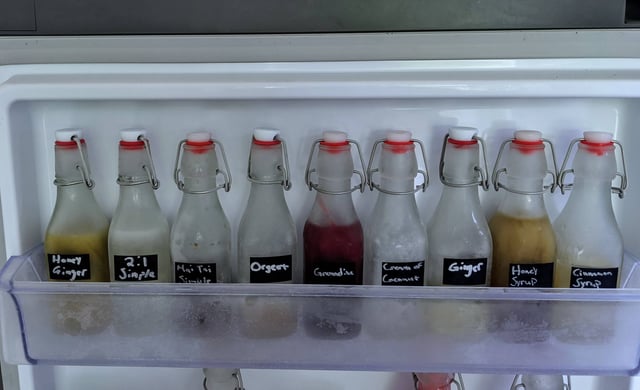
Have you ever wondered what happens when you store your favorite syrup in the freezer? Maybe you’ve found an old bottle tucked away in the back of your fridge, and you’re not quite sure if it’s still good to use.
Or perhaps you’re curious about the best way to preserve that homemade batch. “Can syrup freeze? ” Is a question that might seem simple, but its answer could surprise you. Unlock the mystery behind syrup’s ability to withstand the cold, and learn how this knowledge can save you money and enhance your culinary adventures.
Dive into this fascinating topic and discover how understanding the freezing point of syrup could change the way you store and enjoy this sweet treat. Keep reading to unveil the unexpected insights that could revolutionize your kitchen practices.

Credit: www.kitchenparade.com
Why Syrup Freezes Differently
Syrup does not freeze like plain water. Its freezing behavior varies due to its unique makeup. Understanding why syrup freezes differently helps in storage and use. Two main factors influence this: sugar content and syrup type. These determine how syrup reacts to cold temperatures.
Sugar Content And Freezing Point
Sugar lowers the freezing point of liquids. Syrup has a high sugar concentration. This means syrup freezes at lower temperatures than water. The more sugar present, the harder it is for syrup to freeze solid.
For example, maple syrup with about 66% sugar freezes near 20°F (-6°C). Simple syrup with less sugar freezes closer to 32°F (0°C). This difference affects how syrup behaves in a freezer.
Types Of Syrups And Their Freeze Behavior
Different syrups freeze differently based on ingredients and sugar levels. Here are common types and their freeze traits:
- Maple Syrup:High sugar content, freezes slowly, forms thick slush.
- Corn Syrup:Contains glucose, resists freezing, stays liquid longer.
- Honey:Natural sugars and water, crystallizes but rarely freezes solid.
- Simple Syrup:Equal parts sugar and water, freezes more like water.
Each syrup’s unique mix changes how it freezes. This explains why some syrups stay pourable even in the freezer.

Credit: www.amazon.ca
Common Syrups And Their Freezing Tendencies
Understanding how different syrups react to freezing can save you from unexpected texture changes and wasted ingredients. Each syrup has a unique composition that affects its freezing point and consistency once frozen. Let’s look at some common syrups to see how they behave in the freezer and what you can expect.
Maple Syrup
Maple syrup contains a high sugar content, which lowers its freezing point compared to plain water. Because of this, pure maple syrup doesn’t freeze solid in a typical home freezer. Instead, it becomes thick and syrupy, making it easy to scoop out even when cold.
If you’ve ever stored maple syrup in the fridge, you might notice it thickens but doesn’t turn rock hard. This characteristic means you can safely freeze maple syrup without worrying about it cracking or becoming unusable. However, prolonged freezing may cause slight crystallization, which you can fix by gently warming the syrup.
Corn Syrup
Corn syrup is less prone to freezing solid due to its high glucose content, which acts similarly to antifreeze. It will become very thick and viscous in the freezer but won’t turn into a hard block. This quality makes it convenient for long-term storage if you want to keep it fresh.
In my kitchen, freezing corn syrup has always preserved its smooth texture, unlike some syrups that separate or crystallize. When you thaw it, simply let it sit at room temperature or warm it slightly to restore its original flow. Have you tried freezing corn syrup and noticed any texture changes?
Honey And Agave Syrup
Both honey and agave syrup resist freezing due to their natural sugars and low water content. Honey, especially, rarely freezes solid and instead becomes more viscous and cloudy as temperatures drop. This is because honey’s sugar concentration inhibits ice crystal formation.
Agave syrup behaves similarly, thickening without solidifying completely. If you freeze honey or agave syrup, expect a change in appearance but not a complete freeze. Do you keep these syrups in the freezer, or do you prefer room temperature storage to maintain their texture?
Effects Of Freezing On Syrup Quality
Freezing syrup might seem like a convenient way to preserve it, but it’s important to know how this process affects its quality. Changes in texture, taste, and appearance can happen, sometimes altering your syrup in ways you might not expect. Understanding these effects helps you decide if freezing syrup fits your needs or if you should opt for other storage methods.
Texture Changes
Freezing causes the water content in syrup to form ice crystals, which can disrupt its smooth consistency. When thawed, syrup often becomes thicker or grainy due to these ice crystals breaking down the syrup’s natural viscosity.
Have you ever noticed syrup that feels clumpy or less pourable after freezing? That’s exactly the texture change happening. To reduce this, try stirring the syrup gently after thawing to help restore some smoothness.
Taste Alterations
Freezing can dull the rich flavors in syrup. Subtle notes that make your syrup special might become muted or slightly off.
Sometimes, the syrup develops a slightly fermented or off taste if frozen for too long. To keep the best flavor, freeze syrup in small batches and use it within a few months. This helps preserve the taste closer to the original.
Appearance And Color Shifts
Frozen syrup may change color, often becoming darker or cloudier. This happens because freezing can cause sugar crystals to separate or ingredients to settle unevenly.
Have you noticed syrup looking less clear after freezing? That’s a sign of these shifts. While this doesn’t always affect safety, it might make your syrup less appealing visually. Using airtight containers can help minimize exposure to air and reduce these changes.
Safe Storage Tips For Syrup
Storing syrup properly ensures it stays fresh and maintains its rich flavor. You might wonder if syrup can freeze or if it needs special care. Understanding the right storage techniques helps you avoid waste and enjoy syrup at its best.
Ideal Temperature Settings
Syrup is best stored at cool, consistent temperatures. Room temperature is usually fine, but if you live in a hot climate, refrigeration can extend shelf life. Avoid freezing syrup because extreme cold can change its texture and make it cloudy.
Have you noticed syrup crystallizing in the fridge? That’s a sign the temperature might be too low. Keeping syrup between 50°F and 70°F (10°C to 21°C) helps preserve its smoothness.
Container Choices
The container you use affects syrup’s freshness. Glass bottles or jars with tight lids are ideal because they prevent air and moisture from getting in. Plastic containers might absorb odors or allow slight air exchange, which can spoil the syrup faster.
One tip from my kitchen: always wipe the bottle rim after pouring to stop sticky buildup that attracts mold. Do you check if your syrup container seals tightly? If not, switching containers could save your syrup from going bad.
Shelf Life Considerations
Syrup’s shelf life depends on storage and type. Pure maple syrup can last about a year unopened and up to six months once opened if refrigerated. Artificial or flavored syrups usually have preservatives but still benefit from cool storage.
Look for signs like off-smell, mold, or changes in color to decide if syrup is still good. Ever found syrup that smells sour? That’s your cue to toss it and grab a fresh bottle.
How To Thaw Frozen Syrup
Thawing frozen syrup properly is key to preserving its flavor and texture. If you rush the process or use the wrong method, you might end up with a grainy or overly thick syrup. Let’s look at how to bring your frozen syrup back to life in the best way possible.
Best Practices For Thawing
Thaw syrup slowly to keep its natural sweetness and smooth texture. The safest way is to move it from the freezer to the refrigerator and let it sit overnight. This gradual temperature change helps prevent sudden texture shifts.
If you’re short on time, place the sealed syrup container in a bowl of lukewarm water. Avoid hot water, as it can break down the syrup’s sugars and affect the taste. Stir gently once thawed to help redistribute any separated ingredients.
Avoiding Crystallization
Crystallization can make your syrup gritty and unpleasant. To stop this, make sure the container is sealed tightly before freezing to reduce moisture exposure. Excess moisture encourages sugar crystals to form during thawing.
Another trick is to add a small pinch of cream of tartar or lemon juice before freezing. These additives help inhibit crystallization by altering the sugar structure. Have you ever noticed syrup turning grainy after freezing? This little step can make a big difference.
Restoring Syrup Consistency
If your syrup thickens too much after thawing, you can easily bring it back to the right consistency. Warm it gently over low heat, stirring frequently. Adding a splash of warm water or a tiny bit of lemon juice can loosen it up without changing the flavor.
Be careful not to overheat, as boiling can alter the taste and texture negatively. Remember, patience is your friend here—slow warming preserves the syrup’s original quality. What’s your favorite way to enjoy syrup once it’s perfectly thawed?
Myths About Freezing Syrup
There are plenty of myths floating around about freezing syrup. Some say it ruins the taste, while others believe it causes spoilage or changes the texture. Let’s clear up these misconceptions and give you straightforward facts to help you store your syrup wisely.
Does Freezing Spoil Syrup?
Freezing syrup does not spoil it. In fact, syrup has a high sugar content that acts as a natural preservative. This means bacteria and mold growth slow down significantly at freezing temperatures.
Many people worry that freezing might cause the syrup to separate or crystallize, but this is usually reversible by gently warming it up. Have you ever noticed some syrup crystals at the bottom of the bottle? Freezing can sometimes cause more crystals to form, but that doesn’t mean the syrup is bad.
Is Syrup Better Refrigerated Or Frozen?
If you use syrup regularly, refrigerating it is usually enough to keep it fresh and easy to pour. However, freezing syrup is a great option if you want to store it long-term without worrying about spoilage.
Refrigerated syrup remains smooth and ready to use, but freezing can slightly change the texture, making it thicker when thawed. A quick warm-up in hot water or the microwave solves this problem easily.
Think about how often you use syrup and how quickly you go through it. If your syrup tends to last for months, freezing might save you money by extending its shelf life. Would you try freezing your next bottle to see the difference?

Credit: www.youtube.com
Frequently Asked Questions
Can Syrup Freeze In A Regular Freezer?
Yes, syrup can freeze in a regular freezer. Its high sugar content lowers the freezing point, but it will eventually solidify at very low temperatures.
How Does Freezing Affect Syrup’s Texture?
Freezing syrup may cause it to thicken or crystallize. Thawed syrup might be grainy but usually regains smoothness when warmed gently.
Is Frozen Syrup Safe To Consume?
Frozen syrup remains safe to consume. Freezing preserves its quality and prevents spoilage, but texture changes might occur upon thawing.
Can All Types Of Syrup Freeze Equally?
No, different syrups freeze differently. High sugar syrups like maple freeze slower, while low sugar syrups freeze faster and may crystallize more.
Conclusion
Syrup can freeze, but it takes very low temperatures. Its high sugar content lowers the freezing point. Frozen syrup becomes thick and hard to pour. Thaw it slowly to return to liquid form. Keep syrup in a cool, dry place for best results.
Avoid freezing unless necessary to maintain quality. Knowing how syrup reacts to cold helps you store it better. This keeps your syrup fresh and tasty longer. Simple care extends the life of your syrup. Easy to follow tips make syrup storage stress-free.