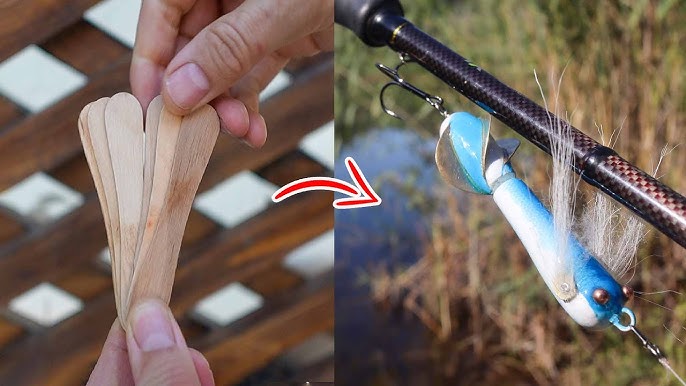
Are you ready to catch more fish and make your fishing trips even more exciting? Learning how to make a fishing lure can give you an edge that store-bought lures just can’t match.
Imagine creating a lure that perfectly mimics the fish in your favorite fishing spot—designed by you, for you. In this guide, you’ll discover simple steps to craft your own lure, save money, and add a personal touch to your fishing gear.
Keep reading, and you’ll soon have a lure that not only attracts fish but also makes every cast more rewarding.

Credit: www.battlbox.com
Choosing Materials
Making a fishing lure starts with picking the right materials. The materials affect how the lure moves and lasts in water.
You can use different kinds of wood, plastic, or even recycled items. Each has its own benefits and tools needed.
Types Of Wood And Plastic
Wood is popular for its natural look and buoyancy. Plastic lures are easy to shape and can be very durable.
- Wood:Basswood, cedar, and balsa are soft and easy to carve.
- Plastic:PVC and acrylic are common for molded lures.
- Wood floats well and feels natural to fish.
- Plastic can be clear or colored and lasts longer in water.
Using Recycled Items
Recycled materials can save money and reduce waste. Old fishing lures, bottle caps, and wood scraps work well.
- Use broken lures to practice new shapes.
- Wood scraps can be carved into small lure bodies.
- Plastic bottle caps add weight and shine.
Essential Tools
| Tool | Purpose |
| Carving knife | Shape wood or soft plastic |
| Sandpaper | Smooth surfaces for better finish |
| Drill | Make holes for hooks and eyes |
| Paintbrush | Add color and patterns |
| Glue | Attach parts securely |
Designing Your Lure
Creating your own fishing lure can be fun and rewarding. You can customize the lure to attract the fish you want.
Let’s explore some options to make your lure effective and attractive.
Shape And Size Options
The shape and size of your lure can affect how it moves in the water. Different shapes mimic different prey and can attract various fish.
| Shape | Best For |
| Spoon | Reflective and wobbling action |
| Jig | Vertical motion |
| Crankbait | Imitating small fish |
Color And Pattern Tips
Colors and patterns play a big role in attracting fish. Bright colors can catch the eye, while natural patterns can mimic real prey.
- Use bright colors in murky water
- Choose natural tones for clear water
- Add stripes or spots to mimic prey
Adding Reflective Elements
Reflective elements can make your lure more visible. They catch the light and create flashes that can attract fish from a distance.
Consider using:
- Metallic paint for extra shine
- Small mirrors for reflection
- Foil strips for shimmering effects
Crafting The Body
Making a fishing lure starts with crafting its body. This part gives the lure shape and weight.
Focus on cutting, shaping, sanding, and drilling for a good finish.
Cutting And Shaping Techniques
Start by cutting the lure body from wood or plastic. Use a saw or a knife for rough cuts.
Shape the lure by carving or using a rotary tool. Make sure the body fits your design.
- Mark your design on the material
- Cut outside the lines to leave room for shaping
- Use files or carving tools to refine the shape
- Keep the lure balanced for better movement
Sanding For Smooth Finish
Sanding removes rough edges and shapes the lure smoothly. Start with coarse sandpaper.
Gradually use finer sandpaper to get a smooth surface. This helps paint stick better.
- Start with 80-grit sandpaper for rough shaping
- Move to 150-grit for smoothing edges
- Finish with 220-grit or higher for a fine surface
- Sand evenly to keep the shape balanced
Drilling Hook Holes
Drill holes where you will attach the hooks and split rings. Use a small drill bit.
Measure carefully to keep holes aligned. This keeps the lure balanced in water.
- Mark hole positions with a pencil
- Use a drill bit smaller than the hook rings
- Drill slowly to avoid splitting the lure
- Check hole alignment before adding hardware
Painting And Sealing
Painting and sealing a fishing lure makes it look good and last longer. This step helps protect the lure from water and fish bites.
Use the right paints and coatings to keep your lure strong and colorful.
Choosing The Right Paints
Pick paints that stick well to plastic or wood. Acrylic paints work best for most lures. They dry fast and are water-resistant.
Use paints that do not crack or peel easily. Avoid oil-based paints because they take too long to dry.
- Acrylic paints: fast drying and durable
- Spray paints: easy for even coats
- Paint pens: good for small details
Applying Base And Detail Layers
First, apply a base coat to cover the whole lure. Let it dry fully before adding details. The base color sets the tone for your lure.
Add detail layers slowly. Use small brushes or pens to paint stripes, dots, or eyes. Let each layer dry before the next.
- Apply thin, even layers
- Wait 15-30 minutes between coats
- Use fine brushes for small designs
Protective Coatings
Seal your painted lure with a clear coat. This protects paint from water and damage. Use a glossy or matte finish based on your preference.
Apply several thin coats of sealant. Let each coat dry before adding the next. This builds a strong protective layer.
- Use clear acrylic spray sealers
- Apply 2-3 thin coats for best protection
- Allow 1 hour drying time per coat
Attaching Hooks And Hardware
Attaching hooks and hardware is key to making a fishing lure work well. You want the hooks to stay strong and the hardware to be secure. This guide covers the basics to help you do it right.
Using the right hooks and fixing them safely can improve your chances of catching fish. Adding split rings and eyes finishes your lure and makes it ready for fishing.
Selecting Hook Types
Choose hooks based on the type of fish and lure size. There are many hook types, each with a special use. Picking the right hook helps your lure catch more fish.
- J-Hooks: Common and strong, good for many lures
- Treble Hooks: Have three points, great for hard baits
- Single Hooks: Simple and light, used on soft plastic lures
- Circle Hooks: Designed to hook fish in the mouth
Securing Hooks Safely
Attach hooks securely to avoid losing fish. Use strong knots or hardware to keep hooks in place. Safety is important to protect yourself during work.
- Use split rings to connect hooks to the lure body
- Tighten knots firmly if tying hooks directly
- Check hooks for rust or damage before attaching
- Wear gloves to avoid injury while handling sharp hooks
Adding Split Rings And Eyes
Split rings and eyes join hooks and line to the lure. They let the lure move naturally in water. Properly adding these parts improves lure action and strength.
| Hardware | Purpose | Tips |
| Split Rings | Connect hooks to lure | Use pliers to open and close rings safely |
| Line Eyes | Attach fishing line to lure | Glue or solder eyes for extra strength |
| Hook Eyes | Hook attachment points | Choose size that fits hooks and rings |

Credit: www.amazon.com
Adding Movement Features
Adding movement to a fishing lure makes it more attractive to fish. Movement features mimic real prey actions. These features increase the chances of a successful catch.
There are several ways to add movement to your lure. You can use feathers, rattles, or jointed sections. Each method creates unique actions in the water.
Using Feathers And Skirts
Feathers and skirts add lifelike flutter and flow to your lure. They move with water currents and fish strikes. This movement looks natural to fish.
- Choose bright or natural colors based on the water and fish type
- Attach feathers or skirts securely to the lure body with strong thread or glue
- Use soft materials that move easily in water
- Trim feathers or skirts to the desired length for balanced action
Incorporating Rattles
Rattles create sound and vibration underwater. These signals attract fish from a distance. Adding rattles makes the lure more noticeable in murky water.
| Type of Rattle | Material | Effect |
|---|---|---|
| Plastic Beads | Hard Plastic | Sharp, high-pitched sound |
| Metal Balls | Steel or Brass | Deeper, louder vibration |
| Glass Marbles | Glass | Clear, ringing tone |
Place rattles inside hollow sections or near the hook. Make sure they move freely for the best sound.
Creating Jointed Sections
Jointed sections give your lure a swimming motion. Multiple connected parts allow natural bending. This attracts fish by resembling live prey.
- Use small metal pins or screws to connect sections
- Make sure joints move smoothly without too much play
- Balance the lure to avoid unnatural spins
- Test joint movement in water before final assembly
Testing And Adjusting
Testing your fishing lure is a key part of making it work well. You need to see how it moves in water and if it attracts fish.
Adjusting your lure after testing helps fix problems and improve its performance. This makes fishing more successful.
Water Test Techniques
Test your lure in a clear container or calm water. Watch how it swims and moves. This shows if the lure looks natural.
Try pulling the lure slowly and quickly to see how it reacts. Check if it sinks, floats, or stays in the water well.
- Use a bathtub or bucket for easy observation
- Pull the lure with a fishing rod or by hand
- Look for smooth or jerky movements
- Note if the lure wobbles or spins
Modifying Weight And Balance
Weight affects how deep and fast your lure moves. Balance helps the lure swim correctly. Adjust both for better action.
Add small weights or move internal parts. Test the lure again to see if it runs straight and at the right depth.
- Add split shots or lead tape for extra weight
- Shift weights inside the lure to change balance
- Check if the lure tilts or spins too much
- Adjust weight until the lure swims steadily
Improving Action And Attraction
Action means how the lure moves to catch fish attention. Change fins, tails, or hooks to improve this.
Try different speeds and rod movements. Small changes can make the lure more lively and attractive to fish.
- Trim or bend fins to change swimming style
- Use shiny or colorful paint to attract fish
- Add rattles or beads for sound effects
- Test action in water and adjust as needed

Credit: www.youtube.com
Safety And Maintenance
Making fishing lures is fun and rewarding. Safety and upkeep keep your lures and gear in good shape. Proper care helps you avoid injuries and extends the life of your tools.
Read these tips on handling hooks, storing lures, and cleaning after use. Follow them to enjoy fishing safely and keep your lures ready for the next trip.
Handling Sharp Hooks
Hooks are very sharp and can hurt you if not careful. Always watch your hands when making or using lures. Use pliers to hold hooks when tying or adjusting them.
- Keep hooks covered or sheathed when not in use.
- Wear gloves to protect your fingers.
- Store hooks in a safe box to avoid accidents.
- Do not leave hooks loose on tables or floors.
Storing Lures Properly
Good storage keeps lures from getting tangled or damaged. Dry lures before storing to stop rust and mold. Use tackle boxes with separate compartments to keep lures organized.
| Storage Tip | Reason |
| Use plastic tackle boxes | Prevents lures from getting crushed |
| Separate lures by type | Makes finding lures easier |
| Keep lures dry | Stops rust and mold growth |
| Store in a cool place | Prevents damage from heat |
Cleaning After Use
Cleaning lures after fishing removes dirt, salt, and grime. This stops corrosion and keeps lures looking good. Use fresh water and a soft brush to clean all parts of the lure.
- Rinse lures in fresh water immediately after use.
- Use a soft brush to clean small parts and hooks.
- Dry lures completely with a clean cloth.
- Apply a light coat of oil on metal parts to prevent rust.
- Store lures in a dry box after cleaning.
Frequently Asked Questions
What Materials Do I Need To Make A Fishing Lure?
To make a fishing lure, you need wood or plastic, hooks, paint, and wire. Additional items include split rings, eyes, and sealant for durability.
How Do I Shape A Fishing Lure Body?
Use a saw and sandpaper to carve the lure body. Shape it smoothly for better water movement and fish attraction.
What Paint Works Best For Fishing Lures?
Use waterproof acrylic or enamel paint. These paints resist water and provide vibrant colors that attract fish effectively.
How Do I Attach Hooks To A Fishing Lure?
Attach hooks using split rings and wire loops. Ensure they are secure to prevent losing fish during a catch.
Conclusion
Making your own fishing lure can be fun and rewarding. It lets you try new ideas and catch more fish. Use the steps shared here to build lures step by step. Practice often to improve your skills and results. Remember, patience and care bring the best outcome.
Enjoy the process and happy fishing!