Have you ever wondered what happens to concrete when it freezes? If you’re working with concrete or simply curious about how cold weather affects it, this is something you need to know.
Freezing temperatures can cause serious damage to concrete, leading to cracks, crumbling, and costly repairs. But why does this happen? And is there a way to protect your concrete from the harsh effects of frost? Keep reading to discover the surprising truth about concrete and freezing, so you can keep your projects strong and durable no matter the weather.
Credit: www.angi.com
Concrete And Water Interaction
Concrete is a mix of cement, water, and aggregates like sand or gravel. Water plays a key role in the hardening and strength of concrete. The way water interacts with concrete affects its durability, especially in cold weather. Understanding this interaction helps explain what happens when concrete freezes.
Water’s Role In Concrete
Water activates the cement in concrete. This starts a chemical reaction called hydration. Hydration causes the concrete to harden and gain strength over time. Water also fills tiny spaces inside the concrete, called pores. These pores can hold water, air, or other substances. The amount of water and how it moves inside the concrete affects its quality.
How Water Freezes In Concrete
Water inside concrete can freeze when temperatures drop below 32°F (0°C). Frozen water expands, increasing in volume by about 9%. This expansion puts pressure on the concrete’s pores and structure. If the pressure is too high, it can cause cracks or damage. Repeated freezing and thawing cycles worsen this damage over time. Concrete with many small, connected pores holds more water and faces a higher risk of freeze damage.
Freezing Effects On Fresh Concrete
Fresh concrete is vulnerable to freezing temperatures. Its water content can turn to ice, affecting the material’s development. Understanding these effects helps protect the concrete’s strength and durability.
Impact On Setting And Curing
Freezing slows down the chemical reactions that make concrete hard. The water inside the mix forms ice crystals. These crystals can break the bond between cement and aggregates.
The setting process takes longer or may stop completely. Curing becomes uneven and weak spots can form. This results in less durable concrete prone to cracks and damage.
Risks Of Early Freezing
Concrete frozen before it gains strength faces serious risks. Ice expansion causes internal pressure, leading to cracks. The surface may crumble or flake off, reducing lifespan.
Early freezing also traps water inside, causing pores and voids. These reduce the concrete’s density and load-bearing capacity. The overall quality and safety of the structure are compromised.
Freezing Effects On Hardened Concrete
Freezing causes water inside hardened concrete to expand, leading to cracks and damage. Repeated freeze-thaw cycles weaken the concrete’s strength and durability. Proper mix design and curing help reduce freezing effects on concrete.
Understanding how cold weather affects concrete can save you from costly repairs and unexpected headaches. When concrete freezes, its integrity and longevity come into question. Hardened concrete, though typically robust, isn’t immune to the challenges posed by freezing temperatures. Let’s explore how these conditions affect its surface and internal structure.Surface Scaling And Cracking
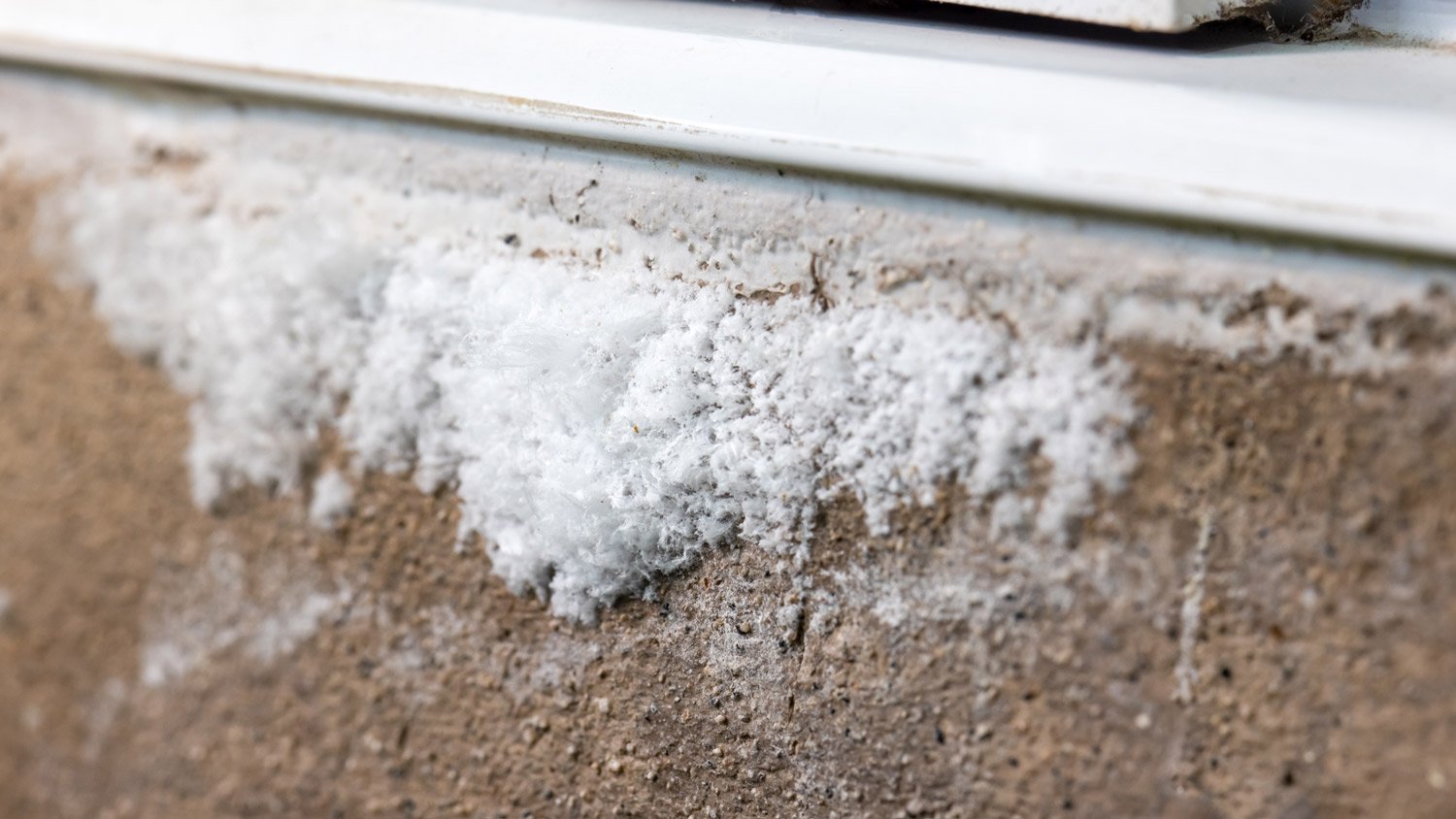
One of the first signs of freezing damage is surface scaling. This is where the concrete surface begins to flake or peel away. If you’ve ever noticed rough patches or shallow pits on your driveway during winter, that’s likely scaling at work. Cracking is another common issue. As water trapped in the concrete freezes, it expands. This expansion exerts pressure, causing cracks to form. Even if the cracks seem minor, they can lead to bigger problems. Water can seep through these cracks, leading to more freeze-thaw cycles and further damage.Internal Damage And Durability
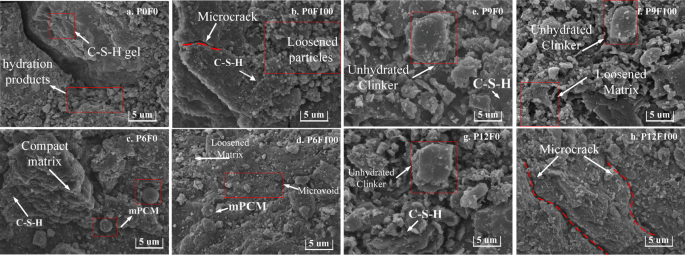
Beyond visible surface problems, freezing can also cause internal damage. When concrete absorbs water, it can freeze and expand inside, compromising the internal structure. This is particularly concerning for the long-term durability of the concrete. Imagine the frustration of repairing your concrete structures every few years. Freezing can also weaken the concrete’s overall strength, making it less effective in supporting loads. To combat this, consider using air-entrained concrete, which includes tiny air bubbles to accommodate expansion. This simple choice can enhance the durability of your concrete in cold climates. Have you ever considered how a tiny air bubble can save a massive concrete slab from damage? It’s often the small preventative measures that make the biggest difference in maintaining concrete’s integrity during freezing conditions.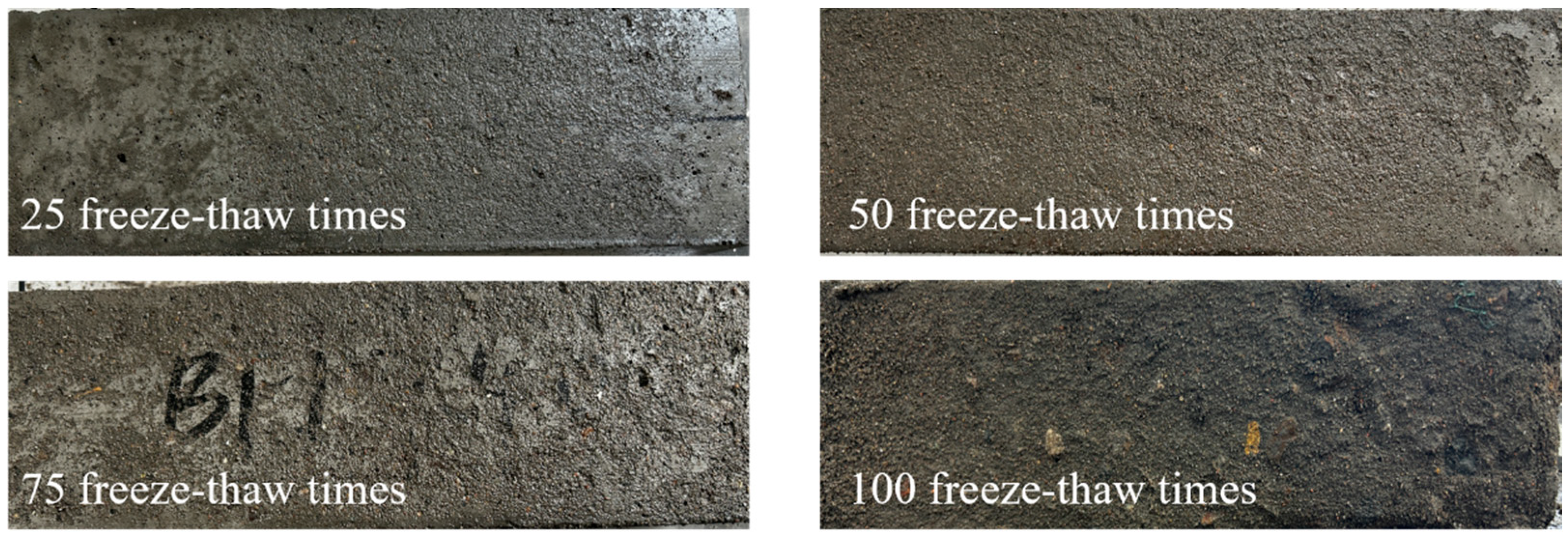
Credit: www.mdpi.com
Factors Influencing Freeze Damage
Freeze damage in concrete depends on many factors. These factors affect how water inside concrete expands and contracts. Understanding these elements helps in making concrete more durable against freezing.
Water-cement Ratio
The water-cement ratio controls the amount of water in the mix. More water means more space for freezing water to expand. This expansion can cause cracks and damage. Lower water-cement ratios create denser concrete. Denser concrete reduces the risk of freeze damage.
Air Entrainment
Air entrainment adds tiny air bubbles into concrete. These bubbles act as pressure relief pockets. They give space for water to expand when it freezes. Air entrainment improves concrete’s freeze-thaw resistance. Without enough air, concrete is more likely to crack in cold weather.
Temperature Fluctuations
Rapid temperature changes stress concrete more than steady cold. Repeated freezing and thawing cause water to expand and contract frequently. This cycle can weaken concrete over time. Slow temperature changes allow concrete to adjust better. Managing temperature swings helps protect concrete from damage.
Preventing Freeze Damage
Freeze damage can severely compromise the strength and durability of your concrete. Preventing this damage starts long before the temperature drops. Taking the right steps during mixing, placement, and curing can make all the difference in protecting your concrete from the harsh effects of freezing weather.
Proper Mixing And Placement
Concrete must be mixed carefully to reduce the risk of freeze damage. Use the right water-to-cement ratio; too much water increases the chance of freezing and cracking. You want the mix to be workable but not overly wet.
Placement also matters. Pour concrete quickly and evenly to avoid cold spots. If the ground or formwork is cold, warm it up before placing the concrete. Have you ever noticed how uneven curing leads to weak spots? That’s why even placement is key.
Use Of Admixtures
Admixtures can be your best ally against freezing. Air-entraining agents add tiny air bubbles into the concrete, which act like pressure relief valves when water freezes and expands. This simple addition can drastically reduce cracking.
Other admixtures, like accelerators, help concrete set faster. Faster setting means less time exposed to freezing temperatures. Think about how speeding up the process can prevent damage during those critical hours after pouring.
Curing Techniques In Cold Weather
Curing concrete in cold weather requires extra care to maintain warmth and moisture. Cover the concrete with insulated blankets or use heated enclosures to keep the temperature stable. This prevents the water inside from freezing and allows proper hydration.
Another effective method is using warm water in the mix and keeping the forms insulated. Have you tried monitoring the temperature closely after pouring? Keeping track helps you know when it’s safe to remove protections without risking freeze damage.
Credit: www.nature.com
Repairing Freeze-damaged Concrete
Repairing freeze-damaged concrete requires careful assessment and proper techniques. Cold weather can cause cracks, scaling, and surface damage. These issues weaken the structure and reduce its lifespan. Timely repairs restore strength and prevent further decay.
Identifying Damage
Look for visible signs like cracks, spalling, and flaking. Small holes or rough surfaces may appear. Check for discoloration or wet spots indicating internal damage. Use a hammer to tap and listen for hollow sounds. These signs show compromised concrete.
Repair Methods
Clean the damaged area thoroughly before starting repairs. Remove loose debris and dust with a wire brush or pressure washer. Fill small cracks with epoxy or polyurethane sealant. Larger cracks may need patching with a concrete mix. For deep damage, consider resurfacing or overlay techniques.
- Apply bonding agents to improve adhesion.
- Use cold-weather concrete mixes in freezing conditions.
- Seal the surface to protect against moisture.
Long-term Maintenance
Regular inspections help catch damage early. Keep the concrete clean and free from salt or chemicals. Use sealers annually to protect the surface. Avoid heavy loads on weakened concrete. Proper drainage prevents water pooling and freeze-thaw cycles.
Frequently Asked Questions
What Happens When Concrete Freezes Before Curing?
When concrete freezes before curing, water inside expands, causing cracks and weakening the structure. It loses strength and durability. Early freezing disrupts the hydration process, leading to poor quality concrete.
Can Frozen Concrete Still Cure Properly?
Frozen concrete cannot cure properly because hydration stops at freezing temperatures. Once thawed, curing may resume but the final strength may be compromised, leading to weaker concrete.
How To Protect Concrete From Freezing Damage?
Protect concrete by using insulating blankets or heated enclosures. Avoid pouring concrete in freezing weather. Use air-entrained concrete to improve freeze-thaw resistance and prevent cracking.
Does Frozen Concrete Regain Strength After Thawing?
Frozen concrete regains some strength after thawing but not its full potential. Damage from ice expansion and disrupted hydration often causes permanent strength loss and durability issues.
Conclusion
Concrete that freezes can crack and lose strength. Water inside the concrete expands when it turns to ice. This causes damage that may not show right away. Protecting concrete from freezing is very important. Use covers or heaters during cold weather.
Proper care helps concrete last longer and stay strong. Understanding how freezing affects concrete helps you prevent problems. Take action early to keep your structures safe and durable.