Have you ever bought a used car and wondered, “Can I return it if I’m not happy?” You’re not alone. Many people worry about what happens if the car doesn’t meet their expectations after a few weeks.
The good news is, there are rules and options that might work in your favor. But it’s not always simple, and knowing exactly what to expect can save you time, money, and stress. Keep reading to find out what you need to know about returning a used car within 30 days—and how to protect yourself before you buy.
Return Policies For Used Cars
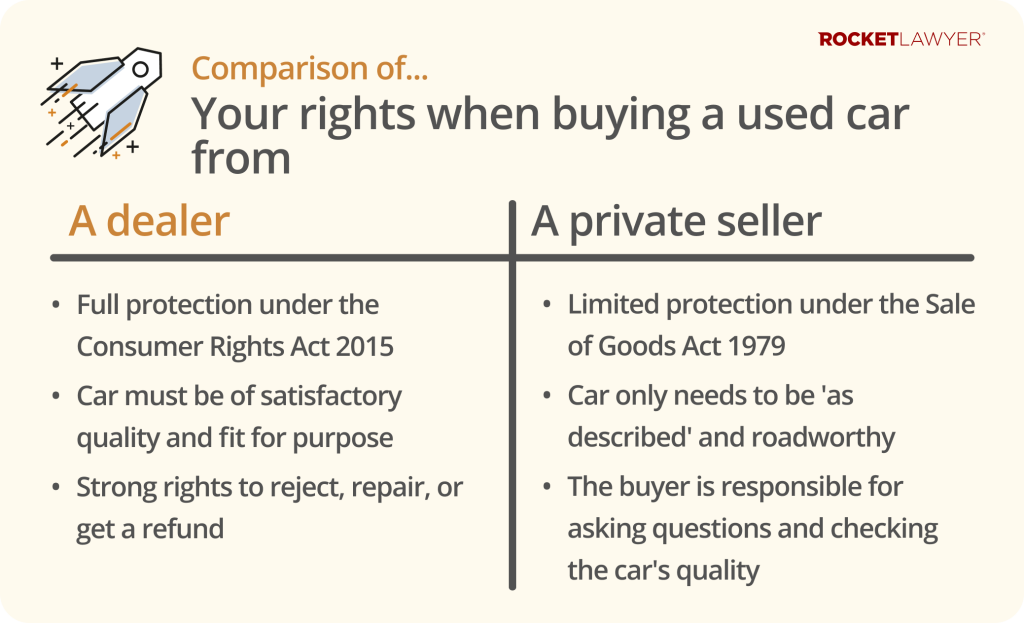
Return policies for used cars vary widely. Understanding these rules helps avoid surprises after purchase. Some dealerships offer return options, but terms differ. Private sellers usually do not accept returns. State laws also influence your ability to return a used car.
Dealership Return Options
Some dealerships provide limited return periods. These can range from a few days to 30 days. Terms may include restocking fees or mileage limits. Always read the return policy before buying. Ask about any paperwork or fees involved. Return options are more common with certified pre-owned cars.
Private Seller Limitations
Cars bought from private sellers rarely come with return options. Sales are usually “as-is,” meaning no warranty or return. Buyers must inspect the vehicle carefully before purchase. Private sellers are not legally required to accept returns. Use a trusted mechanic for a pre-purchase inspection.
State Laws Impacting Returns
State laws affect used car returns in different ways. Some states have “cooling-off” periods for certain sales. Most states do not require return policies for used cars. Lemon laws may protect buyers from defective vehicles. These laws usually apply to new cars or dealer sales. Check your state’s specific rules before buying.

Credit: www.rocketlawyer.com
Legal Rights When Returning A Used Car
Understanding your legal rights is important when returning a used car. Laws differ by state and situation. Knowing these rights helps protect your money and your peace of mind.
Lemon Laws And Their Scope
Lemon laws protect buyers from cars that have serious defects. These laws apply mainly to new cars but some states cover used cars too. The defect must affect the car’s safety or value. The problem should appear within a certain time or mileage limit. Sellers usually must repair the defect within a reasonable number of attempts. If they fail, you may get a refund or replacement.
Cooling-off Periods Explained
Cooling-off periods allow buyers to cancel a purchase within a short time. These periods usually last 3 days and apply to some car sales. This law varies by state and often excludes used cars sold by dealers. Private sales typically do not have a cooling-off period. Always check local rules before assuming you have this right.
Consumer Protection Acts
Consumer protection laws guard against unfair or deceptive sales practices. These laws may require sellers to disclose problems with the car. They also prevent false advertising about the car’s condition. If a dealer breaks these rules, you can file a complaint or seek legal help. These acts offer extra protection beyond lemon laws and cooling-off periods.
Factors Affecting Return Eligibility
Understanding whether you can return a used car within 30 days depends on several key factors. These elements influence your eligibility and can make the difference between a smooth return process and a denied request. Knowing what sellers typically look for helps you avoid surprises and strengthens your position if you need to return the vehicle.
Condition Of The Vehicle
The car’s condition plays a major role in return eligibility. If the vehicle shows signs of damage beyond normal wear and tear, sellers may refuse the return. You should keep the car in the same condition as when you bought it, including cleanliness and mechanical status.
Think about whether you’ve made any modifications or repairs. Unauthorized changes often void return agreements. Returning the car without scratches, dents, or mechanical issues increases your chances of approval.
Documentation And Paperwork
Having all the necessary documents ready is crucial. This includes the original bill of sale, warranty papers, and any return policy agreements you signed. Without proper paperwork, proving your eligibility becomes difficult.
Keep records of inspections and communications with the seller. These documents serve as evidence if any disputes arise. You might be surprised how much easier a return goes when you have every paper in order.
Mileage And Usage Limits
Check if the seller sets limits on how much you can drive the car before returning it. Some return policies allow only minimal mileage, often around a few hundred miles. Exceeding this limit might disqualify you from returning the vehicle.
Consider your typical driving needs carefully before buying. How much do you plan to drive the car in the first month? Staying within mileage limits keeps your return option open and avoids unexpected penalties.
Steps To Take When Returning A Used Car
Returning a used car within 30 days involves clear steps to follow. Acting quickly and carefully helps protect your rights. Understanding these steps makes the process smoother and less stressful.
Contacting The Seller
Reach out to the seller as soon as you decide to return the car. Use phone or email for a clear record of communication. Explain why you want to return the vehicle politely and clearly. Ask about their return policy and any necessary paperwork. Keep a written record of all conversations and agreements.
Inspection And Return Process
The seller might require an inspection of the car before acceptance. Prepare the car by cleaning it and gathering all original documents. Note any damage or issues present at the time of return. Schedule a time to bring the car back or arrange for pickup. Take photos of the car’s condition to avoid disputes later.
Negotiating Refunds Or Exchanges
Discuss refund terms with the seller based on the car’s condition and contract. Some sellers offer full refunds, others may deduct fees for wear or repairs. Consider exchanging the car for another vehicle if available. Be clear about your expectations and listen to the seller’s offer. Put any agreement in writing before finalizing the return.
Alternatives To Returning A Used Car
Returning a used car within 30 days may not always be possible. Exploring other options can save time and money. Many alternatives help you handle the situation without returning the vehicle. These choices often provide flexibility and convenience.
Trade-in Options
Trading in your used car at a dealership offers a quick solution. You can apply the trade-in value toward another vehicle. This reduces the amount you need to pay. Dealers usually handle all paperwork, making the process easy. It also avoids the hassle of selling the car yourself.
Selling Privately
Selling your car privately can get you a better price. You control the sale and set your asking price. Use online platforms or local ads to reach buyers. Be honest about the car’s condition to build trust. This method takes time but can be rewarding financially.
Repair And Warranty Solutions
Some used cars come with warranties or service plans. Check if repairs can fix any issues you face. Warranties may cover certain defects or damages. Local mechanics or authorized dealers can perform repairs. Keeping the car and fixing problems might be the best choice.

Credit: www.clutch.ca
Common Misconceptions About Car Returns
Many people believe they can return a used car within 30 days easily. This idea comes from misunderstandings about car return policies. Knowing the truth can save you frustration and money. Let’s clear up some common myths about returning a used car.
Myth Of Universal Return Policies
Not all dealers offer a return policy on used cars. Many sellers sell “as is,” meaning no returns allowed. Some dealers might have a return policy, but it varies widely. Always check the contract before buying. Do not assume you can return the car just because it is used.
Misunderstanding Cooling-off Periods
Cooling-off periods do not apply to car purchases in many places. These laws usually cover door-to-door sales or online shopping. Car sales at a dealership often do not have this right. Buyers must be sure before signing the purchase papers. The idea of a 30-day cooling-off period for cars is mostly false.
Confusing Dealer Guarantees
Dealer guarantees are not the same as return policies. Guarantees might cover repairs or defects for a limited time. They do not always allow you to return the car. Read the guarantee terms carefully to understand what is covered. Some dealers offer limited warranties, not full returns.

Credit: www.clutch.ca
Frequently Asked Questions
Can I Return A Used Car After 30 Days?
Yes, you can return a used car within 30 days in certain situations. Check your purchase agreement for any return policy or buyer’s remorse clause. Some dealerships offer a money-back guarantee, while others might have specific conditions. Always verify with the seller before finalizing your purchase.
What Are Typical Return Conditions For Used Cars?
Typical return conditions include mileage limits, the car’s condition, and time frames. The vehicle should be in the same condition as purchased. Some dealerships may also charge a restocking fee. It’s crucial to read and understand the return policy before buying.
Does Every Dealership Offer A 30-day Return Policy?
Not every dealership offers a 30-day return policy. Return policies vary by dealership and location. Some may offer flexible return policies, while others may not. Always ask the dealership about their specific return policy before purchasing a used car.
Is There A Fee To Return A Used Car?
Some dealerships may charge a restocking fee for returning a used car. This fee compensates for the administrative costs involved in processing the return. The fee amount can vary, so it’s essential to clarify any potential charges before deciding to return the vehicle.
Conclusion
Returning a used car within 30 days depends on the dealer’s policy. Most places do not offer a full return option. Always check the contract before buying. Some dealers may offer limited return or exchange options. Keep all paperwork and receipts safe.
Knowing your rights helps avoid surprises later. Taking time to decide is important. Don’t rush into a purchase you might regret. Ask questions and get clear answers. This way, you protect yourself and your money.