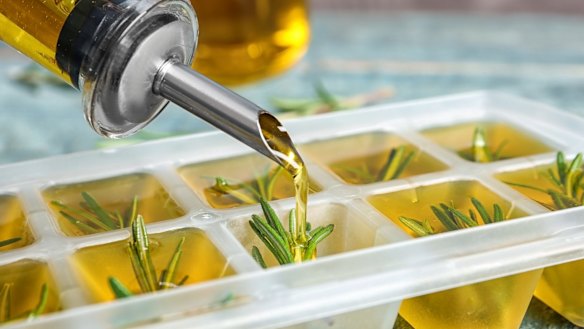
Have you ever found your bottle of olive oil in the freezer and wondered, “Is it still good?” You’re not alone. Many people worry that freezing might ruin the taste or quality of their olive oil.
The good news is, freezing olive oil doesn’t mean it’s gone bad. But what exactly happens when olive oil freezes? And how can you tell if it’s still safe to use? Keep reading, because understanding this simple fact can save your cooking—and your money.
Credit: utopia.org
Olive Oil And Freezing Point
Olive oil has unique properties that affect its freezing point. Understanding how it behaves in cold temperatures helps you store it properly. Olive oil does not freeze like water. Instead, it becomes cloudy and thick before solidifying. This change is normal and does not mean the oil is bad.
What Happens When Olive Oil Freezes
Olive oil changes texture as temperature drops. It first turns cloudy due to wax crystals forming. The oil thickens and may become solid in very cold conditions. This solid form looks different but still retains its flavor and nutrients. Once warmed, the oil returns to its liquid state without damage.
Temperature Thresholds For Freezing
Different types of olive oil freeze at slightly different temperatures. Factors like purity and fatty acid content affect freezing points. Usually, extra virgin olive oil starts to cloud near 39°F (4°C). Full freezing happens around 21°F (-6°C) or lower. Refined olive oils may freeze at lower temperatures because of fewer impurities.
Effects Of Freezing On Quality
Freezing olive oil can cause changes in its quality. The cold temperature affects the oil’s natural properties. These changes can be seen and tasted. Understanding these effects helps decide if frozen olive oil remains good to use.
Changes In Texture And Appearance
Olive oil thickens and becomes cloudy when frozen. Tiny crystals form, making it look solid or grainy. This change is normal and does not mean the oil is spoiled. Once returned to room temperature, the oil usually clears up and returns to its liquid state.
Repeated freezing and thawing may cause slight separation of oil components. This can make the texture uneven. Storing olive oil in a cool, dark place is better for maintaining smooth texture.
Impact On Flavor And Aroma
Freezing can dull the fresh, fruity flavor of olive oil. Some delicate aromas may weaken or disappear. The oil might taste less vibrant after freezing but not bad or rancid. Proper sealing of the bottle helps protect the flavor during freezing.
After thawing, the flavor may return closer to normal if the oil is fresh. Long freezing or poor storage can cause the oil to lose its rich taste permanently.
Nutritional Value After Freezing
Freezing olive oil may change its texture but does not harm its nutritional value. The healthy fats and antioxidants remain intact after freezing. Quality stays good, making frozen olive oil safe to use.
Nutritional Value After Freezing Olive oil is a staple in many kitchens. It’s cherished for its flavor and health benefits. But what happens if it freezes? Does it lose its nutritional value? Let’s explore.Preservation Of Antioxidants
Olive oil is rich in antioxidants. These compounds help fight free radicals in the body. When olive oil freezes, its antioxidants remain intact. The freezing process does not destroy them. So, frozen olive oil still provides antioxidant benefits. This ensures its health advantages are preserved.Influence On Healthy Fats
Olive oil contains healthy fats. These fats are essential for heart health. Freezing does not change their structure. The fats remain stable and beneficial. Frozen olive oil continues to support a healthy diet. Enjoy it knowing its healthy fats are still effective.Safe Storage Tips For Olive Oil
Keeping your olive oil fresh and flavorful depends a lot on how you store it. Proper storage can prevent your oil from going bad or losing its taste, even if it accidentally freezes. Let’s look at some simple ways to protect your olive oil so it stays as good as the day you bought it.
Ideal Temperature Ranges
Olive oil is best stored at cool, stable temperatures. Aim for a spot between 57°F and 70°F (14°C to 21°C). Temperatures below 57°F can cause the oil to solidify or freeze, but this doesn’t ruin it—just let it return to room temperature before use.
Too much heat, especially above 70°F, speeds up oxidation and makes the oil go rancid faster. Have you noticed your olive oil smelling off after leaving it near the stove? That’s why avoiding heat sources is key.
Best Containers To Use
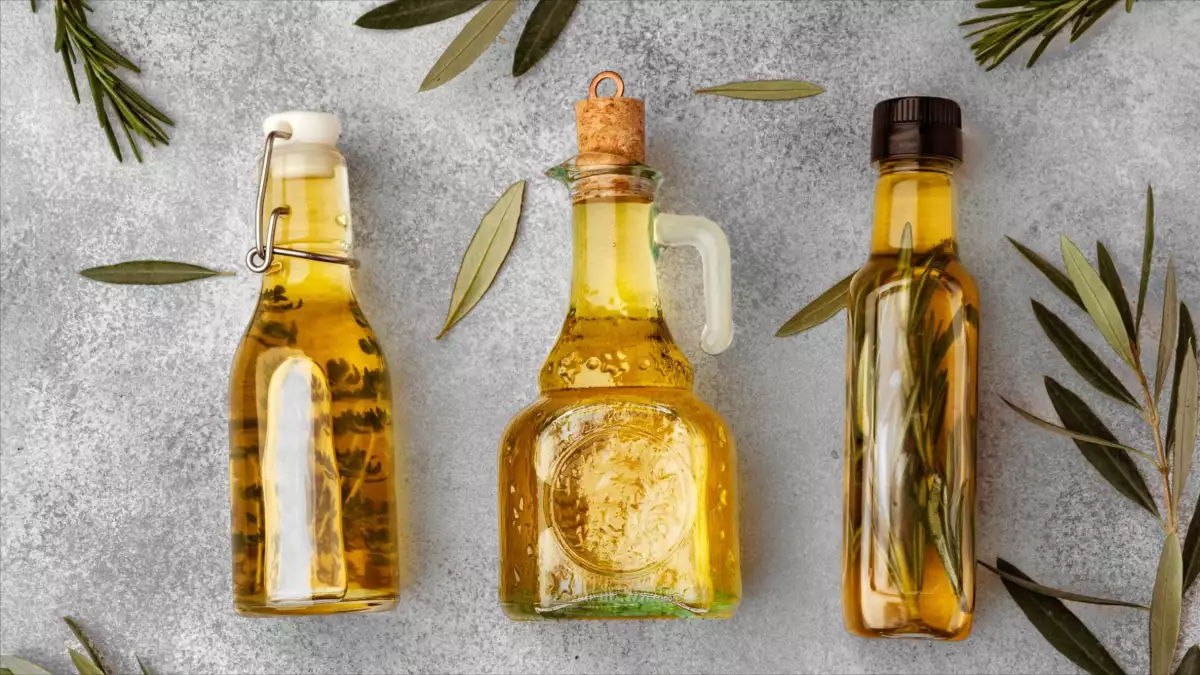
Choosing the right container can make a big difference in how long your olive oil lasts. Dark glass bottles are ideal because they block light, which damages the oil’s quality. Clear containers let in light and can turn your oil bitter quicker.
Metal containers like tin or stainless steel also work well, as long as they are food-grade and sealed tightly. Avoid plastic containers, which can leach chemicals and allow air inside. A tight lid is essential to keep oxygen out and maintain flavor.
- Use dark glass or food-grade metal containers
- Keep the container tightly sealed
- Store in a cool, dark place away from sunlight and heat
Have you ever kept olive oil in a clear bottle on your kitchen counter? Try switching to a dark glass bottle and see how much longer your oil stays fresh. Small changes in storage can save you money and improve your cooking.
Thawing Frozen Olive Oil
Thawing frozen olive oil might seem straightforward, but handling it properly ensures you keep its flavor and health benefits intact. If you’ve ever pulled out a bottle from the freezer only to see it turn cloudy and thick, you’re not alone. The key is to thaw it in a way that preserves its quality without causing damage.
Safe Methods To Thaw
Thaw your olive oil slowly at room temperature. Just set the bottle on the kitchen counter and wait for it to return to liquid form naturally. This gradual thawing helps prevent any sudden changes that might affect the texture or taste.
If you’re in a hurry, place the sealed bottle in a bowl of warm (not hot) water. Keep an eye on it and change the water as it cools down. Avoid microwaving or using direct heat, which can break down the oil’s delicate compounds.
Avoiding Damage During Thawing
Temperature fluctuations can harm olive oil’s flavor and nutritional value. Don’t expose the oil to high heat or rapid temperature changes during thawing. These conditions can cause the oil to lose its antioxidant power and develop off-flavors.
Also, make sure the container is tightly sealed to prevent moisture from getting in. Water exposure can promote spoilage and reduce shelf life. Have you ever noticed how a small change in handling can make a big difference in taste? That’s why gentle thawing matters.
Credit: www.smh.com.au
When To Discard Frozen Olive Oil
Knowing when to discard frozen olive oil can save you from using a product that’s lost its quality or, worse, gone bad. Freezing olive oil doesn’t necessarily ruin it, but it can affect taste and texture over time. Paying attention to certain signs and understanding shelf life will help you decide if your oil is still safe and enjoyable to use.
Signs Of Spoilage
Look closely at your olive oil once it thaws. If you notice a rancid or sour smell, it’s a clear sign the oil has spoiled. The oil may also develop a cloudy appearance or sediment that doesn’t dissolve after warming up.
Texture changes are another red flag. If the oil feels sticky or unusually thick, it’s best not to use it in your cooking. Trust your senses—if it smells or tastes off, throw it away.
Shelf Life Considerations
Olive oil generally keeps well for up to 18 to 24 months unopened. Freezing can extend this, but only if the oil is stored properly in an airtight container. Once thawed, try to use the oil within a few weeks to maintain its flavor.
Remember, repeated freezing and thawing cycles can damage the oil’s quality. If you find yourself freezing olive oil often, consider dividing it into smaller portions before freezing. This way, you only thaw what you need, preserving the rest for longer.
Credit: en.petitchef.com
Frequently Asked Questions
Does Freezing Affect Olive Oil Quality?
Freezing olive oil may cause it to solidify but does not harm its quality. Once thawed, it retains its flavor and nutrients.
How Long Can Olive Oil Stay Frozen?
Olive oil can be frozen for up to six months without losing quality. Beyond that, flavor and texture may degrade slightly.
Will Frozen Olive Oil Change In Taste?
Freezing olive oil does not significantly change its taste. Properly thawed oil maintains the same aroma and flavor as before freezing.
Can Freezing Olive Oil Preserve Its Nutrients?
Yes, freezing olive oil helps preserve its antioxidants and healthy fats. It slows oxidation, extending shelf life without nutrient loss.
Conclusion
Olive oil can freeze, but it does not spoil. Freezing may change its texture or cloudiness. Once thawed, the oil returns to normal. It still tastes good and works well for cooking. Store olive oil in a cool, dark place to keep it fresh.
Freezing is not harmful but not needed either. Keep enjoying your olive oil without worry. Simple care keeps it healthy and tasty.