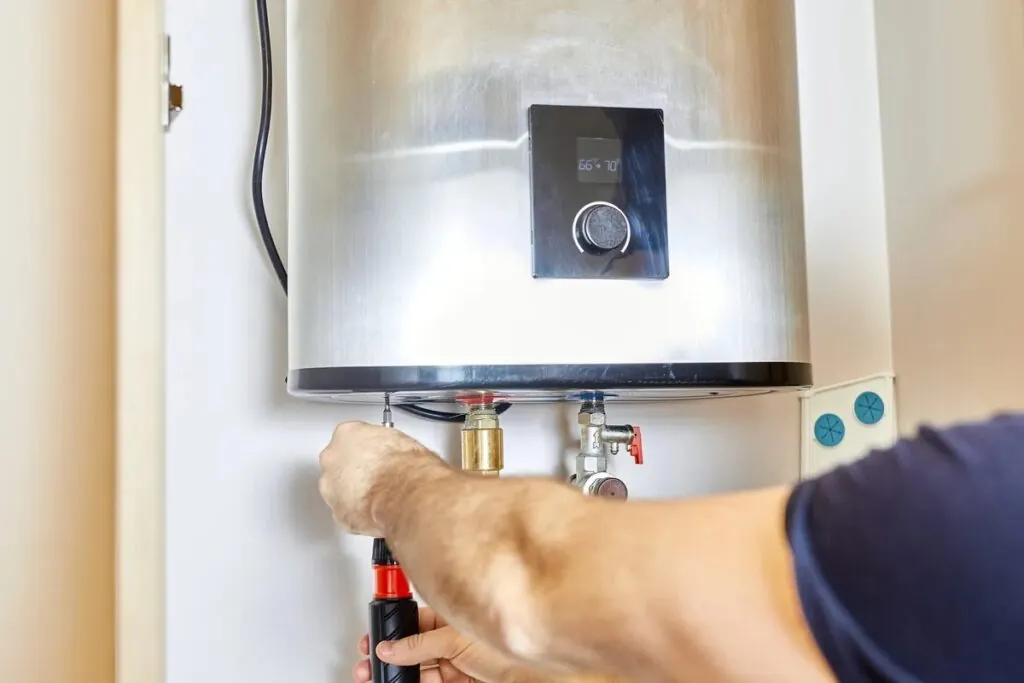
Have you ever wondered if your hot water tank can actually freeze? It’s a question that might not cross your mind until a cold snap hits, and suddenly, you’re left without warm water when you need it most.
Imagine waking up on a freezing morning only to find your hot water tank frozen solid—no showers, no hot drinks, no comfort. This isn’t just an inconvenience; it can lead to costly damage to your home’s plumbing system. You’ll discover why hot water tanks freeze, how to spot the warning signs, and most importantly, what you can do to protect your tank and keep your water flowing warmly all winter long.
Keep reading to make sure your home stays cozy and safe no matter how cold it gets outside.
How Hot Water Tanks Freeze
Understanding how hot water tanks freeze can help you protect your home and avoid costly repairs. Even though these tanks are designed to hold hot water, they can still become vulnerable under certain conditions. Knowing the specific factors that lead to freezing will empower you to take timely action.
Conditions Leading To Freezing
Hot water tanks are usually well-insulated, but several conditions can make them freeze:
- Prolonged power outages:Without electricity, the heating element stops working, allowing the water to cool down.
- Extreme cold weather:Temperatures dropping below freezing for extended periods increase the risk, especially if the tank is in an unheated area.
- Poor insulation or exposure:Tanks located in garages, basements, or crawl spaces that lack proper insulation are more prone to freezing.
- Leaks or plumbing issues:Water leaks around the tank can reduce its temperature and contribute to freezing.
Have you checked where your hot water tank is placed? Its location often determines how vulnerable it is to cold.
Impact Of Cold Temperatures
Cold temperatures cause water inside the tank and pipes to freeze, leading to serious problems. Frozen water expands, which can crack the tank or burst pipes.
This not only disrupts your hot water supply but can also cause flooding and structural damage. Many homeowners underestimate how quickly freezing can damage their system once temperatures dip below 32°F (0°C).
Imagine waking up on a freezing morning to find no hot water and a puddle around your tank—that’s a reality you want to avoid. Protecting your tank from cold is crucial to keep your home safe and comfortable.
Credit: www.navieninc.com
Signs Of A Frozen Hot Water Tank
Recognizing the signs of a frozen hot water tank early can save you from costly repairs and discomfort. A frozen tank disrupts your daily routine and can cause serious damage if left unchecked. Pay attention to unusual changes in your water system that might indicate your hot water tank is frozen.
Reduced Water Flow
If you notice that water pressure has dropped suddenly, it could mean ice is blocking the pipes connected to your hot water tank. Water might trickle out instead of flowing normally. This reduction often starts subtly, so don’t ignore even a slight decrease in flow.
Have you ever experienced slower water flow during a cold snap? It’s a common early warning sign that your tank or pipes might be freezing. Check faucets and showerheads to see if the problem is isolated or widespread.
Unusual Noises
Frozen water inside the tank or pipes can cause strange sounds. You might hear banging, knocking, or creaking noises when you turn on your hot water. These sounds occur because ice blocks the normal flow and pressure builds up.
These noises can be unsettling, but they’re important signals. Ignoring them could lead to cracks or bursts in your tank or pipes, which are much worse problems. Listen closely and act quickly if you hear anything out of the ordinary.
No Hot Water
The clearest sign your hot water tank is frozen is a complete lack of hot water. If your water runs cold even after waiting a few minutes, frozen pipes or a frozen tank might be the cause. This problem often appears suddenly, especially during extreme cold weather.
Have you ever been caught off guard by no hot water on a freezing day? It’s frustrating and can disrupt your entire day. Checking your tank and pipes promptly can prevent the situation from worsening and help restore your hot water supply faster.
Risks Of A Frozen Tank
A frozen hot water tank can cause pipes to burst and lead to costly repairs. Cold temperatures make water inside the tank freeze, damaging the system. Protecting your tank from freezing prevents leaks and heating problems.
When temperatures drop, the risk of a frozen hot water tank becomes a pressing concern. A frozen tank can lead to a range of problems, impacting your home’s functionality and safety. Understanding these risks can help you take preventive action and avoid costly repairs.Pipe Bursting
Frozen water in your tank can cause pipes to burst. When water freezes, it expands, putting immense pressure on the pipes. This can lead to significant damage, flooding your home and causing further structural issues. Imagine waking up to find your basement swimming in water because a frozen pipe gave way.Tank Damage
A frozen tank can suffer from severe damage. The internal components may crack or break due to the ice, rendering your tank useless. Repairing or replacing a hot water tank can be expensive and time-consuming. Is it worth risking your comfort and finances because of freezing temperatures?Water Leaks
Even if your pipes don’t burst, a frozen tank can lead to water leaks. Tiny cracks can develop as the ice melts, allowing water to seep out slowly. Over time, these leaks can cause water damage to your walls, floors, and belongings. Regularly check your tank for signs of leaks, especially during winter months. Taking steps to insulate your tank and pipes can prevent these risks. Have you considered wrapping your tank in a specially designed insulating blanket? It’s a small investment that can save you from major headaches.Preventive Measures
Preventing a hot water tank from freezing is essential in cold weather. Taking simple steps can protect your tank and pipes from damage. These measures keep water flowing and heat consistent. Here are some practical ways to safeguard your system.
Insulating Pipes And Tank
Insulation helps keep the heat inside the tank and pipes. Use foam sleeves or fiberglass wrap for pipes. Wrap the tank with an insulation blanket made for water heaters. This reduces heat loss and prevents freezing. Cover all exposed pipes, especially in unheated areas like basements or crawl spaces.
Maintaining Adequate Heat
Keep the thermostat on the water heater at a safe temperature. Set it around 120°F (49°C) to avoid freezing. Allow warm air to circulate in areas where pipes run. Opening cabinet doors under sinks can help warm air reach the pipes. Avoid turning off the heat completely during cold nights or storms.
Using Heat Tape
Heat tape is an electric heating element for pipes. Wrap it around vulnerable pipes to provide steady warmth. Choose heat tape with a built-in thermostat for safety. Plug it into a GFCI outlet to prevent electrical hazards. This method is effective for pipes in very cold or drafty spaces.
Draining The Tank Before Winter
Draining the hot water tank removes water that could freeze inside. Turn off the power or gas supply first. Attach a hose to the drain valve and direct water to a safe area. Drain completely if the tank will be unused for long periods. This prevents ice buildup and protects the tank from cracks.
Emergency Steps If Tank Freezes
A frozen hot water tank can cause serious problems at home. Acting fast can prevent costly damage. Knowing what to do keeps you safe and protects your tank. Follow these emergency steps to handle a frozen tank correctly.
How To Safely Thaw
Start by turning off the power supply to the tank. This stops any risk of electrical shock. Next, close the water supply valve to avoid leaks. Use a space heater or heat lamp near the tank. Keep the heat source at least 3 feet away. Do not use an open flame or direct heat. Wrap the tank in warm towels to hold heat. Check the tank often for signs of thawing. Avoid pouring hot water on the tank. This can cause cracks or damage. Be patient; thawing may take several hours.
When To Call A Professional
Call a plumber if you see leaks or cracks in the tank. If the tank does not thaw after several hours, seek help. Strange noises or smells mean it is time to call. A professional can inspect the tank safely. They can repair or replace damaged parts. Do not attempt complex repairs yourself. Safety comes first when dealing with frozen tanks.

Credit: www.angi.com
Maintenance Tips For Winter
Winter brings cold temperatures that can harm your hot water tank. Proper maintenance helps prevent freezing and damage. Simple checks and fixes keep the tank running smoothly all season.
Regular Inspections
Check the tank for leaks or rust regularly. Look for signs of wear on pipes and insulation. Early problems catch easily and avoid costly repairs. Keep the area around the tank clean and dry to prevent moisture damage. Inspect pipes for cracks or exposed areas that might freeze.
Checking Thermostat Settings
Set the thermostat between 120°F and 140°F. This keeps water warm enough to avoid freezing. Avoid turning the heat too low, especially during cold nights. Consistent temperature stops ice buildup inside the tank and pipes. Adjust settings based on outdoor temperature changes.
Sealing Drafts Around Tank Area
Seal gaps and cracks near the tank to block cold air. Use weatherstripping or foam sealant for better protection. Check doors, windows, and vents close to the tank. Cold drafts lower the water temperature and increase freeze risk. Proper sealing maintains a warmer environment for the tank.

Credit: genzryan.com
Frequently Asked Questions
Can A Hot Water Tank Actually Freeze?
Yes, a hot water tank can freeze if exposed to very low temperatures without insulation. Frozen tanks may burst and cause damage.
What Causes A Hot Water Tank To Freeze?
Freezing happens when cold weather affects unheated or poorly insulated tanks. Lack of heat circulation and extreme cold increase freezing risk.
How Can I Prevent My Hot Water Tank From Freezing?
Insulate the tank and pipes, maintain heat in the area, and drain the tank if unused during cold months. These steps reduce freezing chances.
What Happens If A Hot Water Tank Freezes?
Frozen water expands and can crack the tank or pipes, leading to leaks and costly repairs. Immediate thawing and inspection are necessary.
Conclusion
A hot water tank can freeze in very cold conditions. Pipes and tanks need protection to avoid damage. Insulation and heat sources help keep water warm. Small cracks can cause leaks and costly repairs. Check your tank and pipes before winter arrives.
Stay safe by acting early to prevent freezing. A little care goes a long way. Keep your hot water flowing all season.