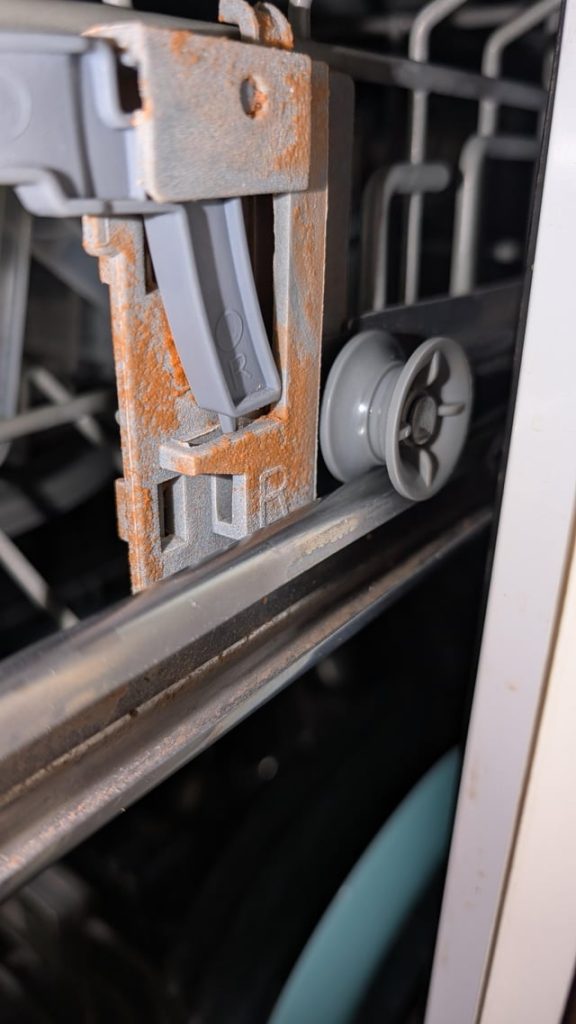
Are you noticing a pinkish hue lurking in your dishwasher? That unsightly intruder is known as pink mold, and it’s not just an eyesore—it could be affecting your health and the efficiency of your dishwasher.
Pink mold thrives in moist environments, making your dishwasher the perfect breeding ground. But don’t worry, you’re not alone in this battle. By understanding how to effectively eliminate this pesky problem, you’ll keep your dishwasher sparkling clean and your family safe.
Dive into this guide to discover simple, actionable steps to banish pink mold for good. Get ready to reclaim your kitchen’s cleanliness with confidence!

Credit: www.reddit.com
Causes Of Pink Mold
Pink mold in your dishwasher is more than just an eyesore—it signals a buildup of bacteria that thrives in certain conditions. Understanding what causes pink mold can help you prevent its return and keep your dishwasher clean and safe. Let’s break down what pink mold really is, why your dishwasher invites it, and what common risk factors you might be overlooking.
What Is Pink Mold
Pink mold is not actually a mold but a type of bacteria called Serratia marcescens. It appears as a slimy, pinkish film that clings to damp surfaces. This bacteria thrives in moist environments where soap scum and food particles collect.
Unlike black mold, pink mold doesn’t produce harmful toxins, but it can cause unpleasant odors and may trigger allergies or infections, especially if it spreads to other areas.
Why It Grows In Dishwashers
Dishwashers provide the perfect habitat for pink mold. They are warm, damp, and often have leftover food bits that bacteria love. The detergent residue and soap scum create a sticky surface where bacteria can easily stick and multiply.
Think about how many times you skip running your dishwasher immediately after loading dirty dishes. Water and food particles sit inside, giving pink mold a chance to grow. Also, the rubber seals and crevices inside the machine are often overlooked during cleaning and become prime spots for bacterial buildup.
Common Risk Factors
- Poor Dishwasher Maintenance:Irregular cleaning allows soap scum and food debris to build up, feeding bacteria.
- Low-Temperature Washes:Using cold or lukewarm water cycles doesn’t kill bacteria effectively.
- Hard Water Deposits:Minerals from hard water mix with soap and create residue that bacteria stick to.
- Infrequent Use:Dishwashers left unused for days create stagnant, damp conditions ideal for pink mold growth.
- Clogged Filters:Filters trapped with food particles provide nutrients for bacteria.
Have you noticed pink stains near your dishwasher’s door seal or inside corners? These spots are often missed during regular cleaning but are the main hideouts for pink mold. Paying attention to these risk factors can make a big difference in stopping pink mold from taking hold in your dishwasher.
Signs Of Pink Mold
Pink mold in your dishwasher can cause problems if not spotted early. Knowing the signs helps to act fast and keep your appliance clean. This section covers the main signs of pink mold to watch for.
Visual Indicators
Pink mold often appears as slimy pink or reddish stains. You may see it around door seals, filters, and spray arms. It sometimes looks like a thin film or patches. These areas stay damp, which helps mold grow.
Smell And Odor
Pink mold produces a musty or sour smell. The odor can spread inside the dishwasher and nearby areas. It may smell unpleasant after a wash cycle. This smell is a strong clue that mold is present.
Effect On Dishwasher Performance
Pink mold can clog filters and spray nozzles. This leads to poor water flow and less cleaning power. Dishes may come out dirty or with spots. The dishwasher might take longer to dry dishes properly.
Cleaning Supplies Needed
Getting rid of pink mold in your dishwasher requires the right cleaning supplies. Having these items ready makes the process quicker and more effective. Let’s look at what you’ll need to tackle this stubborn problem.
Household Ingredients
Simple ingredients found in your kitchen can help fight pink mold. White vinegar is excellent for breaking down mold and deodorizing. Baking soda adds scrubbing power without scratching surfaces.
Lemon juice is another natural option; its acidity helps kill mold spores and leaves a fresh scent. Don’t underestimate the power of a good dish soap to remove grease that mold loves to cling to. These ingredients are affordable and easy to find, making them a great first line of defense.
Commercial Cleaners
If household items don’t fully remove the pink mold, commercial cleaners can step in. Look for products labeled as mold and mildew removers that are safe for dishwashers. These cleaners often contain stronger ingredients designed to eliminate mold quickly.
Be sure to pick a cleaner that is non-toxic and dishwasher-safe to protect your appliance. Some brands even offer sprays specifically for kitchen appliances, which may help prevent mold from returning. Have you checked your local store’s cleaning aisle for specialized options lately?
Safety Gear
Protecting yourself during mold removal is crucial. Wearing rubber gloves keeps your hands safe from harsh chemicals and mold spores. A mask can prevent you from inhaling any airborne spores or fumes from cleaners.
Eye protection is also a smart idea, especially when using sprays or bleach-based products. You want to avoid irritation or injury while cleaning. Taking these precautions ensures your cleaning session is both safe and effective.

Credit: www.reddit.com
Step-by-step Cleaning Process
Pink mold in your dishwasher is a common problem. It thrives in damp, warm areas and can cause unpleasant odors. Removing it requires a clear cleaning plan. Follow this step-by-step cleaning process to get rid of pink mold and keep your dishwasher fresh.
Preparing The Dishwasher
Start by emptying the dishwasher completely. Remove all dishes, utensils, and racks if possible. Check the spray arms and filters for visible debris or mold. Wear gloves to protect your hands from mold and cleaning agents. Gather cleaning supplies like white vinegar, baking soda, a soft brush, and a cloth. Ensure the dishwasher door is open for ventilation during cleaning.
Manual Cleaning
Mix equal parts white vinegar and warm water in a spray bottle. Spray the mixture on all affected areas, including the door seals, corners, and racks. Use a soft brush or old toothbrush to scrub mold spots gently. Pay attention to hard-to-reach places where mold hides. Wipe surfaces with a damp cloth to remove loosened mold and dirt. Remove and clean the filter separately under running water.
Running A Cleaning Cycle
Place a cup of white vinegar in a dishwasher-safe container on the top rack. Run the dishwasher on the hottest and longest cycle available. The vinegar will help break down mold and disinfect the interior. After the cycle, sprinkle a cup of baking soda on the bottom of the dishwasher. Run a short hot water cycle to deodorize and remove any remaining stains.
Post-cleaning Maintenance
Keep the dishwasher door slightly open after use to dry the interior. Wipe the door seals and edges regularly with a vinegar solution. Clean the filter every week to prevent mold buildup. Avoid leaving dirty dishes inside for long periods. Regular maintenance reduces mold growth and keeps your dishwasher clean and odor-free.
Preventing Future Mold Growth
Preventing pink mold from returning in your dishwasher requires consistent care and attention. Once you’ve cleaned the mold, it’s crucial to maintain an environment that discourages its growth. Let’s look at practical steps you can take to keep your dishwasher fresh and mold-free.
Regular Cleaning Tips
Make cleaning your dishwasher a habit. Wipe down the door seals and edges weekly with a mixture of water and vinegar to remove any residue that mold loves to feed on.
Run an empty cycle with a cup of white vinegar or dishwasher cleaner once every two weeks. This helps break down soap scum and food particles that mold can cling to.
Don’t forget to clean the filter regularly. A clogged filter traps debris and moisture, creating a perfect mold habitat.
Proper Dishwasher Use
Are you letting your dishwasher dry properly after each use? Leaving the door shut traps moisture inside, inviting mold growth.
After the cycle ends, leave the door slightly open to allow air circulation and help dry out the interior. This small change can make a big difference.
Only run full loads to avoid excess water pooling, but don’t overload either, as poor water circulation can leave spots damp and mold-prone.
Moisture Control
Moisture is the main trigger for mold. Besides leaving the door open, you can use a small fan or dehumidifier in your kitchen to reduce overall humidity levels.
Check for leaks in your dishwasher or under the sink. Even minor drips create damp areas perfect for pink mold to flourish.
Consider wiping down the interior with a dry cloth after cycles if you notice lingering wet spots. This extra step can prevent moisture buildup where mold thrives.
When To Call A Professional
Pink mold in a dishwasher is more than a cleaning issue. It can harm your health and damage your appliance. Knowing when to call a professional saves time and prevents bigger problems. Some situations need expert help to handle the mold safely and thoroughly.
Signs Of Severe Infestation
- Pink mold spreads fast and covers large dishwasher areas.
- Strong, unpleasant odors persist after cleaning attempts.
- Repeated mold growth despite regular cleaning efforts.
- Visible damage to dishwasher seals, gaskets, or interior parts.
- Water drainage issues or unusual noises during cycles.
These signs show the mold problem is deep-rooted. A professional can assess and treat the infestation properly.
Repair And Replacement Options
Professionals inspect your dishwasher to find mold damage. They suggest repairs or part replacements to restore the appliance.
- Replacing worn-out seals or gaskets to stop mold return.
- Fixing drainage or mechanical issues that cause mold buildup.
- Deep cleaning with special tools and mold-killing agents.
- Replacing the dishwasher if damage is severe and costly.
Getting expert advice ensures your dishwasher stays clean and safe to use.

Credit: www.reddit.com
Frequently Asked Questions
What Causes Pink Mold In Dishwashers?
Pink mold is caused by bacteria called Serratia marcescens. It thrives in warm, damp, and humid dishwasher environments. Food residue and soap scum provide nutrients for its growth. Regular cleaning and drying prevent it from returning.
How Can I Safely Remove Pink Mold From My Dishwasher?
Use a mixture of white vinegar and baking soda to clean the dishwasher. Spray the solution on affected areas, scrub gently, and run a hot water cycle. This kills bacteria and removes mold without harsh chemicals.
Can Pink Mold Harm My Health Or Dishwasher?
Pink mold is generally not harmful but can cause allergies or infections in sensitive people. It also indicates poor dishwasher hygiene, potentially affecting appliance efficiency and cleanliness. Regular cleaning keeps both safe and functional.
How Often Should I Clean My Dishwasher To Prevent Pink Mold?
Clean your dishwasher at least once a month. Regular cleaning removes food debris and moisture that promote mold growth. Wipe seals and door edges after each use to keep it dry and mold-free.
Conclusion
Getting rid of pink mold in your dishwasher is simple with regular cleaning. Use vinegar or bleach to scrub the mold away. Keep the dishwasher dry after each use to stop mold growth. Clean the filter and door seals often for best results.
Small steps prevent mold from coming back. A clean dishwasher means cleaner dishes and a healthier kitchen. Start these easy habits today to keep your dishwasher mold-free.