Have you ever wondered how much electricity your deep freezer is actually using? Knowing the watts a deep freezer consumes can help you manage your energy bills better and make smarter choices for your home.
Whether you’re trying to save money or reduce your carbon footprint, understanding your freezer’s power usage is a key step. You’ll discover exactly how many watts your deep freezer uses, what affects its energy consumption, and simple tips to keep those costs low.
Keep reading to take control of your energy use and keep your freezer running efficiently without surprises on your bill.
Deep Freezer Power Basics
Understanding the power basics of your deep freezer helps you manage your electricity bill better and ensures your appliance runs efficiently. Knowing how much energy your freezer consumes can guide you in choosing the right model and using it wisely.
Typical Wattage Range
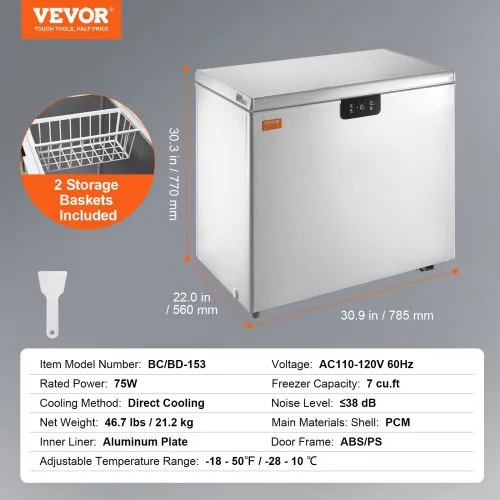
Most deep freezers use between 150 and 400 wattswhen running. Smaller models, like chest freezers under 5 cubic feet, often stay closer to the lower end of this range. Larger or upright freezers can use more power, sometimes reaching up to 500 watts during the compressor’s start-up phase.
Keep in mind, the compressor doesn’t run constantly. It cycles on and off to maintain the set temperature, so average daily consumption is usually less than the peak wattage suggests.
Factors Affecting Power Use
- Size and Capacity:Bigger freezers need more energy to cool larger spaces.
- Age and Efficiency:Newer models with Energy Star ratings generally use less power.
- Temperature Setting:Lower temperatures increase energy use, so setting your freezer too cold can waste power.
- Location:Placing your freezer near heat sources or in a warm room makes it work harder.
- Usage Patterns:Opening the freezer frequently lets cold air out, forcing the compressor to consume more energy.
I once underestimated how much power my old deep freezer used until I tracked my energy bills closely. Switching to a newer, more efficient model cut my freezer’s power consumption by almost 30%. It made me wonder—how much could you save by optimizing your freezer’s settings or upgrading?
Credit: www.tataneu.com
Energy Consumption Patterns
Understanding the energy consumption patterns of a deep freezer helps in managing electricity bills. Deep freezers use different amounts of power depending on their operation stage and settings. This section explains key factors that affect how many watts a deep freezer uses.
Running Vs Starting Watts
Deep freezers consume power in two main ways: running watts and starting watts. Running watts are the energy used to keep the freezer cold during normal operation. Starting watts are higher and occur when the compressor first turns on. This surge can be two to three times the running watts. Appliances need enough power to handle this starting spike. Knowing both numbers helps choose the right power supply or backup system.
Impact Of Temperature Settings
Temperature settings greatly influence energy use. Setting the freezer too cold forces the compressor to work harder and longer. This increases running watts and electricity cost. A moderate temperature setting keeps food safe and lowers power consumption. Frequent opening also changes internal temperature, causing more energy use. Keeping the door closed as much as possible helps maintain steady energy use.
Calculating Daily And Monthly Usage
Calculating daily and monthly watt usage helps understand your deep freezer’s energy cost. Multiply the freezer’s wattage by hours used each day, then by days in the month. This simple math shows how much power your freezer consumes over time.
Calculating how much electricity your deep freezer uses daily and monthly can save you money and make you more energy-conscious. Understanding your appliance’s energy consumption can help you budget effectively and even consider more energy-efficient options if needed. Knowing the details not only aids in financial planning but also supports sustainable living practices.Estimating Kwh Consumption
To estimate the kilowatt-hour (kWh) consumption of your deep freezer, you first need to know its wattage. This information is usually on a label inside the freezer or in the user manual. Let’s say your deep freezer uses 200 watts. To calculate daily kWh usage, multiply the wattage by the number of hours the freezer runs each day. Assume it runs continuously, which is common, so multiply 200 watts by 24 hours. Then, convert watts to kilowatts by dividing by 1,000, resulting in 4.8 kWh per day. For monthly usage, multiply the daily kWh by 30 days. This would mean your deep freezer uses approximately 144 kWh per month. Are you surprised by how much energy your freezer consumes?Converting Watts To Cost
Once you know the kWh usage, converting it to cost is straightforward. Check your electricity bill to find out how much you pay per kWh. Suppose your rate is $0.12 per kWh. Multiply your freezer’s monthly kWh usage by your electricity rate. In this example, 144 kWh multiplied by $0.12 equals $17.28 per month. That’s how much your deep freezer adds to your electricity bill monthly. Understanding these numbers can be enlightening. Are you getting value for the energy your freezer uses, or is it time to consider an upgrade? By staying informed, you can make better decisions for your household and the planet.
Credit: www.homedepot.ca
Energy Efficiency Tips
Saving energy with your deep freezer isn’t just about cutting costs; it’s about smart use and care. Small changes in how you use and maintain your freezer can lead to noticeable drops in electricity bills. Let’s look at practical ways to make your deep freezer more energy efficient.
Optimal Placement And Ventilation
Where you place your deep freezer affects how hard it works. Avoid spots near heat sources like ovens, heaters, or direct sunlight.
Make sure there is enough space around the freezer for air to flow. This helps the compressor stay cool and run less often.
Have you checked if your freezer feels hot at the back? That heat needs to escape easily to save energy.
Regular Maintenance Benefits
Keeping your freezer clean and in good shape is key. Dust off the coils regularly to prevent overheating.
Check door seals for cracks or gaps. A tight seal keeps cold air inside and reduces power use.
Think about the last time you defrosted your freezer. Ice buildup forces the unit to work harder, so defrost when needed.
Choosing Energy-star Models
Not all freezers consume the same power. Models with the Energy Star label meet strict energy efficiency guidelines.
They use advanced technology to keep your food cold while using less electricity.
Investing a bit more upfront in an Energy Star deep freezer can save you money over time. Would you rather pay less now or save more later?
Comparing Deep Freezers To Other Appliances
Understanding how much electricity a deep freezer uses helps manage energy costs. Comparing it to other common appliances clarifies its power needs. This section compares deep freezers with refrigerators and different types of freezers.
Freezers Vs Refrigerators
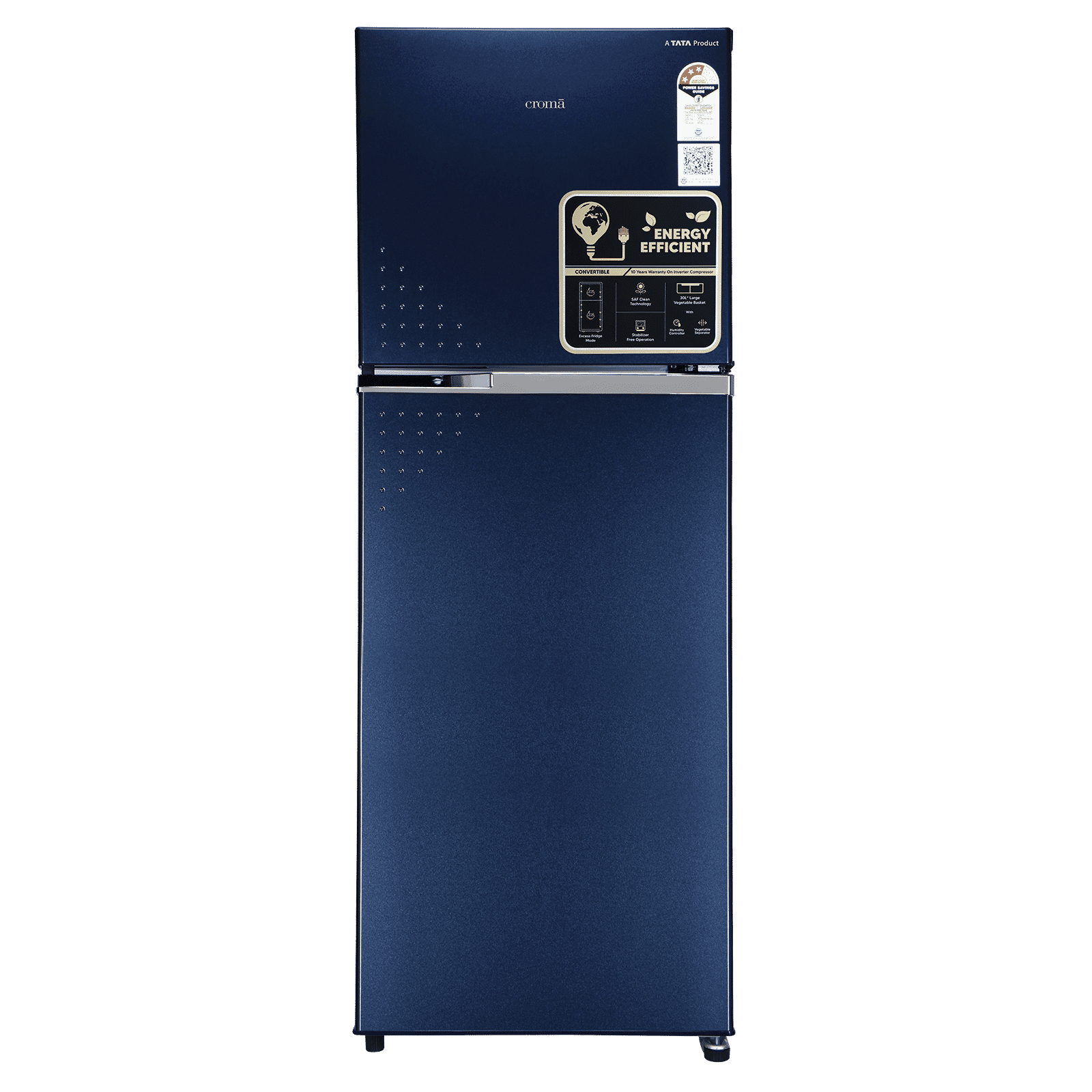
Refrigerators usually use between 100 and 250 watts. Deep freezers often use 150 to 400 watts. Freezers run longer to keep food frozen solid. Refrigerators cycle on and off more often to stay cool.
Freezers keep food at 0°F (-18°C). Refrigerators keep food around 37°F (3°C). This colder temperature means freezers use more electricity. However, freezers store larger amounts of food for longer.
Deep Freezers Vs Chest Freezers
Chest freezers often use less power than upright deep freezers. Their design keeps cold air inside better when opened. Upright freezers lose more cold air each time the door opens.
Deep freezers, including chest types, vary in watt use by size. Larger models consume more watts but offer more storage. Energy-efficient models use better insulation and compressors to save power.
Using Renewable Energy With Deep Freezers
Using renewable energy to power your deep freezer can dramatically cut down your electricity bills and reduce your carbon footprint. It’s a smart choice, especially if you want to keep your frozen goods safe during power outages or if you live off the grid. Let’s look at some practical ways to connect your deep freezer to renewable energy sources.
Solar Power Integration
Solar panels are a popular way to run deep freezers sustainably. A typical deep freezer uses between 100 to 400 watts, depending on size and efficiency. You can size your solar system accordingly to meet this demand without overspending.
Think about pairing your freezer with a 300-watt solar panel setup. This generally covers the energy needs of an average deep freezer during the day. If you install solar panels, remember to:
- Calculate your freezer’s wattage and daily usage hours
- Choose panels that produce enough power even on cloudy days
- Use a solar charge controller to protect your system
I once set up a solar-powered deep freezer for a small cabin. I noticed the freezer ran smoothly without any interruptions, even when the sun was weak. It gave me peace of mind, knowing my frozen food was safe, and I wasn’t depending on the grid.
Battery Backup Solutions
Solar panels alone don’t work at night or during storms. That’s where batteries come in. A battery backup stores excess solar energy so your deep freezer can keep running when the sun isn’t shining.
Choosing the right battery involves considering:
- Battery capacity (measured in amp-hours or kilowatt-hours)
- Depth of discharge (how much energy you can safely use)
- Battery lifespan and maintenance needs
For example, a 12V 200Ah deep-cycle battery can power a small deep freezer for several hours during a blackout. If you want longer backup time, you can add multiple batteries in parallel.
Ask yourself: how long do you want your freezer to run without sunlight? This will guide you in choosing the right battery size. Adding a battery backup not only protects your food but also helps you stay independent from the power grid.
Credit: www.vevor.com
Frequently Asked Questions
How Many Watts Does A Deep Freezer Typically Use?
A deep freezer usually consumes between 150 to 400 watts depending on its size and model. Larger freezers use more watts to maintain low temperatures efficiently.
What Affects A Deep Freezer’s Energy Consumption?
Energy use depends on freezer size, insulation quality, temperature settings, and usage frequency. Well-maintained freezers with good insulation use less power.
Can A Deep Freezer Run On Solar Power?
Yes, a deep freezer can run on solar power with the right solar panel and battery setup. Efficient models with lower wattage are easier to power this way.
How To Calculate A Deep Freezer’s Electricity Cost?
Multiply the freezer’s wattage by daily usage hours, then by your electricity rate. This gives a close estimate of your monthly energy cost.
Conclusion
A deep freezer uses different watts based on size and model. Knowing this helps manage your electricity bill better. Small freezers use less power, big ones use more. Choosing the right freezer saves energy and money. Keep doors closed to keep the cold inside.
Regular maintenance also helps the freezer run well. Understanding watts makes your choice smarter and your use easier. Simple steps lead to better energy use and cost savings.