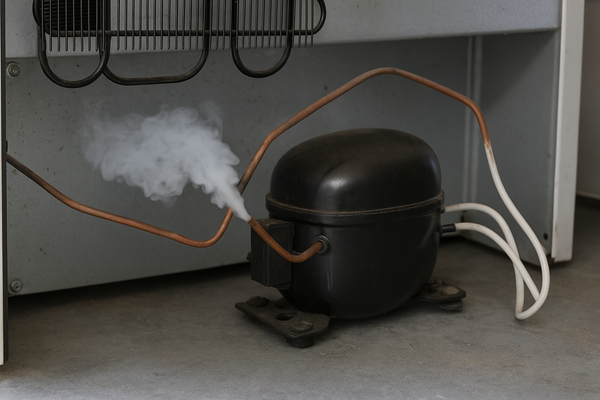
Is your refrigerator not keeping your food as cold as it should? You might be wondering if it needs a dose of Freon.
When your refrigerator starts misbehaving, it can be frustrating, especially when you rely on it to keep your groceries fresh. Knowing when your fridge might need Freon is crucial to preventing spoilage and avoiding unnecessary expenses. In this guide, we’ll help you understand the telltale signs that your refrigerator might be low on Freon and what steps you can take next.
By the end, you’ll feel more confident about diagnosing the problem and deciding the best course of action. Let’s dive in and ensure your fridge is running smoothly.

Credit: www.townappliance.com
Signs Of Low Refrigerant
Low refrigerant in a refrigerator can cause many problems. It stops the fridge from cooling properly. Knowing the signs helps you fix the issue quickly. Watch for these common symptoms to spot low refrigerant.
Warm Interior Temperature
The fridge should stay cold all the time. Warm or fluctuating temperatures inside mean the refrigerant might be low. Food spoils faster. Check the temperature with a fridge thermometer. If it stays above 40°F, the cooling system may be failing.
Frost Build-up On Coils
Frost or ice on the evaporator coils is a clear sign. It forms when refrigerant leaks or runs low. The coils freeze up and block airflow. This stops the fridge from cooling well. Inspect the coils inside the freezer or back of the fridge for unusual frost.
Unusual Noises
Strange sounds like hissing or bubbling may come from the fridge. These noises often indicate a refrigerant leak. The system tries to work harder, causing odd sounds. Listen closely when the compressor runs. Noises that are new or louder than usual are warnings.
Longer Cooling Cycles
The compressor usually runs in short bursts. When refrigerant is low, it runs longer to keep the fridge cold. This wastes energy and wears out the compressor. Notice if the fridge runs nonstop or for very long periods. This change shows the system struggles to maintain the right temperature.
Checking For Leaks
Checking for leaks is a crucial step in figuring out if your refrigerator needs Freon. A leak can cause the cooling system to lose refrigerant, leading to poor performance. Catching leaks early can save you from costly repairs and spoiled food.
Visible Oil Residue
Look closely around the refrigerator’s compressor and tubing for any oily spots. Refrigerant leaks often carry a bit of compressor oil with them, leaving behind an oily residue. If you spot this, it’s a strong sign that your fridge might be losing Freon.
Don’t just glance—inspect in good light and touch the area gently. Oil can sometimes look like dirt or dust, so a careful check helps you avoid missing it. Have you ever noticed a sticky or greasy patch where it shouldn’t be?
Hissing Sounds
Pay attention to any unusual sounds coming from your fridge. A steady hissing noise often means that refrigerant is escaping through a small hole or crack. This sound might be faint, so try listening when the room is quiet.
If you hear hissing, it’s a warning sign not to ignore. It’s like your refrigerator is trying to tell you something is wrong. How long has that sound been there without you noticing?
Professional Leak Detection
If you’re unsure about what you’ve found or want confirmation, calling a professional is the best move. Experts use tools like electronic leak detectors or UV dye tests to pinpoint leaks accurately. These tests are quick and can save you from guessing.
Getting a professional check can also protect your fridge’s warranty and prevent bigger damage. Sometimes, what seems like a small leak can cause major issues over time. Are you ready to invest in a proper diagnosis for peace of mind?
When To Call A Technician
Knowing the right moment to call a technician for your refrigerator can save you time, money, and prevent further damage. Some signs clearly indicate that professional help is necessary, especially when your fridge struggles to stay cool despite your efforts. Recognizing these signs early helps maintain your appliance’s efficiency and avoids costly repairs down the line.
Persistent Cooling Issues
If your refrigerator continues to have cooling problems even after you’ve checked the basics—like door seals, temperature settings, and proper ventilation—it’s a strong signal to call a technician. A steady drop in cooling performance often points to a Freon leak or compressor trouble that only a professional can fix.
Have you noticed your fridge running constantly or ice buildup inside? These are common symptoms that your appliance needs expert attention rather than a quick DIY fix.
Diy Troubleshooting Limits
It’s tempting to try and fix fridge issues on your own, but some problems go beyond simple cleaning or adjusting settings. Handling refrigerants like Freon requires special tools and certifications—something you likely don’t have at home.
Attempting to recharge Freon without proper knowledge can worsen the problem or even damage your refrigerator’s cooling system permanently. When your troubleshooting hits a wall, it’s time to bring in a technician who knows exactly what to do.
Safety Concerns
Dealing with refrigerants involves risks such as chemical exposure and pressurized gas leaks. These can pose serious health hazards if not handled correctly. Calling a professional ensures the job is done safely and in compliance with environmental regulations.
Also, electrical components inside your fridge can be dangerous if tampered with improperly. Protect yourself by trusting trained technicians who carry the right safety gear and expertise.

Credit: www.youtube.com
Preventing Refrigerant Problems
Keeping your refrigerator’s refrigerant system in good shape is key to avoiding costly repairs and spoiled food. Preventing refrigerant problems not only extends the life of your appliance but also ensures it runs efficiently. Small habits and timely checks can save you from the hassle of low Freon levels and cooling failures.
Regular Maintenance Tips
Clean the condenser coils at least twice a year to prevent dust buildup. Dust and dirt make the compressor work harder, which can lead to refrigerant leaks. Check door seals regularly; damaged seals let cold air escape, forcing your fridge to overwork.
Have a professional inspect the refrigerant levels during annual service visits. They can spot minor leaks before they become major problems. Don’t ignore unusual noises or temperature fluctuations—these might signal a refrigerant issue.
Proper Usage Habits
Don’t overload your fridge; air needs to circulate freely to keep things cool. Avoid placing hot food directly inside, as this raises internal temperature and strains the cooling system. Make sure the fridge is level—an uneven surface can cause the refrigerant to flow improperly.
Keep the fridge door closed as much as possible. Every time you open it, warm air enters, causing the compressor to work harder. Think about how often you open your fridge—is it more than necessary?
Early Warning Signs
Notice if your fridge is running constantly or if the temperature inside fluctuates unexpectedly. These can be signs of refrigerant loss. Ice buildup in the freezer or water pooling inside the fridge also points to cooling issues linked to refrigerant problems.
Listen for hissing sounds near the compressor or refrigerant lines. Such noises might indicate a leak. Catching these signs early can prevent a complete system breakdown and save you from emergency repairs.

Credit: www.searshomeservices.com
Frequently Asked Questions
How Do I Know If My Fridge Needs Freon?
If your fridge isn’t cooling well, it may lack Freon. Check for warm spots and frost buildup inside. A professional can confirm if a Freon refill is needed.
What Are Common Signs Of Low Freon In Refrigerators?
Common signs include poor cooling, strange noises, and frost buildup on coils. Your fridge may also run constantly without cooling effectively, indicating low Freon.
Can I Refill Freon In My Refrigerator Myself?
Refilling Freon requires special tools and certification. It’s best to hire a professional technician to safely handle refrigerants and avoid damage or injury.
How Often Should Refrigerator Freon Be Checked Or Refilled?
Freon rarely needs refilling unless there is a leak. Have a technician inspect your fridge if cooling issues arise to prevent bigger problems.
Conclusion
A fridge low on Freon will not cool well. Watch for warm spots or frost buildup inside. Strange noises or constant running also signal a problem. Catching these signs early saves time and money. Call a professional to check and refill Freon safely.
Regular care keeps your fridge working longer. Stay alert to keep your food fresh and safe. Simple checks help avoid bigger repairs later. Trust your senses—cold, noise, and frost matter most.