Have you ever wondered if freezing temperatures can get rid of mold for good? If you’ve spotted mold growing in your home or on your belongings, you might be hoping that a cold snap will solve the problem without any extra effort.
But can the cold really kill mold, or does it just slow it down? Understanding how mold reacts to freezing temperatures is key to protecting your space and keeping your family safe. Keep reading, because what you learn here could save you time, money, and frustration.
Credit: australianmutual.bank
How Mold Reacts To Cold
Understanding how mold reacts to cold is important for controlling its spread. Cold temperatures slow down mold activity but do not always kill it. Mold can survive in freezing conditions by going dormant. It pauses growth and waits for warmer, moist environments to thrive again.
Mold Growth Basics
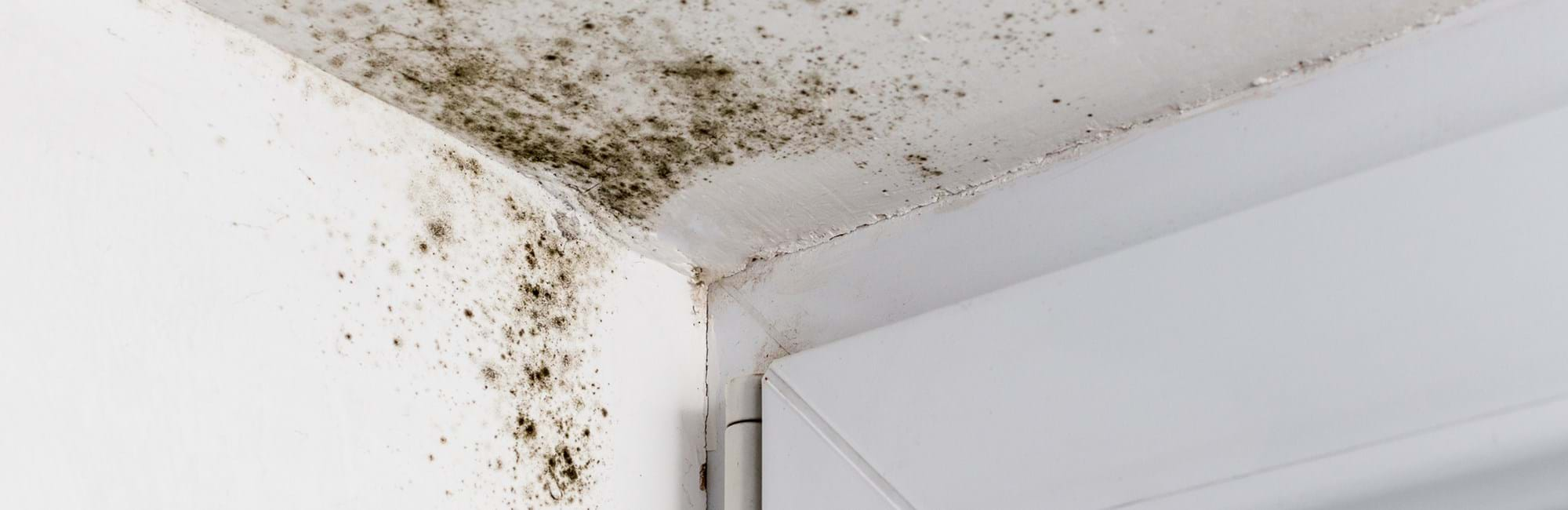
Mold is a type of fungus that grows in damp places. It needs moisture, warmth, and food like wood or fabric. Mold spores float in the air and settle on wet surfaces. Once conditions are right, spores begin to grow and spread quickly.
Temperature plays a key role in mold growth. Most molds grow best between 77°F and 86°F (25°C to 30°C). Below 60°F (15°C), mold growth slows down. If temperatures drop below freezing, mold does not grow but may survive.
Effects Of Freezing On Mold Cells
Freezing temperatures cause water inside mold cells to form ice crystals. These crystals can damage cell structures. Despite this, many mold spores can survive freezing by entering a dormant state. When the temperature rises, spores can reactivate and start growing again.
Freezing may reduce visible mold but does not eliminate the risk completely. Mold can resume growth after thawing if moisture returns. Freezing alone is not a reliable way to kill mold permanently.
Freezing Vs Mold Elimination
Freezing temperatures affect mold in different ways. Many believe cold kills mold entirely. The truth is more complex. Understanding how freezing interacts with mold helps manage mold problems better.
Temporary Dormancy Or Death?
Freezing does not kill mold spores. Instead, it puts mold into a state of dormancy. The cold stops mold growth but does not destroy the mold cells. When temperatures rise, mold can become active again quickly.
Freezing acts like a pause button for mold. It prevents mold from spreading during cold periods. But it does not solve mold problems permanently. Mold needs to be removed physically or treated with proper cleaners.
Common Misconceptions
Many think freezing will eliminate mold completely. This is false. Mold spores survive extreme cold and thawing. Freezing can slow down mold but does not kill it.
Some assume that frozen mold is safe. In fact, mold can cause health issues even if dormant. Mold allergens remain in frozen mold. Removing mold is necessary regardless of cold exposure.
Proper mold removal involves cleaning and drying affected areas. Freezing alone is not a reliable mold control method.
Factors Influencing Mold Survival
Freezing temperatures can slow mold growth but often do not kill mold completely. Mold spores survive in cold conditions and can reactivate when warmed. Factors like moisture and mold type also affect how well mold survives freezing.
Understanding the factors influencing mold survival can help you decide how best to handle a mold issue, especially when considering freezing temperatures as a solution. Mold is a resilient organism that can be tricky to eliminate. While freezing temperatures might seem like a simple fix, it’s essential to know the various factors that affect whether mold survives or perishes in the cold.Duration Of Freezing
The length of time mold is exposed to freezing temperatures plays a crucial role in its survival. A quick freeze might not be enough to kill mold completely. Extended exposure to cold, however, can be more effective in damaging and killing mold spores. Have you ever left something outside during a hard freeze overnight, only to find it changed the next day? Similarly, mold needs sustained freezing to be significantly affected.Moisture Levels
Moisture is mold’s lifeline, and even in freezing conditions, moisture can persist. Mold often survives when enough moisture remains in the environment. Reducing moisture levels is as critical as lowering temperatures. Consider how a damp basement in winter remains a breeding ground for mold despite the cold. Tackling humidity and dampness alongside freezing is essential for better results.Type Of Mold Species
Different mold species have varying levels of resistance to cold. Some molds are hardy and can withstand freezing better than others. Identifying the mold type can guide you on whether freezing will be effective. Think of it like plants; some thrive in the cold, while others wither. Knowing what you’re dealing with can save time and effort in mold removal strategies. Understanding these factors can guide you in effectively addressing mold issues with freezing temperatures. Would freezing be enough for your situation, or do you need a multi-faceted approach?Effective Mold Removal Methods
Removing mold effectively requires more than just hoping freezing temperatures will do the trick. While cold can slow mold growth, it rarely kills it completely. You need a combination of proper cleaning, chemical treatments, and preventive steps to truly tackle mold and keep it away for good.
Cleaning Techniques
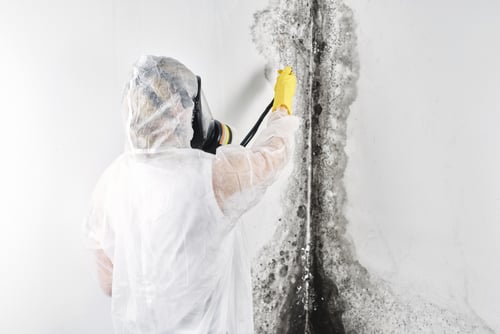
Physical removal is your first line of defense. Use a scrub brush or sponge with soap and water to clean non-porous surfaces. Avoid dry brushing since it can release mold spores into the air, making the problem worse.
For porous materials like wood or drywall, you might have to replace them if mold has deeply penetrated. Always wear gloves and a mask to protect yourself during cleaning. Have you checked hidden spots like behind furniture or under carpets? Mold often hides where you least expect it.
Chemical Treatments
Some cleaners can kill mold spores and prevent them from coming back. Common options include solutions with bleach, vinegar, or commercial mold removers. Bleach works well on hard surfaces but use it with caution, as it can be harsh and toxic.
Vinegar is a safer, natural alternative that kills about 82% of mold species. Spray it directly on the mold and let it sit for an hour before wiping. Always test a small area first to avoid damage to surfaces.
Do you know which chemicals are safe for your home and family? Read labels carefully and avoid mixing chemicals, which can create dangerous fumes.
Preventive Measures
Stopping mold before it starts is easier than removing it later. Control moisture by fixing leaks, using dehumidifiers, and ensuring good ventilation. Mold thrives in damp environments, so keeping your home dry is key.
Regularly inspect areas prone to moisture, like bathrooms and basements. Using mold-resistant paint or sealants can add an extra layer of protection. How often do you check your home for hidden mold risks? Making it a routine can save you headaches down the line.
Real-life Cases And Studies
Understanding whether freezing temperatures can kill mold is more than just theory—real-life cases and studies offer valuable insights. These examples help clarify how mold reacts to cold in everyday settings and industrial environments. Let’s look at actual experiences and research to see what happens to mold under freezing conditions.
Household Mold And Freezing
Many people wonder if simply putting moldy items in the freezer will solve the problem. Research and practical cases show that freezing often stops mold growth temporarily but doesn’t kill it completely. Mold spores can survive freezing temperatures and become active again once conditions warm up.
One homeowner shared how freezing a moldy piece of bread didn’t prevent mold from returning after thawing. This shows that freezing alone isn’t enough to remove mold from your belongings.
If you find mold in your home, freezing might help contain its spread for a short period. However, thorough cleaning and drying remain essential to eliminate mold effectively. Could freezing be a useful step in your mold cleanup routine, or is it just a temporary fix?
Industrial Applications
Freezing temperatures are used in some industries to control mold and other microbes, but mostly as part of a combined treatment. For example, food processing plants may freeze products to slow mold growth during storage. Still, freezing is not relied on as a sole method to kill mold.
Studies in industrial settings reveal that mold spores withstand freezing and can reactivate quickly once thawed. This means industries often pair freezing with other methods like chemical treatments or heat to ensure mold is destroyed.
In cold storage facilities, mold prevention focuses on controlling moisture and temperature rather than expecting freezing alone to kill mold. How might this affect your approach if you’re storing mold-sensitive items in cold environments?

Credit: www.puroclean.com

Credit: primehomeservices.ca
Frequently Asked Questions
Does Freezing Temperatures Kill Mold Completely?
Freezing temperatures do not kill mold completely. They only stop mold growth temporarily. Once temperatures rise, mold can reactivate and spread again.
Can Mold Survive Harsh Winter Conditions?
Yes, mold can survive harsh winter conditions. It becomes dormant in freezing weather but can revive when warmth and moisture return.
How Effective Is Freezing In Mold Removal?
Freezing alone is not effective for mold removal. It only halts mold growth temporarily but does not eliminate existing mold spores.
Does Freezing Damage Mold Spores Permanently?
Freezing does not damage mold spores permanently. Spores remain viable and can grow once the environment becomes favorable again.
Conclusion
Freezing temperatures can slow mold growth but do not kill it completely. Mold spores survive cold and can become active again when warm. Cleaning and drying moldy areas remain important to prevent damage. Simply freezing items will not remove mold safely.
Use proper mold removal methods for a healthy home. Stay aware of moisture and humidity to control mold risks. Taking action early helps protect your space and health.