Have you ever wondered how long it actually takes for the ground to freeze? Whether you’re planning outdoor projects, gardening, or just curious about the changes beneath your feet, knowing this can make a big difference.
The answer isn’t as simple as you might think. Factors like temperature, soil type, and moisture all play a role. Keep reading, and you’ll discover the surprising details that affect freezing times and how this knowledge can help you prepare better for the cold months ahead.

Credit: extension.psu.edu
Factors Affecting Ground Freezing
Soil type, moisture, and air temperature all influence how quickly the ground freezes. Cold winds and snow cover can speed up or slow down freezing time. Ground freezing varies greatly depending on these natural factors.
Understanding how long it takes for the ground to freeze is crucial, especially if you’re planning construction or garden activities during the colder months. Various factors influence the rate at which the ground freezes, and recognizing these can help you anticipate changes and prepare accordingly. Let’s explore some of the key factors.Soil Type And Composition
The type of soil plays a pivotal role in ground freezing. Sandy soils, for instance, freeze faster than clay soils due to their loose structure and larger air pockets. In contrast, clay retains moisture and takes longer to freeze, creating a unique challenge if you’re working with such soil.Moisture Content
Moisture in the soil acts like a natural antifreeze. Wet soil retains heat longer, delaying the freezing process. If you’ve ever noticed that dry patches in your garden freeze before the wetter areas, you’ve seen this principle in action.Air Temperature Influence
It’s no surprise that air temperature greatly impacts ground freezing. Lower temperatures speed up the process, while warmer conditions slow it down. But did you know that brief warm spells might not thaw the ground once it’s frozen? This can lead to a deceptive freeze-thaw cycle that affects your outdoor plans.Snow Cover Impact
Snow acts as an insulator, affecting how quickly the ground beneath freezes. A thick snow cover can keep the ground warmer, slowing the freezing process. However, a lack of snow exposes the ground to cold air, accelerating freezing. If you’ve ever wondered why some areas in your yard stay unfrozen longer, check the snow cover. By understanding these factors, you can better predict and manage the freezing of the ground in your area. What other factors do you think might influence ground freezing that we haven’t covered?Freezing Process Timeline
Understanding the timeline of the ground freezing process helps you prepare for cold weather impacts. It’s not just about the air temperature dropping; the ground reacts in stages that affect everything from gardening to construction. Let’s break down how the freezing starts and how deep it goes over time.
Initial Temperature Drop
The ground doesn’t freeze immediately once the air temperature falls below freezing. It first loses heat gradually, starting at the surface. The rate of this temperature drop depends on factors like soil type, moisture, and snow cover.
Have you noticed how some mornings feel colder on bare soil than on grass? That’s because vegetation acts as insulation, slowing the heat loss. This initial phase can last from several hours to a few days depending on conditions.
Formation Of The Frozen Layer
Once the ground temperature reaches 0°C (32°F), a thin frozen layer begins to form. This layer acts as a barrier, slowing further heat loss from deeper soil. It usually starts as a frost layer and then thickens.
The thickness of this frozen layer can tell you how long the cold has been affecting the ground. For example, after a long cold night, you might feel a firm crust just a few centimeters deep. This stage is critical because it sets the pace for deeper freezing.
Depth Progression Over Time
After the frozen layer forms, the freezing front moves downward slowly. Each day of sustained cold can add several centimeters to the frozen depth. However, this progression is not linear—it slows as the ground freezes deeper.
Think about the last time you tried digging in winter. The top layers might break easily, but just a few inches down, the soil could be solid as ice. Monitoring how deep the freeze goes helps you plan activities like planting or installing pipes to avoid damage.
Seasonal And Geographic Variations
How quickly the ground freezes depends heavily on where you live and what season it is. Different regions face unique weather patterns that affect freezing times. Understanding these variations helps you predict and prepare for winter conditions more accurately.
Cold Regions Vs Mild Climates
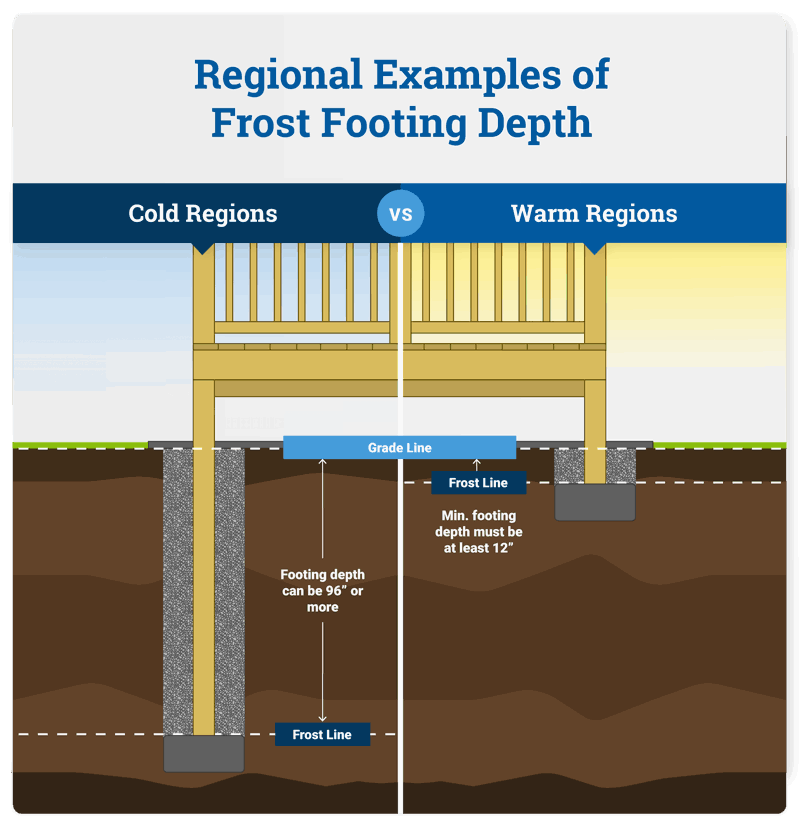
In cold regions, the ground freezes much faster and to greater depths. This happens because temperatures drop quickly and stay low for longer periods. For example, in places like Alaska or northern Canada, the ground can freeze within days after the first frost.
In contrast, mild climates experience slower ground freezing. The soil often stays thawed for weeks or even months because temperatures hover around freezing or fluctuate above it. Think about areas like the southern United States where winter nights may be cold, but days warm up enough to delay the freeze.
Have you noticed how your garden soil in a temperate zone takes longer to freeze than in colder states? That’s a clear sign of how climate impacts freezing speed and depth.
Urban Vs Rural Differences
Urban areas usually have a delayed freezing time compared to rural locations. Cities generate more heat due to buildings, roads, and human activity, creating what’s called the “urban heat island” effect. This extra warmth slows down the ground’s freezing process.
Meanwhile, rural areas with open fields and less infrastructure experience faster and deeper ground freezing. Without the heat from concrete and traffic, the soil cools quickly once temperatures drop. If you live outside the city, you might notice frost appearing earlier in your yard than in downtown parks.
Have you ever wondered why your city sidewalk stays frost-free longer than the countryside? The urban heat island effect is the reason, and it’s a critical factor in how ground freezing varies even within the same region.

Credit: olympicdecks.com
Effects Of Frozen Ground
Frozen ground doesn’t just sit quietly underfoot during the colder months. Its presence affects many aspects of our daily lives and the environment around us. Understanding these effects can help you prepare for challenges or make smarter decisions in your projects and gardening.
Impact On Construction And Infrastructure
Frozen ground can significantly delay construction projects. When the soil is frozen, digging or laying foundations becomes much harder, often requiring specialized equipment or techniques.
Pipes and roads are also vulnerable. Water inside pipes can freeze and burst, causing costly damage. Roads may crack or heave as the ground expands and contracts with freezing and thawing cycles.
Have you ever noticed how sidewalks look uneven after winter? That’s the frozen ground shifting beneath them. Planning construction around these patterns can save time and money.
Influence On Plant Life
Frozen ground affects which plants can survive in your garden or farm. Roots struggle to grow in hard, frozen soil, limiting access to water and nutrients.
Some plants have adapted to freeze conditions, but many suffer damage or die back if the ground stays frozen too long. This can impact your landscape’s look and productivity.
Think about how you prepare your garden for winter. Are you giving your plants enough protection from the cold soil? Understanding the freeze depth can guide you on when to mulch or cover sensitive plants.
Changes In Soil Stability
Frozen ground changes the way soil behaves under pressure. It becomes rigid and less able to absorb water, which can lead to increased runoff and erosion when it thaws.
This shift can cause landslides or sinkholes in certain areas, especially on slopes or loose soils. It also affects how stable your foundation or driveway remains through seasonal changes.
Have you checked how your soil drains after winter? Watching for signs of instability can help you take early action to prevent damage to your property.
Methods To Measure Ground Freezing
Measuring how long it takes for the ground to freeze is more than just watching the temperature drop. Accurate measurement helps in construction, agriculture, and environmental monitoring. There are several reliable ways to track this process, each with its own set of tools and techniques.
Thermocouples And Sensors
Thermocouples and sensors are widely used for precise ground temperature measurement. They are placed at different soil depths to monitor the freezing front as it moves downward.
You can install these devices in your garden or construction site to get real-time data. Some sensors even connect to apps, letting you track freezing progress remotely. Have you ever wondered how deep the frost actually goes in your area? These tools give you that exact answer.
Visual Inspection Techniques
Visual inspection involves observing physical changes in the soil, such as frost heave or ice lens formation. This method requires you to check the ground regularly, especially after cold nights.
It’s practical for farmers or homeowners who want a quick, low-cost way to estimate freezing depth. Paying attention to cracks or soil texture changes can give clues about freezing without any gadgets. How often do you actually look closely at the ground during winter?
Remote Sensing Approaches
Remote sensing uses satellite images and drones to assess ground freezing over large areas. This approach is useful for scientists monitoring climate impacts or managing large farms.
With remote sensing, you can observe patterns and changes without setting foot on the land. It’s a powerful tool when you need data across vast, inaccessible regions. Could this technology help you understand freezing trends beyond your backyard?
Practical Tips For Managing Frozen Ground
Managing frozen ground effectively can save you time, money, and frustration. It requires understanding how frost affects soil and taking steps to protect your property and projects. Let’s look at practical tips that help you handle frozen ground safely and efficiently.
Preventing Frost Damage
Frost can crack foundations, damage pipes, and harm plants. You can prevent this by keeping soil insulated with mulch or straw during cold months. Avoid watering late in the day; wet soil freezes faster and causes more damage.
Have you checked your pipes lately? Wrapping exposed pipes with foam sleeves or heat tape can stop them from freezing and bursting. Small actions like these can prevent costly repairs.
Safe Construction Practices
Building on frozen ground needs special care. Frozen soil is hard but unstable when it thaws, which can lead to uneven settling. Schedule heavy construction after the thaw or use deep foundations that reach below the frost line.
If you must work in winter, use insulated blankets to warm the ground or heaters to keep soil from freezing too deeply. These methods protect both your workers and your project’s integrity.
Landscaping Considerations
Choosing the right plants and layout can reduce frost damage in your garden. Opt for hardy, frost-resistant plants and group them to create microclimates that retain heat. Raised beds also drain water better and freeze less deeply.
Think about the direction of sunlight and wind exposure when planning your landscape. These factors influence how quickly the ground freezes and thaws, affecting plant health. How well does your garden adapt to winter’s challenges?

Credit: www.yahoo.com
Frequently Asked Questions
How Long Does Soil Take To Freeze In Cold Weather?
Soil usually takes 24 to 72 hours to freeze in cold weather. Factors like temperature, moisture, and soil type affect freezing speed. Moist and sandy soils freeze faster than dry or clay soils. Consistent sub-freezing temperatures speed up ground freezing.
What Factors Affect The Ground Freezing Time?
Ground freezing depends on air temperature, soil moisture, soil composition, and snow cover. Colder temperatures freeze soil quicker. Wet soils freeze faster than dry ones. Snow can insulate soil, slowing freezing. Soil type also impacts how fast it freezes.
How Deep Does The Ground Freeze In Winter?
Ground freezing depth varies from a few inches to several feet. It depends on climate, soil type, and winter duration. In cold regions, ground can freeze 3 to 6 feet deep. Warmer areas see shallower freezing depths, often less than 1 foot.
Can Frozen Ground Affect Construction Projects?
Yes, frozen ground can delay construction by making excavation harder. Frozen soil is tougher and may damage equipment. It can also cause soil heaving, affecting foundations. Contractors must plan for frozen ground or wait for thawing.
Conclusion
Ground freezes faster when temperatures drop quickly at night. Soil type and moisture affect freezing speed too. Frozen ground can cause problems for plants and construction. Knowing how long it takes helps plan outdoor activities safely. Stay aware of weather changes during cold seasons.
This knowledge keeps you prepared and protected from surprises. Ground freezing time varies but watching the signs makes a difference. Simple steps help you handle frozen soil better. Stay warm and safe as winter arrives.