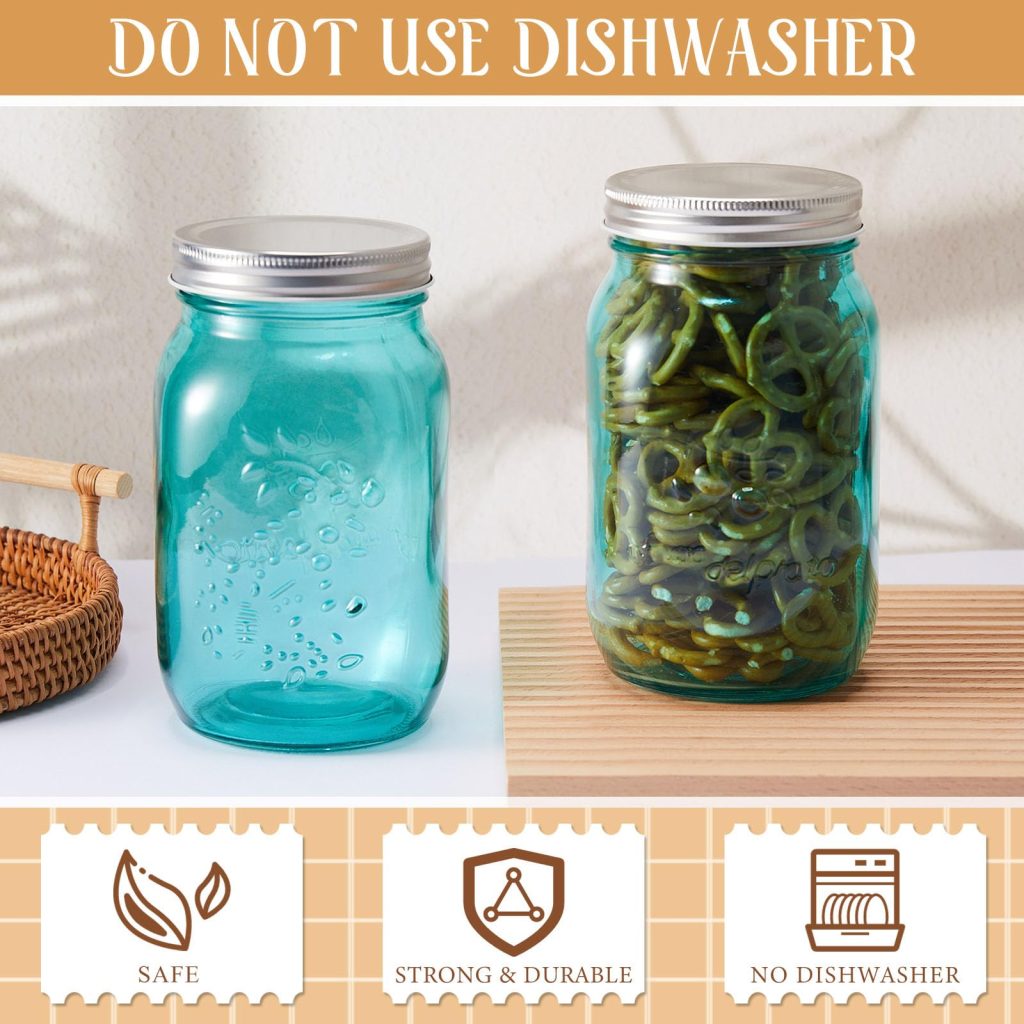
Have you ever stood in your kitchen, gazing at a pile of dishes, and wondered if you can toss your mason jar lids into the dishwasher? You’re not alone.
These handy jars are great for storing food, crafting, and even drinking, but when it comes to cleaning, things get a bit tricky. You don’t want to ruin your lids, especially if they form an essential part of your kitchen routine.
Keep reading to discover the best way to care for your mason jar lids and ensure they last as long as possible. Your kitchen efficiency may just thank you for it!
Mason Jar Lid Types
Mason jars come with different types of lids, and knowing which one you have can help you decide how to clean them safely. Each lid material reacts differently to dishwashers. Understanding these differences can save you from damaging your lids or reducing their lifespan.
Metal Lids
Metal lids usually consist of two parts: a flat disc with a sealing compound and a screw-on band. The flat disc is prone to rust if left wet or exposed to harsh dishwasher detergents. The screw bands, however, generally hold up better in the dishwasher but may lose their tight fit over time.
Have you noticed rust spots after washing metal lids in your dishwasher? Hand washing the discs might keep them in better shape while still using the dishwasher for the bands.
Plastic Lids
Plastic lids are popular for their durability and ease of use, especially for drinking jars or storage containers. Most plastic lids are dishwasher safe but may warp if placed on the bottom rack where heat is higher. Placing them on the top rack can prevent this damage.
Do you prefer plastic lids for daily use? Try washing them on the top rack and watch how they retain their shape and function longer.
Silicone Lids
Silicone lids are flexible and often heat resistant, making them a good candidate for dishwasher cleaning. They usually withstand the dishwasher cycle well without warping or losing elasticity. However, check if your specific silicone lids are marked dishwasher safe to avoid surprises.
Have you tried tossing silicone lids into your dishwasher? Their resilience can make cleaning easier, but always double-check the manufacturer’s guidance for best results.
Dishwasher Safety
Understanding dishwasher safety is key before tossing your Mason jar lids into the machine. Not all lids react the same way to dishwasher cycles. Let’s break down the main concerns you should keep in mind to protect your lids and keep them working well.
Material Durability
Mason jar lids usually come in metal or plastic. Metal lids can rust or lose their finish after repeated dishwasher use. Plastic lids may warp if they aren’t made from dishwasher-safe materials.
Think about how often you use your lids in the dishwasher. If you wash them frequently, consider hand washing to extend their life. Have you noticed any change in your lids’ appearance after dishwashing?
Heat Resistance
Dishwashers use high temperatures to clean and sanitize. Some Mason jar lids may not handle this heat well. The heat can cause metal lids to bend or plastic seals to melt slightly.
Check the manufacturer’s instructions for heat tolerance. If you’re unsure, placing lids on the top rack might reduce exposure to intense heat. Could adjusting your dishwasher settings help protect your lids?
Seal Integrity
The most important part of a Mason jar lid is the seal. Dishwasher detergents and heat can degrade the rubber or silicone seals. This can lead to poor sealing, affecting food preservation.
Inspect seals regularly for cracks or brittleness. If you want airtight jars, it’s safer to hand wash the lids and seals. Are you willing to trade convenience for longer-lasting seals?
Cleaning Tips For Lids
Mason jar lids need special care during cleaning. Proper cleaning keeps them safe and lasting longer. Follow simple steps for the best results. This section explains easy tips to clean your lids well.
Pre-washing Techniques
Start by rinsing lids under warm water. Use a soft sponge or cloth to remove food bits. Avoid harsh scrubbing to protect the seal. A mild dish soap helps remove grease and residue. Soak lids in warm, soapy water if stuck-on dirt remains. Rinse well before placing lids in the dishwasher.
Avoiding Rust And Damage
Mason jar lids often have metal parts prone to rust. Dry lids completely after washing to stop rust. Store lids in a dry place away from moisture. Avoid using abrasive cleaners or steel wool on lids. Check for small scratches or dents before washing. These can cause damage during the wash cycle.
Best Dishwasher Settings
Use a gentle or glassware cycle for mason jar lids. Select a lower temperature to protect the seal. Place lids on the top rack to reduce heat exposure. Avoid heavy detergent or bleach, which can harm lids. Run a short cycle to prevent prolonged water exposure. Remove lids promptly after the cycle finishes to dry them well.
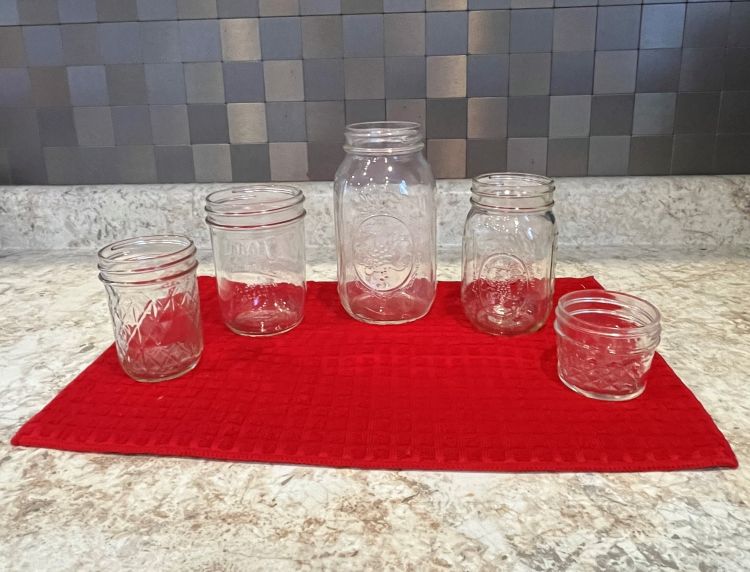
Credit: www.canr.msu.edu
Common Mistakes
Mason jar lids seem simple, but washing them in the dishwasher can lead to unexpected problems if you’re not careful. Many people make common mistakes that can damage the lids or reduce their lifespan. Understanding these pitfalls helps you keep your lids clean and functional without any hassle.
Using High Heat Cycles
High heat in dishwashers can warp the rubber sealing ring inside the lid. This damage affects the lid’s ability to seal tightly, which is crucial for preserving food. Have you noticed lids that don’t snap on as securely after dishwasher use? That might be because of too much heat.
To protect your lids, select a gentle or low-heat cycle. It’s a small change that saves you from having to replace lids sooner than expected.
Stacking Lids Incorrectly
Throwing all your mason jar lids in the dishwasher basket without arranging them properly can cause scratches and dents. When lids collide during the wash, the metal can bend or chip. Have you ever found lids that look bent or don’t fit anymore?
Place lids flat and separate them if possible. Using a small container or mesh bag inside the dishwasher can keep lids from banging around.
Ignoring Manufacturer Instructions
Not all mason jar lids are dishwasher safe. Some brands use materials that degrade quickly in the dishwasher. Skipping the label or manual means risking damage you didn’t expect.
Always check what the manufacturer recommends. It’s a simple step that prevents frustration and helps you use your lids the right way.
Alternatives To Dishwasher Cleaning
Not all mason jar lids respond well to the dishwasher’s heat and detergent. To keep your lids in top shape, exploring alternatives to dishwasher cleaning is a smart move. These options can help maintain the seal and longevity of your lids without risking damage.
Hand Washing Methods
Hand washing mason jar lids is simple and effective. Use warm, soapy water and a soft sponge or cloth to clean the lids gently.
Avoid abrasive scrubbers that can scratch or damage the sealing surface. Rinse thoroughly and dry completely to prevent rust or mold.
Have you noticed how much longer your lids last when you wash them by hand? This small extra effort can save you money in the long run.
Using Vinegar And Baking Soda
Vinegar and baking soda make a powerful, natural cleaning duo. Start by soaking the lids in a mixture of equal parts vinegar and water for about 10 minutes.
Next, sprinkle baking soda on the lids and scrub gently with a soft brush or cloth. This combination removes stubborn stains and neutralizes odors.
Do you want a chemical-free way to keep your lids fresh? This method works well and is safe for most metal lids.
Sterilizing For Canning
When preparing lids for canning, sterilization is key to prevent contamination. Boil the lids in water for 10 minutes before use.
Make sure the lids are fully submerged and don’t touch the pot’s bottom to avoid warping. Use clean tongs to remove them and let air dry on a clean towel.
Have you ever skipped sterilizing and ended up with spoiled preserves? This step is essential for safe, long-lasting canning.

Credit: www.amazon.com
Extending Lid Lifespan
Keeping your mason jar lids in good shape can save you money and hassle over time. Extending the lifespan of your lids means they stay airtight and reliable, preventing spills and preserving your food better. Small habits in how you handle and care for the lids can make a big difference.
Proper Storage
Store your mason jar lids in a dry, cool place away from direct sunlight. Moisture and heat can cause the metal to rust or the rubber seals to degrade faster.
Try keeping them in a small container or a drawer dedicated to canning supplies. This avoids scratches and dents that happen when lids clink against other kitchen tools.
Regular Inspection
Check your lids before each use for any signs of rust, dents, or damage to the sealing ring. Even a small imperfection can affect how well the lid seals.
Take a moment to run your fingers along the sealing surface. Does it feel smooth? If not, cleaning or replacing might be necessary to ensure a tight seal.
Replacing Worn Seals
If the rubber or silicone seal looks cracked, compressed, or sticky, it’s time to replace it. Old seals lose their flexibility and won’t seal jars properly.
Luckily, many lids allow you to replace just the sealing ring instead of buying a whole new lid. You can often find these replacement seals online or at stores specializing in canning supplies.

Credit: masonjarlifestyle.com
Frequently Asked Questions
Can Mason Jar Lids Be Safely Washed In A Dishwasher?
Yes, most mason jar lids are dishwasher safe. However, it’s best to place them on the top rack to avoid heat damage. Check the manufacturer’s instructions to ensure the lids won’t warp or lose their sealing ability.
Will Dishwasher Heat Damage Mason Jar Lids?
High dishwasher heat can sometimes warp metal lids or degrade silicone seals. To prolong lid life, use a gentle cycle or top rack only. Avoid prolonged exposure to high temperatures for optimal lid durability.
How To Clean Mason Jar Lids Without A Dishwasher?
You can hand wash lids using warm soapy water and a soft brush. Rinse thoroughly and air dry. This method helps preserve the sealing gasket and prevents rust or damage over time.
Do Dishwasher Detergents Affect Mason Jar Lid Seals?
Some dishwasher detergents may degrade rubber or silicone seals on lids. Use mild detergents and avoid harsh chemicals. Proper rinsing after the cycle helps maintain seal integrity and extends lid lifespan.
Conclusion
Mason jar lids can usually go in the dishwasher safely. Some lids may wear out faster if washed often this way. Hand washing can help them last longer. Always check the lid’s material and any instructions. Keeping lids clean is important for safe food storage.
You want your jars ready for use anytime. Taking simple care steps makes a big difference. So, choose the washing method that fits your lids best. Clean lids mean fresh, tasty food every time.