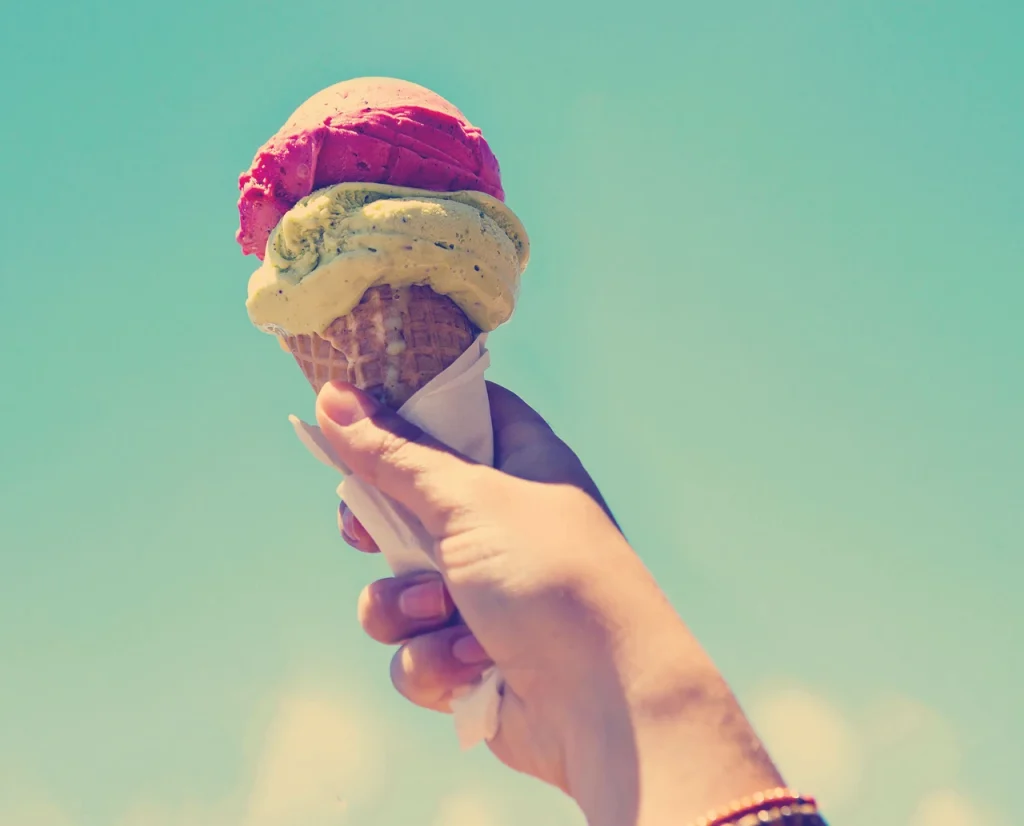
Have you ever wondered if munching on ice cubes could make you gain weight? It’s a simple question, but the answer might surprise you.
You probably think ice is just frozen water, so how could it affect your body fat? Before you decide to avoid or embrace this chilly habit, it’s important to understand what really happens when you eat ice. Keep reading to discover the truth behind this common curiosity and how it might impact your health and weight.

Credit: revealweightlossmd.com
Ice And Calories
When it comes to diet myths, the idea that eating ice might make you fat is intriguing. On the surface, it seems harmless—ice is just frozen water, after all. But when considering calories and energy expenditure, the story gets a bit more interesting. Let’s break it down.
Calorie Content Of Ice
Ice itself contains no calories. It’s simply water in its solid form. So if you’re crunching on ice cubes, you’re not consuming any energy.
This zero-calorie aspect makes ice a guilt-free snack. If you find yourself reaching for chips or candy out of habit, replacing them with ice can be a smart move.
Energy Used To Melt Ice
Your body actually burns calories to melt ice. This process is called thermogenesis, where your body uses energy to warm the ice to your body temperature.
It might sound surprising, but this can lead to a tiny calorie deficit. Imagine sipping on a glass of ice water—you’re not just hydrating, you’re giving your metabolism a tiny nudge.
However, don’t bank on ice to be a weight-loss miracle. While the calorie burn is real, it’s minimal. But every little bit counts, right?
Have you ever noticed a difference when adding ice to your routine? It’s an easy, no-cost experiment to try for yourself.
Metabolism And Ice Consumption
Metabolism plays a vital role in how the body uses energy. Eating ice might seem simple, but it can affect metabolism in subtle ways. Understanding this connection helps clarify whether ice consumption impacts weight gain or loss.
Effect On Metabolic Rate
Eating ice causes the body to use energy to warm the cold water. This process slightly raises the metabolic rate. The increase is small and usually does not burn many extra calories. The body works to maintain its normal temperature by heating the ice to body temperature. This energy use is called calorie burning.
Thermogenesis Explained
Thermogenesis means heat production in the body. It happens when the body processes cold foods or drinks like ice. This heat generation burns some calories. The effect is mild but real. Thermogenesis helps keep the body’s temperature stable. It is part of how the body controls energy balance.
Common Myths About Ice Eating
Many people have strong opinions about eating ice, often mixing facts with myths. Understanding these common misconceptions can help you make better choices about your habits. Let’s clear up some confusion about ice and its effects on your body.
Ice And Weight Gain
Does chewing on ice make you gain weight? The short answer is no. Ice contains zero calories, so it cannot directly add fat to your body.
Some believe that eating ice might slow down your metabolism because your body uses energy to warm the ice to your body temperature. While it’s true your body expends a tiny amount of energy to heat the ice, the calorie burn is so minimal it won’t affect your weight.
Have you ever noticed cravings for ice during stressful times? This habit isn’t about gaining weight but could indicate iron deficiency or other health issues. Paying attention to these signals might be more important than worrying about weight gain.
Ice And Digestive Health
Another myth is that eating ice harms your digestive system. Many people think ice can cause stomach aches or slow digestion, but there is no strong evidence to support this.
Cooling your mouth and throat with ice can actually soothe irritation or inflammation temporarily. However, if you have sensitive teeth or certain digestive conditions, cold ice might trigger discomfort.
Have you noticed any digestive changes after eating ice? If so, it’s worth discussing with a healthcare provider rather than assuming ice is the root cause. Your body reacts uniquely, and simple changes in diet or habits might improve your digestive health more effectively.
Hydration Benefits Of Ice
Eating ice isn’t just a way to cool down; it also contributes to your hydration in unique ways. Staying hydrated is key to maintaining a healthy weight and overall wellness. Let’s look at how ice can play a role in keeping you hydrated and how that might affect your eating habits.
Ice As A Source Of Water
Ice is simply frozen water, which means when you chew on it, you’re slowly releasing water into your body. This can be a gentle way to hydrate, especially if you don’t like drinking plain water. Sometimes, sipping water feels like a chore, but crunching ice can make hydration more enjoyable.
Think about those hot days when you reach for ice cubes to refresh yourself. Each cube melts, providing small amounts of water that add up over time. This slow release can help you stay hydrated without overwhelming your stomach.
Impact On Appetite Control
Chewing ice can also help control your appetite. When you’re feeling hungry but it’s not mealtime, chewing ice can distract your mouth and reduce cravings. It keeps your mouth busy and may trick your brain into feeling less hungry.
Some people find that having ice to chew on helps them avoid unnecessary snacking, which can support weight management. Have you ever noticed how often you reach for food just because your mouth is bored? Ice might just be a low-calorie alternative.
When Ice Eating Could Be A Concern
Eating ice is common and often harmless. Many people enjoy chewing ice without any problems. Yet, in some cases, eating ice can point to deeper health concerns. It is important to know when ice eating might be a sign of an issue. Paying attention to unusual cravings and symptoms can help avoid potential risks.
Pica And Nutritional Deficiencies
Pica is a condition where people crave non-food items like ice. Chewing ice often links to iron deficiency anemia. This deficiency lowers red blood cells, causing fatigue and weakness. Eating ice may bring temporary relief from mouth soreness. It is a body’s signal to check for missing nutrients. Treating iron deficiency usually stops the ice craving.
Potential Dental Issues
Chewing hard ice can damage teeth over time. It may cause cracks, chips, or worn enamel. These dental problems increase sensitivity and risk of infection. Using ice gently or avoiding hard ice cubes helps protect teeth. Regular dental check-ups catch damage early. Maintaining good oral health is key for ice chewers.
Credit: toneopfit.com
Tips For Healthy Ice Consumption
Eating ice is a habit many people enjoy, but it needs care. Consuming ice in a healthy way helps avoid problems. Small changes can make a big difference. These tips help keep ice eating safe and balanced for your body.
Moderation And Balance
Chewing ice too much can harm teeth. It may cause cracks or sensitivity. Limit ice chewing to avoid these issues. Drink plenty of water to stay hydrated. Balance ice eating with other healthy habits. This keeps your mouth and body healthy.
Alternatives To Ice Eating
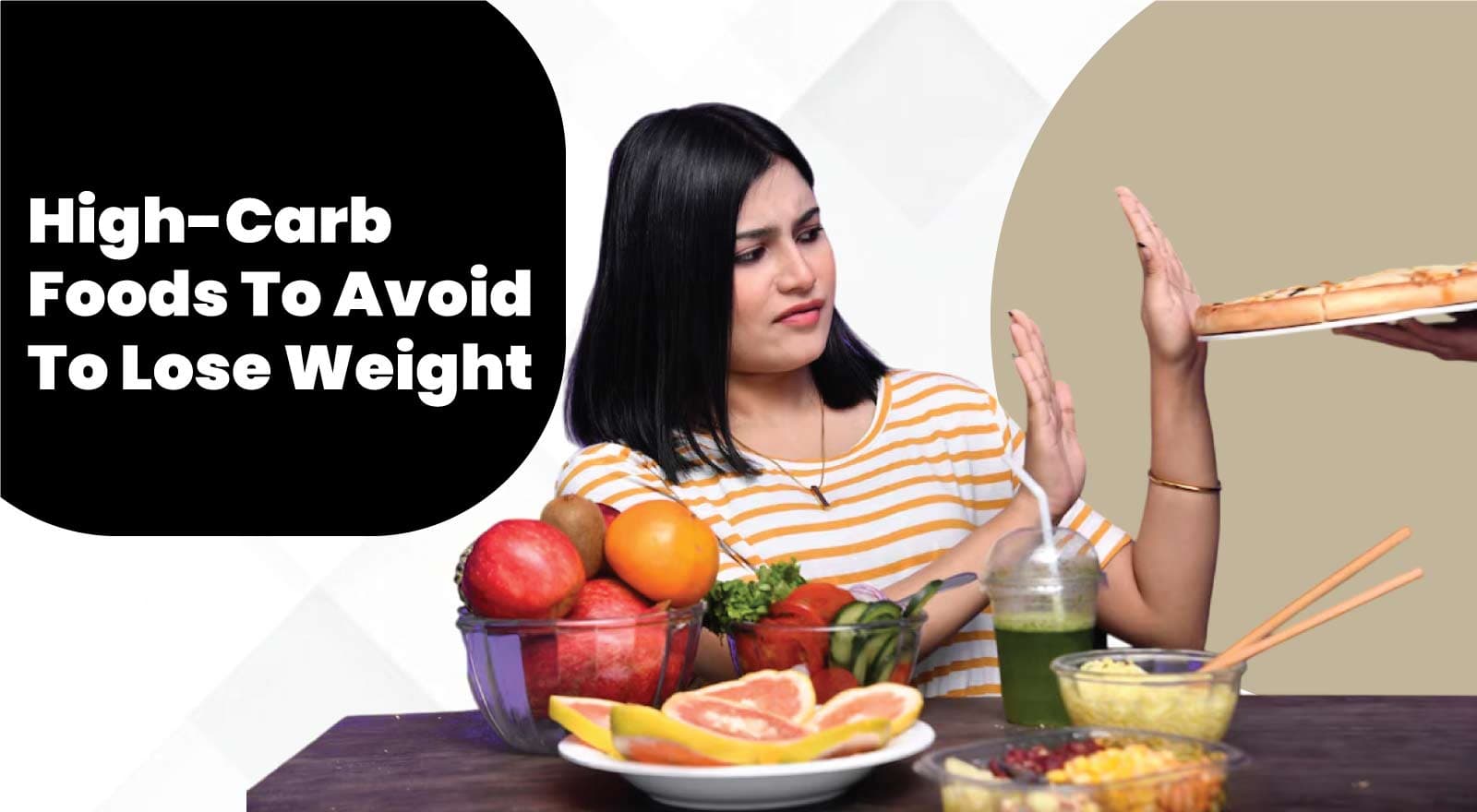
Choose crunchy fruits like apples or carrots instead of ice. They satisfy the need to chew and are nutritious. Try frozen grapes or berries for a cold, tasty snack. These options are gentle on teeth and good for health. Replace ice with these to reduce risks and enjoy variety.

Credit: parade.com
Frequently Asked Questions
Does Eating Ice Contribute To Weight Gain?
Eating ice does not cause weight gain. Ice contains zero calories and does not add fat. However, chewing ice excessively might harm your teeth but won’t affect your weight. Weight gain results from consuming more calories than you burn.
Can Chewing Ice Help Burn Calories?
Chewing ice burns a minimal number of calories, but not enough to affect weight. The body uses energy to warm ice to body temperature, but this amount is negligible. Relying on ice chewing for calorie burning is ineffective for weight loss.
Is Ice Eating Linked To Unhealthy Habits?
Yes, frequent ice eating can indicate iron deficiency or pica. Pica is an eating disorder involving non-food items. Consult a healthcare provider if you crave ice often. Addressing underlying issues is important for overall health, not weight control.
Does Ice Cause Bloating Or Water Retention?
No, eating ice does not cause bloating or water retention. Ice is simply frozen water and does not affect fluid balance in the body. Bloating usually results from diet, digestion issues, or medical conditions, not from consuming ice.
Conclusion
Eating ice does not cause weight gain on its own. It has zero calories and does not add fat. Chewing ice might even help you feel full for a short time. Still, relying on ice instead of real food is not healthy.
Focus on a balanced diet and regular exercise to manage weight well. Small habits matter more than eating ice. Stay mindful of what you eat and drink daily. Your body needs proper nutrition to stay strong and fit.