Are you tired of letting fresh peppers and onions go bad before you get a chance to use them? Imagine having these flavorful staples ready to grab whenever you need, without the worry of spoilage.
Freezing peppers and onions is a simple trick that can save you time, reduce waste, and keep your meals bursting with fresh taste. You’ll discover easy steps to freeze these veggies the right way, so your cooking stays quick and delicious all year round.
Keep reading to unlock the secret to always having peppers and onions on hand!
Choosing The Best Peppers And Onions
Choose fresh, firm peppers and onions without soft spots or blemishes. Wash and dry them well before cutting into desired sizes for freezing.
Choosing the Best Peppers and Onions Freezing peppers and onions can be a game changer for your meal prep routine. But the key to preserving their flavor and texture lies in choosing the right ones. Selecting the best peppers and onions ensures that your frozen stash is as tasty and versatile as possible.Selecting Fresh Produce
When choosing peppers, look for vibrant colors and firm skin. A healthy pepper should have a slight shine and feel solid when held. Avoid those with blemishes or soft spots, as these can affect the quality of your frozen batch. For onions, pick ones with dry, papery skin that’s free from any signs of mold. They should feel heavy for their size. A good onion will not have any sprouts; they indicate it’s past its prime.Types Ideal For Freezing
Sweet bell peppers are perfect for freezing due to their thick walls, which hold up well in the freezer. Green, red, yellow, or orange – each adds a unique flavor profile to your dishes. Consider freezing a mix for a colorful and flavorful variety. When it comes to onions, both yellow and white onions freeze well and maintain their taste. Red onions can be used too, but they may lose a bit of their vibrant color. Have you ever wondered if you could mix peppers and onions before freezing? Absolutely! Chopped and mixed, they create a ready-to-use base for stir-fries, soups, or omelets. Choosing the right peppers and onions is just the start. With a little effort now, you’re setting yourself up for quicker, hassle-free meals later.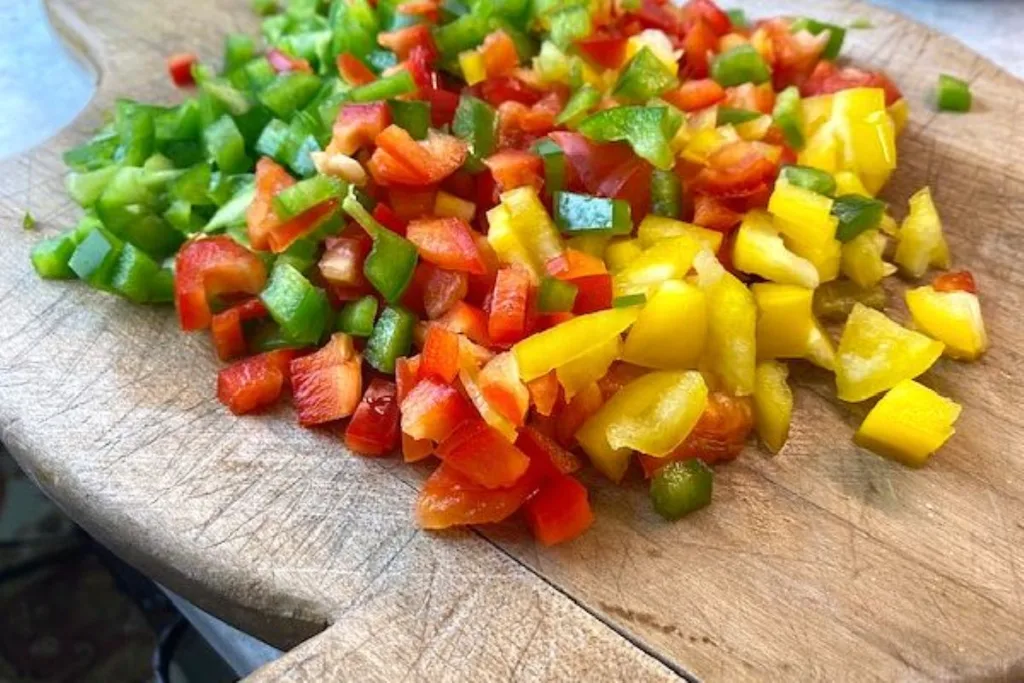
Credit: gbskitchen.com
Preparing Peppers And Onions
Preparing peppers and onions correctly is key to preserving their flavor and texture when freezing. Taking a few extra minutes to get them ready can make all the difference in your future dishes. How you wash, cut, and clean these vegetables impacts not only their taste but also how easy they are to use later.
Washing And Drying
Start by rinsing your peppers and onions under cold running water. This removes dirt, pesticides, and any surface bacteria that could spoil your frozen veggies.
After washing, dry them thoroughly using a clean kitchen towel or paper towels. Excess moisture can cause ice crystals to form, which affects texture and can lead to freezer burn.
Cutting Techniques
Decide how you plan to use your frozen peppers and onions before cutting. For stir-fries, small diced pieces work best, while strips are great for fajitas or sandwiches.
Use a sharp knife to make clean cuts, which helps maintain the vegetables’ crispness after freezing. Avoid smashing or crushing them during prep to keep their structure intact.
Removing Seeds And Cores
Peppers need their seeds and cores removed to avoid bitterness and tough bits. Cut around the stem and scoop out the seeds with a spoon or your fingers.
Onions don’t have seeds, but be sure to peel off the dry outer layers and trim the root end. This prevents any tough or papery pieces from ending up in your frozen batch.
Blanching Methods
Blanching is a key step before freezing peppers and onions. This process involves briefly cooking the vegetables in hot water or steam, then cooling them quickly. Blanching helps keep the taste, color, and texture of peppers and onions fresh. It also slows down enzyme activity that causes spoilage during freezing. Proper blanching extends the storage time and maintains quality.
Why Blanching Helps
Blanching stops enzymes that cause vegetables to lose flavor and color. It also cleans the surface of dirt and bacteria. This step preserves the natural taste and crispness. Without blanching, frozen peppers and onions may become dull and mushy. Blanching also reduces the risk of freezer burn. It keeps the vegetables looking and tasting better for longer.
Step-by-step Blanching Process
- Prepare a large pot of boiling water or set up a steamer.
- Wash and cut the peppers and onions into desired sizes.
- Place the vegetables in boiling water or steam for 2-3 minutes.
- Immediately transfer them to a bowl of ice water to cool.
- Drain well and pat dry with a clean towel.
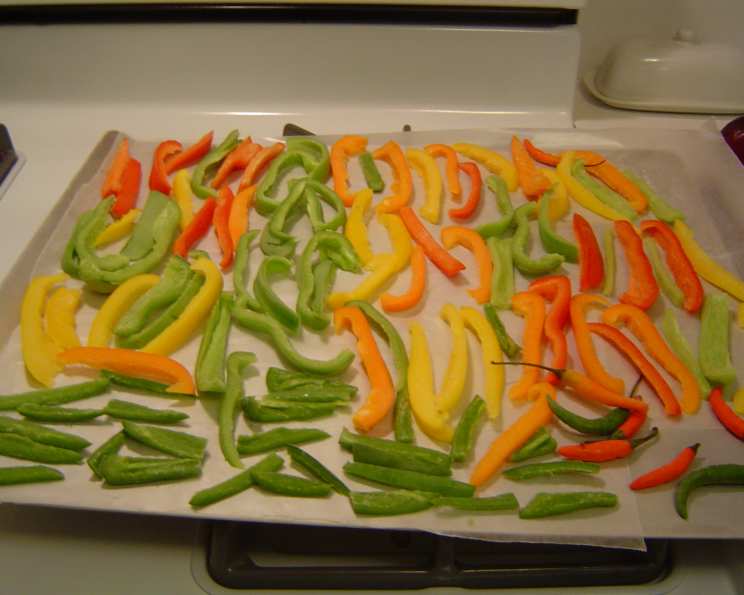
- Spread the vegetables on a tray and freeze until solid.
- Transfer frozen pieces to airtight containers or freezer bags.
Freezing Techniques
Freezing peppers and onions preserves their freshness and flavor. Using the right freezing techniques keeps them tasty and easy to use. Proper preparation helps avoid clumps and freezer burn. Follow these tips to freeze peppers and onions effectively.
Flash Freezing
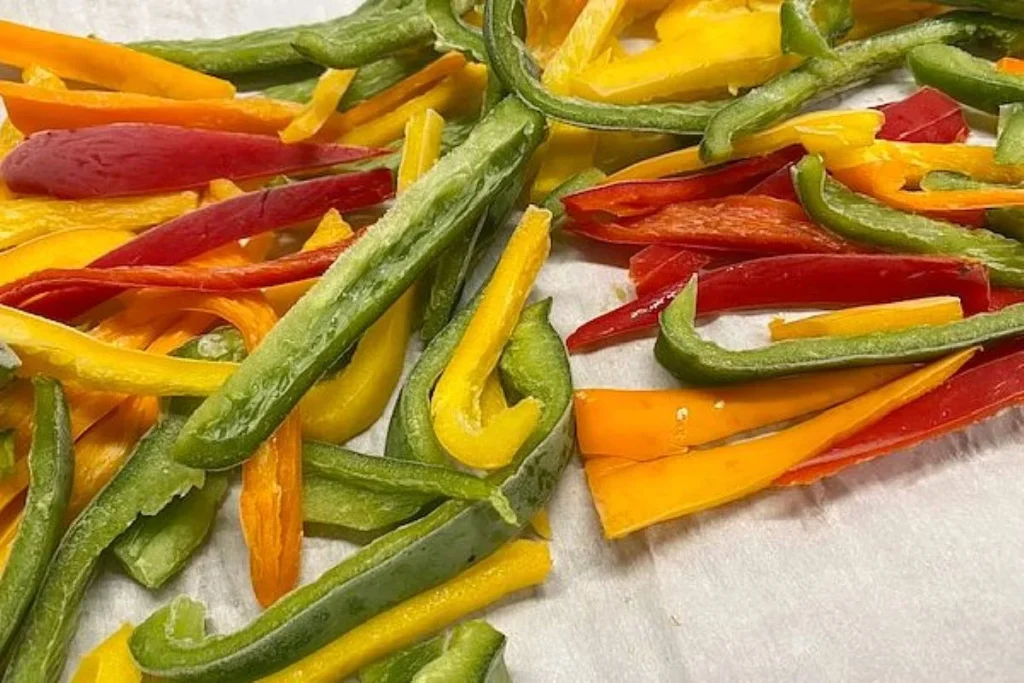
Flash freezing stops vegetables from sticking together. Spread sliced peppers and onions on a baking sheet. Keep pieces in a single layer. Place the sheet in the freezer for 1-2 hours. Once frozen, transfer them to a storage bag. This way, you get loose pieces ready to use.
Using Freezer-safe Containers
Choose containers that protect against freezer burn. Use airtight plastic containers or heavy-duty freezer bags. Remove as much air as possible before sealing. Label containers with the date and contents. This keeps peppers and onions fresh longer and easy to find.
Portioning For Convenience
Divide peppers and onions into meal-sized portions. Use smaller containers or bags for each portion. This saves time during cooking and reduces waste. Grab only what you need without thawing the whole batch. Portioning keeps your freezer organized and efficient.
Storage Tips For Long-lasting Freshness
Proper storage is key to keeping frozen peppers and onions fresh for months. Good habits prevent freezer burn and flavor loss. Simple steps help maintain texture and taste.
Labeling And Dating
Always label bags or containers with the type of vegetable inside. Include the freezing date. This helps track how long items stay in the freezer. Use a permanent marker or freezer-safe labels. Clear labeling avoids confusion and waste.
Optimal Freezer Conditions
Set the freezer temperature to 0°F (-18°C) or lower. Keep the freezer door closed as much as possible. Avoid overloading the freezer to allow proper air circulation. Use airtight containers or heavy-duty freezer bags. Remove as much air as possible to reduce freezer burn.
Credit: www.food.com
Thawing And Using Frozen Peppers And Onions
Thawing and using frozen peppers and onions properly can make a big difference in your cooking. If done right, these frozen veggies retain most of their flavor and texture, making your meals just as tasty as fresh ones. Let’s dive into how to thaw them safely and use them effectively in your dishes.
Safe Thawing Methods
Thaw your frozen peppers and onions slowly in the refrigerator for several hours or overnight. This gentle thaw keeps them firm and prevents bacterial growth.
If you’re in a hurry, place the sealed bag in cold water for about 30 minutes. Avoid using hot water, as it can start cooking the vegetables and make them mushy.
Another quick option is to add frozen peppers and onions directly to your pan without thawing. This works well in stir-fries, soups, and sauces.
Cooking Tips To Retain Flavor
Frozen peppers and onions release extra moisture as they cook, so start with a hot pan to help evaporate the water quickly. This technique keeps your veggies from becoming soggy.
Use a little oil or butter to enhance their natural sweetness and texture. I’ve found that sautéing frozen onions and peppers with a pinch of salt brings out a deep, rich flavor.
Think about the dish you’re making. For recipes where texture matters, like fajitas, cook frozen peppers and onions just until tender. For soups or stews, longer cooking times work fine since the vegetables will blend into the dish.
Common Mistakes To Avoid
Freezing peppers and onions is a smart way to save time and reduce waste. Many people freeze these vegetables but make avoidable mistakes. These errors can affect the taste, texture, and shelf life of your frozen produce. Knowing what not to do helps keep your peppers and onions fresh and tasty.
Skipping The Blanching Process
Blanching peppers and onions before freezing stops enzyme activity. This helps keep their color and flavor. Skipping blanching can cause your vegetables to become dull and mushy.
Freezing Without Drying Properly
Water on the surface causes ice crystals to form. These crystals damage the texture of the vegetables. Always dry peppers and onions completely before freezing.
Using Inappropriate Containers
Using containers that are not airtight allows air in. Air causes freezer burn and spoils the veggies faster. Use freezer bags or airtight containers designed for freezing.
Freezing Whole Instead Of Slicing
Freezing whole peppers or onions makes them harder to use later. Sliced or chopped vegetables freeze evenly and thaw quickly. Prepare your veggies before freezing for easy cooking later.
Not Labeling The Frozen Bags
Without labels, you may forget the freezing date or contents. Label bags with the date and type of vegetable. This helps you use older items first and avoid waste.

Credit: www.onehundreddollarsamonth.com
Frequently Asked Questions
How Do You Prepare Peppers And Onions For Freezing?
Wash and dry peppers and onions thoroughly. Slice or chop them as desired. Blanch peppers briefly to preserve texture. Onions can be frozen raw. Spread pieces on a tray to freeze individually before storing in airtight bags.
Can I Freeze Peppers And Onions Together?
Yes, you can freeze peppers and onions together. Mix them in desired proportions. Spread on a tray to freeze separately first. Then transfer to freezer bags. This method keeps pieces from clumping and makes it easier to use later.
How Long Do Frozen Peppers And Onions Last?
Frozen peppers and onions last about 10 to 12 months. Store them in airtight freezer bags or containers. Label with the date to track freshness. Use within this period for best taste and texture in cooked dishes.
Do Frozen Peppers And Onions Lose Flavor?
Freezing slightly softens texture but retains most flavor. Proper preparation and freezing quickly helps preserve taste. Using airtight packaging reduces freezer burn and flavor loss. Frozen peppers and onions work well in cooked meals.
Conclusion
Freezing peppers and onions saves time and reduces waste. Cut them into pieces that suit your cooking needs. Spread them out on a tray before freezing to avoid clumps. Use airtight bags or containers to keep freshness. Label with the date for easy tracking.
Frozen peppers and onions work well in many dishes. They keep their flavor and texture when cooked. Try freezing different colors of peppers for variety. This simple method helps you enjoy fresh flavors year-round. Give it a try and make your cooking easier.