Are you in the midst of setting up a new kitchen or upgrading your current dishwasher? You might have stumbled upon the term “air gap” and wondered if it’s really necessary for your dishwasher.
Imagine investing in a sleek, new appliance only to face unexpected problems like backflow or contamination. That’s where understanding the role of an air gap becomes crucial. We’ll explore what an air gap is, why it might be essential for your dishwasher, and how it can save you from potential headaches down the line.
Stick with us, and you’ll gain the clarity you need to make an informed decision that could protect your home and enhance your kitchen’s efficiency.
What Is An Air Gap
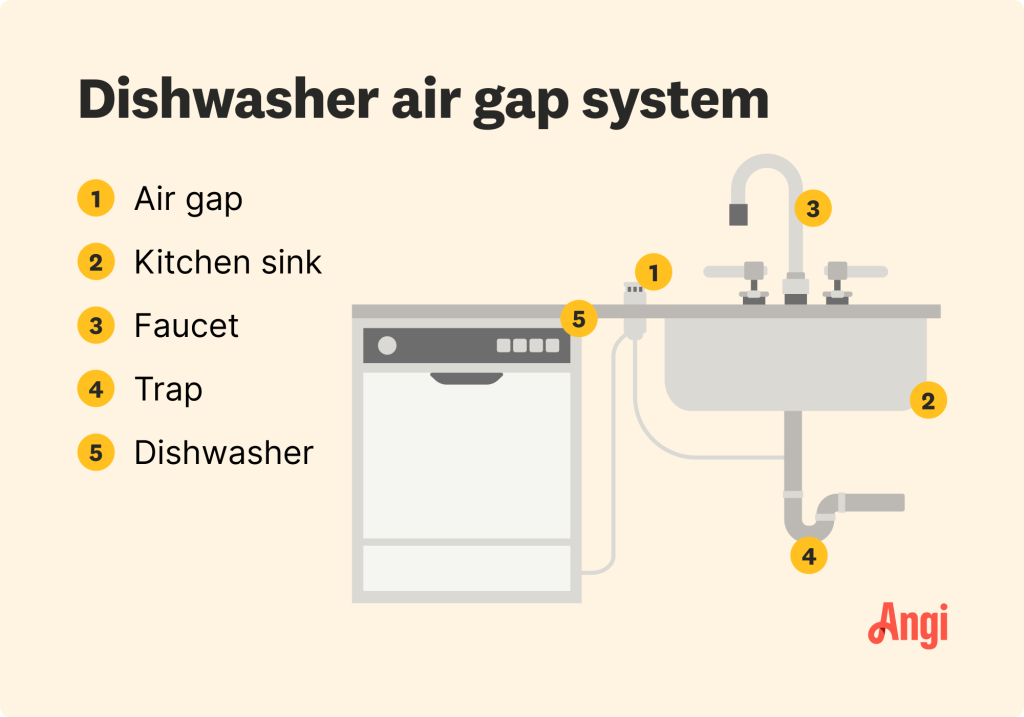
An air gap is a small device installed near your kitchen sink or countertop. It connects the dishwasher drain line to the sink drain or garbage disposal. Its main role is to stop dirty water from flowing back into the dishwasher. This simple part keeps your dishwasher and dishes clean and safe.
Purpose Of An Air Gap
The air gap stops dirty water from moving backward into the dishwasher. It acts as a physical break between the dishwasher and the sink drain. Without it, dirty water could flow back and contaminate clean dishes. It helps keep your home’s water safe and healthy.
Many building codes require an air gap for dishwashers. It protects your family from harmful bacteria. The air gap also prevents clogs and water damage by ensuring proper drainage.
How It Works
The air gap has two hoses connected to it. One hose comes from the dishwasher. The other hose leads to the sink drain or garbage disposal.
When the dishwasher drains, water flows up through the air gap. Then, it flows down the second hose into the sink drain. If the sink drain backs up, water spills out of the air gap instead of flowing back.
This open space stops dirty water from entering the dishwasher. It uses simple physics—air prevents water from flowing backward. The air gap is a small, smart device that protects your dishwasher and health.

Credit: www.youtube.com
When An Air Gap Is Required
Knowing when an air gap is required for your dishwasher can save you from costly repairs and health hazards. An air gap acts as a barrier to prevent dirty water from flowing back into your clean dishwasher. Whether you need one depends largely on local rules and how your dishwasher is set up.
Local Plumbing Codes
Local plumbing codes are the primary factor in deciding if an air gap is mandatory. Many areas require an air gap to prevent contamination of your home’s water supply. These codes vary widely, so a quick check with your city or county’s building department is a smart move.
Some regions allow alternatives like high loops instead of air gaps. However, ignoring these rules can lead to fines or failed inspections. Have you checked what your local code says before installing your dishwasher?
Dishwasher Installation Scenarios
Your dishwasher’s setup affects the need for an air gap. If the drain line connects directly to the garbage disposal or sink drain, an air gap is often required to stop wastewater from flowing backward. This is especially true in homes where the dishwasher is located below the sink.
In new constructions or major remodels, installing an air gap is usually easier and often mandatory. But if you’re just replacing an old dishwasher, the existing setup might not have one. In that case, consider whether adding an air gap could prevent future backflow problems.
Have you noticed water backing up in your dishwasher or sink? That could be a sign that your current setup needs an air gap for better protection.
Alternatives To Air Gaps
Air gaps are common for dishwasher safety, but not the only choice. Some alternatives can prevent dirty water from flowing back into clean water. These options meet safety needs and work well in many homes.
High Loop Method
The high loop method is simple and effective. It involves routing the dishwasher drain hose up and then down to the drain. The hose must be secured at a point higher than the sink’s flood level.
This prevents water from flowing backward into the dishwasher. It uses gravity to stop backflow. Many local codes allow this method as an alternative to air gaps.
Installation is easy and does not need extra parts. The high loop method is cost-effective and works well with most dishwashers.
Other Backflow Prevention Devices
Backflow prevention devices come in different types. These devices stop dirty water from returning to the dishwasher. Some common ones include:
- Check valves that allow water to flow one way only
- Vacuum breakers that break the siphon effect
- Anti-siphon valves that block reverse flow
These devices fit into the drain line or under the sink. They add an extra layer of protection without needing an air gap. Some local codes may require specific devices, so check before installation.
Choosing the right device depends on your plumbing setup and local rules. Professional advice can help select the best backflow prevention device for your dishwasher.
Benefits Of Installing An Air Gap
Installing an air gap for your dishwasher offers more than just a code requirement; it brings real benefits that protect your home and improve your appliance’s performance. Understanding these benefits helps you decide if adding an air gap is the right move for your kitchen setup.
Preventing Contamination
An air gap acts as a barrier that stops dirty water from flowing back into your dishwasher. This prevents bacteria and food particles from contaminating your clean dishes. Have you ever wondered what happens if wastewater backs up into your dishwasher? The air gap ensures that never happens.
Without this safeguard, contaminated water could mix with clean water, risking your family’s health. The air gap gives you peace of mind by maintaining a clean, hygienic dishwashing process every time.
Ensuring Proper Drainage
Air gaps help maintain smooth drainage by allowing air to enter the drain line, which prevents vacuum lock. This means your dishwasher drains efficiently without water pooling or backing up. If you’ve ever noticed slow draining or strange noises during your dishwasher cycle, an air gap might be the missing piece to fix those issues.
Proper drainage reduces wear on your dishwasher’s pump and extends its life. It also keeps your kitchen free from water spills and potential damage caused by drainage problems.
Installing An Air Gap
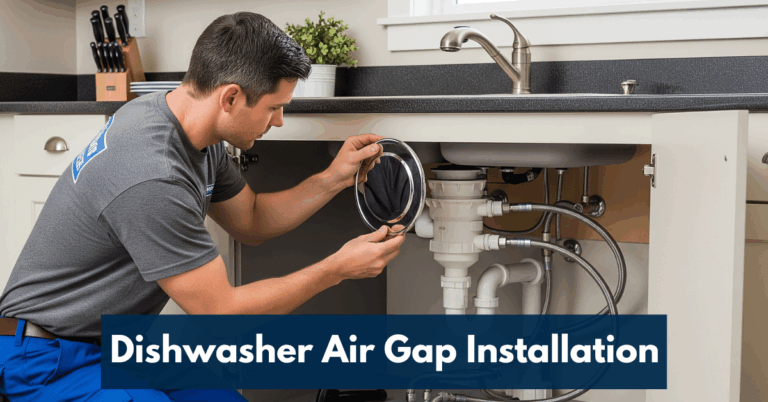
Installing an air gap is a smart way to protect your dishwasher and home plumbing. It stops dirty water from flowing back into your dishwasher. This simple device creates a physical break between the dishwasher and the drain system. Many local building codes require air gap installation for safety. The process is straightforward and can be done with basic tools.
Tools And Materials Needed
- Air gap fitting kit
- Adjustable wrench
- Screwdriver (flathead and Phillips)
- Drill with hole saw bit
- Measuring tape
- Dishwasher drain hose
- Sink drain hose
- Plumber’s putty or silicone sealant
- Bucket or towels for water spills
Step-by-step Installation
- Turn off the dishwasher and water supply.
- Choose a location on the sink or countertop near the dishwasher.
- Use the drill with a hole saw bit to make a hole for the air gap.
- Place the air gap fitting into the hole and secure it with a mounting nut.
- Apply plumber’s putty or silicone sealant around the base to prevent leaks.
- Connect the dishwasher drain hose to the smaller air gap inlet.
- Attach the sink drain hose to the larger air gap outlet.
- Tighten all hose clamps and check connections with an adjustable wrench.
- Turn on the water supply and dishwasher to test for leaks.
- Ensure water flows correctly through the air gap during the dishwasher cycle.
Common Issues And Troubleshooting
Dishwasher air gaps help prevent dirty water from flowing back into the clean water supply. Despite their simple design, air gaps can face common problems. Recognizing these issues helps maintain dishwasher performance and hygiene.
Leaks And Blockages
Leaks near the air gap often signal a blockage. Food particles and debris can clog the air gap or its hose. This causes water to spill over the air gap cover.
Clear blockages by removing the air gap cover and cleaning the inside. Use a small brush or water to flush out debris. Check hoses for kinks or damage that may restrict water flow.
Ensure the air gap is installed correctly. Incorrect installation can cause leaks and poor drainage.
Noise Problems
Strange noises during dishwasher draining can come from the air gap. A clogged air gap forces water to push harder through the hose.
Check for blockages or partial clogs inside the air gap. Clean as needed to restore normal water flow. Loose fittings or hoses may also cause rattling sounds.
Tighten all connections to reduce noise. Proper maintenance prevents annoying sounds and protects your dishwasher.
Maintenance Tips
Keeping your dishwasher’s air gap in good shape is essential to avoid drainage issues and unpleasant odors. Regular maintenance helps the air gap function properly, ensuring your dishwasher drains safely and hygienically. Let’s look at some simple but effective ways to care for this small yet important component.
Cleaning The Air Gap
Over time, food particles and debris can clog the air gap, causing water to back up or drain slowly. You can easily clean it by removing the decorative cover and flushing the inside with warm water.
Use a small brush or a pipe cleaner to scrub away buildup inside the air gap chamber. Doing this once every few months prevents blockages and keeps your dishwasher draining smoothly.
Regular Inspections
Make it a habit to check your air gap during your routine kitchen cleaning. Look for signs of cracks, leaks, or unusual smells around the air gap area.
Inspect the hoses connected to the air gap for any kinks or loose fittings. Catching these issues early can save you from costly repairs and keep your dishwasher running efficiently.
Credit: callwhitney.com

Credit: www.youtube.com
Frequently Asked Questions
What Is An Air Gap For A Dishwasher?
An air gap prevents dirty water from flowing back into your dishwasher. It creates a physical break between the drain and the sink, ensuring clean water supply and stopping contamination.
Is An Air Gap Required By Law?
Many local plumbing codes require an air gap for dishwashers. It depends on your area’s regulations, so check with local authorities or a plumber for compliance.
Can A Dishwasher Work Without An Air Gap?
Yes, but it risks contamination and improper drainage. Without an air gap, wastewater can backflow, causing hygiene issues and potential damage to your dishwasher.
How Do I Install An Air Gap For A Dishwasher?
Install the air gap on the sink or countertop near the dishwasher. Connect the dishwasher drain hose to the air gap, then run the discharge hose to the sink drain.
Conclusion
An air gap helps prevent dirty water from flowing back into your dishwasher. It adds safety and keeps your kitchen clean. Some local rules may require an air gap installation. Check your area’s plumbing codes before deciding. Installing one is simple and affordable.
It gives peace of mind and protects your home. Think about it as a small but smart step for your dishwasher. Protect your water and enjoy cleaner dishes every day.