
Are you wondering how to freeze rib roast without losing its flavor and texture? Freezing your rib roast the right way can save you time and money, while keeping your meat fresh and delicious for your next meal.
You’ll discover simple, effective steps to freeze your rib roast like a pro. Follow along, and you’ll never worry about wasting a good cut of meat again!
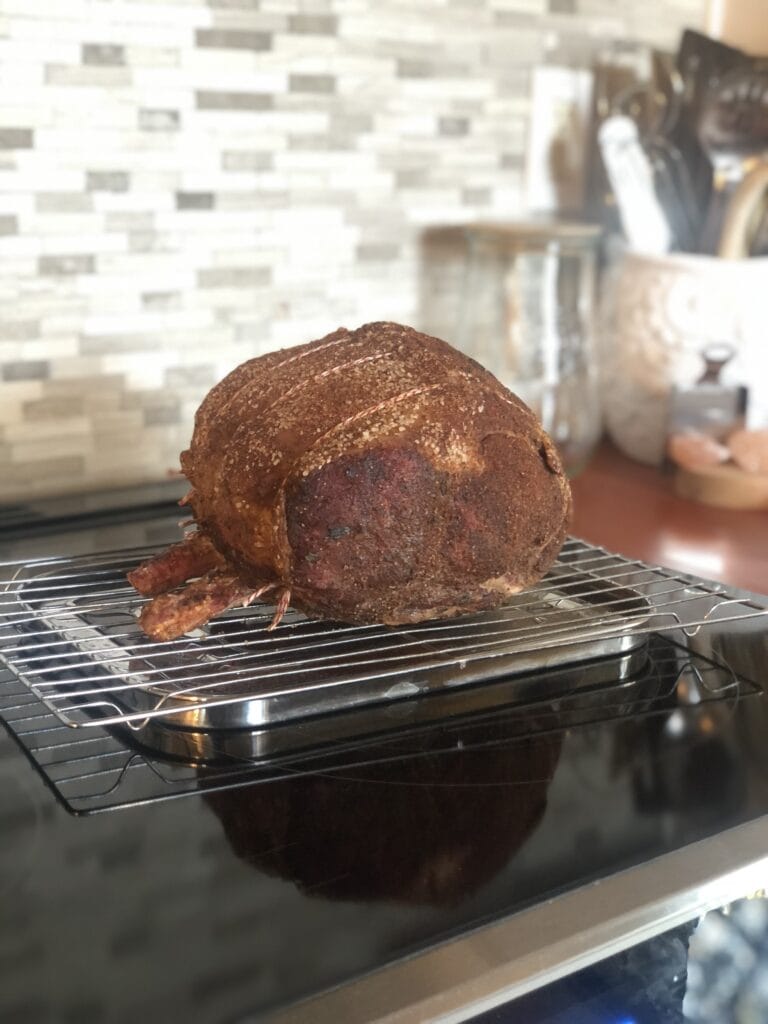
Credit: homelyhens.com
Choosing The Right Rib Roast
Choosing the right rib roast is crucial when you’re planning to freeze it for future feasts. A well-selected roast not only retains its flavor but also its texture when defrosted and cooked. This guide will help you make smart choices to ensure your rib roast is perfect for freezing.
Selecting Fresh Meat
Always start with the freshest meat available. Fresh meat freezes better and retains its quality longer. Look for a rib roast with a bright red color and firm texture.
Check the packaging date and avoid anything close to its sell-by date. Freshness is key to preserving taste and juiciness. If possible, visit a trusted butcher who can provide insights on the freshest cuts.
Size And Cut Considerations
The size and cut of your rib roast matter when freezing. Larger roasts might require longer thawing times, impacting meal prep. Consider the number of people you’re serving to choose the appropriate size.
Standard cuts like the standing rib roast are popular choices. However, if you plan to serve smaller groups, a smaller boneless rib roast might be more practical. Think about your typical dinner settings and choose accordingly.
Have you ever found a perfect roast, only to realize it doesn’t fit in your freezer? Measure your freezer space before purchasing. Being prepared can prevent last-minute hassles and wasted time.
Preparing The Rib Roast For Freezing
Preparing your rib roast before freezing is a crucial step to maintain its flavor and texture. Taking the time to properly trim, season, and portion the meat can save you effort later and ensure each meal tastes just right. Let’s dive into how you can get your rib roast freezer-ready with simple, practical steps.
Trimming And Seasoning
Start by trimming off any excess fat from the rib roast. Leaving too much fat can cause freezer burn or an off taste after freezing. However, keep a thin layer to protect the meat during storage and enhance flavor when cooking.
Next, season your rib roast before freezing to lock in flavor. Use a simple mix of salt, pepper, garlic powder, and herbs like rosemary or thyme. Seasoning ahead means the flavors will have time to soak in while the roast thaws, making your cooking process quicker and easier.
Portioning For Convenience
Consider dividing your rib roast into smaller portions before freezing. This helps you defrost only what you need, reducing waste and saving time. For example, cutting the roast into individual ribs or smaller chunks works well if you plan to cook in batches or for smaller groups.
Wrap each portion tightly in plastic wrap, then place them in freezer bags or vacuum-sealed bags. Removing as much air as possible prevents freezer burn and keeps the meat fresh longer. Have you ever pulled out a large frozen roast only to find you need just one or two servings? Portioning solves that problem entirely.
Packaging Techniques
Proper packaging is key to preserving the flavor and texture of your rib roast during freezing. How you wrap and seal the meat affects how well it withstands freezer burn and moisture loss. Choosing the right technique can save you from disappointing, dry roasts later.
Using Vacuum Sealers
Vacuum sealing is one of the best ways to protect your rib roast. It removes air completely, which prevents freezer burn and helps maintain freshness.
Just place the rib roast in a vacuum bag, seal it tightly, and you’re done. The tight seal also keeps the natural juices locked in, making thawing easier and tastier.
If you don’t own a vacuum sealer, consider investing in one. It’s a game-changer for freezing meat and can be used for other foods too.
Alternative Wrapping Methods
If vacuum sealing isn’t an option, you can still package your rib roast effectively with common household materials.
- Start by wrapping the roast tightly in plastic wrap to keep moisture in.
- Next, cover the plastic wrap with a layer of heavy-duty aluminum foil to block out air and light.
- Label the package with the date to keep track of how long it’s in the freezer.
This double-layer method isn’t as airtight as vacuum sealing but still offers good protection. Have you tried wrapping your meat this way? You might be surprised how well it works when done carefully.
Freezing Process
Freezing rib roast is a smart way to keep your meat fresh and ready for a delicious meal whenever you want. However, the freezing process requires some attention to detail to maintain the roast’s texture and flavor. Understanding the right temperature and storage duration can make all the difference between a tasty roast and a disappointing one.
Ideal Freezing Temperature
Setting your freezer to the correct temperature is crucial. Aim for 0°F (-18°C) or lower to keep the rib roast safe and preserve its quality. Temperatures higher than this can cause the meat to spoil or develop freezer burn faster.
Also, avoid frequent temperature changes. Fluctuations can cause ice crystals to form inside the meat, damaging its texture. Have you noticed how freezer burn ruins your steaks? Keeping a steady cold temperature prevents that.
Storing Duration For Best Quality
How long you freeze your rib roast affects its taste and juiciness. For the best quality, try to use it within 4 to 12 months. Beyond this, the meat might still be safe to eat but could lose flavor and moisture.
Label your packages with the freezing date. This simple step helps you track how long the roast has been stored. Don’t forget: the fresher the meat before freezing, the better it will taste after thawing.
Thawing The Rib Roast
Thawing a rib roast properly is crucial to preserving its flavor and texture. If you rush this step or do it incorrectly, you risk ending up with uneven cooking or a dry, tough roast. Taking the right approach ensures your rib roast will be juicy and tender, ready to impress at your next meal.
Safe Thawing Methods
One of the safest ways to thaw your rib roast is in the refrigerator. This method keeps the meat at a consistent, safe temperature as it defrosts slowly over 24 to 48 hours, depending on the size of the roast.
If you’re short on time, you can use the cold water method. Place the rib roast in a sealed plastic bag and submerge it in cold water, changing the water every 30 minutes. This speeds up thawing but requires more attention.
Microwave thawing is possible but tricky. It can start cooking the edges, leading to uneven results. Only use this if you plan to cook the roast immediately afterward.
Avoiding Quality Loss
Thawing your rib roast too quickly or at room temperature can cause bacteria growth and affect taste. Avoid leaving the roast out on the counter to thaw—it’s risky and can lead to foodborne illness.
Keep the roast wrapped during thawing to prevent moisture loss. Dry meat means less juicy, less flavorful meat once cooked.
Have you noticed your rib roast sometimes loses its natural juices? Slow, controlled thawing helps keep those juices locked in, so your roast tastes just as good as fresh.

Credit: livelytable.com
Cooking Tips After Freezing
Freezing rib roast is a smart way to keep it fresh for longer. After thawing, cooking it right ensures the best taste and texture. These tips help you cook rib roast perfectly after freezing.
Adjusting Cooking Times
Frozen rib roast may need more cooking time. Check the roast’s thickness and weight before cooking. Add about 10-15% more time than usual.
Use a meat thermometer to check doneness. Aim for 130°F for medium-rare, 140°F for medium. Rest the meat after cooking to keep juices inside.
Maintaining Flavor And Texture
Thaw the roast slowly in the fridge for 24-48 hours. This keeps the meat tender and juicy. Avoid quick thawing as it can dry out the roast.
Season the roast well before cooking. Use salt, pepper, garlic, or herbs to boost flavor. Let the roast sit at room temperature for 30 minutes before cooking.
Cook the roast on a rack to allow even heat circulation. This helps maintain a crispy crust and moist interior.
Common Mistakes To Avoid
Freezing a rib roast can save you time and money, but certain mistakes can ruin your meat’s texture and flavor. Avoiding these common pitfalls ensures your rib roast stays fresh and delicious when you’re ready to cook it. Let’s look at two key errors you want to steer clear of.
Freezing Without Proper Packaging
Have you ever pulled frozen meat from the freezer only to find it dry or freezer-burned? This usually happens because the roast wasn’t wrapped tightly enough. Air exposure causes moisture loss and toughens the meat.
Use thick plastic wrap first, then add a layer of aluminum foil or place the roast in an airtight freezer bag. Remove as much air as possible before sealing. This double protection locks in moisture and prevents freezer burn.
Don’t skip labeling the package with the date. It’s easy to forget how long your roast has been in the freezer, and old meat loses quality. Would you want to eat a rib roast frozen for over a year?
Refreezing Risks
Refreezing thawed rib roast is a big no-no. Every time meat freezes and thaws, its cell structure breaks down. This leads to a mushy texture and loss of flavor.
If you thaw more roast than you need, cook the leftovers instead of freezing them again. Or plan ahead by thawing only the portion you will use.
Think about this: If you accidentally thaw your rib roast overnight and decide not to cook it, what’s the safest way to keep it fresh without ruining quality? Avoid the temptation to refreeze and choose cooking or refrigeration first.
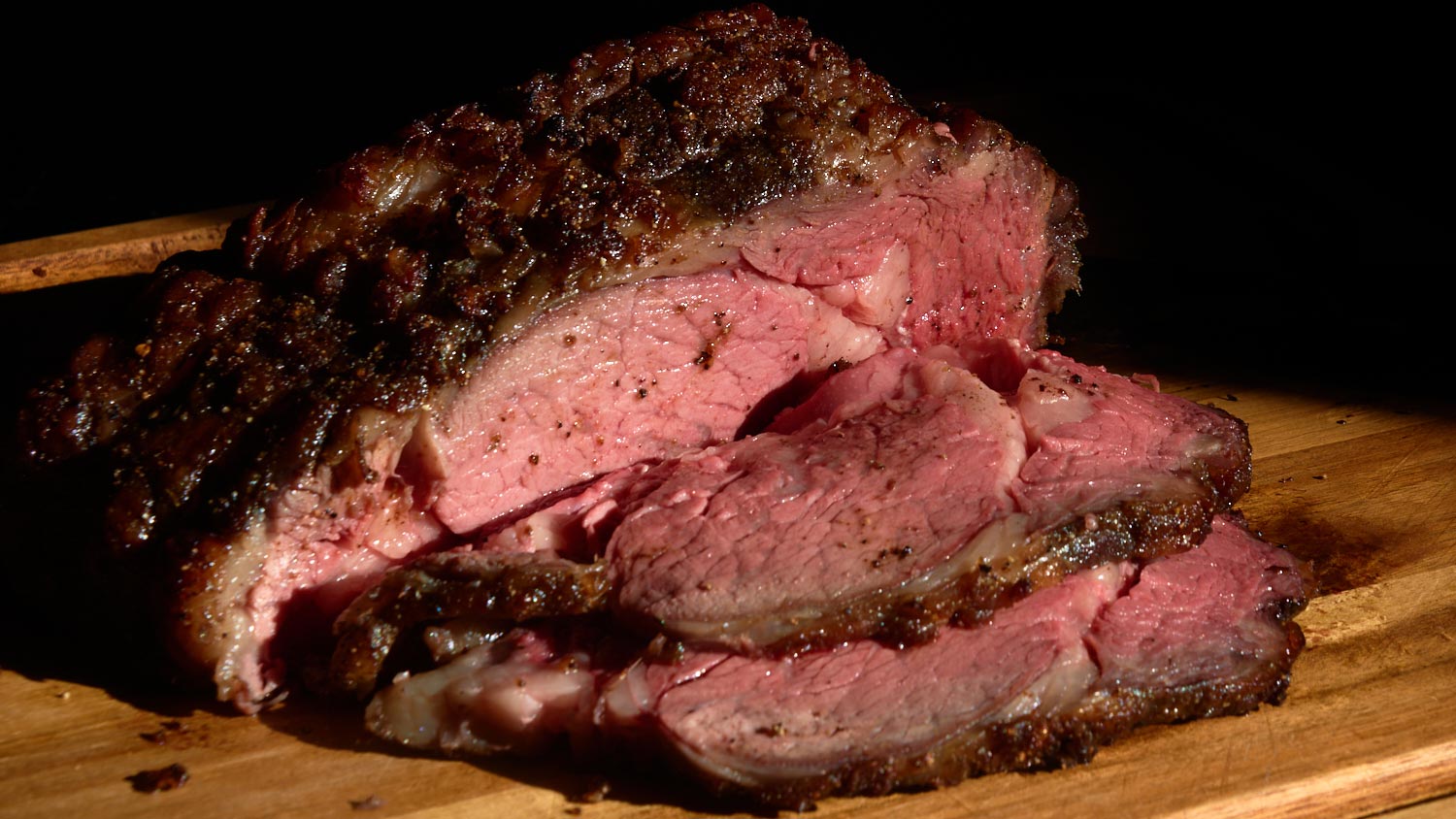
Credit: alittlespoon.com
Frequently Asked Questions
How Long Can You Freeze A Rib Roast?
You can freeze a rib roast for up to 12 months. Properly wrap it in airtight packaging to prevent freezer burn. Label it with the date for easy tracking. Thaw it slowly in the refrigerator for best results before cooking.
Should Rib Roast Be Frozen Cooked Or Raw?
It is best to freeze rib roast raw. Raw meat retains better texture and flavor after freezing. Cooked rib roast can be frozen but may lose some moisture. Always cool cooked meat before freezing to maintain quality.
How Do You Wrap Rib Roast For Freezing?
Wrap rib roast tightly in plastic wrap first. Then cover with aluminum foil or place in a freezer bag. This double layer prevents freezer burn and locks in moisture. Remove as much air as possible for best preservation.
Can You Freeze Rib Roast After Seasoning?
Yes, you can freeze rib roast after seasoning. Seasoning before freezing allows flavors to infuse during thawing. Ensure the roast is wrapped well to avoid contamination. Freeze promptly after seasoning to maintain freshness.
Conclusion
Freezing a rib roast keeps it fresh and tasty for weeks. Wrap the meat tightly to avoid freezer burn. Label the package with the date to track storage time. Thaw the roast slowly in the fridge for best results. Proper freezing helps keep the flavor and texture intact.
Enjoy your rib roast anytime without rushing to cook it. Simple steps make freezing easy and safe. Save money and reduce waste by freezing leftovers. A well-stored rib roast means a great meal ahead.