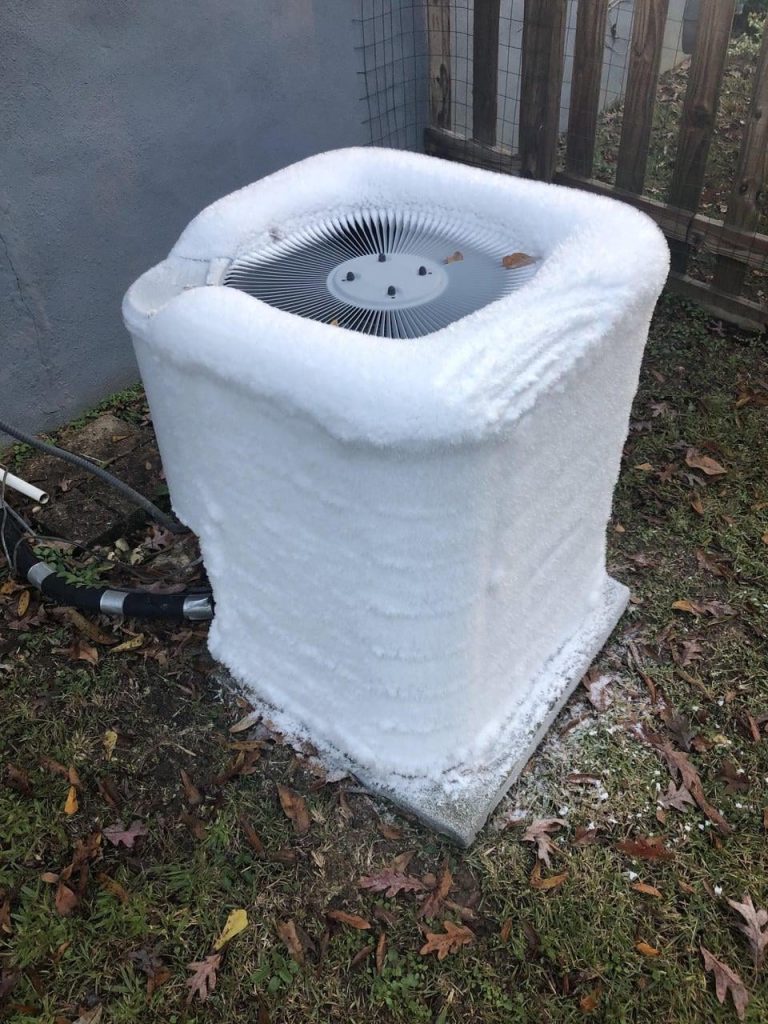
Is your coil freezing up again, leaving you frustrated and uncomfortable? You’re not alone.
When your coil freezes, it can disrupt your entire heating or cooling system, making your home feel less cozy or cool. But why does this happen, and what can you do to fix it before it causes bigger problems? Keep reading to discover the simple reasons behind a freezing coil and the easy steps you can take to get your system running smoothly again.
Don’t let a frozen coil ruin your comfort—understand the issue and take control today.

Credit: www.reddit.com
Common Causes Of Coil Freezing
Understanding why your AC coil keeps freezing can save time and money. Several common causes lead to this frustrating issue. Identifying these can help in finding solutions. Let’s explore the most frequent reasons behind coil freezing.
Low Refrigerant Levels
Low refrigerant levels affect your AC’s cooling ability. This can cause the coil to freeze. Refrigerant leaks often lead to reduced levels. Regular maintenance checks are crucial. Ensure your AC system has enough refrigerant to function properly.
Dirty Air Filters
Dirty air filters restrict airflow in your AC system. This can result in coil freezing. Clean or replace filters every few months. This simple step can prevent many issues. Clean filters allow air to flow smoothly, maintaining your AC’s efficiency.
Restricted Airflow
Blocked vents or ducts can restrict airflow. This often causes the coil to freeze. Ensure vents are open and unobstructed. Check that furniture or curtains are not blocking them. Proper airflow is essential for your AC to operate well.
Thermostat Issues
Incorrect thermostat settings can lead to coil freezing. If the temperature is set too low, the coil might freeze. Ensure the thermostat functions correctly. A faulty thermostat can misread temperatures, causing problems.
Faulty Blower Motor
A faulty blower motor affects airflow in your AC system. This can cause the coil to freeze. The blower motor needs to work efficiently. If it fails, it could need repair or replacement. Regular maintenance checks can prevent motor issues.
Signs Your Coil Is Freezing
Recognizing the signs of a freezing coil is important for maintaining your air conditioning system. Early detection helps prevent costly repairs and keeps your home comfortable. Watch for specific symptoms that indicate trouble with your coil.
Ice Buildup On Coil
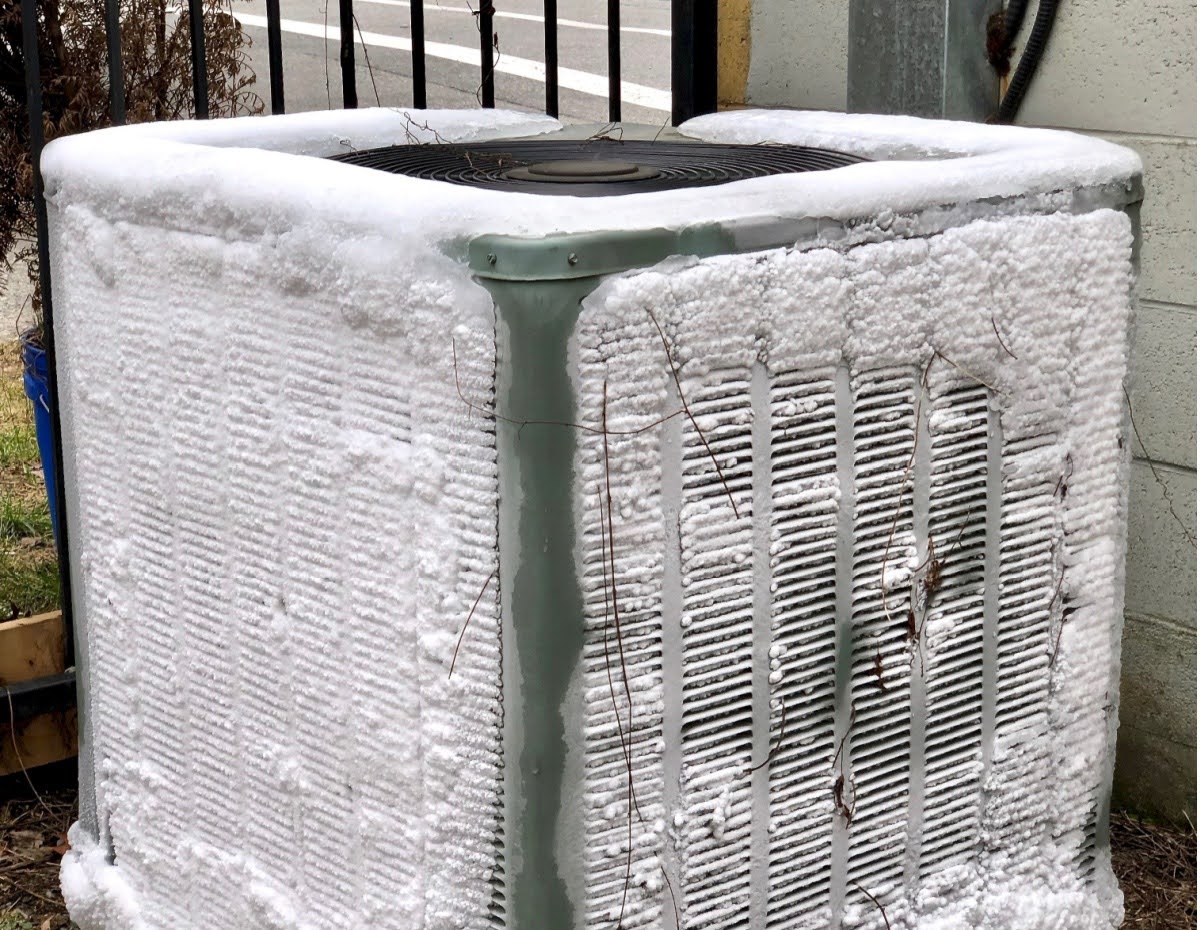
Visible ice on the coil is a clear sign of freezing. Ice may appear as frost or thick layers covering the metal parts. This buildup blocks airflow and reduces the system’s ability to cool your home.
Reduced Cooling Efficiency
Your air conditioner may struggle to cool rooms properly. The airflow feels weaker or warmer than usual. This happens because the frozen coil limits the system’s cooling power.
Unusual Noises
Listen for strange sounds like rattling or hissing near the coil. These noises can signal ice formation or air moving unevenly through the system. Such sounds often mean the coil is freezing and needs attention.
High Energy Bills
Freezing coils make your air conditioner work harder. This extra effort uses more electricity, raising your energy bills. Noticeable spikes in monthly costs might point to a freezing coil issue.
Preventive Maintenance Tips
Preventing your coil from freezing up often comes down to simple, routine care. Small actions taken regularly can save you from costly repairs and discomfort during hot days. Let’s look at practical maintenance tips that keep your system running smoothly and efficiently.
Regular Filter Replacement
Your air filter traps dust and dirt that can clog your system. A dirty filter restricts airflow, making the coil work harder and freeze more easily. Check your filter every month and replace it at least every three months, or more often if you have pets or live in a dusty area.
Cleaning The Evaporator Coil
Dust and grime build-up on the evaporator coil reduces its ability to absorb heat. Cleaning it gently with a soft brush or coil cleaner helps maintain proper airflow. If you’ve never cleaned it yourself, consider hiring a professional to avoid damage.
Checking Refrigerant Levels
Low refrigerant means your system can’t cool the air properly, causing the coil to freeze. If you notice your unit isn’t cooling well, have a technician check the refrigerant levels. Don’t try to add refrigerant yourself—it requires specialized tools and knowledge.
Inspecting The Blower Fan
The blower fan moves air across the coil. If it’s dirty, damaged, or not working, airflow drops and the coil freezes. Listen for unusual noises and check if air is blowing strongly from your vents. Cleaning or repairing the fan can prevent freezing and improve overall performance.
Maintaining Proper Thermostat Settings
Setting your thermostat too low can cause the coil to freeze because the system runs continuously. Aim for a comfortable temperature without pushing your AC to extremes. Using a programmable thermostat can help maintain steady settings and prevent unnecessary strain on your system.
Credit: www.davisheat.com
Quick Fixes To Unfreeze A Coil
Dealing with a frozen coil can be frustrating, especially when you need your cooling or heating system to work properly. The good news is that there are quick fixes you can try yourself before calling a professional. These simple steps can help you unfreeze the coil and get your system running efficiently again.
Turning Off The System
Start by turning off your HVAC system completely. This stops the coil from getting colder and allows the ice to melt naturally. You’ll want to leave it off for at least 30 minutes, but sometimes longer if the ice buildup is thick.
Have you ever ignored this step and tried to speed things up? It usually just causes more strain on your system, so patience here really pays off.
Using A Hair Dryer Safely
A hair dryer can speed up the melting process, but you must use it carefully. Keep the dryer on a low or medium heat setting and hold it about a foot away from the coil. Moving it constantly prevents overheating any part of the coil.
Never use high heat or get the dryer too close—this could damage delicate components or create safety hazards. Have you checked your system’s manual? Some models advise against this method, so it’s good to be sure.
Replacing Dirty Filters
Dirty filters restrict airflow, causing coils to freeze more easily. Check your air filter and replace it if it looks clogged or dusty. A clean filter improves air circulation and helps prevent future freezing issues.
Think about the last time you changed your filter—could that be the root of your problem? Regular maintenance here is often overlooked but makes a big difference.
Checking For Airflow Obstructions
Obstructions like furniture, curtains, or debris can block airflow around your unit. Make sure vents and registers are open and clear. Even small blockages reduce airflow and can cause your coil to freeze up.
Have you ever rearranged your room and forgotten about your vents? It’s a simple fix that often gets missed but can restore proper system function quickly.
When To Call A Professional
A coil that keeps freezing up signals a deeper problem. Sometimes basic fixes do not stop the ice buildup. Knowing when to call a professional helps protect your system. A trained technician can spot issues you might miss and fix them safely. Acting early can save money and prevent damage.
Persistent Freezing Issues
If the coil freezes again after several attempts to thaw it, call a professional. Persistent ice means the problem is complex. A technician will check airflow, thermostat settings, and system balance. They use tools to find hidden causes.
Refrigerant Leaks
Low refrigerant causes coils to freeze. Only a certified technician should handle refrigerant. They can find leaks and refill the system safely. Refrigerant leaks also harm the environment and reduce system efficiency.
Mechanical Failures
Broken parts like fans or valves can cause freezing. A professional can inspect mechanical components closely. They have the skills to repair or replace faulty parts. Trying to fix these yourself might cause more damage.
Electrical Problems
Wiring issues or faulty controls may lead to freezing coils. Professionals test electrical connections and controls thoroughly. They ensure all parts work together correctly. Electrical repairs require experience to avoid safety risks.
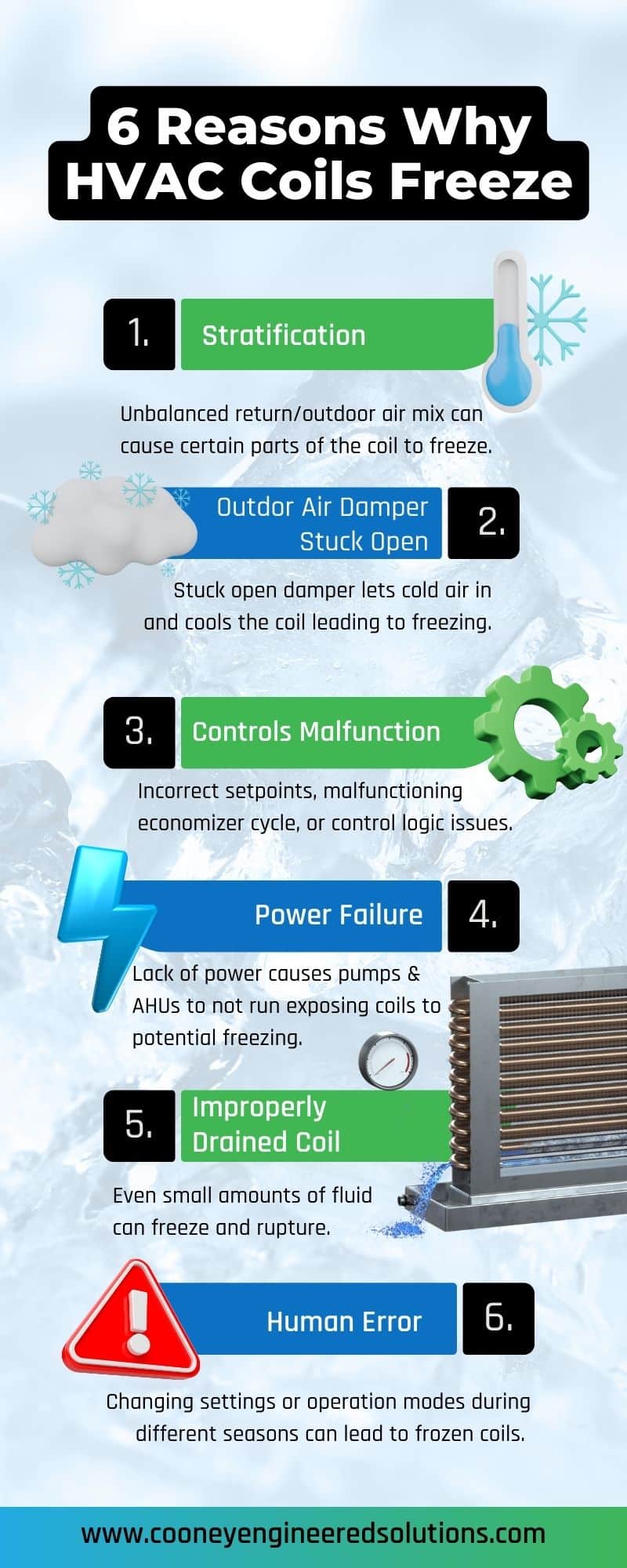
Credit: cooneyengineeredsolutions.com
Long-term Solutions To Avoid Freezing
Freezing coils cause discomfort and damage. Long-term solutions help prevent this issue. These approaches improve system performance and reduce repair costs.
Upgrading Hvac Components
Old parts often lead to coil freezing. New components run more efficiently and last longer. Consider replacing worn-out compressors, fans, and filters. Modern parts maintain proper airflow and temperature control. This reduces the chance of ice buildup on coils.
Installing Smart Thermostats
Smart thermostats control temperature with precision. They adjust settings based on your habits and weather. This keeps your HVAC system balanced and prevents freezing. Some models send alerts for maintenance needs. They also improve energy efficiency and comfort.
Regular Professional Inspections
Scheduled check-ups find problems before they worsen. Technicians clean coils and check refrigerant levels. They spot leaks and airflow issues early. Regular inspections extend the life of your HVAC system. Avoid costly repairs by keeping the system in good shape.
Improving Home Insulation
Poor insulation causes temperature swings that affect coils. Adding insulation keeps the indoor climate stable. Seal gaps and cracks to stop cold air from entering. This reduces strain on your HVAC system. Better insulation helps maintain consistent temperatures and prevents freezing.
Frequently Asked Questions
Why Does My Coil Keep Freezing Up?
A coil freezes up mainly due to restricted airflow or low refrigerant levels. Dirty filters, blocked vents, or a malfunctioning fan cause poor airflow. Low refrigerant results from leaks. Both conditions lower coil temperature, causing ice buildup.
How Can I Prevent My Coil From Freezing?
Regularly clean or replace air filters. Ensure vents are open and unobstructed. Schedule routine HVAC maintenance to check refrigerant levels and system performance. Proper airflow and correct refrigerant levels prevent coil freezing.
What Happens If A Coil Stays Frozen Too Long?
A frozen coil reduces cooling efficiency and can damage the compressor. It causes system shutdowns, leading to costly repairs. Promptly addressing freezing issues maintains HVAC system health and performance.
Can Low Refrigerant Cause Coil Freezing?
Yes, low refrigerant causes the coil temperature to drop excessively. This leads to ice forming on the coil. Leaks or insufficient charging during installation often cause low refrigerant levels.
Conclusion
A coil freezing up can cause many problems at home. It often means your system needs cleaning or repair. Regular checks help keep your coil working well. Fixing small issues early saves money later. Don’t ignore signs like ice or poor cooling.
Stay alert and act fast to avoid bigger damage. Keeping your coil clear ensures comfort all year. Simple care makes a big difference in your system’s life.