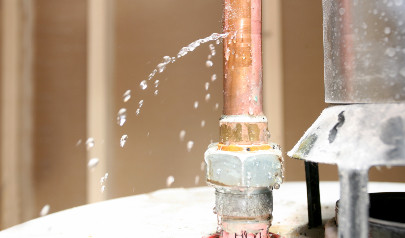
Have you ever wondered what really happens to your pipes when the temperature drops? You might think pipes simply get cold, but the truth is much more serious.
When water inside your pipes freezes, it doesn’t just stop flowing—it can cause your pipes to burst, leading to costly damage and a big headache for you. You’ll discover why pipes burst when they freeze, how to spot the warning signs, and what you can do to protect your home before it’s too late.
Keep reading to make sure your pipes—and your wallet—stay safe this winter.

Credit: www.milani.ca
How Pipes Freeze
Frozen water expands inside pipes, increasing pressure. This pressure can cause pipes to crack or burst. Not all frozen pipes burst, but many do when the ice blocks water flow.
Understanding how pipes freeze is crucial to preventing costly damages in your home. When temperatures drop, the water inside your pipes can freeze, leading to significant issues. Knowing the mechanics of this process can help you take proactive measures to protect your plumbing system.Water Expansion And Pressure
When water freezes, it expands by about 9%. This expansion increases pressure inside the pipe. If the pressure becomes too high, it can cause the pipe to burst. Consider this: a small crack can release hundreds of gallons of water within a day. This scenario can lead to extensive water damage in your home.Common Freeze Points In Plumbing
Pipes that are most susceptible to freezing are often located in unheated areas. These can include:- Basements
- Attics
- Garages
Signs Of Frozen Pipes
Recognizing the signs of frozen pipes early can save you from a costly disaster. Pipes that freeze don’t always show obvious symptoms until it’s too late. Paying attention to subtle changes around your plumbing can help you act quickly before a pipe bursts.
Reduced Water Flow
One of the first signs you might notice is a drop in water pressure or a slower flow from your faucets. If water trickles out instead of flowing steadily, it could mean ice is blocking the pipe. Have you ever experienced a faucet that suddenly seemed clogged during cold weather? That might be your pipes freezing.
Frost On Pipes
Visible frost or ice on your pipes is a clear warning. Pipes located in unheated areas like basements, attics, or crawl spaces are especially vulnerable. If you spot frost, it’s a signal to warm the area immediately before the ice expands and causes a rupture.
Unusual Noises
Listen closely to your plumbing when the temperature drops. Frozen pipes sometimes make strange sounds like banging, clanking, or gurgling. These noises happen because water trapped in ice tries to move or pressure builds up. Have you ever heard odd sounds from your pipes during winter? It’s a sign to check for freezing before the situation worsens.
Why Pipes Burst
Understanding why pipes burst when they freeze can save you from costly repairs and water damage. Pipes don’t just crack out of the blue; it’s a process driven by physical forces and material weaknesses. Let’s break down the main causes behind these unexpected bursts.
Pressure Build-up
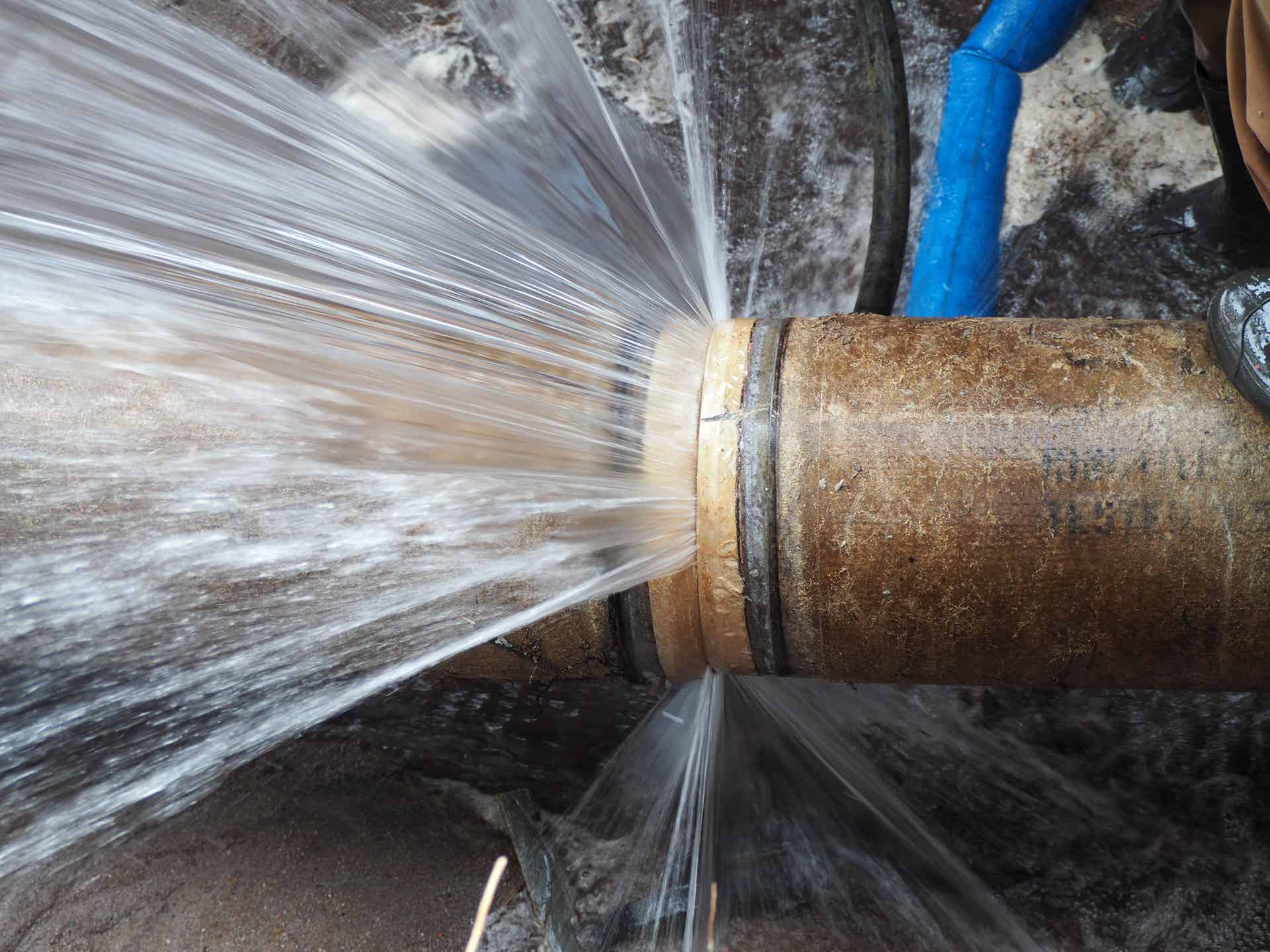
Water expands as it freezes, increasing pressure inside the pipe. Since ice takes up more space than liquid water, it pushes against the pipe walls. This pressure can become so intense that the pipe can no longer contain it, leading to a burst.
Have you ever noticed that pipes tend to burst just after the cold snap, not during? That’s because the ice forms a blockage, and as more water freezes and expands behind it, pressure builds in areas still liquid. This trapped pressure is often the real culprit behind the burst.
Weak Pipe Materials
Not all pipes handle freezing temperatures the same way. Older pipes made of materials like galvanized steel or cast iron are more prone to cracking under pressure. Plastic pipes, like PEX, often withstand freezing better due to their flexibility.
Think about your home’s plumbing—are your pipes outdated or made of brittle material? Pipes with corrosion or tiny cracks become weak spots that give way easily when pressure spikes. Regular inspection can help you spot these vulnerabilities before winter hits.
Credit: www.servpro.com
Risk Factors For Freezing
Understanding the risk factors for freezing pipes is crucial to preventing costly damage in your home. Pipes don’t just burst randomly; certain conditions make them far more vulnerable to freezing. Identifying these factors can help you take targeted steps to protect your plumbing during cold spells.
Climate And Temperature
Areas with harsh winters or sudden temperature drops increase the chances of pipes freezing. If your region experiences temperatures below 20°F (-6°C) regularly, your pipes are at higher risk. Even a brief cold snap in milder climates can catch you off guard and freeze exposed pipes.
Have you ever noticed how a few degrees difference outside can impact your water flow inside? That’s your pipes reacting to the cold. Knowing your local climate patterns helps you prepare and act before the damage starts.
Pipe Location And Insulation
Pipes located in unheated spaces like basements, crawl spaces, attics, or exterior walls are more likely to freeze. These areas often lack proper insulation, leaving pipes exposed to cold air. Adding insulation or heat tape can significantly reduce the risk.
Consider this: a friend of mine ignored insulating pipes in her garage and ended up with a burst pipe and flooding. Protecting vulnerable areas with even simple foam sleeves can save you from similar headaches.
Home Heating Issues
If your home’s heating system is inconsistent or fails to reach certain areas, pipes may freeze despite overall warmth. Drafty rooms or closed vents can create cold pockets where pipes are vulnerable. Keeping a steady temperature above freezing throughout your home is key.
Do you keep your thermostat low at night or when away? Even small drops in indoor temperature can be risky. A smart thermostat or space heaters in problem areas can maintain a safer environment for your pipes.
Prevention Tips
Preventing pipes from bursting during freezing weather is crucial. Taking simple steps can protect your home and save money. These tips help keep water flowing and avoid costly repairs. Follow easy actions to safeguard your plumbing before cold days arrive.
Insulating Pipes
Wrap pipes with foam or fiberglass sleeves. Focus on pipes in cold areas like basements and attics. Insulation keeps pipes warm and reduces freezing risk. Use weather-resistant materials for long-lasting protection.
Sealing Gaps And Cracks
Close openings near pipes using caulk or foam. Gaps let cold air inside and chill pipes quickly. Check around windows, doors, and where pipes enter walls. Sealing stops cold drafts and keeps heat inside.
Letting Faucets Drip
Allow a slow drip from faucets during very cold nights. Moving water freezes less easily than still water. This simple trick helps relieve pressure inside pipes. It lowers the chance of pipes bursting.
Maintaining Home Temperature
Keep your home heated even when away. Set the thermostat to at least 55°F (13°C). Warm air inside stops pipes from freezing. Close doors to unused rooms to focus heat where pipes run.
Using Heating Tape
Apply electric heating tape on pipes prone to freezing. It warms pipes directly and prevents ice buildup. Follow product instructions carefully for safe use. Heating tape works well in extremely cold spots.
Credit: www.randrmagonline.com
Emergency Measures
Frozen pipes can cause serious damage if not handled quickly. Taking the right emergency measures helps reduce risks. Acting fast can prevent pipes from bursting and flooding your home. Here are key steps to follow during a pipe freeze emergency.
Thawing Frozen Pipes Safely
Do not use open flames to thaw pipes. It is dangerous and can cause fires. Instead, try gentle heat sources like a hair dryer or heating pad. Start heating near the faucet and move toward the frozen area. Keep heat moving slowly and evenly. Avoid using boiling water to prevent pipe damage.
Shutting Off Water Supply
Turn off the main water valve immediately. This stops water flow and reduces pressure on frozen pipes. Locate your home’s main shut-off valve in advance. It is often near the water meter or where the main line enters the house. Shutting off water helps limit damage if a pipe bursts.
When To Call A Professional
Contact a plumber if you cannot thaw pipes safely. Also call if you see cracks or leaks in pipes. Professionals have tools to fix frozen or burst pipes properly. Do not delay calling for help when damage seems serious. Quick action can save your home from costly repairs.
Long-term Solutions
Preventing pipes from bursting during freezing weather requires more than quick fixes. Long-term solutions protect your home and save money on costly repairs. These strategies focus on strengthening your plumbing system and keeping pipes warm throughout winter.
Upgrading Pipe Materials
Some pipe materials handle cold better than others. Copper and PEX pipes resist freezing and cracking more than older materials. Replacing old pipes with these modern options lowers the risk of burst pipes. New pipes also last longer and need less maintenance.
Improving Home Insulation
Proper insulation keeps cold air away from pipes. Add insulation to walls, attics, and basements where pipes run. Use foam pipe sleeves or heat tape around exposed pipes. This helps maintain a steady temperature and prevents freezing.
Installing Pipe Heating Systems
Pipe heating systems provide direct warmth to vulnerable pipes. Electric heat cables wrap around pipes and turn on automatically at low temperatures. This controlled heat stops water inside pipes from freezing. These systems offer reliable protection during extreme cold spells.
Frequently Asked Questions
Why Do Pipes Burst When They Freeze?
Pipes burst when frozen water expands inside them. Ice increases pressure, causing cracks or breaks in the pipe walls. This leads to leaks and water damage once the ice thaws and water flows again.
Can All Types Of Pipes Freeze And Burst?
Yes, all pipe materials can freeze and burst. Metal and plastic pipes are both vulnerable to freezing temperatures and pressure buildup from expanding ice.
How Can I Prevent Pipes From Freezing And Bursting?
Insulate exposed pipes and keep indoor temperatures above freezing. Let faucets drip slightly during cold spells to reduce pressure buildup inside pipes.
What Are The Signs Of A Frozen Pipe?
No water flow, frost on pipes, or unusual noises suggest freezing. Bulging or damp spots on walls may indicate a burst pipe.
Conclusion
Pipes can burst when they freeze due to expanding ice. This can cause serious water damage and costly repairs. Prevent freezing by insulating pipes and keeping your home warm. Know the signs of frozen pipes to act quickly. Taking simple steps helps protect your plumbing in cold weather.
Stay alert during winter to avoid pipe bursts. Protect your home and save money by being prepared.