Have you ever grabbed an ice pack, only to find it still soft and not ready when you really need it? Knowing how long it takes for your ice pack to freeze can save you time and frustration.
Whether you’re treating a sore muscle, cooling down a lunchbox, or prepping for an injury, getting your ice pack perfectly chilled is key. You’ll discover exactly how long you should leave your ice pack in the freezer, plus simple tips to speed up the process.
Keep reading to make sure your ice pack is always ready when you need it most.
Ice Pack Freezing Time
Knowing how long an ice pack takes to freeze can save you from last-minute frustration. It’s not just about popping it in the freezer and waiting blindly. Understanding the freezing time helps you plan better whether you need it for an injury, keeping food cold, or outdoor activities.
Factors Affecting Freeze Duration
Several things influence how quickly your ice pack freezes. The size and thickness of the pack are major players—thicker packs naturally take longer. The type of gel or liquid inside also matters; some freeze faster than others.
Your freezer’s temperature setting can speed up or slow down the process. If your freezer is set too warm, expect longer freezing times. Additionally, where you place the pack inside the freezer matters—front and center near the cooling element works best.
Have you ever noticed some ice packs freeze unevenly? That’s often due to the pack’s material and how the gel distributes cold. The shape can influence air circulation around the pack, affecting freeze time too.
Typical Freezing Times
On average, a standard ice pack takes about 2 to 4 hours to freeze completely. Smaller or thinner packs might be ready in as little as 1 to 2 hours. Larger, bulkier packs can take up to 6 hours or sometimes overnight.
| Ice Pack Size | Approximate Freeze Time |
|---|---|
| Small (4×6 inches) | 1-2 hours |
| Medium (6×9 inches) | 2-4 hours |
| Large (9×12 inches and above) | 4-6 hours or overnight |
If you’re in a rush, try placing the ice pack flat and close to the freezer’s coldest spot. Ever used an ice pack that stayed soft after hours? That might mean the pack needs more time or your freezer isn’t cold enough.

Credit: icepackstore.com
Types Of Ice Packs
Ice packs come in various types, each designed to meet different needs and situations. Knowing the differences between them can help you choose the right one and better estimate how long it will take to freeze. Let’s look at the main types: gel-based, water-based, and instant ice packs.
Gel-based Packs
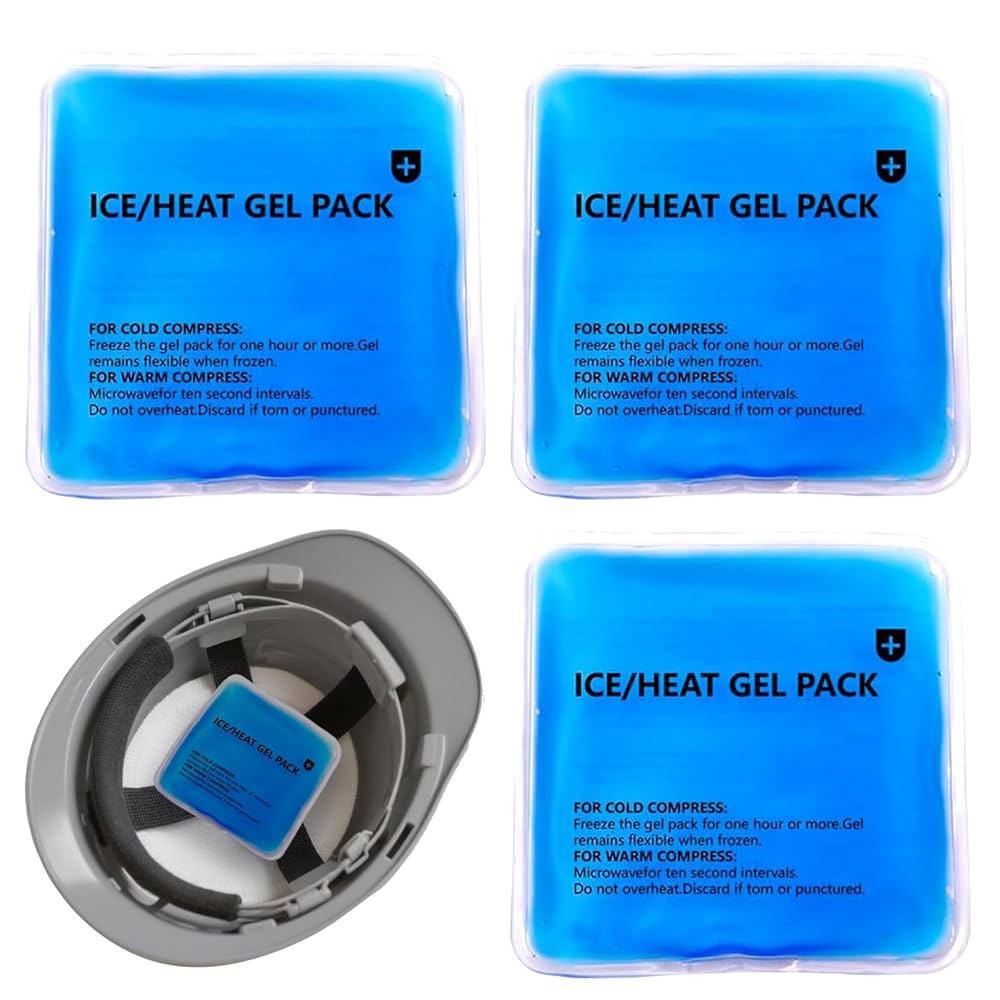
Gel-based ice packs contain a thick gel that freezes slower than water but stays cold longer. This makes them perfect for injuries that need extended cooling. If you’ve ever kept a gel pack in your freezer overnight, you know it usually takes about 2 to 4 hours to freeze solid.
One thing I noticed is that gel packs stay flexible when frozen, so they mold better around joints. This flexibility can make a big difference when you want targeted relief. Have you tried using one on a sore knee or wrist?
Water-based Packs
Water-based ice packs are simply sealed bags or containers filled with water. They freeze faster than gel packs, often within 1 to 2 hours. However, they become hard and less flexible once frozen, which might not be as comfortable for some injuries.
If you’re in a rush, water-based packs are a good choice. But be careful—they can leak or burst if not handled gently. Ever had a frozen water pack crack on you? It’s frustrating but a good reason to choose quality materials.
Instant Ice Packs
Instant ice packs are a handy option when you don’t have access to a freezer. They activate with a simple shake or squeeze, causing a chemical reaction that produces cold instantly. These packs don’t require freezing time, so they’re great for emergencies or outdoor activities.
On the downside, instant packs only stay cold for a short time and can’t be reused. Have you kept one in your first-aid kit for sudden injuries? It’s like having immediate relief ready to go.
Freezing Tips
Freezing an ice pack properly helps it reach the right temperature faster. Some simple tips make the process quicker and more efficient. These tips ensure your ice pack is ready when needed.
Optimal Freezer Settings
Set your freezer temperature between 0°F (-18°C) and 5°F (-15°C). This range freezes ice packs quickly without overloading the freezer. Avoid frequent door openings to keep the temperature steady.
Proper Pack Placement
Place ice packs flat on a freezer shelf for even freezing. Keep them away from walls and vents to allow cold air circulation. Avoid stacking packs to help each freeze properly.
Using Pre-chilled Packs
Store ice packs in the fridge before freezing for faster results. Pre-chilling lowers the temperature, so the freezer works less. This step reduces the freezing time significantly.

Credit: www.amazon.ca
Diy Ice Packs
DIY ice packs usually take about 2 to 4 hours to freeze completely. Thinner packs freeze faster, while thicker ones may need more time. Placing them flat in the freezer helps speed up the freezing process.
DIY ice packs are a simple and cost-effective solution for those times when you need quick relief from sprains, swelling, or just to cool down. Crafting your own ice packs can be a fun and rewarding activity, giving you the flexibility to choose the size and shape that best suits your needs. Plus, you probably already have most of the ingredients at home, making this a convenient and customizable option.Homemade Ice Pack Options
Creating your own ice packs can be as straightforward or creative as you like. Here are a few popular options you might consider:- Rubbing Alcohol and Water:Mix one part rubbing alcohol with two parts water. Pour it into a sealable plastic bag and freeze. The alcohol prevents the mixture from freezing solid, allowing the pack to conform to the body’s contours.
- Dish Soap:Simply pour dish soap into a sealable bag. It freezes to a slushy consistency, making it a flexible ice pack.
- Corn Syrup:Fill a bag with corn syrup for a gel-like texture. This option is perfect if you prefer a softer ice pack.
Freezing Time For Diy Packs
The time it takes for your DIY ice pack to freeze depends on the ingredients and your freezer settings. Generally, most homemade packs will need about 2-4 hours in the freezer. Consider this: a mix with a higher alcohol content will take longer to solidify compared to plain water. This is because alcohol lowers the freezing point of the mixture. If you’re in a rush, you might wonder if placing your ice pack in the coldest part of your freezer speeds things up. It does! Aim for the back of the freezer where temperatures are consistently lower. Do you ever find yourself needing an ice pack right away? Having a couple of these DIY options pre-made and stored in the freezer can save the day. Knowing their freezing times ensures you’re always prepared.Common Mistakes
Freezing an ice pack quickly depends on avoiding common mistakes. These errors slow down the process and reduce the pack’s effectiveness. Knowing what to avoid helps you get the best results faster.
Overpacking The Freezer
Stuffing too many items into the freezer blocks air circulation. Poor airflow makes freezing slower and uneven. Ice packs need space around them for cold air to flow freely. Avoid crowding your freezer to help packs freeze faster.
Using Damaged Packs
Old or damaged ice packs often freeze unevenly. Cracks or leaks reduce the pack’s ability to hold cold. Using damaged packs means they take longer to freeze or may not freeze fully. Always check for damage before freezing your ice pack.

Credit: www.amazon.ca
Speeding Up Freeze Time
Waiting for an ice pack to freeze can sometimes feel longer than it really is, especially when you need it quickly. Speeding up the freeze time can save you from discomfort and allow you to apply cold therapy sooner. There are simple tricks you can try to help your ice pack freeze faster and get ready for use in no time.
Using Metal Containers
Metal conducts cold much better than plastic or silicone. Placing your ice pack inside a metal container can help transfer the cold more efficiently, speeding up the freezing process.
Try using a small metal bowl or tray to hold the ice pack in the freezer. The metal chills quickly and keeps the pack cold from all sides, reducing freeze time significantly.
Dividing Packs Into Smaller Portions
Have you noticed that smaller things freeze faster? The same goes for ice packs. Dividing a large ice pack into smaller portions increases the surface area exposed to the cold air, helping it freeze quicker.
If your ice pack is reusable and allows separation, split it into smaller sections before freezing. This way, you can also use only what you need without thawing the entire pack.
Cooling Packs Before Freezing
This might sound obvious, but starting with a cold pack instead of a room-temperature one makes a huge difference. Pop your ice pack in the fridge for 30 minutes before moving it to the freezer.
Lowering the initial temperature reduces the freezing time because the pack doesn’t have to cool down from room temperature first. Have you tried this trick yet?
Frequently Asked Questions
How Long Does An Ice Pack Typically Take To Freeze?
An ice pack usually takes 2 to 4 hours to freeze fully. Freezing time depends on freezer temperature and pack size. Smaller packs freeze faster. For best results, place ice packs flat in the freezer.
Can Freezing Time Vary By Ice Pack Type?
Yes, gel-based ice packs may freeze faster than water-based ones. The material and thickness affect freezing duration. Always check manufacturer instructions for accurate freezing times.
How To Speed Up The Ice Pack Freezing Process?
To freeze faster, use a colder freezer setting and keep the ice pack flat. Avoid stacking heavy items on top. Pre-chilling the ice pack before freezing also helps reduce freezing time.
Is It Safe To Refreeze A Partially Frozen Ice Pack?
Yes, but repeated refreezing can reduce the ice pack’s effectiveness. It’s best to fully thaw before refreezing. Proper care extends the ice pack’s lifespan and performance.
Conclusion
Freezing an ice pack usually takes between 1 to 4 hours. The exact time depends on the pack’s size and freezer temperature. Thinner packs freeze faster, while larger ones need more time. For best results, keep the freezer set at or below 0°F (-18°C).
Always check the ice pack before use to avoid discomfort. Knowing how long to freeze helps you plan better. It keeps your injuries cool and helps reduce swelling quickly. Simple steps make using ice packs easy and effective every time.