If you want to catch more bass, choosing the right lure is key. But with so many options out there, it’s easy to feel overwhelmed.
What types of lures really work? Which colors and sizes attract the biggest bass? You’re about to discover simple, effective lures that can boost your catch rate and make your next fishing trip a success. Keep reading, and you’ll learn exactly what lures to use to get those bass biting every time.

Credit: www.amazon.com
Best Lure Types For Bass
Bass fishing is popular with many anglers. Using the right lure can improve your catch rate.
Different lures work well in different water and weather conditions. Knowing the best types helps you fish better.
Crankbaits
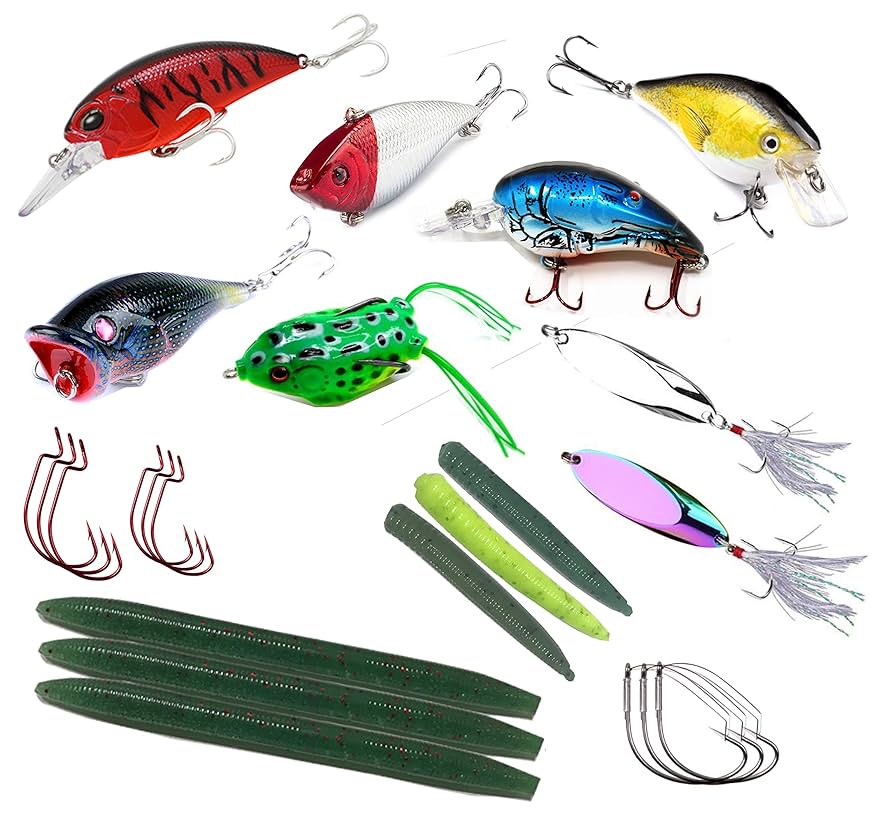
Crankbaits are hard-bodied lures that dive under water. They mimic small fish or crawfish moving fast.
They work well in deep or shallow water. Use crankbaits to cover a lot of water quickly and find active bass.
Spinnerbaits
Spinnerbaits have spinning blades that flash and vibrate in the water. This attracts bass from far away.
They work great around weeds and cover. Spinnerbaits are easy to use and good for beginners and experts alike.
Soft Plastics
Soft plastics are flexible lures shaped like worms, frogs, or creatures. They move naturally in water.
These lures are good for slow fishing and for bass hiding in heavy cover. Rig them in many ways for different effects.
- Worms
- Creature baits
- Frogs
- Tube baits
Jigs
Jigs have a weighted head and a skirt or soft body. They sink fast and bounce on the bottom.
They are good for fishing near rocks, wood, or deep cover. Jigs can imitate crawfish or injured baitfish well.
Topwater Lures
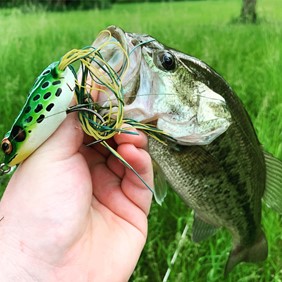
Topwater lures float on the surface and create splashes or noise. This excites bass to strike from below.
Use topwater lures early in the morning or late in the evening. They work best in calm water and warm seasons.
Credit: n1outdoors.com
Choosing Lures By Water Conditions
Choosing the right lure helps catch more bass. Water conditions change how bass see and react to lures.
Clear water, murky water, cold water, and warm water all need different lure choices for best results.
Clear Water Lures
In clear water, bass can see well. Use natural colors and subtle movements to avoid spooking fish.
- Use lures in green, brown, or silver shades
- Choose lures that imitate small baitfish
- Try finesse baits like small jigs or soft plastics
- Slow and steady retrieves work best
Murky Water Lures
In murky water, bass rely on sound and vibration. Bright colors and noisy lures attract more attention.
| Lure Type | Color | Special Feature |
| Spinnerbaits | Chartreuse, White | Flash and vibration |
| Crankbaits | Bright Orange, Red | Loud rattles |
| Jigs | Black and Blue | Strong vibration |
| Buzzbaits | White | Surface noise |
Cold Water Lures
Bass move slower in cold water. Use lures that allow slow retrieval and small actions.
- Choose soft plastics like worms or grubs
- Use suspending jerkbaits to pause and twitch
- Try slow-moving jigs with subtle vibration
- Colors like brown, black, and dark green work well
Warm Water Lures
In warm water, bass are active and aggressive. Use fast-moving and brightly colored lures.
| Lure Type | Color | Best Action |
|---|---|---|
| Topwater lures | Red, White | Fast, erratic |
| Crankbaits | Bright Yellow, Orange | Quick dives and runs |
| Spinnerbaits | Fluorescent colors | Fast retrieval |
| Soft plastics | Bright green, chartreuse | Active swimming |
Matching Lures To Bass Behavior
Choosing the right lure depends on how the bass act. Bass change their behavior based on the time and environment.
Understanding bass behavior helps pick lures that catch more fish. Matching lures to their mood is key.
Aggressive Bass
Aggressive bass attack quickly and often chase fast-moving prey. They like lures that move fast and flash bright colors.
Use lures that create noise or vibration to trigger their strike reflex. These bass respond well to topwater and crankbaits.
- Spinnerbaits with flashy blades
- Topwater lures like buzzbaits
- Crankbaits with rattles
- Jerkbaits that dart quickly
Inactive Bass
Inactive bass stay still and hide in cover. They are less likely to chase fast lures. Use slow and subtle lures.
Try lures that mimic injured prey or sit quietly on the bottom. Soft plastics and jigs work best for these bass.
- Soft plastic worms or creature baits
- Jigs with natural colors
- Spoons with slow, steady retrieves
- Drop shot rigs
Feeding Patterns
Bass feed more at certain times and places. Match your lure to the current feeding pattern for better results.
During low light, use natural colors and slow movements. In bright light, brighter colors and faster action can work well.
- Early morning and late evening: soft plastics, jigs
- Midday with bright sun: spinnerbaits, crankbaits
- After rain: topwater lures and frogs
- Cold water: slow retrieves with subtle lures
Color And Size Tips
Choosing the right lure color and size is key for bass fishing success. These factors help attract bass in different water and light conditions.
Understanding how color and size affect bass behavior will improve your catch rate. Here are some easy tips to pick the best lures.
Color Selection
Pick lure colors based on water clarity and light. Bright colors work well in clear water and sunny days. Dark or natural colors suit murky water or low light.
Match colors to local baitfish for a natural look. Use flashy colors to catch attention in stained water.
- Clear water: use natural colors like green, brown, or silver
- Murky water: try bright colors like chartreuse, orange, or white
- Sunny days: use reflective or shiny lures
- Cloudy or low light: go for dark colors like black or blue
Lure Size Considerations
Choose lure size based on bass size and feeding habits. Small lures work well for shy or small bass. Larger lures attract big, aggressive fish.
Adjust lure size for water conditions. Use smaller lures in clear water and bigger ones in murky water to increase visibility.
- Small lures (2-3 inches): best for finicky or small bass
- Medium lures (3-5 inches): good for most bass fishing situations
- Large lures (5+ inches): attract big bass and trigger strikes
- Clear water: use smaller lures for a natural look
- Stained water: use bigger lures to stand out
Techniques For Using Top Lures
Using the right techniques with top lures can improve your bass fishing success. Different ways to retrieve and present the lure affect how bass react.
Learning how to move and show your lure helps catch more fish. This guide covers important methods to try.
Retrieval Methods
How you pull the lure through the water changes its action. Bass watch the lure closely before they strike. Try different speeds and patterns to find what works.
- Steady retrieve: Pull the lure evenly to mimic a swimming baitfish.
- Stop-and-go: Reel then pause to let the lure float or sink, attracting attention.
- Twitching: Give short, quick jerks to make the lure dart like a fleeing prey.
- Slow rolling: Retrieve slowly near the bottom to imitate slow prey.
- Burning: Reel fast to trigger a reaction strike from aggressive bass.
Presentation Styles
How you show the lure matters. Presentation styles help mimic natural movement or create curiosity in bass. Different styles work in different water and weather conditions.
- Topwater popping: Use lures that splash and pop on the surface to attract strikes.
- Walking the dog: Move the lure side to side on the surface to mimic a baitfish.
- Subsurface rolling: Keep the lure just below the surface for subtle action.
- Hopping: Lift the lure off the bottom and let it fall to imitate injured prey.
- Dragging: Slowly pull the lure along the bottom to trigger bites from hiding bass.
Seasonal Lure Choices
Choosing the right lure for bass fishing changes with the seasons. Bass react differently to lures in spring, summer, fall, and winter. Understanding these changes helps you catch more fish.
Each season brings different water temperatures and bass behavior. This affects the lure type, color, and retrieval speed you should use.
Spring Lures
In spring, bass become active after winter. Use lures that imitate baitfish and crawfish. Slow retrieves work well because bass are still warming up.
- Jigs with craw trailers
- Spinnerbaits in natural colors
- Crankbaits with a slow wobble
- Soft plastic worms
Summer Lures
Summer bass move to deeper and cooler water. Bright colors and fast retrieves attract bass in bright sunlight. Topwater lures work well in low light.
| Lure Type | Color | Best Use |
| Topwater frogs | Bright green | Early morning and late evening |
| Deep diving crankbaits | Chartreuse | Midday in deep water |
| Plastic worms | Fluorescent colors | Slow dragging near cover |
Fall Lures
In fall, bass feed heavily to prepare for winter. Use lures that mimic baitfish and shad. Medium to fast retrieves trigger strikes.
- Crankbaits in silver or white
- Spinnerbaits with flashy blades
- Jerkbaits with erratic action
- Swimbaits matching local baitfish
Winter Lures
Winter bass are slow and less active. Use small lures and slow retrieves. Choose natural colors to avoid spooking bass.
| Lure Type | Color | Action |
|---|---|---|
| Jigs | Brown, black | Slow dragging |
| Small soft plastics | Natural shades | Gentle twitching |
| Blade baits | Silver | Slow vertical jigging |
Popular Brands And Models
Bass fishing needs the right lures to catch more fish. Many brands offer good quality lures. Some are known for top-quality products. Others focus on low-cost options.
Choosing the right lure depends on the fish behavior and water conditions. Let’s look at popular brands and models for bass fishing.
High-quality Lure Brands
High-quality lure brands offer durability and realistic action. They use good materials to attract bass. These lures often mimic real prey well.
- Rapala: Known for their hard baits and crankbaits like the Original Floater.
- Strike King: Offers a wide range including spinnerbaits and jigs.
- Megabass: Popular for detailed and lifelike lures like the Vision series.
- Deps: Known for soft plastic swimbaits and topwater lures.
- Yamamoto: Famous for soft plastic worms and creature baits.
These brands are preferred by many anglers for their consistent performance. They tend to last longer and work well in different conditions.
Budget-friendly Options
Budget-friendly lures are good for beginners and casual fishers. They give good value and can still catch bass effectively.
- Booyah: Offers affordable spinnerbaits and frogs.
- Strike King: Has budget lines like the Bitsy Bug.
- Bandit: Known for inexpensive crankbaits.
- Zoom Bait: Provides soft plastic options at low prices.
- Rapala: Also has some entry-level models.
Choosing budget lures helps you try different styles without spending much. These lures can work well in many fishing spots.

Credit: www.henry-gilbey.com
Frequently Asked Questions
What Types Of Lures Work Best For Bass Fishing?
Soft plastic lures, crankbaits, spinnerbaits, and jigs are top choices. They mimic bass prey and trigger strikes effectively.
When Should I Use Topwater Lures For Bass?
Use topwater lures early morning or late evening. Bass are active near the surface and respond well to surface action.
How Do Color And Size Affect Bass Lure Choice?
Bright colors attract bass in murky water. Natural colors work best in clear water. Choose lure size matching local forage.
Can Artificial Lures Outperform Live Bait For Bass?
Yes, artificial lures offer versatility and durability. They allow varied retrieves and reduce mess, often attracting more strikes than live bait.
Conclusion
Choosing the right lures makes bass fishing exciting and fun. Try different types to see what the bass prefer. Spinnerbaits work well in murky waters. Jigs are great for deep waters. Soft plastics mimic real fish and attract bites. Crankbaits cover a lot of water quickly.
Each lure has its own strengths. Experiment with colors and sizes to match the environment. Practice and patience will improve your skills. Remember, every fishing trip teaches something new. Stay curious and enjoy the adventure. Happy fishing!