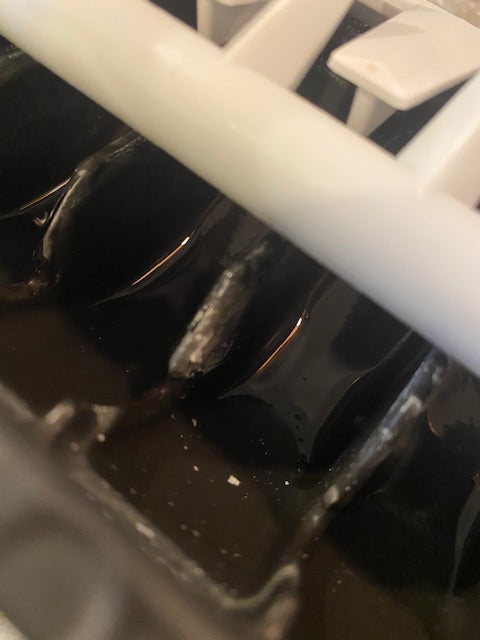
Have you ever opened your ice maker and noticed black stuff inside? It’s confusing and a bit unsettling.
You might wonder if it’s safe or if something is wrong with your appliance. Understanding what this black stuff is and how it got there can save you from worry and help keep your ice clean and fresh. You’ll discover the common causes and easy steps to fix the problem.
Keep reading to find out exactly what that black stuff means for you and your ice maker.
Sources Of Black Particles
Noticing black particles in your ice maker can be unsettling. These tiny specks often come from various sources inside your appliance or even your water supply. Understanding where they come from helps you tackle the problem effectively and keeps your ice clean and safe.
Mold And Mildew Growth
Ice makers create a cold, moist environment that can encourage mold and mildew growth. If you rarely clean your ice maker, mold can develop on internal surfaces and mix with the ice. This black stuff is not just unsightly; it could affect your health.
Have you ever opened your ice bin and noticed a strange smell? That’s often a sign mold is lurking. Regular cleaning with a vinegar solution or a commercial ice machine cleaner can stop mold buildup.
Mineral Deposits And Sediment
Hard water contains minerals like iron and manganese that leave behind dark deposits. Over time, these minerals accumulate inside your ice maker’s water lines and tray. They can break loose and end up as black particles in your ice cubes.
Using a water softener or installing a filter can reduce these deposits. It’s worth checking your water quality if you see persistent black specks despite cleaning your machine.
Rubber Seal Deterioration
Rubber seals in your ice maker prevent leaks and maintain temperature. However, these seals can wear down and release tiny black flakes into the ice. This is common in older machines or those exposed to high temperatures.
Inspect your ice maker’s seals regularly. Replacing damaged seals not only improves ice quality but also extends your machine’s life.
Debris From Water Supply
Sometimes, black particles come directly from your water source. Old or corroded pipes can shed tiny bits of rust or dirt into the water. These particles then freeze into your ice, showing up as black specks.
Have you checked your home’s plumbing lately? Flushing your water lines or installing a sediment filter can help prevent debris from reaching your ice maker.
Identifying The Black Stuff
Discovering black stuff in your ice maker can be unsettling. Identifying it clearly helps in deciding what to do next. This section explains how to recognize the black stuff by its look, feel, smell, and taste. Understanding these clues is vital for safety and maintenance.
Appearance And Texture
The black stuff often looks like tiny black dots or specks. It can appear scattered throughout the ice cubes or concentrated in one area. Sometimes, it looks like small bits of dirt or mold. The texture might be gritty or slimy, depending on the cause. Check if it feels rough or smooth when touched.
Smell And Taste Indicators
The black stuff may have a musty or moldy smell. It could also smell like burnt plastic or rubber. These odors signal contamination or parts wearing down. The taste of ice with black particles might be strange or bitter. Avoid tasting the ice if you notice any odd smell or look.
Safety Concerns
Black particles in ice can be harmful. They may contain mold, bacteria, or debris from damaged parts. Consuming contaminated ice can cause stomach issues or allergies. The black stuff might also damage your ice maker if ignored. Regular cleaning and inspection keep your ice safe and your appliance healthy.
Cleaning Your Ice Maker
Black spots in your ice maker often come from mold or mineral buildup. Regular cleaning helps keep ice fresh and safe to eat. Use a simple vinegar solution to remove grime and prevent black residue.
Cleaning Your Ice Maker Have you ever opened your ice maker to discover some unsightly black stuff lurking inside? It’s a problem that can ruin your ice and leave you wondering about its cleanliness. To ensure your ice maker is producing fresh and safe ice, regular cleaning is essential. The process involves a few simple steps that can make all the difference in the quality of your ice.Removing Mold And Mildew
Mold and mildew can develop in damp environments, and your ice maker is no exception. To tackle this, unplug your machine and empty it completely. Use a solution of warm water and mild dish soap to scrub all surfaces, paying special attention to corners and crevices where mold likes to hide. A toothbrush can be your best friend here, reaching those tiny spots. Rinse thoroughly with clean water to ensure no soap residue remains. You might be surprised at how much fresher your ice tastes after this simple cleaning.Flushing Mineral Deposits
Mineral deposits can build up over time, especially if you have hard water. These deposits not only affect the taste of your ice but also the efficiency of your ice maker. Fill the water reservoir with a solution of equal parts water and white vinegar. Let the machine run through a cycle to break down and flush out these deposits. Rinse the system with fresh water a couple of times to remove any vinegar taste. Have you noticed how your coffee tastes better when the coffee maker is clean? The same principle applies here!Replacing Worn Seals
Worn seals can be another culprit that leads to the black stuff in your ice maker. Over time, these seals can degrade, allowing bacteria and mold to take hold. Inspect the seals regularly for any signs of wear or damage. Replacing old seals is a small investment in the longevity of your ice maker and the quality of your ice. Consider how much better your refrigerator door seals work when they’re new—your ice maker benefits just as much from this attention. By taking these steps, you can keep your ice maker in top condition and ensure that your ice is pure and refreshing every time. Isn’t it worth a little effort to enjoy crystal-clear ice in your favorite beverages?
Credit: www.rgj.com
Preventing Black Contaminants
Black contaminants in your ice maker can be unsettling and may affect the taste and safety of your ice. Preventing these particles involves a mix of regular care, upgrading components, and mindful storage. Taking simple steps can keep your ice clear and fresh, giving you peace of mind every time you fill your glass.
Regular Maintenance Tips
Cleaning your ice maker regularly reduces the buildup of mold, mildew, and mineral deposits that often cause black specks. Wipe down the ice bin, and clean the ice maker’s interior with a mixture of warm water and mild detergent every few weeks. Don’t forget to check the drain lines and water inlet for any blockages or grime.
Have you noticed your ice becoming cloudy or tasting off? This could be a sign it’s time to deep clean your ice machine or call a professional for servicing. Regular maintenance isn’t just about appearance—it directly impacts your ice quality and appliance lifespan.
Water Filter Upgrades
Your water filter plays a crucial role in preventing contaminants from reaching your ice maker. Consider upgrading to a high-quality filter that removes sediment, chlorine, and other impurities effectively. Some filters even target microscopic particles that cause black specks, improving taste and clarity.
Replacing filters on schedule is just as important as choosing the right one. If you ignore this, trapped particles can build up and release debris into your ice. Check the manufacturer’s recommendations and set reminders to swap filters every 6 months or sooner if water quality drops.
Proper Storage Practices
How you store ice can impact its cleanliness. Use an ice bin with a tight-fitting lid to prevent dust and airborne particles from settling on the ice. Avoid using containers that previously held food or drinks, as residues can transfer onto the ice.
Regularly empty old ice to prevent mold or bacteria growth inside the storage bin. If you rarely use the ice maker, consider turning it off and cleaning it before the next use. Keeping your ice environment sealed and clean is a simple way to stop black contaminants before they appear.
When To Call A Professional
Knowing when to call a professional can save time and prevent damage. Some ice maker problems need expert care. This is especially true if the black stuff keeps coming back or if repairs are too difficult.
Persistent Contamination Issues
Black particles keep appearing despite cleaning efforts. This may mean mold or mineral buildup deep inside the machine. Professionals have tools to clean these hidden parts. They can also check water lines and filters for contamination. Ignoring this can lead to health risks and bad ice taste.
Complex Repairs And Replacements
Ice makers have many small parts and wiring. Fixing or replacing these parts requires skill and experience. A professional can handle frozen coils, broken motors, or faulty sensors safely. Trying complex repairs alone might cause more damage or injury. Experts ensure the ice maker works well again and lasts longer.

Credit: www.angi.com

Credit: www.reddit.com
Frequently Asked Questions
What Causes Black Particles In Ice Makers?
Black particles often come from mold, mildew, or mineral deposits inside the ice maker. These can develop due to moisture and lack of regular cleaning. Over time, this buildup causes the black stuff to appear in your ice cubes, affecting taste and safety.
How To Clean Black Residue From Ice Makers?
To clean black residue, unplug the ice maker and empty the ice bin. Use a mixture of warm water and vinegar or mild detergent to scrub all parts. Rinse thoroughly and run a few cycles before using the ice maker again to remove any leftover residue.
Is Black Stuff In Ice Harmful To Health?
Yes, the black residue may contain mold or bacteria, which can be harmful if ingested. Consuming contaminated ice can cause stomach issues or allergic reactions. Regular cleaning and maintenance of your ice maker are essential to keep it safe and hygienic.
Can Water Quality Affect Black Deposits In Ice Makers?
Poor water quality with high mineral content can cause black or dark deposits in ice makers. Minerals like iron or manganese may leave stains or particles. Using filtered or purified water reduces the risk of deposits and keeps ice clearer and safer.
Conclusion
Black stuff in your ice maker often means dirt or mold. Clean your ice maker regularly to keep ice safe. Check water filters and replace them on time. Use fresh water and keep the machine dry when not in use.
Small steps prevent big problems with ice quality. Stay aware and act quickly if you see black spots. Clean ice means better taste and safer drinks every time.