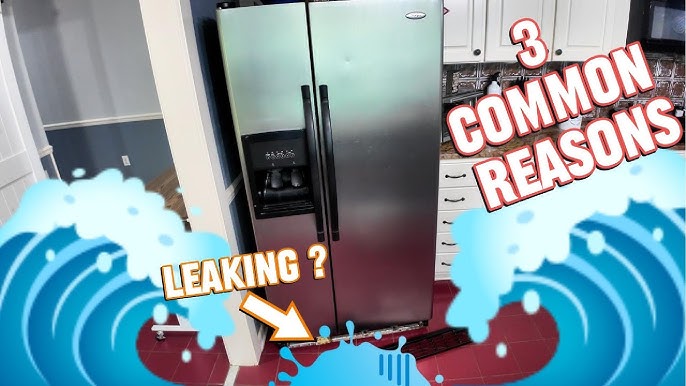
Imagine opening your freezer to grab a quick snack, only to find a small pool of water staring back at you. It’s frustrating, right?
A leaking refrigerator can not only create a mess but also signal potential problems that might worsen if ignored. You might wonder, “Why is my refrigerator leaking water from the freezer? ” Don’t worry—you’re not alone in this. Many people face this issue, and understanding the cause is the first step to finding a solution.
We’ll explore the common reasons behind this pesky problem and help you get your fridge back in top shape. Curious about what might be causing the leak? Let’s dive in and uncover the mystery together.

Credit: www.reddit.com
Common Causes Of Freezer Leaks
Water leaking from your freezer can be frustrating and confusing. The issue often stems from a few common problems that you can check and fix yourself. Understanding these causes helps you act quickly before the leak leads to bigger damage or food spoilage.
Clogged Defrost Drain
The defrost drain carries melted ice from the freezer to a drain pan below. If this drain gets clogged with food particles or ice, water has nowhere to go and starts pooling inside the freezer. You might notice water dripping from the freezer’s ceiling or pooling around the bottom shelf.
Try flushing the drain with warm water to clear any blockage. If left unattended, the clog can cause continuous leaks and even damage your freezer’s components.
Damaged Door Seal
Your freezer door seal keeps the cold air in and moisture out. If it’s cracked, torn, or loose, warm air can enter and cause condensation inside. This moisture eventually turns into water puddles inside or underneath your freezer.
Inspect the seal closely by running your hand along it. Replace the seal if you find any gaps or damage. A good seal is crucial for efficient freezer operation and preventing leaks.
Blocked Drain Pan
The drain pan collects water that melts during the defrost cycle. If it’s blocked, full, or cracked, water can overflow and leak onto your floor. Dirt, debris, or mold buildup often causes blockages or damage to the pan.
Check the drain pan under your refrigerator regularly. Clean it out and ensure it’s properly positioned to catch water and prevent leaks.
Frost Buildup Issues
Excess frost inside the freezer can block vents and drains, causing water to leak. Frost buildup usually indicates a temperature problem or a defrost system failure. You might see thick ice layers or hear unusual noises from your freezer.
Defrost your freezer manually if frost is excessive, and check temperature settings. Persistent frost problems may require professional repair to fix the defrost heater or thermostat.
Signs Of A Freezer Leak
Noticing signs of a freezer leak early can save you from costly repairs and spoiled food. Water leaking from your freezer is not just an inconvenience—it’s a clear signal that something inside your appliance isn’t working right. Recognizing the signs quickly helps you take action before the problem worsens.
Water Pooling Inside
One of the most obvious signs is water pooling inside the freezer or refrigerator compartment. You might find small puddles on the floor or a damp area around the base. This usually means that the defrost drain is clogged or frozen, causing water to build up instead of draining properly.
Have you checked the bottom of your freezer for standing water? Ignoring this can lead to mold growth or damage to the appliance floor.
Ice Formation On Floor
If you spot ice forming on the freezer floor or around the drain hole, it’s a clear warning. This happens when water doesn’t drain and freezes in place. The ice buildup can block the drain completely, making the leak worse over time.
Try gently removing the ice to see if water starts draining again. This simple step often reveals whether the problem is a blocked drain or something more serious.
Unusual Freezer Noises
Is your freezer making strange noises like gurgling or hissing? These sounds might indicate that water is pooling where it shouldn’t or that the defrost system is malfunctioning. When water leaks inside the appliance, it can interfere with the compressor or fan, causing odd noises.
Listening closely to your freezer can give you clues about hidden leaks. Next time you hear an unusual sound, check inside for any signs of moisture or ice buildup.
Quick Fixes For Water Leaks
Dealing with water leaking from your freezer can be frustrating, but many causes have straightforward solutions you can try yourself. Quick fixes often save you time and prevent further damage to your fridge and kitchen floor. Let’s look at some practical ways you can stop that leak without calling a repair technician immediately.
Clearing The Defrost Drain
The defrost drain can easily get clogged with food particles or ice buildup, causing water to back up and leak inside the freezer. To fix this, locate the drain hole at the back or bottom of the freezer compartment. Use a small brush or a pipe cleaner to gently clear any blockages.
Flushing the drain with warm water can help remove stubborn debris. Have you checked if the drain is completely clear? It’s a simple step that often stops leaks instantly.
Replacing Door Seals
Worn or damaged door seals allow warm air to enter your freezer, leading to excess frost and water leaks. Inspect your seals for cracks, tears, or gaps by closing the door on a dollar bill—if it slips out easily, the seal might need replacement.
Replacing these seals is usually straightforward and can dramatically improve your freezer’s efficiency. Would your freezer benefit from a tighter seal to keep moisture out?
Emptying And Cleaning Drain Pan
The drain pan collects water that drips during the defrost cycle. If it’s full or dirty, water can spill over and cause leaks. Pull out the drain pan, empty it, and clean it with warm soapy water to prevent buildup.
Regular maintenance of the drain pan can avoid unwanted puddles on your kitchen floor. When was the last time you gave your drain pan some attention?
Defrosting The Freezer
Excessive frost buildup can block drainage and cause leaks. Manually defrost your freezer by unplugging it and leaving the door open until all ice melts. Place towels around to catch the water and speed up the process with a bowl of hot water inside.
Once defrosted, dry the interior thoroughly before restarting. Could a simple defrost be the fix your freezer needs to stop leaking?

Credit: www.reddit.com
Preventive Measures
Preventing water leaks from your freezer starts with simple, everyday actions that keep your refrigerator running smoothly. Small habits can save you from costly repairs and the hassle of dealing with unexpected puddles. Let’s look at practical ways you can keep your fridge dry and efficient.
Regular Maintenance Tips
Have you checked the drain hole and drip pan lately? These parts often get clogged with debris or ice, causing water to back up and leak. Cleaning them every few months can prevent blockages and keep water flowing where it should.
Also, inspect the door seals regularly. Damaged or dirty seals let warm air in, which can cause condensation and leaks. Wiping them clean and replacing them if cracked ensures a tight seal that keeps moisture out.
Proper Food Storage
Overstuffing your freezer might seem harmless, but it blocks air vents and affects temperature circulation. This can cause frost buildup and water leaks. Try to leave some space between items for air to flow freely.
Wrapping food properly also matters. Moisture from uncovered or loosely wrapped items can freeze and melt, creating puddles. Use airtight containers or freezer bags to keep moisture contained and your freezer dry.
Checking Temperature Settings
Is your freezer temperature set correctly? Too cold, and you get excess frost; too warm, and food might thaw and refreeze, leading to water leaks. Aim for around 0°F (-18°C) for optimal performance.
Temperature fluctuations can also cause condensation. Using a fridge thermometer helps you monitor the actual temperature and adjust settings accordingly. Are you curious how small tweaks can improve your freezer’s efficiency?
When To Call A Professional
Knowing when to call a professional for a leaking freezer saves time and prevents damage. Some problems need expert tools and skills. Attempting complex fixes might worsen the issue or cause safety risks. Recognizing signs that require a technician helps maintain your refrigerator’s health and your home’s safety.
Persistent Leaks
Leaks that continue despite cleaning and simple fixes need expert help. Persistent water pooling can damage floors and walls. A professional can find hidden causes like clogged drains or broken seals. Early repairs stop bigger problems and save money.
Electrical Issues
Water near electrical parts is dangerous. Sparks or shorts can cause fires or shocks. If water leaks around wiring or control panels, call a technician immediately. They have the tools to safely inspect and fix electrical faults.
Complex Repairs
Some repairs need special skills and parts. Problems like frozen defrost drains, damaged evaporator coils, or faulty defrost timers require experience. Professionals diagnose these issues quickly and ensure proper repair. Avoid DIY attempts on these complex parts to prevent further damage.

Credit: www.reddit.com
Frequently Asked Questions
Why Is Water Leaking From My Freezer Compartment?
Water leaks from the freezer due to clogged or frozen defrost drain tubes. Melted ice cannot drain properly, causing water to pool and leak. Regularly cleaning the drain hole and ensuring proper freezer temperature helps prevent this issue.
How Do I Fix A Leaking Refrigerator Freezer?
To fix a leaking freezer, first unplug the fridge and locate the defrost drain. Clear any blockages with warm water or a pipe cleaner. Check door seals for tightness and adjust temperature settings to avoid excessive frost buildup.
Can A Faulty Door Seal Cause Freezer Leaks?
Yes, a damaged door seal lets warm air in, causing frost buildup. When frost melts, it creates water leaks inside the freezer. Inspect and replace damaged seals to maintain proper cooling and prevent leaks.
Does Freezer Temperature Affect Water Leakage?
Yes, incorrect freezer temperatures cause ice to melt and water to leak. Keep your freezer between 0°F and 5°F (-18°C to -15°C) to maintain optimal performance and prevent water from pooling inside or beneath the unit.
Conclusion
A leaking freezer can cause many problems at home. It often means a blocked drain or damaged seal. Fixing these small issues stops water from leaking. Clean the drain hole and check door gaskets regularly. Simple care keeps your fridge working well longer.
Don’t ignore leaks, or they may get worse. Small steps help avoid big repairs later. Keep your freezer dry and your food safe. Act quickly to protect your appliance and home.