
Have you ever wished you could enjoy fresh, warm baked goods without heating up your whole kitchen or waiting forever? Baking in a microwave oven might sound unusual, but it’s a game-changer for quick and easy treats.
Imagine making fluffy cakes, soft cookies, or even savory dishes in just minutes. You’ll discover simple tips and tricks that turn your microwave into a powerful baking tool. Ready to impress yourself and your loved ones with fast, delicious results?
Keep reading to unlock the secrets of microwave baking!
Microwave Baking Basics
Baking in a microwave oven might sound unconventional, but it’s a skill worth mastering for those who crave quick and delicious treats. Unlike traditional ovens, microwaves cook food using electromagnetic waves, offering a unique way to prepare everything from cakes to cookies. With the right techniques, you can achieve fluffy textures and mouth-watering flavors without the wait.
How Microwaves Cook Food
Microwaves cook by using high-frequency waves that penetrate food, causing water molecules to vibrate and generate heat. This process cooks food from the inside out, making it faster than conventional methods. However, it requires a careful balance to avoid overcooking or drying out your baked goods.
Consider your microwave’s wattage; higher wattage means faster cooking. Always check your food halfway through the cooking time. This prevents surprises and ensures evenly cooked results.
Differences Between Microwave And Conventional Ovens
Microwave ovens differ from conventional ovens in several ways. While traditional ovens rely on surrounding heat, microwaves use radiation to heat food quickly. This makes them ideal for smaller portions or when you’re in a hurry.
Another key difference is the texture of baked goods. Microwaves might not brown or crisp like conventional ovens, but they’re perfect for moist and tender results. Adjust your recipes by reducing liquids slightly and experimenting with shorter cooking times.
Have you tried baking a simple mug cake in your microwave? It’s a quick way to satisfy your sweet tooth with minimal effort. Imagine the convenience of enjoying freshly baked treats without the long preheating and cooling times.
Ready to give microwave baking a try? Experiment with different recipes and settings to discover your favorites. You’ll find that with a little practice, your microwave can become a trusted ally in your baking adventures.
Choosing The Right Ingredients
Choosing the right ingredients is essential for successful microwave baking. Not all flours and leavening agents behave the same under microwave heat, so selecting the right ones can make your baked goods turn out fluffy and delicious instead of dense or uneven. Understanding what works best in a microwave will save you time and improve your results.
Best Flours And Leavening Agents
Flour type affects texture more than you might expect. All-purpose flour is the most reliable choice because it balances protein content and moisture absorption well. Cake flour can be used if you want a lighter, softer crumb, but it may require slight adjustments in liquid.
For leavening, baking powder is usually better than baking soda in microwave baking. It reacts quickly and produces the necessary rise within the shorter cooking times. You might notice that too much baking soda can cause an off taste or create bubbles that pop too soon, leaving your cake flat.
- Use fresh baking powder:Old or expired leavening agents won’t activate properly in quick microwave bakes.
- Try self-rising flour:It already contains baking powder and salt, simplifying the recipe.
- Adjust amounts:Microwave baking often requires slightly less leavening than oven baking to prevent over-expansion.
Using Microwave-safe Baking Dishes
The dish you bake in influences heat distribution and final texture. Glass and ceramic containers are excellent choices because they heat evenly and hold heat well. Avoid metal dishes—microwaves can’t penetrate metal and it can cause sparks or damage.
Silicone molds are another great option for microwave baking. They are flexible, microwave-safe, and make unmolding your treats easy. Plastic containers should be used only if labeled microwave-safe to prevent melting or harmful chemical release.
- Choose shallow dishes:They allow even cooking and prevent soggy bottoms.
- Size matters:Don’t overcrowd the dish; leave space for batter to rise.
- Test your dish:Heat it empty for 30 seconds; if it gets very hot, it might not be safe for baking.
Have you ever struggled with a soggy cake or uneven bake in your microwave? Reflect on your current ingredients and dishes—could these small changes improve your next bake?
Adjusting Recipes For Microwave
Adjusting recipes for microwave baking means more than just hitting the start button. You need to rethink timing and ingredient balance because microwaves cook differently than conventional ovens. This section helps you tweak your favorite recipes so the results come out just right.
Modifying Baking Times And Temperatures
Microwave ovens usually cook faster, so reduce baking times significantly. Start by cutting the recommended time by about 30-50%, then check your dish frequently to avoid overcooking.
Unlike traditional ovens, microwaves don’t have adjustable temperatures in the same way. Instead, use the power settings—lower power means gentler cooking. Try cooking at 70-80% power instead of full power for baked goods, which helps prevent tough or rubbery textures.
Have you ever baked a cake in the microwave that came out dry or uneven? Adjusting the power and checking early can save you from wasting ingredients and time.
Reducing Moisture For Better Texture
Microwaves can trap steam inside your baking container, making your dish soggy. To get a better texture, reduce liquids slightly in the recipe—about 10-15% less than usual works well.
Consider adding a small amount of flour or dry ingredients to balance the moisture. This helps absorb excess water released during cooking and improves crumb structure.
Also, try using microwave-safe containers that allow some steam to escape, like those with vented lids. This small change can make a big difference in texture and prevent sogginess.
Credit: www.maytag.com
Step-by-step Microwave Baking Process
Baking in a microwave oven can feel tricky at first, but breaking down the process into clear steps makes it manageable and fun. Understanding how to prepare your batter or dough, adjust power settings, and check for doneness will boost your confidence and improve your results. Let’s walk through each part of the process to make your microwave baking experience smooth and successful.
Preparing The Batter Or Dough
Start with a recipe designed or adapted for microwave baking. You want a batter or dough that’s not too thick or too runny, as microwaves cook differently than traditional ovens.
Use a microwave-safe bowl or container, preferably one with straight sides. Mixing ingredients thoroughly ensures even cooking. Have you noticed how some batters rise unevenly in the microwave? That often happens when the batter isn’t mixed well or contains lumps.
Setting Microwave Power Levels
Microwaves often default to high power, which can lead to burnt edges and raw centers. Adjust the power to medium (about 50-70%) for most baking tasks. This lower power lets the heat spread more evenly and gives your batter time to cook through.
Some models have a “bake” or “multi-stage” setting. If yours does, try using it. Otherwise, set the microwave manually, and consider cooking in short bursts with resting intervals to avoid overheating.
Checking Doneness And Avoiding Overcooking
Microwave baking can be fast, so watch your bake closely. Use a toothpick or skewer inserted in the center; it should come out clean or with just a few crumbs. If it’s wet, cook for a few more seconds, checking frequently.
Overcooking causes dryness and tough texture. Remember, the heat continues to work for a bit after you stop the microwave. Let your baked good rest for a minute or two before cutting into it.
Popular Microwave Baking Recipes
Microwave ovens are not just for reheating food. They can bake a variety of tasty treats quickly. Baking in a microwave saves time and uses less energy than a traditional oven. Many recipes work perfectly with microwave baking. These recipes suit busy people who want fresh baked goods fast. Here are some popular microwave baking recipes you can try at home.
Mug Cakes And Single-serve Desserts
Mug cakes are small cakes made in a cup or mug. They cook in just a few minutes in the microwave. You can make many flavors like chocolate, vanilla, or red velvet. Single-serve desserts are perfect for a quick sweet treat without leftovers. They need simple ingredients like flour, sugar, and eggs. Mixing the batter in the mug saves dishes. Microwave baking keeps the cake moist and soft. It is a fun way to enjoy dessert anytime.
Quick Breads And Muffins
Quick breads and muffins bake fast in a microwave. These recipes use baking powder or baking soda instead of yeast. Common examples include banana bread, pumpkin bread, and blueberry muffins. Microwave baking helps these breads rise and cook evenly. You can make a small batch in minutes. This method is great for fresh bread without heating the whole kitchen. Serve warm with butter or jam for a delightful snack.
Credit: www.kitchenaid.com
Troubleshooting Common Issues
Baking in a microwave oven can be quick and convenient, but sometimes things don’t turn out as expected. You might face issues like soggy textures or uneven cooking that can be frustrating. Understanding common problems and how to fix them helps you improve your microwave baking results every time.
Soggy Or Rubber Texture
If your baked goods come out soggy or rubbery, it usually means there’s too much moisture or the cooking time wasn’t right. Microwaves heat food differently, often causing steam to build up, which makes texture soft or chewy instead of crisp.
Try these tips to fix it:
- Reduce moisture:Cut down liquids in the recipe by about 10-20%. You can also pat down wet ingredients before mixing.
- Use microwave-safe browning tools:Place your dish on a microwave crisper pan or use a silicone mat to help crisp the bottom.
- Adjust cooking time:Shorten cooking time and add small increments instead of cooking all at once to avoid over-steaming.
I once baked a chocolate cake that turned rubbery until I started using a microwave-safe rack to lift the cake, allowing steam to escape easily. It made a big difference in texture.
Uneven Cooking And Hot Spots
Microwave ovens often cook unevenly, leaving some parts overcooked and others undercooked. This happens because microwaves don’t heat food uniformly, and some areas absorb more energy than others.
To get even baking results, try these strategies:
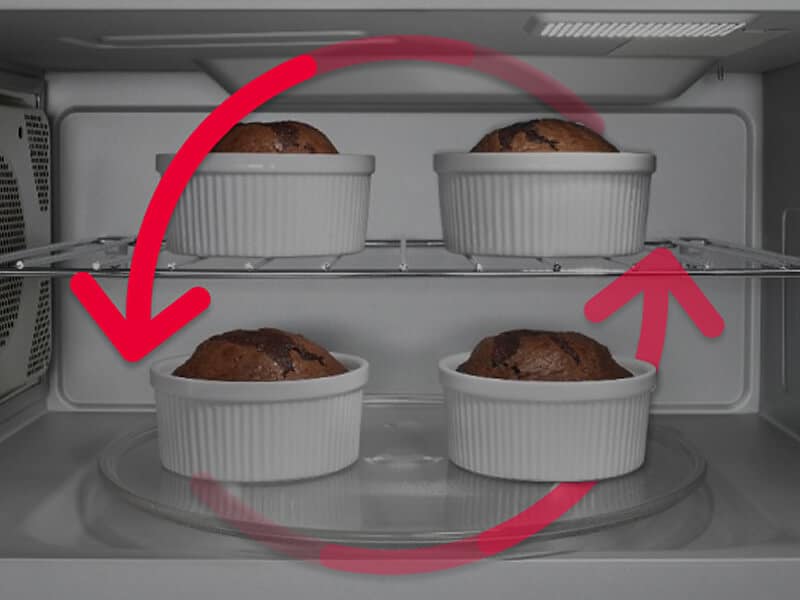
- Rotate your dish:Manually turn your baking dish halfway through cooking if your microwave doesn’t have a turntable.
- Use microwave-safe covers:Covers trap steam and heat, promoting even cooking, but make sure to vent them to avoid sogginess.
- Choose smaller portions:Baking smaller cakes or muffins spreads heat more evenly than large thick items.
Have you noticed certain spots in your microwave seem hotter? Testing with a cup of water can help you find these hot spots and adjust where you place your dish.
Tips For Enhancing Flavor And Appearance
Baking in a microwave oven can sometimes leave your dishes looking plain or tasting less rich than oven-baked versions. However, small changes can make a big difference in both flavor and appearance. Enhancing your microwave-baked goods not only makes them more enjoyable but also turns quick baking into a fun and satisfying experience.
Adding Toppings And Glazes
Toppings and glazes can instantly boost the taste and look of your microwave bakes. Try sprinkling nuts, seeds, or a bit of brown sugar on top before baking to add texture and a caramelized finish.
After baking, brushing your treats with a simple glaze made from powdered sugar and lemon juice or honey adds shine and a sweet twist. Have you ever tasted a microwave cake with a glossy glaze? It changes everything.
Using Microwave Crisper Pans
Microwave crisper pans are game-changers for achieving that golden, crispy crust you often miss in microwave baking. These pans absorb and distribute heat evenly, helping foods develop a nice crust without overcooking the inside.
Try using a crisper pan for items like muffins or pizza to get that oven-baked look and feel. Do you have one in your kitchen yet? It’s worth the small investment for tastier, more appealing results.
Credit: www.whirlpool.com
Frequently Asked Questions
How Long Does Baking Take In A Microwave Oven?
Baking time in a microwave varies by recipe and power level. Generally, it takes 3 to 10 minutes. Always check the food to avoid overcooking or undercooking. Use microwave-safe containers for even heat distribution and best results.
Can You Bake Cakes In A Microwave Oven?
Yes, you can bake cakes in a microwave oven. Use microwave-safe cake molds and adjust cooking time. Microwave baking produces moist cakes quickly, but texture differs from traditional ovens. Follow specific microwave cake recipes for best outcomes.
What Are The Best Microwave Settings For Baking?
Use medium to medium-high power settings for baking in a microwave. This prevents food from drying out or burning. Adjust power and time based on the recipe and microwave wattage for optimal results.
Is Microwave Baking Healthy Compared To Traditional Ovens?
Microwave baking retains more nutrients due to shorter cooking times. It uses less energy and often requires less oil or fat. However, texture and flavor might differ from traditional baking methods.
Conclusion
Baking in a microwave oven is quick and simple. You only need basic tools and ingredients. Start with easy recipes to build your confidence. Adjust time and power for best results. Always check your food while baking to avoid overcooking.
Enjoy fresh, warm treats anytime without heating your whole kitchen. This method saves time and energy. Keep practicing to improve your skills. Soon, microwave baking will feel natural and fun. Give it a try and enjoy homemade baked goods today!