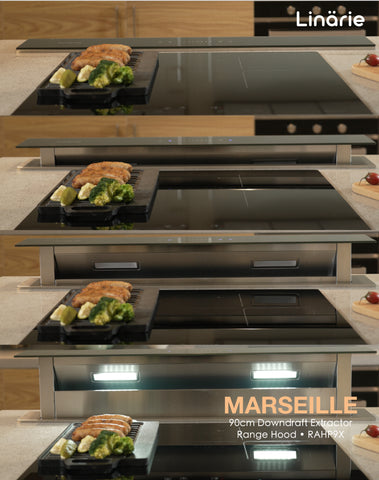
Are you tired of smoke and cooking odors lingering in your kitchen long after you’ve prepared a meal? A downdraft range hood could be the game-changer you’ve been looking for.
Imagine cooking without the hassle of overhead ventilation systems, all while maintaining the sleek design of your kitchen. This innovative solution provides effective ventilation without the clutter, directing fumes and steam downward and out of sight. Intrigued? You’re not alone.
Many homeowners are discovering the benefits of downdraft range hoods and how they enhance both the functionality and aesthetics of their kitchens. Stay with us to learn exactly what a downdraft range hood is, how it works, and why it might just be the perfect addition to your culinary space.
Downdraft Range Hood Basics
A downdraft range hood offers a sleek solution for kitchen ventilation. It pulls smoke, steam, and odors downwards instead of upwards. This design fits well in modern kitchens with limited overhead space or island cooktops.
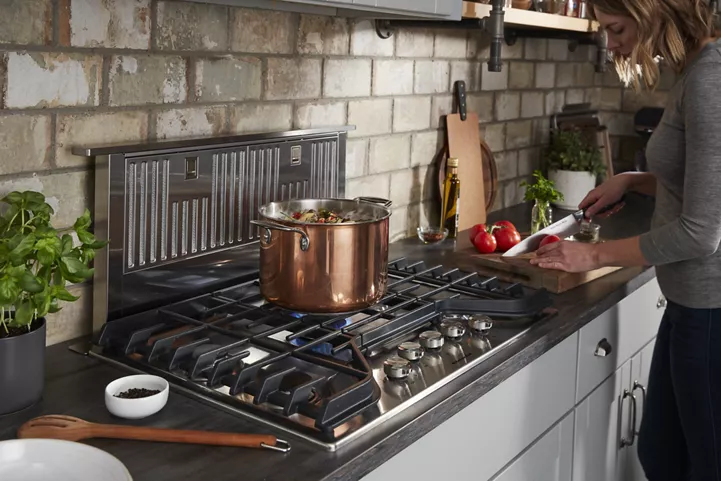
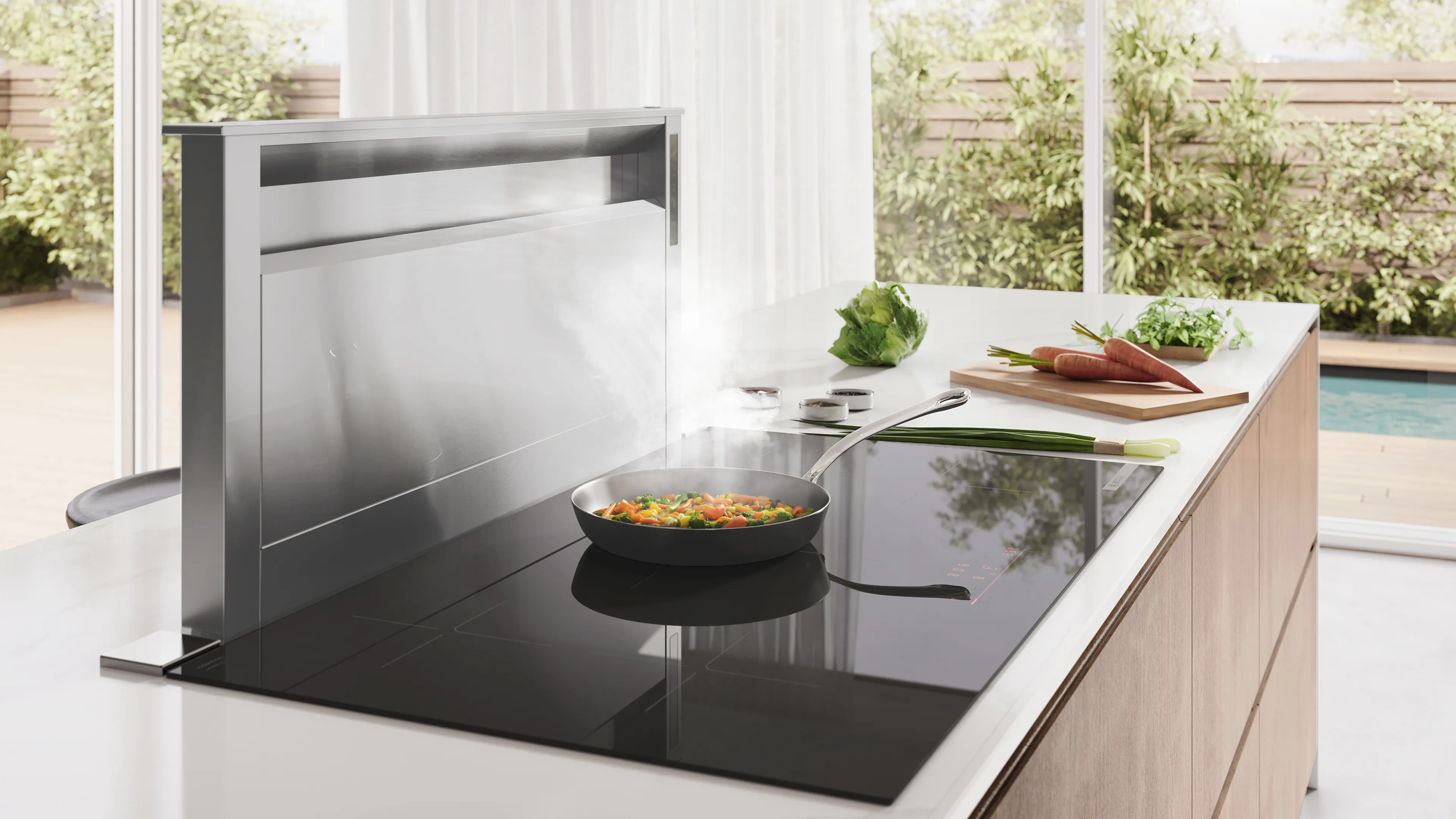
Downdraft hoods keep the air clean while blending into the countertop or cooktop. They rise up only when needed and retract after use, maintaining a clean look. Understanding the basics helps in choosing the right system for your kitchen.
How Downdraft Hoods Work
Downdraft hoods use a powerful fan to pull cooking fumes down through vents. The air is drawn below the cooktop and then exhausted outside or filtered and recirculated. This downward airflow captures smoke and smells at the source.
They activate with a switch or automatically when cooking starts. Because they pull air down, they work best with certain cooktop types. Proper installation ensures efficient ventilation without interrupting kitchen design.
Key Components
- Ventilation Fan:The motor that pulls air down and out.
- Vent Grate or Slot:The opening near the cooktop where air enters.
- Ductwork:Channels that direct air outside or to filters.
- Filters:Capture grease and particles if air recirculates inside.
- Control Panel:Allows users to turn on/off and adjust fan speed.
Types Of Downdraft Systems
| Type | Description | Best For |
|---|---|---|
| Pop-up Downdraft | Rises from the countertop when activated, hides when off. | Island cooktops and sleek kitchens. |
| Slide-out Downdraft | Slides out from the side of the cooktop. | Compact spaces with side ventilation. |
| Built-in Downdraft | Integrated into the cooktop or countertop permanently. | Seamless kitchen design with consistent ventilation. |
Credit: www.kitchenaid.com
Benefits Of Downdraft Range Hoods
Downdraft range hoods offer a unique set of benefits that can transform your kitchen experience. They combine functionality with clever design, making them a popular choice for many homeowners. Understanding these advantages can help you decide if a downdraft hood is right for your cooking space.
Space-saving Design
One of the biggest benefits of downdraft range hoods is their ability to save space. Unlike traditional hoods that hang above the stove, downdraft models rise from the cooktop when needed and retract when not in use. This feature frees up overhead space, making your kitchen feel more open and less cluttered.
If you have a kitchen with low ceilings or limited wall space, a downdraft hood can be a game changer. You can still enjoy powerful ventilation without sacrificing room for cabinets or shelves above your range. Have you noticed how much more spacious your kitchen feels without a bulky hood overhead?
Effective Ventilation
Downdraft range hoods are designed to capture smoke, steam, and cooking odors right at the source. They pull air downward, which can be surprisingly efficient, especially for flat cooktops or island ranges. This helps keep your kitchen air cleaner without the need for a large overhead vent.
Many models come with powerful fans and multiple speed settings, giving you control over ventilation strength. If you’ve ever struggled with lingering smells or grease buildup, a downdraft hood might solve those problems in a sleek way. Wouldn’t it be nice to cook without worrying about smoke setting off your alarms?
Aesthetic Appeal
Downdraft hoods blend seamlessly into your kitchen design. When not in use, they remain hidden within the countertop, preserving a clean and modern look. This subtlety can enhance your kitchen’s overall style, especially if you prefer minimalist or contemporary interiors.
They also allow you to showcase a stylish backsplash or decorative range without interruption. If you value a neat and elegant cooking space, a downdraft range hood offers both function and flair. How much would a cleaner, less obstructed kitchen view improve your cooking experience?
Installation Considerations
Installing a downdraft range hood requires careful planning to ensure it works effectively and fits well in your kitchen. The right setup can improve air quality and keep cooking odors under control. Consider these key points to avoid common installation pitfalls and make the most of your new appliance.
Placement Options
Downdraft range hoods are designed to pull smoke and steam downwards, so placement is crucial. They usually sit behind or beside your cooktop, retracting when not in use. Think about how much space you have on your countertop and whether the hood will interfere with your cooking flow.
Have you measured the distance between the cooktop and the edge of your countertop? This gap must be enough to house the downdraft system without crowding your workspace. Also, check if your kitchen layout allows for easy access to the hood’s controls.
Ducting Requirements
Proper ducting is essential for the downdraft to vent air outside efficiently. Most downdraft hoods need a vertical duct running beneath the floor or through cabinets, which can be tricky in some kitchens. It’s important to verify if your kitchen’s structure supports this kind of ductwork before purchasing.
Ask yourself: Can you create a straight, short duct path? Longer or curved ducts reduce performance and increase noise. If your home doesn’t allow external venting, consider models with recirculating filters, but remember they require regular maintenance.
Compatibility With Cooktops
Not all cooktops pair well with downdraft hoods. Gas cooktops, for instance, produce strong upward heat and flames that may reduce downdraft effectiveness. Electric or induction cooktops usually work better since their heat is less intense above the surface.
Check if your cooktop’s size and burner layout match the hood’s suction area. A misaligned setup can leave smoke and odors lingering. Have you noticed any drafts or airflow issues around your current cooking area? These clues help determine if a downdraft hood fits your needs.
Comparing Downdraft And Traditional Hoods
Downdraft range hoods and traditional hoods serve the same basic purpose: removing smoke, steam, and cooking odors from your kitchen. Their design and installation differ, which impacts how they perform and fit into your kitchen space. Understanding these differences helps you pick the right hood for your cooking style and kitchen layout.
Performance Differences
Traditional hoods sit above the cooktop and pull air upwards. This setup captures smoke and steam quickly and moves it outside or filters it. Downdraft hoods are installed behind or beside the cooktop. They pull air downwards, which can be less effective for high heat or heavy smoke. Traditional hoods usually have stronger suction power. Downdraft hoods work best with cooktops that produce less smoke or steam.
Maintenance Needs
Traditional hoods often have larger filters that trap grease and need regular cleaning. Filters can be removed easily for washing or replacement. Downdraft hoods also have filters but they are smaller and harder to reach. Both types require cleaning to keep air flowing well. Regular maintenance prevents buildup and keeps your kitchen air fresh.
Cost Factors
| Feature | Downdraft Hood | Traditional Hood |
|---|---|---|
| Purchase Price | Usually higher | Often lower |
| Installation | More complex and costly | Generally simpler and cheaper |
| Maintenance | Can be more expensive due to design | Less costly and easier |
Downdraft hoods can raise your kitchen costs due to design and installation needs. Traditional hoods fit most budgets with easier setup and upkeep. Consider your kitchen style and budget before choosing.
Choosing The Right Downdraft Hood
Choosing the right downdraft range hood improves your kitchen’s air quality. It also matches your cooking habits and space. Knowing what to consider helps you pick the best model. Focus on size, power, noise, and extra features.
Sizing And Power
Measure your cooktop width before buying a downdraft hood. The hood should cover the entire cooking area. Power is rated in cubic feet per minute (CFM). Higher CFM means better smoke and odor removal. Choose a hood with enough power for your stove type.
Noise Levels
Downdraft hoods can be noisy during operation. Check the decibel (dB) rating before purchase. Lower dB means quieter performance. Some models have multiple speed settings to adjust noise. Consider your kitchen’s noise tolerance and choose accordingly.
Additional Features
Extra features add convenience and improve function. Look for:
- Built-in lights to brighten your cooking area
- Easy-to-clean filters for better maintenance
- Automatic sensors that detect smoke or steam
- Multiple fan speeds for flexible ventilation
Pick features that suit your daily cooking needs and kitchen style.
Credit: www.bosch-home.com
Common Issues And Troubleshooting
Downdraft range hoods offer a sleek, space-saving solution for kitchen ventilation, but like any appliance, they can face issues that affect performance. Understanding common problems and knowing how to troubleshoot them can save you time and frustration. Let’s look at some typical challenges you might encounter and practical ways to fix them.
Reduced Airflow Problems
If your downdraft range hood isn’t pulling air effectively, the first thing to check is the ductwork. Blockages or bends in the duct can restrict airflow, so inspect for any debris or obstructions.
Another cause might be a clogged filter. Over time, grease and dust build up and reduce efficiency. Cleaning or replacing the filter regularly can restore proper airflow.
Have you considered the fan speed settings? Sometimes, the hood may be set too low for the cooking activity. Adjusting the fan speed can make a noticeable difference in ventilation.
Noise Troubles
Excessive noise from your downdraft range hood can be annoying and may signal a problem. Loose components inside the unit can rattle during operation. Tightening screws or securing parts often reduces noise.
Dirty or worn-out fans also cause unusual sounds. Regular cleaning or replacing the fan blades can quiet the unit. Pay attention if the noise changes suddenly—it could mean the motor needs professional attention.
Is your hood installed properly? Improper installation might cause vibrations. Ensuring the hood is level and firmly mounted can eliminate unnecessary noise.
Cleaning Tips
Keeping your downdraft range hood clean is key to maintaining performance. Use a soft cloth and mild detergent to wipe down the exterior regularly to avoid grease buildup.
The filters require special attention. Remove them according to the manufacturer’s instructions and soak in hot, soapy water. For stubborn grease, a baking soda paste works wonders without damaging the material.
Don’t forget the fan blades and interior surfaces. Dust and grease here reduce efficiency and increase noise. A gentle brush or vacuum attachment can make cleaning easier without disassembling the hood completely.
Popular Brands And Models
Choosing the right downdraft range hood can transform your cooking space and improve air quality significantly. The market offers a variety of brands and models designed to fit different needs, budgets, and kitchen styles. Understanding the options available can help you make a smarter decision for your home.
Top-rated Options
Brands like Broan and KitchenAid often receive high marks for their effective performance and reliability. Broan’s downdraft hoods are praised for their quiet operation and powerful suction, making them ideal for busy kitchens. KitchenAid models offer sleek designs and user-friendly controls, perfect for cooks who want both style and function.
Many users highlight the ease of installation and maintenance with these brands. Have you noticed how a quieter hood makes your cooking experience more enjoyable? That’s a feature worth considering.
Budget-friendly Choices
If you want to keep costs down without sacrificing quality, consider brands like Cosmo and Empava. These offer solid performance at a fraction of the price of luxury models. You can find models with basic features such as adjustable fan speeds and easy-to-clean filters.
Choosing a budget-friendly option doesn’t mean settling for less; it means prioritizing what you really need. What features would you never compromise on in a downdraft hood?
Luxury Models
For those who want top-tier performance and design, brands like Miele and Wolf stand out. These models often include advanced features like automatic sensors, LED lighting, and premium materials. They blend seamlessly into upscale kitchen designs and offer powerful ventilation for gourmet cooking.
Owning a luxury downdraft hood can make your kitchen feel professional and refined. Is investing in high-end kitchen appliances a priority for you, or do you prefer practicality over luxury?
Future Trends In Kitchen Ventilation
The future of kitchen ventilation is evolving rapidly. New technologies and designs promise cleaner air and better kitchen experiences. Downdraft range hoods are part of this change, adapting to modern needs. This evolution focuses on smarter, greener, and more stylish solutions.
Smart Technology Integration
Smart downdraft hoods connect to home networks. They can turn on automatically when cooking starts. Sensors detect smoke and odors, adjusting fan speed instantly. Voice control and mobile apps add ease and convenience. This technology saves energy and improves air quality.
Energy Efficiency Improvements
Modern downdraft hoods use energy-saving motors. LED lights reduce power use while lighting the cooking area. Filters are designed to last longer and clean better. These improvements cut electricity bills and reduce environmental impact. Efficient ventilation keeps kitchens fresh without wasting energy.
Design Innovations
New designs blend seamlessly with kitchen decor. Downdraft hoods now come in sleek, low-profile styles. Materials like stainless steel and glass offer durability and elegance. Some models are hidden until needed, improving kitchen aesthetics. These innovations make kitchens look modern and tidy.

Credit: www.hgtv.com
Frequently Asked Questions
What Is A Downdraft Range Hood Used For?
A downdraft range hood removes smoke, steam, and odors directly from the cooktop. It vents air downward, keeping kitchens fresh and clean. This type suits kitchens without overhead space, offering a sleek and hidden ventilation solution.
How Does A Downdraft Range Hood Work?
It pulls cooking fumes down through vents built into the cooktop or countertop. The air is then filtered and vented outside or recirculated. This design prevents smoke and grease from rising, enhancing kitchen air quality efficiently.
Are Downdraft Range Hoods Effective For Ventilation?
Yes, they effectively capture smoke and odors at the source. However, their performance depends on proper installation and cooktop layout. They are ideal for kitchens with island or open designs lacking overhead vent space.
Can Downdraft Hoods Replace Traditional Overhead Hoods?
They can, but effectiveness varies by kitchen setup and cooking habits. Downdraft hoods offer a discreet look but might not handle heavy cooking as well as overhead models. Choose based on ventilation needs and kitchen design.
Conclusion
A downdraft range hood helps keep kitchens fresh and clean. It pulls smoke and smells down, not up. This makes cooking more comfortable and safe. Many kitchens benefit from its space-saving design. It fits well with different stove types. Choosing the right downdraft hood can improve your cooking experience.
Simple to use and easy to clean. A smart choice for those who want fresh air while cooking. Consider this option to keep your kitchen air clear.