Are you pondering whether a range hood is a necessary addition to your kitchen? You might be surprised to learn how this unassuming appliance can drastically improve your cooking experience and the overall ambiance of your home.
Imagine effortlessly eliminating smoke, odors, and grease particles while adding a sleek design element to your kitchen. Curious about how a range hood can transform your cooking space and enhance your daily life? Stay with us, and discover why investing in a range hood could be one of the best decisions you make for your home and well-being.

Credit: www.kitchenaid.com
Why Range Hoods Matter
Range hoods play a crucial role in any kitchen setup. They help keep the air clean, control heat and odors, and improve safety. Understanding why range hoods matter can help you decide if you need one in your kitchen.
Air Quality And Ventilation
Range hoods remove smoke, steam, and cooking fumes from the air. This keeps your kitchen fresh and healthy. Good ventilation lowers the risk of breathing problems. It also prevents mold and mildew caused by excess moisture.
Heat And Odor Control
Cooking produces heat that can make your kitchen uncomfortable. Range hoods pull hot air out, cooling the space. They also trap strong cooking smells. This stops odors from spreading to other rooms.
Kitchen Safety Benefits
Range hoods reduce grease buildup on surfaces, lowering fire risks. They help clear harmful gases like carbon monoxide. This makes your kitchen safer for you and your family. Proper ventilation also improves visibility while cooking.
Types Of Range Hoods
Range hoods come in different styles to fit various kitchen layouts and needs. Choosing the right type helps keep your kitchen air clean. It also matches your cooking habits and space.
Each type has unique features and installation methods. Understanding these helps you pick the best option for your home.
Under-cabinet Hoods
Under-cabinet hoods fit beneath kitchen cabinets. They save space and are easy to install. These hoods usually vent air outside or filter and recirculate it. They work well for small to medium kitchens.
Wall-mounted Hoods
Wall-mounted hoods attach directly to the wall above the stove. They often have a strong suction power. Their design can be sleek or bold, adding style to your kitchen. These hoods suit kitchens with a stove against a wall.
Island Hoods
Island hoods hang from the ceiling over an island cooktop. They need more power to remove smoke and odors. These hoods come in many styles to match open kitchen designs. Perfect for kitchens with a central cooking island.
Downdraft Hoods
Downdraft hoods rise from the countertop behind the stove. They pull smoke and steam downwards. These hoods are hidden when not in use. Ideal for kitchens with limited overhead space or modern designs.
Key Features To Consider
Choosing the right range hood means focusing on features that truly impact your kitchen’s air quality and cooking comfort. Not all range hoods are created equal, so understanding what matters most helps you avoid regrets after installation. Below are key features that can make a big difference in your daily cooking experience.
Airflow And Cfm Ratings
Airflow is measured in CFM (cubic feet per minute) and tells you how much air the hood can move. The higher the CFM, the more powerful the hood is at removing smoke, steam, and odors.
Consider your cooking style: do you fry often or cook with strong spices? A hood with at least 300 CFM might be necessary for heavy cooking, while 150-250 CFM can suffice for lighter use.
Ask yourself: does your kitchen have good ventilation already? Sometimes, a lower CFM hood paired with good airflow design is enough.
Noise Levels
Range hoods can be noisy, and constant loud sounds may annoy you during cooking or conversations. Check the decibel (dB) rating before buying.
Look for hoods labeled “quiet” or with noise levels under 60 dB for a peaceful kitchen environment. Some brands even offer variable-speed fans that allow you to adjust noise based on your cooking needs.
Imagine preparing a meal while your family enjoys a chat nearby—noise levels matter more than you might think.
Lighting Options
Good lighting over your stove is essential for safe and precise cooking. Most range hoods come with built-in lights, but the type and brightness can vary.
LED lights are energy-efficient and provide clear, bright illumination. Some models offer adjustable brightness, letting you set the mood or focus light exactly where you need it.
Think about whether you want a warm, cozy glow or bright task lighting that makes spotting food doneness easier.
Filter Types
Filters trap grease and particles, keeping your kitchen cleaner and your range hood working well. There are mainly two types: mesh filters and baffle filters.
- Mesh filtersare common, easy to remove, and washable but may clog faster.
- Baffle filtersare more durable and better at handling heavy grease, ideal if you fry a lot.
Some hoods also have charcoal filters to reduce odors, which is helpful if your hood vents back into the kitchen instead of outside.
Knowing what type of filter suits your cooking habits can save time and money on maintenance.
Installation Factors
Installing a range hood requires careful thought about several key factors. These affect its performance and how well it fits your kitchen. Consider the type of system, where to place it, and its electrical needs. Each factor plays a big role in making your kitchen safer and cleaner.
Ducted Vs. Ductless Systems
Ducted range hoods vent air outside through a duct. They remove smoke, heat, and smells more effectively. Ductless hoods use filters to clean the air and recirculate it. They are easier to install but less powerful. Choosing between these depends on your kitchen setup and ventilation options.
Placement And Height
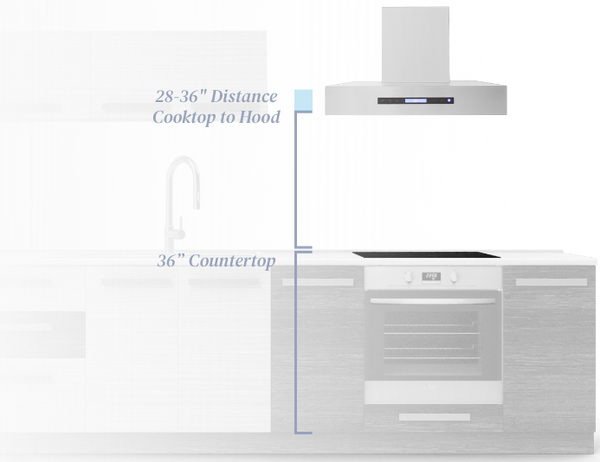
The hood should be centered above your stove for best results. The ideal height is usually 24 to 30 inches above the cooktop. Too high, and it won’t capture smoke well. Too low, and it can block your view or get too hot. Proper placement ensures better air cleaning and safety.
Electrical Requirements
Range hoods need a dedicated power source. Check the voltage and amperage before installation. Some models require a 120-volt outlet, others 240-volt. Ensure wiring meets local codes for safety. Proper electrical setup prevents hazards and ensures the hood runs smoothly.
When A Range Hood Is Essential
A range hood plays a vital role in maintaining kitchen air quality. It removes smoke, odors, and grease from the air. Some kitchens need a range hood more than others. Below are key situations when a range hood becomes essential for your home.
Frequent Cooking And Frying
Cooking often creates smoke and strong smells. Frying releases grease and tiny particles into the air. A range hood helps clear these quickly. It keeps your kitchen fresh and clean. Without it, grease can build up on walls and cabinets. It also reduces the risk of smoke alarms going off too often.
Small Or Poorly Ventilated Kitchens
Small kitchens trap heat and odors easily. Poor ventilation makes the air stale and uncomfortable. A range hood improves airflow by pulling out hot air and smells. It makes cooking safer and more pleasant. This is crucial in apartments or homes without good window options.
Open Plan Living Spaces
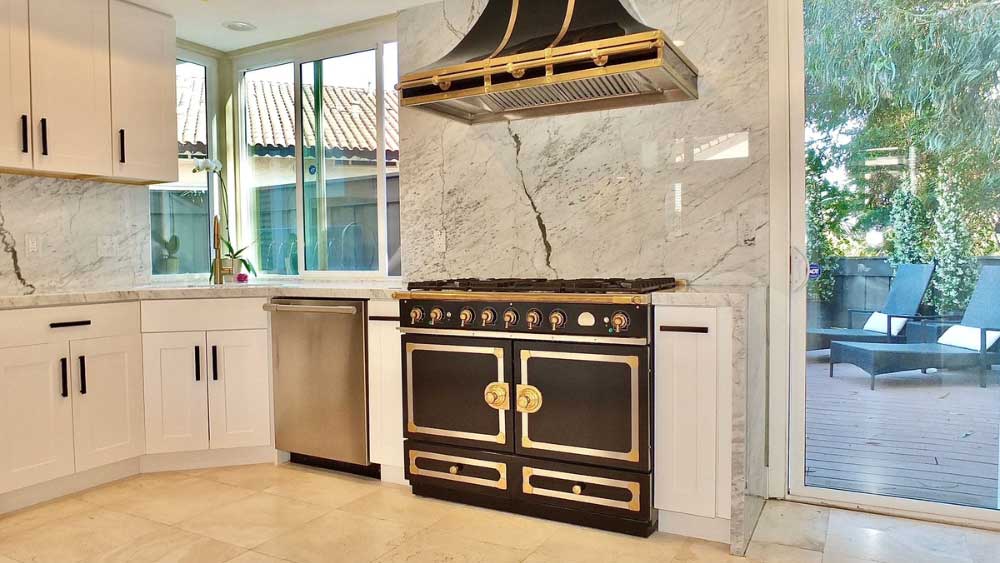
Open plan designs combine the kitchen with living areas. Cooking smells and smoke can spread quickly. A range hood stops this by venting air outside or filtering it. It helps keep the whole home smelling fresh. It also protects furniture and fabrics from smoke damage.
Credit: blog.yaleappliance.com
Alternatives To Range Hoods
Range hoods help remove smoke, odors, and moisture from your kitchen air. Some kitchens cannot fit a range hood or need a simpler option. Several alternatives can improve air quality and keep your kitchen fresh without a traditional hood.
Air Purifiers
Air purifiers clean indoor air by trapping dust, smoke, and odors. They use filters like HEPA to capture tiny particles. Air purifiers do not remove heat or steam but improve overall air quality. They work best in small to medium kitchens.
Exhaust Fans
Exhaust fans push air outside through a vent. They remove smoke, steam, and cooking smells. These fans are less bulky than range hoods and easier to install. Place them near the stove for better air circulation.
Natural Ventilation
Opening windows and doors lets fresh air enter and stale air exit. Natural ventilation is free and simple to use. It helps reduce cooking odors and humidity. Cross-ventilation works best by opening windows on opposite sides.
Maintenance Tips
Maintaining your range hood is key to keeping your kitchen air fresh and your appliance running efficiently. Neglecting upkeep can lead to reduced performance and even costly repairs. Let’s dive into some simple yet effective maintenance tips that you can easily handle yourself.
Cleaning Filters
Filters trap grease, smoke, and odors, so they get dirty quickly. Clean your filters every month if you cook frequently. Most filters can be soaked in hot, soapy water and scrubbed gently.
If your filters are metal, they might be dishwasher-safe—just check the manual. Paper or charcoal filters usually need replacing rather than cleaning. How often do you notice buildup on your filters?
Replacing Components
Parts like lights, fan belts, and filters wear out over time. Watch for dimming lights or strange noises, which can signal it’s time for a replacement. Having spare bulbs and filters on hand saves you from downtime.
Keep your range hood’s model number handy when buying parts to ensure compatibility. Small investments in replacements can prevent bigger issues. What’s the last part you replaced in your kitchen?
Regular Inspections
Take a close look at your range hood every few months. Check for loose screws, damaged wiring, or unusual smells. These signs could point to safety hazards or efficiency problems.
Regular inspections help you catch issues early before they affect your cooking environment. Can you spot any odd sounds or smells next time you cook?
Credit: www.kitchenaid.com
Frequently Asked Questions
What Is The Main Purpose Of A Range Hood?
A range hood removes smoke, steam, and cooking odors from your kitchen. It improves air quality and reduces grease buildup on surfaces.
Do Range Hoods Improve Kitchen Ventilation?
Yes, range hoods enhance kitchen ventilation by extracting airborne pollutants. This helps keep your kitchen fresh and prevents moisture damage.
Are Range Hoods Necessary For All Kitchens?
While not mandatory, range hoods are highly recommended. They protect cabinets and walls from grease and improve indoor air quality.
How Do I Choose The Right Range Hood Size?
Select a range hood at least as wide as your cooktop. Proper size ensures efficient smoke and odor removal during cooking.
Conclusion
A range hood helps keep your kitchen clean and fresh. It removes smoke, steam, and cooking smells quickly. This makes cooking more comfortable and safer for your home. Good air flow reduces grease buildup on walls and cabinets. Many people find it easier to breathe with a hood on.
Choosing the right range hood depends on your cooking style and kitchen size. Think about your needs before buying one. A range hood can make a real difference in your kitchen’s air quality. Simple, effective, and worth considering for any home.