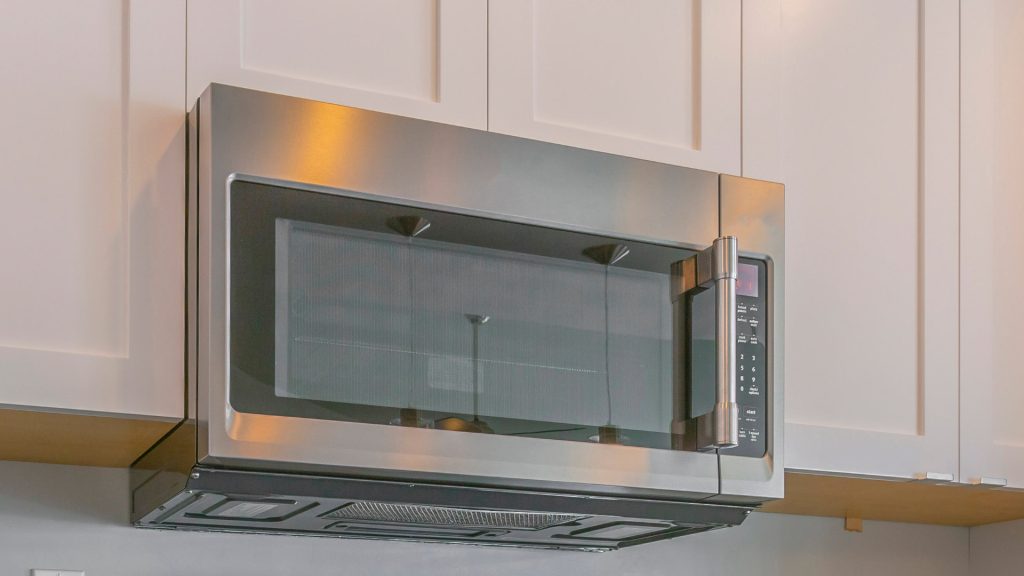
Are you ready to upgrade your kitchen with a sleek, built-in microwave oven? Installing one might sound tricky, but with the right steps, you can do it yourself and save money.
Imagine having a microwave that fits perfectly into your cabinets, freeing up counter space and adding a modern touch. In this guide, you’ll find clear, simple instructions to help you install your built-in microwave safely and quickly. Keep reading, and you’ll be enjoying your new kitchen upgrade sooner than you think!
Credit: www.whirlpool.com
Choosing The Right Microwave
Choosing the right built-in microwave oven is key to a smooth installation and daily use. It must fit your kitchen space, meet your cooking needs, and blend with your kitchen style. Picking the right model saves time, effort, and money in the long run.
Measuring Your Space
Start by measuring the cabinet or wall space where the microwave will go. Measure height, width, and depth carefully. Leave room for ventilation as per the microwave’s manual. Double-check measurements to avoid buying a unit that won’t fit. Consider nearby appliances and cabinets to ensure easy access and use.
Selecting Features
Choose features based on your cooking habits. Common options include sensor cooking, convection, and quick defrost. Think about power levels and capacity too. A higher wattage heats food faster. Look for easy-to-clean interiors and simple controls. Features should add convenience without complexity.
Matching Kitchen Design
Pick a microwave that matches your kitchen’s style and color scheme. Stainless steel models fit most modern kitchens. White or black finishes suit traditional or minimalist designs. Consider handle style and control panel placement for a uniform look. A well-matched microwave enhances your kitchen’s overall feel.
Gathering Necessary Tools
Before you begin installing your built-in microwave oven, gathering the right tools is essential. Having everything ready prevents frustrating interruptions and helps the job go smoothly. You’ll also feel more confident tackling the installation yourself with the proper equipment at hand.
List Of Tools Needed
Here’s a practical list of tools that will help you install your microwave securely and accurately:
- Measuring tape:To measure the cabinet space and ensure the microwave fits perfectly.
- Drill with drill bits:For creating holes to mount brackets or screws.
- Screwdrivers:Both Phillips and flathead types are useful for various screws.
- Level:To make sure your microwave is perfectly horizontal.
- Stud finder:To locate wall studs for secure mounting.
- Utility knife:To open packaging or make minor adjustments.
- Socket wrench set:Helpful for tightening bolts or nuts.
Skipping any of these tools can lead to an unstable installation or damage to your cabinetry.
Safety Equipment
Don’t overlook safety gear during installation—it protects you from common hazards.
- Safety glasses:Prevent dust or debris from getting into your eyes.
- Work gloves:Protect your hands from sharp edges or splinters.
- Dust mask:Useful if you’re drilling into drywall or other materials that create dust.
- Non-slip shoes:Keep your footing steady on potentially slick kitchen floors.
Have you ever underestimated the importance of gloves or glasses and ended up with a small injury? Taking a moment to gear up properly can save you a lot of discomfort and delay.
Preparing The Installation Area
Preparing the installation area is a key part of fitting your built-in microwave oven safely and efficiently. Taking the time to get this right can save you from headaches down the line and ensure your appliance works perfectly. Let’s look at how to get your space ready with a focus on clearance, electrical setup, and ventilation.
Clearing The Cabinet Space
Start by emptying the cabinet where your microwave will go. Remove shelves or any obstacles that might block the installation. Check the dimensions carefully—your microwave needs a snug fit but also a bit of room to avoid overheating.
Think about how you’ll handle the wiring and whether you need extra space behind the microwave for cables. If you find the cabinet too tight, can you trim or modify it slightly? Planning this now prevents surprises once you start the install.
Checking Electrical Requirements
Your microwave needs the right power supply. Check the microwave’s manual for voltage and amperage requirements. Is your kitchen outlet compatible, or will you need to upgrade it?
Don’t forget to verify if the outlet is grounded and placed inside the cabinet or nearby. If you’re unsure about electrical work, consulting a licensed electrician is a smart move. You want a safe and reliable connection that won’t overload your circuits.
Ensuring Proper Ventilation
Ventilation is often overlooked but crucial for your microwave’s performance. Confirm whether your microwave vents through the cabinet or recirculates air. Your cabinet should allow air to flow freely to prevent overheating.
Check if the installation area has enough clearance around the microwave’s vents, usually specified in the manual. Without proper airflow, your microwave could shut down or even get damaged over time—wouldn’t you want to avoid that?
Removing Old Appliances
Removing old appliances is a crucial step before installing your new built-in microwave oven. It sets the stage for a smooth and safe installation process. Taking your time here ensures you avoid damage and electrical hazards.
Disconnecting Power
Before touching anything, make sure to cut off the power supply to your microwave. Locate the circuit breaker or unplug the appliance from the wall outlet.
Never assume the microwave is safe to handle without disconnecting power first. Even if the microwave seems off, residual electricity can cause shocks. Safety always comes first.
Safely Removing Existing Microwave
Once the power is disconnected, check how the microwave is mounted. Most built-in microwaves are secured with screws on the inside of the cabinet or mounting bracket.
Use a sturdy step ladder if needed and have a helper support the microwave as you loosen the screws. This prevents the appliance from falling and causing injury or damage.
After unscrewing, gently pull the microwave out while keeping it level. If it feels stuck, double-check for hidden screws or clips. Are you prepared to handle the weight safely?
Installing The Mounting Bracket
Installing the mounting bracket is a key step in setting up your built-in microwave oven. This bracket holds the microwave securely in place. Proper installation ensures safety and stability. Take your time to position and secure the bracket correctly.
Locating Studs
Studs provide strong support for the mounting bracket. Use a stud finder to locate them behind the wall. Mark the stud positions with a pencil. Studs usually sit 16 or 24 inches apart. Avoid mounting the bracket on drywall alone. Attaching to studs prevents the microwave from falling.
Securing The Bracket
Align the mounting bracket with the marked studs. Use a level to keep the bracket straight. Drill pilot holes into the studs for easier screw insertion. Use heavy-duty screws to fasten the bracket securely. Tighten screws firmly but avoid over-tightening. Check the bracket’s stability before hanging the microwave.
Connecting Electrical Wiring
Connecting the electrical wiring for your built-in microwave oven is a crucial step that demands your full attention. Proper wiring ensures safety and functionality, while a mistake can lead to electrical hazards or appliance failure. Let’s walk through the essential actions to get your microwave wired correctly and safely.
Turning Off Power Supply
Before you touch any wires, make sure to turn off the power supply at the circuit breaker. This simple step protects you from electric shock and prevents damage to your microwave or home wiring.
Double-check the right breaker by flipping it off and using a voltage tester on the outlet or wiring box. Have you ever worked on electrical wiring without turning off the power? It’s a risk not worth taking.
Wiring The Microwave
Once the power is off, open the microwave’s wiring compartment, usually located on the back or inside the cabinet. You’ll find three wires: black (hot), white (neutral), and green or bare copper (ground).
Connect the black wire from the microwave to the black house wire, the white to white, and the green to the grounding wire. Use wire nuts to secure each connection tightly, and wrap them with electrical tape for added safety.
If your microwave has a power cord instead of direct wiring, plug it into a properly grounded outlet. Remember, a loose connection can cause sparks or appliance malfunction—do you feel confident about your wiring skills?
Testing Electrical Connections
After securing all wiring, restore the power at the breaker. Test your connections by turning on the microwave to see if it powers up correctly.
Use a multimeter to check voltage at the connection point if the microwave doesn’t start. If everything works smoothly, you’ve successfully connected the wiring. If not, double-check your connections or consult a professional.
Taking time to test can save you from costly repairs or hazards down the line. Are you ready to handle your home’s electrical wiring with care and precision?
Mounting The Microwave Oven
Mounting the microwave oven correctly is crucial for safety and functionality. A well-mounted microwave not only looks sleek but also operates efficiently without vibrations or noise. Let’s focus on two key parts: lifting and positioning the microwave, and securing it to the bracket firmly.
Lifting And Positioning
Before you start lifting, make sure you have a helper. Microwaves can be surprisingly heavy and awkward to handle alone. Clear the area and check that the mounting bracket is securely attached to the wall or cabinet.
Lift the microwave carefully, holding it from the sides to keep it balanced. Position it so the bottom hooks align with the bracket’s slots. It’s easier to tilt the microwave slightly to hook the bottom first, then gently push the top against the wall.
Ask yourself: Is the microwave sitting flush against the wall? Any gaps might cause rattling or reduce stability. Take your time to adjust the positioning before moving on.
Securing Microwave To Bracket
Once the microwave is positioned correctly, use the screws provided to secure it to the mounting bracket. These screws usually go into holes on the top or inside the microwave’s casing. Tighten them firmly but avoid overtightening, which can damage the unit.
Check if your microwave model requires additional support screws on the sides or bottom. Some designs have extra brackets to ensure the appliance won’t shift during use. Don’t skip this step; a loose microwave can be dangerous.
After securing, test the stability by gently pushing and pulling the microwave. Does it feel solid? If it moves, double-check the screws and bracket attachment points. Proper security gives peace of mind every time you open the microwave door.

Credit: www.amelialawrencestyle.com
Final Adjustments And Testing
After installing your built-in microwave oven, final adjustments and testing ensure it works safely and properly. This stage guarantees a perfect fit and full functionality. It also helps identify any issues before regular use.
Leveling The Microwave
Check if the microwave sits evenly in the cabinet space. Use a spirit level to confirm horizontal and vertical balance. Adjust the mounting screws or brackets gently. Avoid tilting to prevent uneven cooking or damage.
Testing Functions
Plug in the microwave and turn it on. Test basic features like cooking, defrosting, and timer settings. Listen for unusual sounds and watch for error codes. Make sure the door seals tightly and the light works.
Cleaning Up
Remove any dust, debris, or packaging inside and around the microwave. Wipe the exterior and interior with a soft, damp cloth. Dispose of leftover materials responsibly. Keep the area neat to maintain appliance safety and appearance.
Troubleshooting Common Issues
Troubleshooting built-in microwave ovens often saves time and effort. Common issues can stop the microwave from working properly. Knowing simple fixes helps restore function quickly. Below are frequent problems and easy solutions.
Microwave Not Powering On
Check if the microwave is plugged in securely. Sometimes, the outlet may not have power. Test the outlet with another device to confirm.
Look at the circuit breaker. A tripped breaker can cut power to the microwave. Reset the breaker if needed.
Inspect the microwave’s fuse. A blown fuse can prevent power flow. Replace the fuse if you find damage.
Door Alignment Problems
Misaligned doors stop microwaves from operating safely. Examine the door hinges for damage or looseness.
Make sure the door closes fully without resistance. Adjust hinges or screws to fix alignment.
Clean the door seal and latch area. Dirt or debris can block proper closure.
Ventilation Concerns
Built-in microwaves need clear vents to avoid overheating. Check vents for blockages like dust or grease.
Keep the surrounding area open for air circulation. Avoid placing objects too close to the microwave.
Use a vacuum or brush to clean vents regularly. Proper airflow extends microwave life and performance.

Credit: www.youtube.com
Frequently Asked Questions
How Do You Prepare The Space For A Built-in Microwave?
Measure the cabinet opening carefully. Ensure proper ventilation and power supply nearby. Remove any shelves or obstructions inside the cabinet.
What Tools Are Needed To Install A Built-in Microwave?
You’ll need a drill, screwdriver, measuring tape, level, and mounting brackets. Also, have safety gloves and a stud finder ready.
How Do You Safely Connect The Microwave’s Power Supply?
Plug the microwave into a grounded outlet. Avoid extension cords. Turn off power at the breaker before wiring any hardwired models.
Can I Install A Built-in Microwave Without Professional Help?
Yes, if you have basic DIY skills and follow the instructions carefully. For complex wiring or cabinetry, professional help is recommended.
Conclusion
Installing a built-in microwave oven is simpler than it seems. Follow the steps carefully. Gather your tools first. Read the instruction manual. This ensures a smooth installation. Secure the microwave properly. Safety is a priority. Double-check all connections. Ensure everything works before finalizing.
Ask for help if needed. Doing it alone can be challenging. Enjoy your new kitchen addition. A built-in microwave saves space. It adds convenience to cooking. Now, relish your meals with ease. With a bit of effort, success is yours.
Happy cooking!