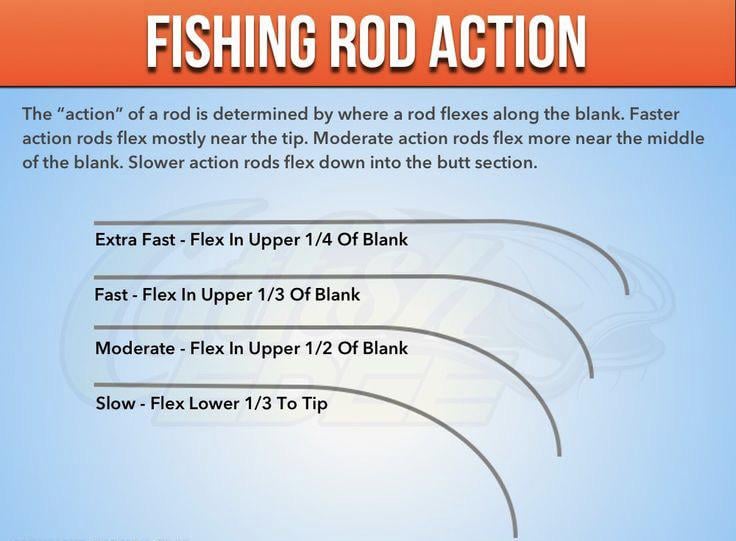
Have you ever picked up a fishing rod and wondered what the term “action” really means? Understanding the action of your rod can change the way you fish, making every cast smoother and every catch more exciting.
Whether you’re a beginner or looking to improve your skills, knowing how rod action affects your fishing experience is key. You’ll discover exactly what rod action is, why it matters, and how to choose the right one for your needs.
Keep reading—your next great catch might depend on it!
Action Types
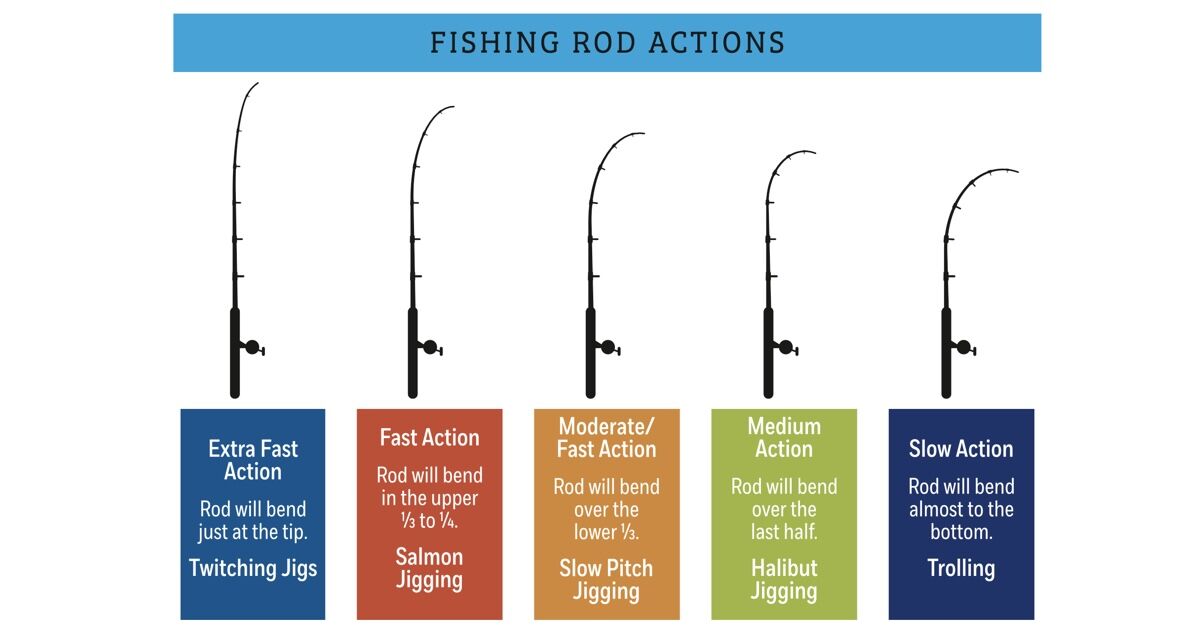
Fishing rods have different actions that affect how they bend and perform. The action shows how much and where the rod bends when you apply pressure.
There are three main action types: fast, medium, and slow. Each one suits different fishing styles and fish types.
Fast Action
Fast action rods bend mostly near the tip. They offer quick hook sets and great sensitivity. These rods are good for fishing with lures that need precise control.
- Bends in the top 15% of the rod
- Quick response to fish bites
- Best for single hook lures
- Provides strong hook setting power
Medium Action
Medium action rods bend down to the middle of the rod. They balance power and flexibility. This makes them great for many fishing techniques.
| Feature | Description |
| Bend Area | Top 30% to 50% of the rod |
| Use | Versatile for different lures and fish |
| Hook Set | Moderate power and speed |
| Benefit | Good for beginners and general fishing |
Slow Action
Slow action rods bend along most of the rod length. They absorb more pressure and give smooth casting. These rods suit light lines and small fish.
- Bends from the tip to the handle
- Slow response with gentle hook sets
- Good for delicate presentations
- Ideal for small or shy fish

Credit: anglersresource.net
How Action Affects Casting
The action of a fishing rod shows how much it bends when you cast or fight a fish.
This bending affects how far, accurate, and controlled your casts will be.
Casting Distance
Fast action rods bend mostly near the tip. They store more energy for longer casts.
Slow action rods bend more along the whole length. They give softer, shorter casts.
- Fast action = longer casting distance
- Moderate action = balanced distance
- Slow action = shorter distance
Accuracy
Rod action affects how well you can place your lure where you want.
Fast action rods give quick, precise casts. They help in tight spots.
Slow action rods offer smooth casting but less pinpoint accuracy.
- Fast action improves accuracy for small targets
- Moderate action offers good control with some forgiveness
- Slow action is less precise but gentle
Lure Control
Rod action changes how you feel and control the lure during casting and retrieval.
Fast action rods give better control of heavy lures and quick hook sets.
Slow action rods work well with light lures and soft presentations.
- Fast action = strong lure control and hook setting
- Moderate action = balanced control for many lures
- Slow action = gentle control for light lures
Impact On Hook Setting
The action of a fishing rod affects how you set the hook. It changes the way the rod bends and transfers force. This can help you catch fish more easily.
Understanding rod action helps you apply the right pressure. This improves hook penetration and keeps the fish on the line.
Fast Action Rods
Fast action rods bend mostly near the tip. This gives quick and strong hook sets. They are good for fishing with sharp hooks and quick strikes.
Medium Action Rods
Medium action rods bend from the middle to the tip. They offer a balanced hook setting power. This action works well for many types of fishing and fish sizes.
Slow Action Rods
Slow action rods bend along the full length. They provide a gentle hook setting force. This is best for light bites and delicate fish species.
- Fast action: Quick hook penetration, ideal for strong fish
- Medium action: Balanced force, good for various fishing styles
- Slow action: Gentle setting, best for small or shy fish
How Rod Action Influences Hook Setting
| Rod Action | Bend Location | Hook Setting Force | Best Use |
|---|---|---|---|
| Fast | Tip only | Strong and quick | Sharp hooks, aggressive fish |
| Medium | Middle to tip | Moderate and balanced | General fishing, mixed species |
| Slow | Full length | Light and gentle | Small or cautious fish |
Choosing Action Based On Fish Species
The action of a fishing rod shows how much it bends when you use it. Different fish need different rod actions for the best catch. Choosing the right action helps you control the fish better.
Knowing which rod action fits the fish species can improve your fishing experience. It also helps protect your gear and keeps your fishing line safe.
Small Fish
Small fish usually need rods with a fast or extra fast action. These rods bend mostly at the tip. This helps you feel bites quickly and set the hook fast.
- Fast action rods give good sensitivity
- They help in catching trout, panfish, and small bass
- Light lures work well with these rods
Large Fish
Large fish need rods with a slower action. These rods bend more along the blank. This lets you absorb hard runs and fight big fish safely.
| Rod Action | Best For | Benefit |
| Medium | Large bass, catfish | Good power and flexibility |
| Slow | Carp, large pike | More shock absorption |
| Moderate | Salmon, musky | Balanced strength and bend |
Versatile Options
Some rods work well for many fish types. Medium-fast action rods are popular for variety fishing. They blend good sensitivity and power.
Benefits of versatile rods include:
- Use for small and medium fish
- Handle different lures and lines
- Good for beginners and casual anglers
Material And Construction Influence
The action of a fishing rod depends a lot on its material and how it is made. Different materials change the rod’s weight, strength, and flexibility. These factors affect how the rod bends and feels when fishing.
Understanding the materials and construction helps anglers pick rods that match their fishing style. Each material brings different benefits and limits to the rod’s action.
Rod Materials
Fishing rods are made from several materials. The most common are graphite, fiberglass, and composite blends. Each material affects the rod’s action in unique ways.
- Graphite:Lightweight and sensitive. It gives fast action because it bends near the tip.
- Fiberglass:Heavier and more flexible. It offers slow action, bending along most of the rod.
- Composite:A mix of graphite and fiberglass. It balances sensitivity and flexibility for moderate action.
Construction Techniques
The way a rod is built also changes its action. The number of layers, wrapping style, and taper shape affect how the rod responds to pressure.
| Construction Feature | Effect on Action |
| Layer Thickness | Thicker layers make slower, stronger rods |
| Wrapping Style | Tighter wrapping increases rod stiffness |
| Taper Shape | Fast tapers bend mostly at the tip |
| Blank Design | Blanks with gradual taper give moderate action |
How Material And Construction Affect Performance
Material and construction together decide the rod’s action speed and power. Fast action rods bend near the tip and give quick hook sets. Slow action rods bend more along the length, helping to fight fish gently.
Fast Action Rod
Material: Mostly graphite
Construction: Thin layers, fast taper
Benefit: Precise control and quick response
Slow Action Rod
Material: Fiberglass or composite
Construction: Thicker layers, gradual taper
Benefit: Smooth casting and better shock absorption
Matching Action With Fishing Techniques
The action of a fishing rod tells how much it bends when you cast or hook a fish. Different techniques need different rod actions to work well.
Choosing the right action helps you control the lure and catch fish more easily. Let’s look at how rod action fits with casting, trolling, and jigging.
Casting
Fast action rods bend mostly near the tip. This helps cast lures far and with more accuracy. They also set the hook quickly when a fish bites.
- Use fast action rods for long casts and heavy lures.
- Medium action rods work well for lighter lures and shorter casts.
- Slow action rods bend more, good for delicate presentations.
Trolling
Medium to slow action rods suit trolling. They absorb fish strikes without breaking the line. These rods give a smooth bend to tire the fish.
| Rod Action | Best Use in Trolling |
| Slow | Soft strikes, small fish |
| Medium | General trolling for various species |
| Fast | Strong strikes, heavy lures |
Jigging
Jigging needs rods that can snap the lure up and down quickly. Fast or extra-fast action rods help control the lure’s movement and feel the bites fast.
- Fast action rods give strong hook sets.
- Medium action rods offer more flex for fighting fish.
- Extra-fast rods are best for small, precise jig movements.
Common Misconceptions About Action
Many anglers get confused about what “action” means on a fishing rod. It is often misunderstood or mixed up with other rod features.
Understanding the true meaning of action helps you pick the right rod for your fishing style. Let’s clear up some common myths.
Action Means How Fast The Rod Bends
Some people think action only refers to how fast a rod bends. While speed is part of it, action also shows where the rod bends along its length.
For example, a fast action rod bends mostly near the tip, while a slow action rod bends all the way down to the handle.
Action Is The Same As Rod Power
Many confuse action with power. Power means how strong the rod is or how much weight it can handle. Action is about bending speed and location.
You can have a rod with light power but fast action, or heavy power with slow action. They describe different rod traits.
Fast Action Always Means Better Performance
People often think fast action rods are best for all fishing. But slow and moderate action rods work well for many types of fishing too.
Fast action rods give more sensitivity and power but can be less forgiving. Choose action based on your fishing needs.
Action Tells You How Long The Rod Is
Some anglers think rod action relates to its length. Action has nothing to do with rod length. It only describes bending behavior.
Two rods of the same length can have different actions, bending in unique ways.

Credit: www.reddit.com
Tips For Testing Rod Action
Rod action shows how much the rod bends under pressure. It affects casting, hooking, and fighting fish.
Testing rod action helps you pick the right rod for your fishing style and target fish.
Feel The Bend
Hold the rod and press the tip downward. Notice how much it bends and where it bends.
A fast action rod bends mostly near the tip. A slow action rod bends along most of the blank.
Use A Weight Test
Attach a small weight to the rod tip. Watch how the rod bends under the load.
- Fast action rods bend sharply near the tip with little bend elsewhere
- Medium action rods bend more toward the middle
- Slow action rods bend deeply from tip to handle
Check Casting Feel
Cast with the rod to feel how it loads and unloads. Fast rods feel stiffer and snap back quickly.
Slower rods flex more and provide a smoother casting experience.
Test Hook Setting Power
Pull on the line with the rod tip. See how much the rod flexes while setting the hook.
Fast action rods transfer power quickly for strong hook sets. Slow rods absorb some force.
Credit: islandfishermanmagazine.com
Frequently Asked Questions
What Does “action” Mean On A Fishing Rod?
Action refers to how much and where a rod bends under pressure. It affects casting distance and hook setting power. Fast action rods bend near the tip, while slow action rods bend throughout the length. Understanding action helps choose the right rod for your fishing style.
How Does Rod Action Affect Fishing Performance?
Rod action determines sensitivity and control. Fast action rods offer quick hook sets and better sensitivity. Slow action rods provide more flexibility and are forgiving with lighter lines. Choosing the correct action improves casting accuracy and fish handling, enhancing overall fishing success.
What Are The Types Of Fishing Rod Actions?
Fishing rod actions include fast, medium-fast, medium, and slow. Fast action bends near the tip, medium action bends mid-rod, and slow action bends near the handle. Each type suits different fishing techniques and target species, making it vital to select the right action.
Why Is Rod Action Important For Beginners?
Rod action influences ease of use and effectiveness. Beginners benefit from medium or medium-fast action rods for balanced flexibility and control. These rods help learn casting and improve fish landing skills, making the fishing experience more enjoyable and successful.
Conclusion
Understanding the action on a fishing rod is essential. It affects your fishing experience significantly. Different actions suit different fishing styles. Fast action rods offer quick response. Slow action rods bend more, giving flexibility. Choose based on your target fish and technique.
Knowledge leads to better choices. Feel confident selecting the right rod. Enjoy fishing more with the right equipment. Remember, a good rod enhances your success. Keep learning, and your fishing skills will grow. Happy fishing!