Have you ever wondered what a refrigerant leak smells like? It’s a question that might not cross your mind until you’re faced with a mysterious odor in your home.
But identifying that scent could be crucial for your safety and the health of your HVAC system. Imagine walking into your home and catching a whiff of something strange, something that doesn’t quite belong. It’s unsettling, right? Understanding the distinctive smell of a refrigerant leak can help you act quickly, potentially saving you from costly repairs and ensuring your family’s safety.
This isn’t just about curiosity—it’s about being informed and prepared. Keep reading to discover what you should be on the lookout for and how to handle a refrigerant leak if it happens to you. Your peace of mind might just depend on it.
Common Refrigerant Scents
Recognizing common refrigerant scents can save you from costly damage and health risks. These odors are often your first clue that something is wrong with your cooling system. Understanding what these smells mean helps you act quickly and protect your home or workplace.
Chemical Odors To Notice
Refrigerant leaks often come with a sharp, sweet, or ether-like smell. You might notice a faint, sweet scent similar to chloroform or nail polish remover. Sometimes, the odor can be slightly fruity or even resemble acetone.
Not every leak smells the same, but these chemical odors usually stand out compared to everyday household scents. If you detect these unusual smells near your AC or fridge, it’s a sign to check for leaks immediately.
Differences Between Refrigerant Types
Different refrigerants have distinct smells. For example, R-22 refrigerant, common in older systems, often smells sweet or ether-like. Meanwhile, newer refrigerants like R-410A might have a faintly sweet or chemical odor but less intense.
Some refrigerants are odorless, making leaks harder to detect without professional tools. Knowing the type of refrigerant your system uses can help you better identify potential leaks based on smell.
Why Refrigerants Have Distinct Smells
Refrigerants are made from different chemical compounds, which give them unique odors. These smells come from the molecules used to cool your system and the additives included to improve performance and safety.
Manufacturers sometimes add odorants to certain refrigerants to help detect leaks faster. This small detail can make a big difference in spotting leaks early and preventing bigger problems.

Credit: www.reddit.com
Signs Of A Refrigerant Leak
Noticing a refrigerant leak early can save you from costly repairs and health risks. The signs aren’t always obvious, but paying attention to subtle clues around your appliances and how your system performs can help you spot a problem before it worsens. Let’s look at the clear indicators that you might have a refrigerant leak.
Visual Indicators Around Appliances
Check the area near your air conditioner or refrigerator closely. You might see oily stains or moisture buildup around the unit, especially near the refrigerant lines or connections.
Another visual clue is frost or ice forming on the refrigerant pipes. This happens because the refrigerant is leaking and causing temperature drops that lead to freezing.
Have you noticed any unusual puddles or damp spots? These could be signs that refrigerant is escaping and mixing with condensation.
Performance Issues To Watch For
If your cooling system struggles to maintain the set temperature, it’s time to investigate. A refrigerant leak reduces the system’s ability to cool efficiently, so your appliance may run longer or cycle on and off frequently.
Listen for strange noises like hissing or bubbling near your unit; these sounds often point to escaping refrigerant. You may also find your electric bills rising unexpectedly due to the system working harder.
Ask yourself: Is your home or workspace feeling warmer than usual despite the AC running? This discomfort could be a direct result of low refrigerant levels.
Health Symptoms Linked To Leaks
Exposure to leaking refrigerant can cause headaches, dizziness, or nausea. If you or others in your home experience these symptoms without a clear cause, consider checking your cooling appliances.
Refrigerants can also cause irritation to the eyes, nose, and throat. Pay attention if you notice these signs increase when you’re near certain appliances.
Have you felt unusually tired or short of breath indoors? These symptoms might be linked to poor air quality caused by a refrigerant leak.
Sources Of Refrigerant Leaks
Identifying the sources of refrigerant leaks is crucial for maintaining your HVAC system’s efficiency and safety. Leaks not only reduce cooling performance but can also cause environmental harm and increase your energy bills. Understanding where these leaks commonly occur helps you act quickly and prevent more extensive damage.
Wear And Tear In Hvac Systems
Over time, the constant pressure and temperature changes inside your HVAC system cause components to wear out. Rubber seals and gaskets can dry up or crack, creating tiny gaps where refrigerant escapes. Even metal parts may corrode or weaken, making leaks more likely as your system ages.
If you’ve noticed your air conditioner struggling after several years, wear and tear could be the culprit behind a subtle refrigerant leak. Regular inspections can catch these issues before they worsen.
Damage From External Factors
External damage often causes unexpected refrigerant leaks. Hitting the HVAC unit with lawn tools, accidental bumps during maintenance, or exposure to harsh weather conditions can crack pipes or loosen fittings. Rodents chewing on wires or insulation can also create entry points for leaks.
Have you ever found your AC unit damaged after a storm or yard work? That kind of external impact is a common source of leaks that many overlook.
Common Leak Points In Equipment
Certain parts of your HVAC equipment are more prone to leaks than others. These include:
- Service valves:These valves can become loose or damaged, allowing refrigerant to escape.
- Pipe connections:Joints and soldered areas often develop leaks due to vibration or corrosion.
- Compressor seals:The compressor is a high-pressure area where seals can fail over time.
Knowing these weak spots helps you focus your maintenance efforts. When was the last time you checked these specific areas during a service?
Risks Of Ignoring Leaks
Ignoring a refrigerant leak might seem harmless at first, especially if the smell is faint or intermittent. However, overlooking this issue can lead to serious consequences that affect your wallet, health, and the environment. Understanding these risks helps you act swiftly and protect what matters most.
Environmental Impact
Refrigerants often contain chemicals that harm the ozone layer and contribute to global warming. Even small leaks release these substances into the atmosphere, worsening climate change. Have you ever wondered how a tiny leak in your air conditioner could add up to a bigger environmental problem?
Stopping leaks quickly prevents harmful gases from escaping. This simple step helps preserve the air quality and reduces your carbon footprint.
Costly Repairs And Energy Loss
When refrigerant leaks go unnoticed, your cooling system works harder to maintain the desired temperature. This extra strain leads to increased energy consumption and higher electricity bills. In my experience, a leaking AC unit cost a friend double their usual bill before it was fixed.
Ignoring leaks also accelerates wear and tear, resulting in expensive repairs or even early replacement. Would you rather face a small repair now or a huge bill later?
Potential Health Hazards
Refrigerant leaks can release gases that irritate your eyes, skin, and respiratory system. Prolonged exposure may cause headaches, dizziness, or worse health issues. If you notice a strange chemical smell, it’s a red flag not to be ignored.
Protect your family by addressing leaks immediately. Regular maintenance and prompt repair keep your living space safe and comfortable.
Detecting Leaks Early
Detecting refrigerant leaks early is crucial for safety and efficiency. Small leaks can quickly turn into bigger problems. Catching them soon saves money and prevents damage. Early detection helps keep your system running smoothly and your home safe.
Using Smell As A First Alert
Refrigerant leaks often produce a faint, sweet, or ether-like odor. This smell can be subtle at first. Pay attention if your air conditioner or fridge smells unusual. The scent might be stronger near the unit or vents. Trust your nose—it can be the first sign of a leak.
Tools And Techniques For Detection
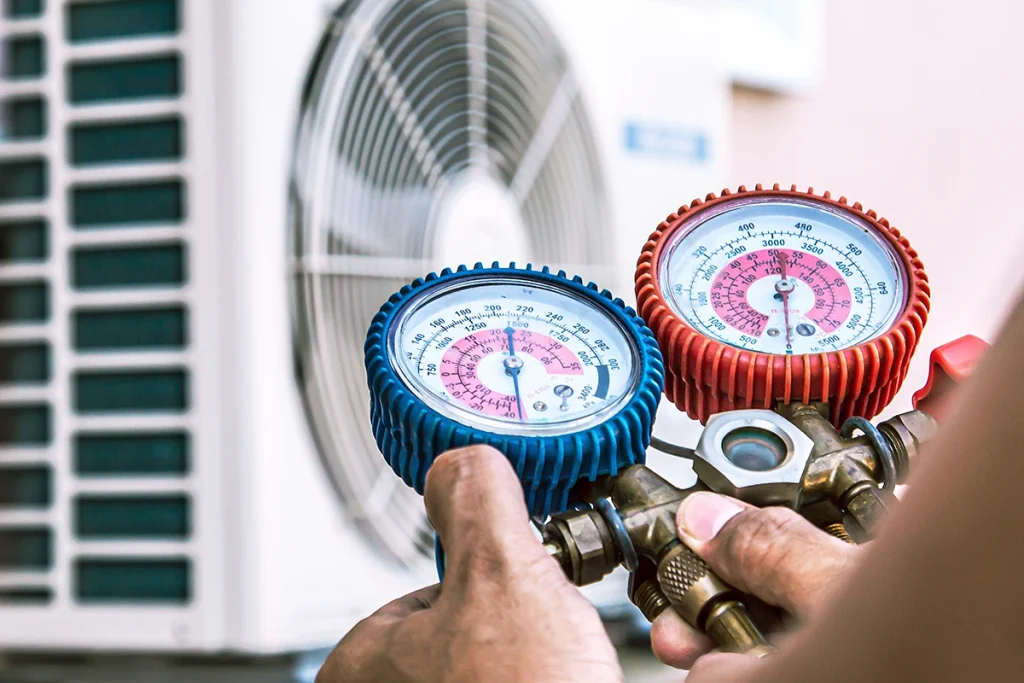
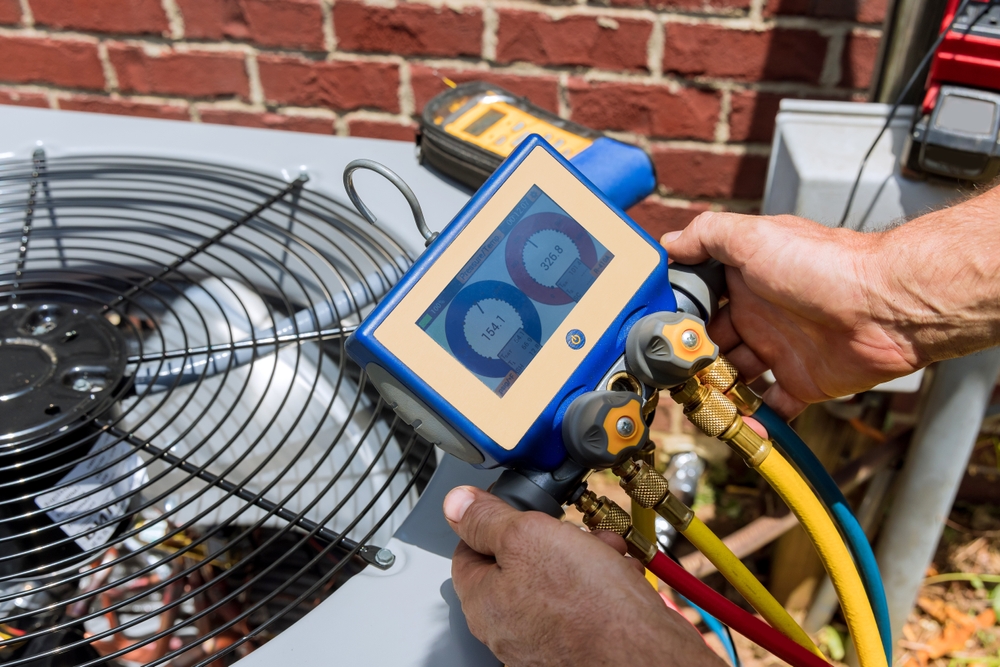
Besides smell, tools help find leaks quickly. Electronic leak detectors sense refrigerant gas in the air. Ultraviolet dye can be added to the system; leaks glow under UV light. Soap bubbles also work—apply soapy water to joints and watch for bubbles. These methods reveal leaks invisible to the eye.
When To Call A Professional
Some leaks are hard to detect or fix alone. If you smell refrigerant but can’t locate the source, call a technician. Professionals use advanced tools and skills to find and repair leaks safely. Don’t delay repairs; leaks harm the environment and reduce system efficiency.

Credit: northnjhvac.com
Preventing Refrigerant Leaks
Preventing refrigerant leaks is essential for safety and efficiency. Leaks can harm the environment and increase energy bills. Regular care and smart choices keep systems running well. Simple actions reduce the risk of leaks and extend equipment life.
Regular Maintenance Tips
- Check system pressure often to spot leaks early.
- Clean coils and filters to improve airflow and reduce stress.
- Tighten connections and fittings to stop refrigerant from escaping.
- Inspect hoses and pipes for cracks or wear.
- Schedule professional inspections at least once a year.
Proper Installation Practices
- Use certified technicians for accurate installation.
- Follow manufacturer guidelines strictly during setup.
- Ensure all seals and joints are secure and leak-free.
- Test the system thoroughly before full operation.
- Avoid overcharging or undercharging the refrigerant.
Upgrading To Safer Refrigerants
- Choose refrigerants with lower environmental impact.
- Use modern refrigerants that reduce leak risks.
- Replace old equipment with models supporting safer chemicals.
- Consult experts about the best refrigerant options.
- Follow local laws on refrigerant use and disposal.
Credit: 4neighborhood.com
Frequently Asked Questions
What Does A Refrigerant Leak Smell Like?
A refrigerant leak often smells sweet or fruity, similar to ether or acetone. Some types may have a chemical or sharp odor. Not all leaks are easily detectable by smell, so professional inspection is recommended for accurate identification.
How Can I Detect A Refrigerant Leak By Smell?
To detect a refrigerant leak by smell, notice any unusual sweet or chemical odors near AC units. If you smell something odd, check for other signs like frost buildup or reduced cooling. Always contact a technician for confirmation and repair.
Is A Refrigerant Leak Dangerous To Smell?
Yes, inhaling refrigerant fumes can be harmful. Exposure may cause dizziness, headaches, or respiratory issues. If you suspect a leak, ventilate the area immediately and seek professional help to prevent health risks and equipment damage.
Can All Refrigerants Be Smelled When Leaking?
No, not all refrigerants have a noticeable smell. Some are odorless, making leaks harder to detect. Certain refrigerants include added odorants to help identify leaks. Rely on professional leak detection methods for safety and accuracy.
Conclusion
A refrigerant leak often smells like chemicals or something sweet and sharp. Noticing this smell early helps you avoid bigger problems. Acting fast protects your home and health. Call a professional to fix the leak safely. Regular checks keep your system working well.
Stay aware of unusual smells near your cooling units. Small signs can mean big issues. Trust your nose and take action soon. Your comfort and safety matter most.