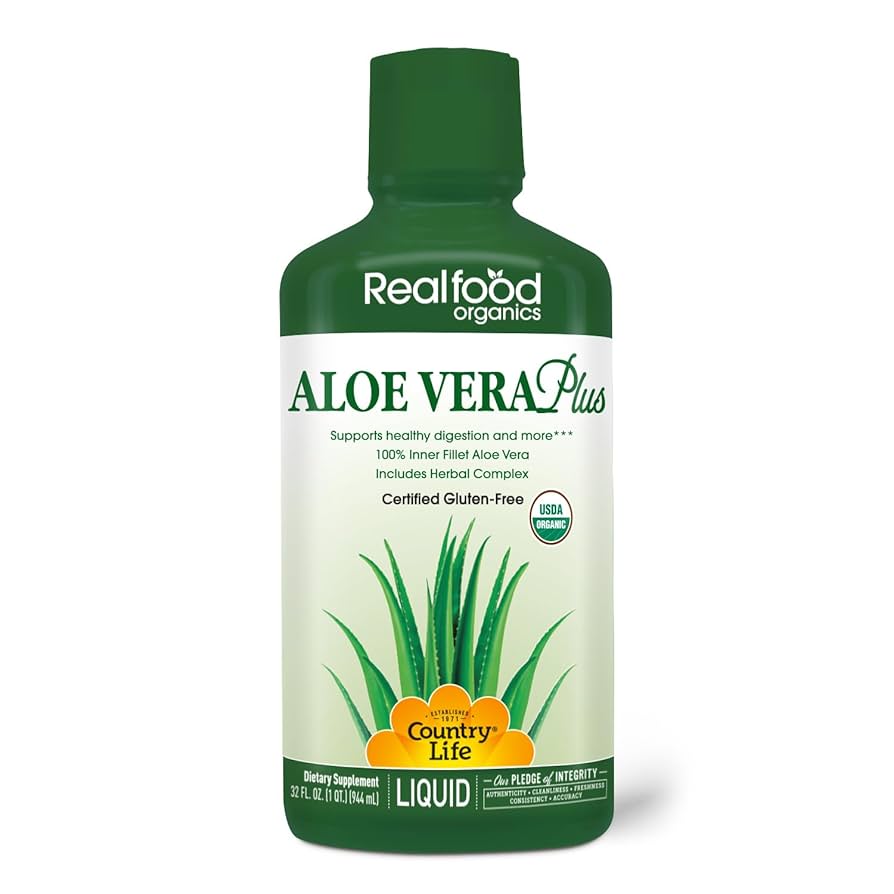
Are you wondering if your aloe vera juice needs to be refrigerated? You’re not alone.
Many people ask this because they want to keep their juice fresh and safe to drink. Storing aloe vera juice the right way can make a big difference in its taste, health benefits, and shelf life. You’ll discover simple tips that help you get the most out of your aloe vera juice every time you open the bottle.
Keep reading to find out how to store it properly and avoid common mistakes that might spoil your juice faster than you expect.
Shelf Life Of Aloe Vera Juice
Aloe vera juice is known for its health benefits and refreshing taste. Knowing its shelf life helps keep it safe and effective for use. The shelf life depends on how the juice is stored and handled. Proper storage keeps the juice fresh and prevents spoilage.
Unopened Vs Opened Bottles
Unopened aloe vera juice can last several months. It usually has a best-before date on the label. Keep it in a cool, dark place to maintain quality.
Once opened, the juice’s shelf life shortens. Exposure to air and bacteria causes faster spoilage. Most opened bottles last about 1 to 2 weeks in the fridge. Always seal the bottle tightly after use.
Impact Of Temperature On Freshness
Temperature greatly affects aloe vera juice freshness. Warm temperatures speed up spoilage and reduce shelf life.
Storing juice in the refrigerator slows down bacteria growth. It helps keep the juice fresh and safe longer. Avoid leaving aloe vera juice at room temperature for long periods.
Freezing aloe vera juice is possible but may change its texture. Use frozen juice within a few months for best quality.
Benefits Of Refrigerating Aloe Vera Juice
Refrigerating aloe vera juice offers clear benefits that go beyond just keeping it cool. It helps maintain the juice’s natural properties and ensures it stays safe to consume over time. Understanding these benefits can help you get the most out of every bottle.
Preserving Nutrient Content
Aloe vera juice contains vitamins, enzymes, and antioxidants that can degrade quickly at room temperature. Keeping the juice refrigerated slows down this breakdown, preserving its nutritional value longer.
Have you noticed a difference in taste or effectiveness when using aloe vera juice stored at room temperature? That’s often due to nutrient loss. Refrigeration helps maintain the freshness and potency you expect.
Preventing Bacterial Growth
Without refrigeration, aloe vera juice becomes an inviting environment for bacteria and mold. Even if the juice looks fine, harmful microbes can multiply, posing health risks.
Refrigeration keeps the juice safe by slowing bacterial growth. This is especially important after opening, since exposure to air introduces more chances for contamination.
Storing Aloe Vera Juice Without Refrigeration
Storing aloe vera juice without refrigeration requires careful attention. The juice can spoil quickly if exposed to heat and light. Proper storage helps keep its freshness and benefits longer.
Short-term Storage Tips
- Keep the juice in a clean, airtight container.
- Store the container in a cool, dark place.
- Avoid exposure to direct sunlight or heat sources.
- Use the juice within a few days to maintain quality.
- Shake the container well before each use to mix contents.
Ideal Storage Conditions
The best place to store aloe vera juice without refrigeration is a cool pantry or cupboard. The temperature should remain below 70°F (21°C). Avoid warm areas near ovens or windows.
Light exposure can degrade the juice. Use opaque or dark-colored bottles for storage. This reduces light penetration and helps preserve the juice’s nutrients.
Keep the container tightly sealed to prevent air contact. Oxygen can cause the juice to spoil faster. A vacuum-sealed bottle or one with a tight lid works well.

Credit: www.amazon.com
Signs Aloe Vera Juice Has Spoiled
Knowing when your aloe vera juice has gone bad is essential to avoid any unpleasant or unsafe experiences. Spoiled aloe vera juice can lose its health benefits and even cause stomach discomfort. Paying attention to certain signs can help you decide if it’s time to toss that bottle.
Changes In Smell And Taste
Fresh aloe vera juice has a mild, slightly grassy scent. If you notice a sour or off-putting smell, it’s a red flag. The taste should be clean and slightly bitter; any sharp sourness or bitterness that feels unusual means it might be spoiled.
Have you ever taken a sip and felt an unexpected tang or sharpness? That’s your body signaling the juice isn’t safe anymore. Trust your senses—they’re the first line of defense against consuming bad aloe vera juice.
Visual Indicators
Look closely at the color and texture of the juice. Fresh aloe vera juice is typically clear or pale yellow-green. If you see cloudiness, dark spots, or mold growing inside the bottle, it’s time to discard it immediately.
Also, check for any unusual separation that doesn’t mix back after shaking. Sediment can be normal, but thick clumps or a slimy texture is a warning sign. These visual clues help you avoid consuming something harmful.
Choosing The Right Aloe Vera Juice
Choosing the right aloe vera juice can make a big difference in how you use it and how long it lasts. The market offers many options, but understanding what you’re buying is key to getting the best benefits. Let’s break down the differences and what to watch out for in your selection.
Packaged Vs Freshly Extracted
Packaged aloe vera juice is convenient and widely available. It usually comes pasteurized, which means it’s been heated to kill bacteria and extend shelf life. This process can reduce some nutrients, but it makes the juice safer and easier to store.
Freshly extracted aloe vera juice, on the other hand, offers a more natural taste and higher nutrient content. However, it spoils quickly and almost always requires refrigeration. If you choose fresh juice, you’ll need to use it within a day or two to avoid it going bad.
Think about your lifestyle: do you want the ease of a store-bought bottle or the freshness of homemade juice? Your answer will guide your choice and how you handle storage.
Additives And Preservatives
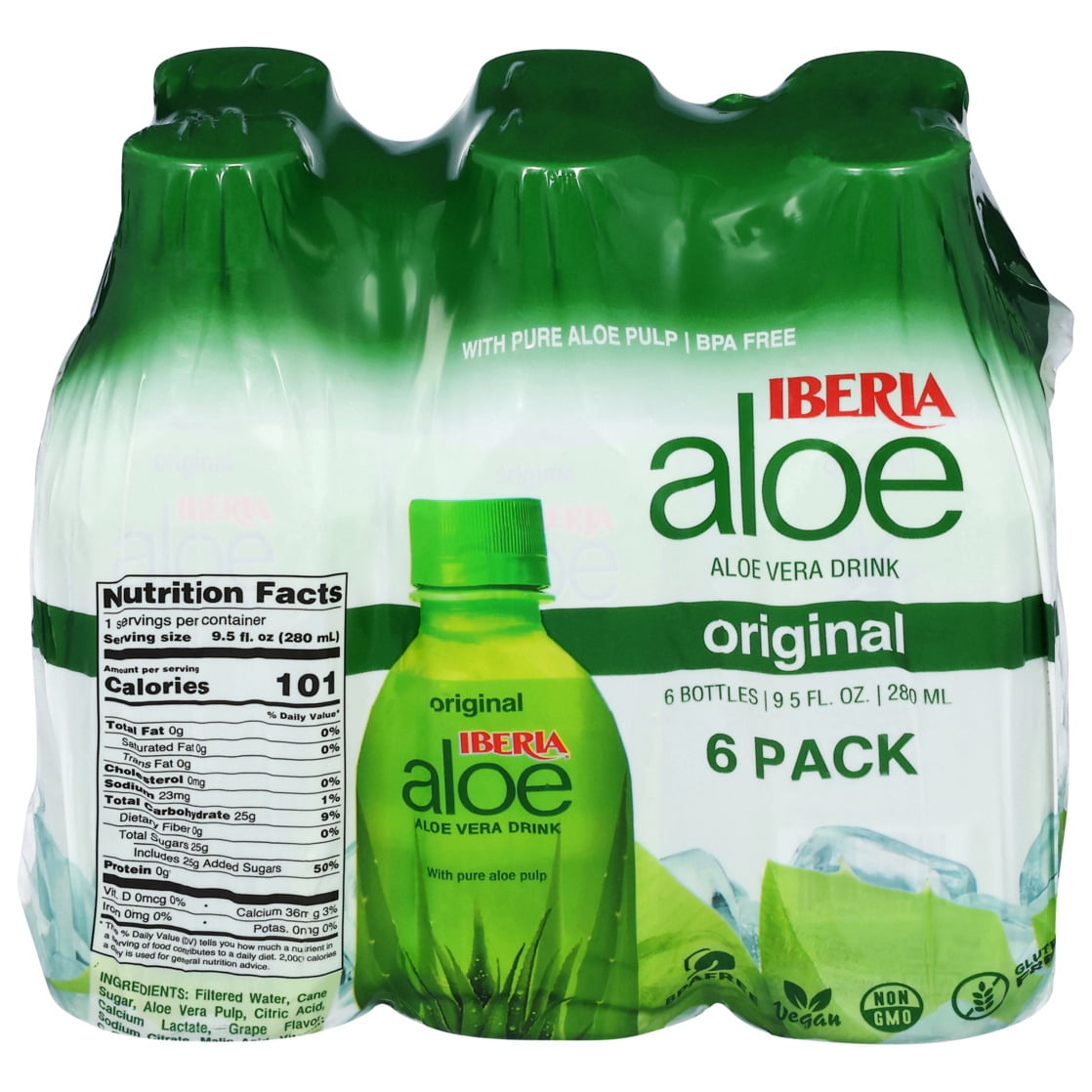
Many packaged aloe vera juices contain additives and preservatives to improve flavor, texture, and shelf life. Common additives include sweeteners, stabilizers, and sometimes even artificial flavors. These can alter the natural benefits and taste of aloe vera.
Look at the label carefully. The best aloe vera juice has minimal ingredients—ideally just aloe vera gel and water. Avoid products with lots of sugars or chemicals if you want a purer form.
Have you ever noticed how some aloe vera juices taste more like fruit juice than aloe? That’s usually because of added flavors. Choosing a product without unnecessary extras helps you get closer to the real aloe experience.

Credit: www.amazon.com
Practical Tips For Daily Use
Using aloe vera juice daily can boost your health and skin, but how you handle it matters a lot. Small habits can keep the juice fresh and effective longer. Let’s look at some practical tips to make your daily aloe vera juice routine easier and safer.
Portion Control
Pouring out too much aloe vera juice at once can lead to waste and faster spoilage. Try measuring your daily dose with a small cup or spoon. This way, you only open what you need and keep the rest sealed tightly.
Think about your typical day. Do you prefer your juice straight, mixed with water, or added to a smoothie? Adjust the portion size accordingly to avoid leftovers that might go bad. Keeping servings consistent helps you track your intake and notice how your body responds.
Safe Handling Practices
Cleanliness is key when dealing with aloe vera juice. Always use a dry, clean spoon or measuring cup to avoid introducing bacteria. Avoid dipping directly into the bottle with your fingers or utensils that have touched other foods.
After pouring, seal the bottle tightly and refrigerate it promptly to slow down spoilage. Have you noticed a change in taste or smell after leaving the juice out? That’s a sign it’s time to refrigerate and consume quickly to stay safe.
Credit: www.walmart.com
Frequently Asked Questions
Does Aloe Vera Juice Need Refrigeration After Opening?
Yes, aloe vera juice should be refrigerated after opening. Refrigeration slows bacterial growth and preserves freshness. Always store it in a tightly sealed container. This helps maintain its nutritional benefits and taste for up to 1-2 weeks.
Can Aloe Vera Juice Spoil Without Refrigeration?
Aloe vera juice can spoil quickly without refrigeration. Warm temperatures encourage bacterial growth and fermentation. This can lead to sour taste and potential health risks. Always refrigerate to keep it safe and fresh for consumption.
How Long Can Aloe Vera Juice Stay Unrefrigerated?
Unrefrigerated aloe vera juice lasts only a few hours. Exposure to room temperature accelerates spoilage. For safety and quality, refrigerate immediately after opening. Use within 1-2 weeks if kept cold to avoid spoilage.
Is Refrigeration Necessary For Unopened Aloe Vera Juice?
Unopened aloe vera juice may not require refrigeration if shelf-stable. Check the packaging for storage instructions. Some products contain preservatives allowing room temperature storage until opened. Refrigerate after opening for best quality and safety.
Conclusion
Storing aloe vera juice properly is vital for freshness. Refrigeration helps retain its nutrients and taste. Without it, juice might spoil faster. Always check the label for storage advice. Some brands may recommend refrigeration after opening. Keep it cool to enjoy its benefits longer.
Regular checks on expiration dates also help. Freshness impacts both flavor and effectiveness. A little care goes a long way. Remember, cool storage means longer use. Enjoy your aloe vera juice at its best.