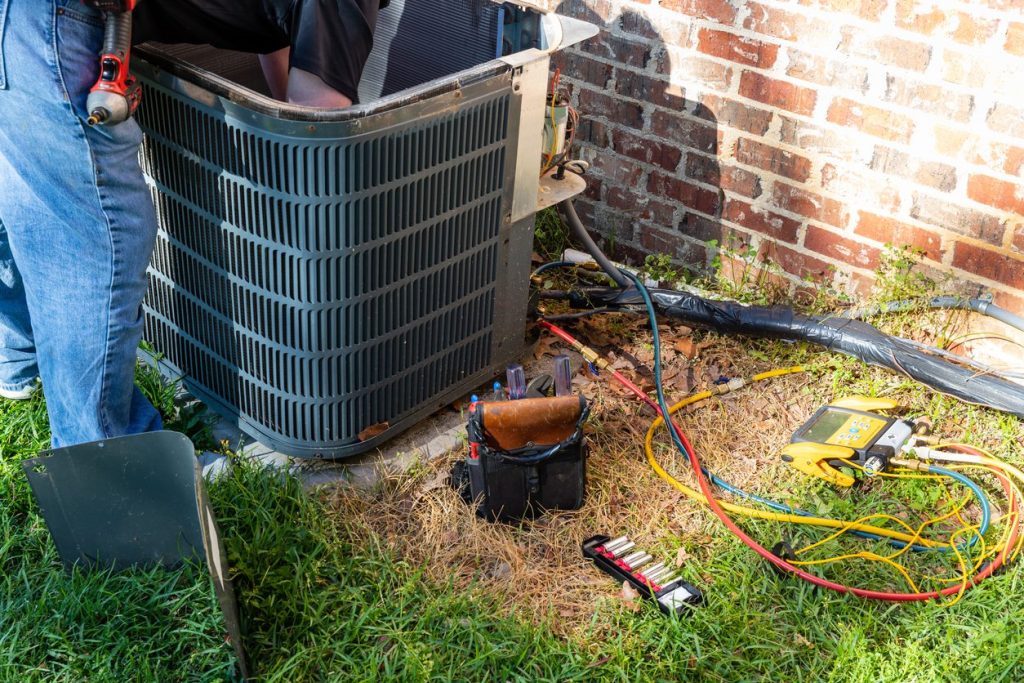
Have you ever noticed your air conditioner suddenly blowing warm air or stopping altogether? One common reason behind this frustrating problem is frozen AC coils.
When your AC coils freeze up, it can disrupt your comfort and even damage your system. But why does this happen, and what can you do to prevent it? Keep reading to discover the surprising causes of frozen AC coils and simple steps you can take to keep your air conditioner running smoothly all season long.
Common Causes Of Ac Coil Freezing
AC coil freezing is a common issue that disrupts cooling and damages the system. Understanding the causes helps prevent this problem. Several factors can lead to frozen coils, affecting the AC’s efficiency and lifespan.
Restricted Airflow Issues
Airflow is essential for the AC coil to function properly. Blocked vents or closed registers reduce airflow. Dirty blower fans or obstructed ducts also limit air movement. Without enough air, the coil gets too cold and freezes.
Low Refrigerant Levels
Refrigerant absorbs heat from the air. Low refrigerant causes the coil temperature to drop sharply. This leads to ice buildup on the coil. Leaks or improper charging are common reasons for low refrigerant.
Dirty Air Filters
Air filters trap dust and debris. Over time, they get clogged and block airflow. This reduces air passing over the coil. The coil then becomes too cold and freezes. Regular filter changes prevent this issue.
Thermostat Malfunctions
The thermostat controls the AC system. Faulty thermostats may cause the system to run too long. This overworks the coil, causing it to freeze. Incorrect temperature settings can also lead to freezing problems.
Effects Of Frozen Ac Coils
Frozen AC coils can cause serious problems beyond just a chilly surface. When your air conditioning coils freeze, it affects the whole system’s performance and your comfort. Understanding these effects helps you catch issues early and avoid costly repairs.
Reduced Cooling Efficiency
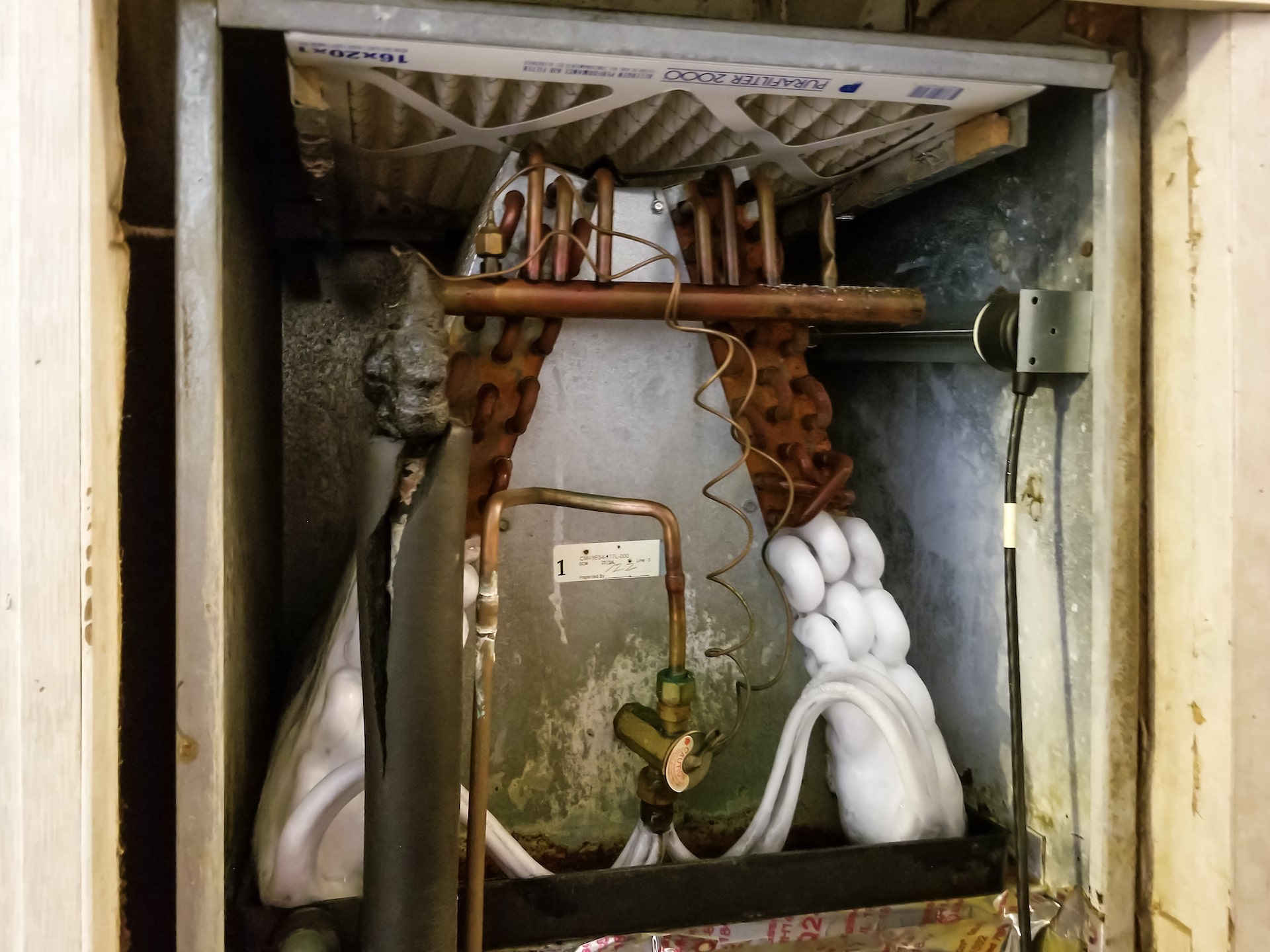
Frozen coils block the flow of air and refrigerant, making your AC work harder to cool your space. You might notice that your home doesn’t feel as cool even though the system runs longer.
This inefficiency means your AC isn’t doing its job properly. Have you ever felt your AC running nonstop but still felt warm inside? That’s a classic sign of frozen coils reducing cooling power.
Increased Energy Consumption
When coils freeze, your AC uses more electricity to try and maintain the set temperature. This causes your energy bills to rise without better cooling results.
Think about it: your unit is pushing extra effort just to get the job done. Over time, this energy waste adds up, impacting your wallet more than you might expect.
Potential System Damage
Frozen coils can lead to serious damage if left unchecked. The compressor, a key part of your AC, can overheat and fail due to the strain caused by frozen coils.
Ignoring this problem might mean facing expensive repairs or even needing a full system replacement. Wouldn’t you want to avoid that hassle and cost?
Quick Fixes For Frozen Coils
Frozen AC coils often happen due to poor airflow or low refrigerant levels. Dirt buildup and dirty filters block air, causing coils to freeze quickly. Regular cleaning and proper maintenance keep coils working well and prevent freezing issues.
Frozen AC coils can disrupt the cooling efficiency of your system. Addressing this issue quickly can prevent further damage. Here are some quick fixes to help you deal with frozen AC coils effectively.Turning Off The Ac To Thaw Coils
Switch off your AC unit immediately. This allows the ice to melt naturally. Leave the unit off for several hours. You can use a fan to speed up the thawing process.Replacing Or Cleaning Air Filters
Dirty filters block airflow, causing coils to freeze. Check your air filters regularly. Replace or clean them if they appear dirty. A clean filter helps maintain efficient airflow.Checking And Adjusting Refrigerant Levels
Low refrigerant levels can cause freezing. Contact a professional to check the refrigerant. They can refill or adjust it as needed. Proper refrigerant levels ensure optimal performance.Ensuring Proper Airflow
Clear any obstructions around your AC unit. Ensure vents and registers are open and unblocked. Proper airflow prevents coils from freezing. Keep the surrounding area clean and free of debris.
Credit: www.reddit.com
Preventive Measures To Avoid Freezing
Preventing AC coil freeze-up saves money and boosts system life. Simple steps stop ice build-up early. Careful attention keeps your cooling system running smoothly. Follow these proven tips to avoid freezing issues.
Regular Maintenance Tips
- Clean or replace air filters monthly to maintain airflow.
- Check refrigerant levels; low levels cause coil freezing.
- Clear debris from outdoor unit to improve air circulation.
- Inspect evaporator coil for dirt or mold and clean it.
- Ensure fans and motors work properly to keep air moving.
Scheduling Professional Inspections
- Hire a technician twice a year for thorough system checks.
- Technicians detect leaks and refrigerant issues early on.
- They clean coils deeply, preventing ice formation.
- Professionals test thermostat and electrical connections for faults.
- Regular inspections increase system efficiency and prevent damage.
Upgrading Thermostat Settings
- Set thermostat above 68°F to avoid overcooling indoors.
- Use programmable thermostats to control temperature precisely.
- Avoid sudden temperature drops that stress the AC system.
- Keep fan settings on “auto” to maintain steady airflow.
- Adjust settings seasonally for optimal cooling without freezing risk.
When To Call A Professional
Knowing when to call a professional for frozen AC coils can save you time, money, and stress. Some issues go beyond simple DIY fixes and require expert attention to avoid further damage. Recognizing these moments helps keep your system running smoothly and your home comfortable.
Signs Beyond Diy Repairs
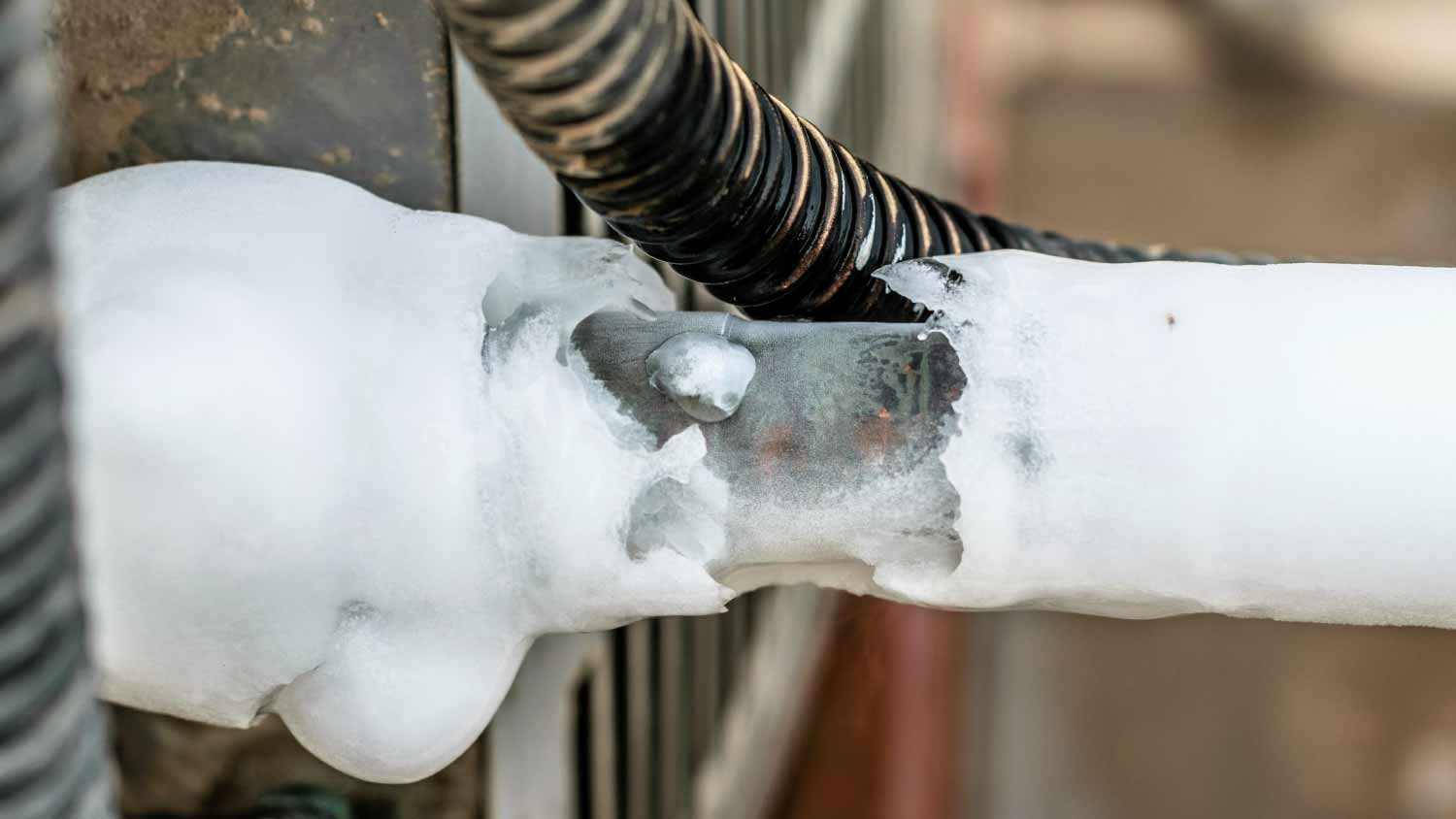
Have you tried thawing the coils but they keep freezing again? Persistent ice buildup, strange noises, or a sudden drop in cooling efficiency are clear red flags. If your AC system frequently shuts off or your energy bills spike without explanation, it’s time to call a pro.
Sometimes, the problem lies deeper than clogged filters or low refrigerant. Professionals can detect hidden leaks or electrical faults that DIY fixes can’t address. Don’t ignore repeated issues; they often signal something only specialized tools can properly diagnose.
Safety Concerns
Frozen AC coils can lead to water leaks, damaging your walls and floors. Attempting repairs without proper knowledge risks electric shock or refrigerant exposure. These hazards mean calling a professional isn’t just about convenience; it’s about protecting your home and health.
Handling refrigerants requires certification and training. If you spot frost while the system runs, resist the urge to open or tamper with components yourself. Safety should always come first when dealing with HVAC systems.
Cost Vs. Benefit Analysis
Is paying for a professional repair worth it compared to continuing DIY attempts? Consider the cost of repeated service calls versus potential damage from unresolved issues. A small upfront investment often prevents costly replacements or major repairs later.
Think about your time and peace of mind too. Struggling with a frozen coil week after week wastes energy and leaves you uncomfortable. Professionals fix the root cause efficiently, saving you money and hassle in the long run.
Credit: www.topnotchheatingandair.com
Credit: www.angi.com
Frequently Asked Questions
Why Do Ac Coils Freeze Up Frequently?
AC coils freeze due to restricted airflow or low refrigerant. Dirt buildup or clogged filters limit air movement, causing coils to get too cold and ice over.
How Does Low Refrigerant Cause Coil Freezing?
Low refrigerant reduces pressure in the system, dropping coil temperature below freezing. This causes moisture to freeze on the coil, leading to ice buildup.
Can Dirty Filters Lead To Ac Coil Freezing?
Yes, dirty filters block airflow, causing coils to cool excessively. This results in ice forming on the coils, reducing system efficiency and risking damage.
What Role Does Thermostat Setting Play In Coil Freezing?
Setting the thermostat too low makes the AC run continuously, overcooling coils. This can cause moisture to freeze on them, leading to coil freezing issues.
Conclusion
AC coils freeze up due to low airflow or refrigerant issues. Dirt and debris block air, causing cold buildup. A dirty filter often causes this problem. Fixing these issues helps your AC work well. Regular cleaning keeps coils clear and prevents freezing.
Watch for signs like ice or weak cooling. Early action saves money and keeps your home comfortable. Simple care keeps your AC running smoothly all year.