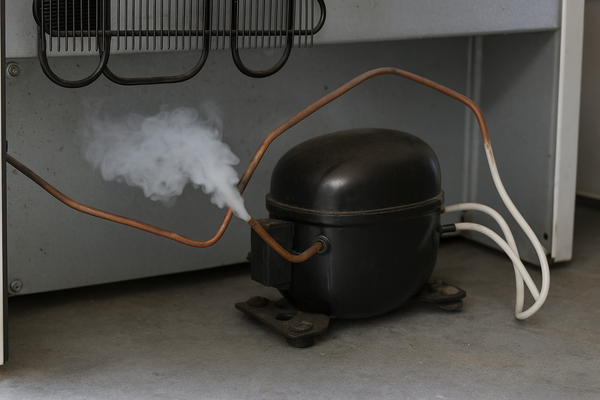
Have you ever wondered what keeps your refrigerator cool and your food fresh? If you’re curious about how your refrigerator works, you might have come across the term “Freon.”
But what exactly is Freon, and does your refrigerator really use it? Understanding this can help you appreciate the technology that quietly operates in your kitchen every day. Moreover, knowing the ins and outs of your refrigerator’s cooling system could save you money and ensure safety in your home.
Dive into this article to uncover the truth about Freon and learn how it impacts your everyday life. You might be surprised by what you discover!
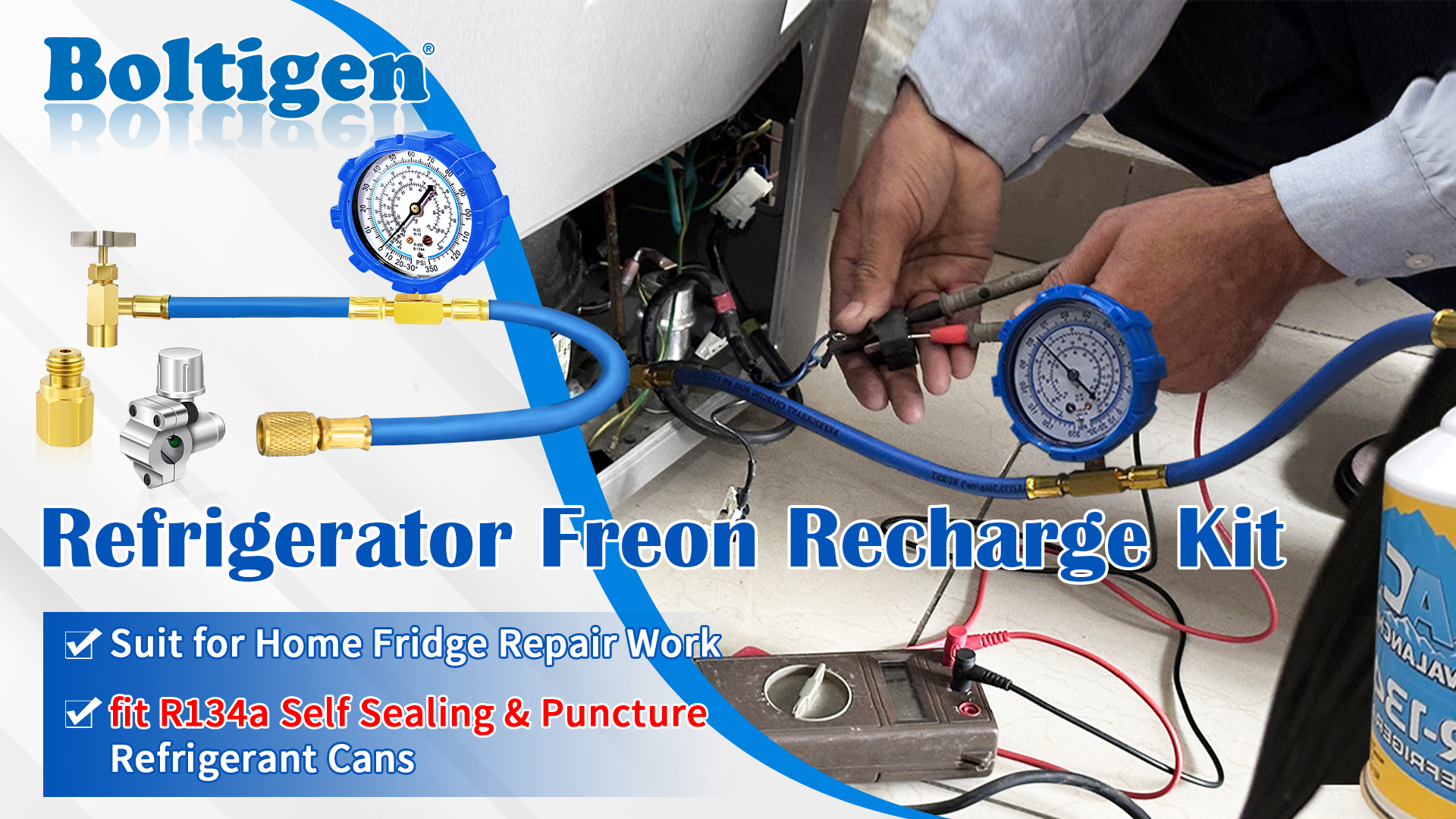
Credit: www.amazon.ca
How Refrigerators Cool
Understanding how refrigerators cool helps explain their function and efficiency. They use a process that moves heat out of the fridge. This keeps the food inside cold and fresh. The process depends on a cycle and special chemicals called refrigerants.
Basic Refrigeration Cycle
The refrigeration cycle moves heat from inside the fridge to the outside. It has four main steps:
- Compression:The refrigerant gas is compressed, raising its pressure and temperature.
- Condensation:The hot gas passes through coils outside the fridge and cools down, turning into liquid.
- Expansion:The liquid refrigerant flows through an expansion valve, lowering its pressure and temperature.
- Evaporation:The cold liquid absorbs heat from inside the fridge and turns back into gas.
This cycle repeats continuously to keep the inside cool.
Role Of Refrigerants
Refrigerants are special fluids that change from gas to liquid easily. They carry heat through the refrigeration cycle. Their ability to evaporate and condense at low temperatures is key. Older refrigerators used Freon as a refrigerant. Modern fridges use newer, safer refrigerants to protect the environment. Without refrigerants, refrigerators cannot cool efficiently.
Credit: www.diychatroom.com
What Is Freon
Freon is a name you might have heard when talking about refrigerators or air conditioners, but what exactly is it? It’s a type of refrigerant, a substance that helps cool your fridge by absorbing heat and releasing it outside. Understanding what Freon is can help you grasp how your refrigerator keeps your food fresh.
Chemical Composition
Freon is made up of chemical compounds called chlorofluorocarbons (CFCs) or hydrochlorofluorocarbons (HCFCs). These compounds contain chlorine, fluorine, and carbon atoms arranged in a way that makes them excellent at transferring heat.
The presence of chlorine in older Freon types raised environmental concerns, especially because it can damage the ozone layer. This led to the development of newer refrigerants with fewer harmful effects.
Common Types Of Freon
- R-12:This was the original Freon used in many refrigerators and air conditioners. It’s a CFC and has been largely phased out due to its ozone-depleting properties.
- R-22:Known as HCFC, this type replaced R-12 and is less harmful but still being phased out globally.
- R-134a:A popular replacement in newer refrigerators, it doesn’t harm the ozone layer but has some global warming potential.
Knowing these types can help you understand why your refrigerator might use a specific refrigerant and why technicians often mention Freon during repairs. Have you ever wondered what’s actually inside your fridge that keeps things cold?
Freon In Modern Refrigerators
Freon has long been associated with refrigeration, but how does it fit into modern refrigerators? Understanding the role of Freon today helps you make better choices when buying or maintaining your fridge. Let’s break down its history and what’s changing in the world of refrigerants.
Historical Usage
Freon, a brand name for a group of chlorofluorocarbon (CFC) refrigerants, was once the standard in refrigerators. It was favored because it was non-flammable, non-toxic, and highly effective at cooling. Many refrigerators built before the 1990s used Freon as their primary refrigerant.
However, scientists discovered Freon damages the ozone layer. This led to global efforts to phase it out under agreements like the Montreal Protocol. If you still have an older fridge, it probably uses Freon, which means leaks can harm the environment.
Current Refrigerants Replacing Freon
Modern refrigerators no longer use traditional Freon (CFCs). Instead, manufacturers have switched to safer, eco-friendlier options such as HFCs (hydrofluorocarbons) and natural refrigerants like isobutane (R-600a). These alternatives cool efficiently without the same environmental risks.
- R-600a (Isobutane):Common in home refrigerators, it has low global warming potential and is energy efficient.
- HFCs:Used in some commercial models, they still have some environmental impact but are much better than older CFCs.
- Natural refrigerants:Substances like CO2 are gaining popularity for their minimal environmental footprint.
Have you ever wondered what happens if your fridge leaks refrigerant? Modern types are less harmful, but any leak reduces cooling efficiency and increases energy bills. Regular maintenance and quick repairs keep your fridge running well and protect the environment.
Environmental Impact Of Freon
Freon, a common refrigerant in older refrigerators, has a significant environmental impact. It affects the air we breathe and the planet’s protective layers. Understanding this impact helps us make better choices about cooling technology.
Ozone Layer Effects
Freon contains chemicals called chlorofluorocarbons (CFCs). These chemicals rise into the atmosphere and break down the ozone layer. The ozone layer protects Earth from harmful ultraviolet rays. When it weakens, more UV rays reach the surface. This causes skin cancer, eye damage, and harms animals and plants.
Freon leaks slowly but causes long-term harm. Even small amounts can damage the ozone layer. This makes it important to handle and dispose of Freon carefully.
Regulations And Bans
Governments worldwide have limited Freon use to protect the environment. The Montreal Protocol, signed in 1987, aims to reduce ozone-depleting substances. Many countries banned CFCs and phased out Freon in new refrigerators.
Today, safer refrigerants replace Freon. These new options do not harm the ozone layer. Rules require proper recycling of old refrigerators to stop Freon leaks. Following these laws helps protect the planet for future generations.
Freon Leaks And Safety
Freon, a common refrigerant in older refrigerators, can leak and cause safety concerns. Knowing the signs of a leak and understanding health risks is important. This helps protect your home and health.
Signs Of A Leak
- Strange, sweet smell near the fridge
- Frost buildup on coils or fridge walls
- Fridge not cooling properly
- Hissing or bubbling sounds from the fridge
- Increased energy bills without reason
Health Risks
Freon leaks can cause headaches and dizziness. It may also lead to nausea and breathing problems. High exposure can damage the heart and nervous system. Children and pets are more vulnerable. Always ventilate the area if you suspect a leak. Avoid touching or inhaling the gas. Call a professional technician to fix leaks safely.
Maintaining Refrigerators Without Freon
Maintaining refrigerators without Freon requires understanding new technologies and care methods. Modern refrigerators use different cooling agents that are safer and more efficient. Proper maintenance keeps these appliances running longer and saves energy. Simple habits and knowledge help avoid costly repairs and maintain freshness inside.
Alternative Refrigerants
Many new refrigerators use eco-friendly refrigerants. These alternatives reduce harm to the environment and improve safety. Common options include:
- R600a (Isobutane) – a natural refrigerant with low global warming potential.
- R290 (Propane) – efficient and safe when used in small amounts.
- Hydrofluoroolefins (HFOs) – synthetic but less harmful than older chemicals.
These refrigerants cool effectively without the risks linked to Freon. They require special handling but offer better environmental benefits.
Proper Maintenance Tips
Regular care helps refrigerators without Freon work well for years. Follow these tips:
- Clean condenser coils every three months to remove dust.
- Check door seals to keep cold air inside and save energy.
- Avoid overloading the fridge; allow air to circulate freely.
- Set the temperature between 37°F and 40°F for food safety.
- Defrost manually if frost builds up and blocks cooling.
- Keep the fridge away from heat sources and direct sunlight.
Simple steps like these reduce wear and maintain cooling power. Proper care prevents leaks and mechanical issues.
Future Of Refrigerants In Cooling
The future of refrigerants in cooling is shifting towards safer and cleaner options. Traditional refrigerants like Freon have environmental drawbacks. New technologies focus on reducing harm to the ozone layer and cutting greenhouse gas emissions.
Innovations aim to provide efficient cooling with less environmental impact. These changes affect how refrigerators and air conditioners operate worldwide.
Eco-friendly Innovations
Scientists develop refrigerants with low global warming potential (GWP). Natural refrigerants such as ammonia, carbon dioxide, and hydrocarbons gain popularity. These substances are less harmful and break down quickly in the atmosphere.
Manufacturers create cooling systems using these eco-friendly refrigerants. They offer energy efficiency and reduce pollution. Research continues to improve safety and performance of these new materials.
Industry Trends
Regulations limit the use of harmful refrigerants like certain Freons. Many countries follow strict rules to phase out older chemicals. This creates demand for alternative cooling solutions.
Companies invest in sustainable refrigeration technologies. They focus on systems that use natural refrigerants or new synthetic options with low environmental impact. Market growth reflects consumers’ awareness of climate issues.
Future refrigerators will likely combine advanced refrigerants with smart technology. This improves energy use and reduces carbon footprint. The cooling industry moves towards greener, more responsible practices.

Credit: www.searshomeservices.com
Frequently Asked Questions
Does A Refrigerator Use Freon As A Coolant?
Most modern refrigerators no longer use Freon. Instead, they use eco-friendly refrigerants like R-600a or R-134a. Freon, a brand of chlorofluorocarbon (CFC), has been phased out due to environmental harm.
What Replaced Freon In New Refrigerators?
New refrigerators commonly use hydrocarbon refrigerants like isobutane (R-600a). These are safer for the environment and more energy-efficient. They do not deplete the ozone layer like Freon did.
How Does Freon Work Inside A Refrigerator?
Freon absorbs heat from inside the fridge and releases it outside. It circulates in a closed loop through the compressor and coils. This process keeps the fridge interior cold and preserves food.
Can Freon Leaks Harm My Refrigerator’s Performance?
Yes, Freon leaks reduce cooling efficiency and can damage the compressor. Leaks also pose health risks and environmental hazards. Immediate repair by a professional is necessary to restore proper function.
Conclusion
Refrigerators need a cooling agent to keep food fresh. Many older models use Freon as that cooling agent. Newer refrigerators often use safer, eco-friendly alternatives. Knowing what your fridge uses helps in repairs or replacements. Always check your appliance’s manual or label for details.
Proper care keeps your fridge working well longer. Understanding Freon’s role clears up common questions about fridges. Keep your food cold and your fridge healthy. Simple facts make appliance care easier for everyone.