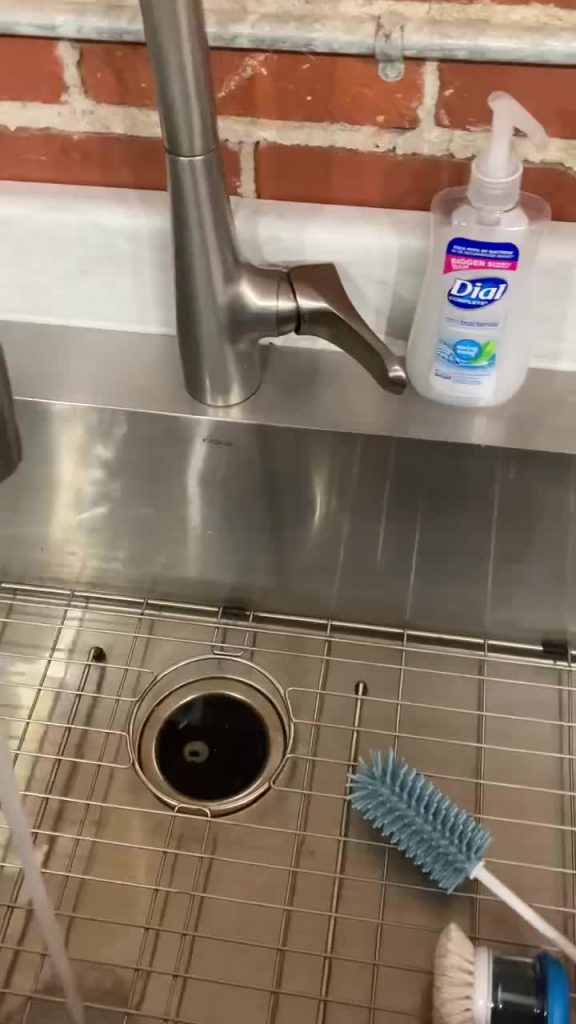
Picture this: You’re in the middle of a busy day, finally getting around to using your trusty dishwasher. You press start, expecting a seamless clean-up, but instead, your kitchen sink starts filling with water.
It’s a frustrating sight, and you’re left wondering what went wrong. If you’ve ever experienced this, you’re not alone. Many people face this issue, and it can be more than just an inconvenience. But don’t worry, you’re in the right place to find answers.
In this blog post, we’re going to explore why your sink fills with water when the dishwasher runs. We’ll uncover the common causes and guide you through simple solutions you can try at home. By the end of this article, you’ll feel confident in tackling this problem head-on. So, let’s dive in and get your kitchen back to its efficient self!
Why Sink Fills With Water
When the dishwasher runs and the sink fills with water, it signals a drainage problem. Water should flow smoothly from the dishwasher through the drain system. If it backs up into the sink, something blocks the path. Understanding why this happens helps fix the issue quickly.
Drainage problems often relate to how water leaves the dishwasher and joins the home’s plumbing. Knowing the basics of dishwasher drainage and common issues reveals the root cause of the sink filling with water.
Dishwasher Drainage Basics
Dishwashers drain water through a hose connected to the sink drain or garbage disposal. This hose carries dirty water away during and after each cycle. A one-way valve or air gap prevents water from flowing backward. The drain system relies on proper slope and clear pipes.
Water flows from the dishwasher drain hose into the sink drain pipe. If the system works well, water moves away fast. The air gap or high loop in the hose stops sink water from flowing into the dishwasher.
Common Drainage Issues
- Clogged drain hose: Food particles or debris block water flow.
- Blocked sink drain: Sink drain clog causes water to back up.
- Faulty air gap: Broken or missing air gap allows water to flow backward.
- Improper hose installation: Drain hose positioned too low or without a loop.
- Garbage disposal problems: Disposal clog or damaged connection affects drainage.
Any of these issues cause water to flow back into the sink. Water cannot move forward, so it fills the sink basin. Fixing these problems restores normal drainage and stops sink overflow.

Credit: www.reddit.com
Clogged Drain Or Pipe
A clogged drain or pipe is a common reason your sink fills with water when the dishwasher runs. Waste, grease, and food particles can build up over time and block the flow of water. This causes water to back up into the sink instead of draining properly.
Signs Of A Clog
You might notice slow draining in the sink or water pooling around the drain. Strange gurgling noises from the sink when the dishwasher is on also indicate a blockage. Sometimes, unpleasant odors come from the sink due to trapped debris causing the clog.
Have you ever seen water rise in the sink as your dishwasher runs? That’s a clear sign something is blocking the drain or pipe. Ignoring this can lead to bigger problems and costly repairs.
Clearing The Blockage
Start by removing visible debris around the sink drain. Use a plunger gently to try and dislodge the clog. If that doesn’t work, a drain snake can reach deeper blockages in the pipe.
Be careful with chemical drain cleaners—they can damage your pipes or dishwasher. Instead, try a mixture of baking soda and vinegar followed by hot water to break down grease and grime. If you’re unsure, calling a professional plumber might save you time and money in the long run.
Faulty Air Gap
A faulty air gap can be a sneaky culprit behind your dishwasher backing up and causing your sink to fill with water. This small device plays a crucial role in preventing dirty water from siphoning back into the dishwasher. When it malfunctions or gets clogged, water has nowhere to go but back into your sink, creating an unpleasant mess and potential damage.
Role Of The Air Gap
The air gap acts as a safety barrier between your dishwasher and the home’s drainage system. It stops contaminated water from flowing back into the dishwasher, ensuring clean water always circulates during a wash cycle.
Installed above the sink or countertop, it vents air and maintains a break in the water flow. Without it working correctly, dirty water can easily back up, filling your sink when the dishwasher runs.
Fixing Air Gap Problems
Start by checking the air gap for visible blockages like food debris or mineral buildup. You can remove the cover and clean it using a small brush or cloth to clear any clog.
If cleaning doesn’t help, inspect the hoses connected to the air gap for kinks or damage. Replace any cracked or clogged hoses to restore proper flow.
Have you ever noticed water pooling around the air gap or heard gurgling noises during a wash cycle? These are signs to address the air gap immediately before the problem worsens.
Blocked Garbage Disposal
A blocked garbage disposal can cause your dishwasher to back up and fill the sink with water. This happens because the disposal and dishwasher share the same drain line. When the disposal is clogged, water cannot flow freely, causing a backup. Understanding the role of the garbage disposal helps solve this common issue quickly.
How Disposal Affects Drainage
The garbage disposal breaks down food waste into small pieces. These pieces then move through the drain pipe. If the disposal is blocked, waste builds up and slows drainage. This blockage stops water from flowing out smoothly. The dishwasher then pushes water back into the sink. A clear disposal keeps water moving and prevents backups.
Unclogging The Disposal
Start by turning off the power to the disposal. Never place your hand inside the disposal. Use a flashlight to look for visible clogs. Remove any debris with tongs or pliers.
- Use a disposal wrench or an Allen key to rotate the blades manually.
- Pour a mixture of baking soda and vinegar to break down buildup.
- Flush the disposal with hot water to clear remaining residue.
Regular maintenance keeps the disposal clear and prevents sink backups during dishwasher use.
Incorrect Dishwasher Installation
Incorrect dishwasher installation often causes water to back up into the sink. This issue happens when the dishwasher drain hose or plumbing is not set up properly. Water flows the wrong way and fills the sink during the dishwasher cycle.
Fixing installation errors can stop sink flooding and protect your kitchen from water damage. Understanding common mistakes helps identify the problem quickly. Small adjustments to the drain hose can also improve water flow and prevent backups.
Common Installation Mistakes
- Drain hose positioned too low or without a proper loop
- Using the wrong size drain hose or fittings
- Connecting the dishwasher drain to the garbage disposal without an air gap
- Failing to secure the hose tightly, causing leaks or disconnections
- Ignoring manufacturer instructions for hose routing and height
Adjusting The Drain Hose
The drain hose must have a high loop or air gap to stop water backflow. The loop should be fixed under the countertop or attached to the cabinet wall.
Check that the hose is not kinked or bent sharply. This can block water flow and cause backups. Make sure the hose connection is tight and sealed with a clamp.
Raising the hose to the correct height helps water flow out properly. This simple fix reduces the chance of water entering the sink during the dishwasher cycle.

Credit: www.reddit.com
Damaged Or Worn Parts
Damaged or worn parts in a dishwasher can cause water to back up into the sink. Over time, components like valves, hoses, and seals may break or wear out. This damage stops the dishwasher from draining properly. It also lets water flow back, filling the sink. Identifying and fixing these parts prevents leaks and water damage.
Identifying Faulty Components
Check the drain hose for cracks or kinks. A blocked or bent hose can cause water to return to the sink. Inspect the air gap if your dishwasher has one. Dirt or debris may clog it, stopping water flow. Look at the check valve near the drain pump. This valve stops water from flowing backward. If it is broken, water will leak into the sink.
Other parts to examine include:
- Drain pump – it moves water out of the dishwasher.
- Door gasket – a worn gasket can cause leaks.
- Float switch – it controls water levels and can fail.
Spotting these problems early helps avoid bigger damage.
Replacing Parts Safely
Always turn off power and water before starting repairs. Unplug the dishwasher from the electrical outlet. Shut off the water supply to avoid spills. Use the dishwasher manual to find the right replacement parts. Order parts that match your dishwasher model exactly.
Wear gloves to protect your hands during repairs. Use tools like screwdrivers and pliers carefully. Remove the damaged part gently to avoid breaking other components. Install the new part firmly but do not overtighten screws. Check for leaks or unusual noises after replacement. Test the dishwasher by running a short cycle. This confirms the issue is fixed and everything works well.
Preventive Maintenance Tips
Keeping your dishwasher and sink in harmony means staying ahead of potential problems. Preventive maintenance helps avoid the frustration of a sink filling with water every time the dishwasher runs. Small, regular efforts can save you from costly repairs and messy backups.
Regular Cleaning Routines
Start by cleaning your dishwasher’s filter and spray arms once a month. Food particles can clog these parts, causing water to back up into the sink. You don’t need special tools—just a soft brush and warm soapy water.
Also, check the drain hose for any buildup or kinks. A blocked or bent hose slows drainage, leading to standing water in your sink. Make it a habit to inspect this hose every few weeks, especially if your sink seems slow to drain.
Avoiding Future Clogs
Be mindful of what goes down your kitchen drain. Grease, coffee grounds, and large food scraps are common culprits that clog pipes and cause backups. Use a sink strainer to catch debris before it enters the drain.
Flush your drains regularly with hot water mixed with baking soda and vinegar. This natural method helps break down grease and keeps pipes clear without harsh chemicals. How often do you think about what’s lurking inside your pipes?
Remember, a small effort now prevents a big headache later. When your sink stays clear, your dishwasher works smoothly—and your kitchen stays stress-free.

Credit: www.reddit.com
Frequently Asked Questions
Why Does My Sink Fill With Water When Dishwasher Runs?
The sink fills due to clogged or blocked drain lines. Dishwasher water backs up into the sink because it cannot drain properly. Checking and clearing blockages in the drain or garbage disposal often resolves this issue quickly.
Can A Faulty Garbage Disposal Cause Sink Flooding?
Yes, a faulty or clogged garbage disposal can cause water backup. It prevents proper drainage from the dishwasher and sink. Inspecting and fixing or replacing the disposal helps restore normal water flow and prevents sink flooding.
How To Prevent Dishwasher Water From Backing Up In Sink?
Regularly clean drains and garbage disposal to avoid blockages. Use strainers to catch food debris and avoid pouring grease down the drain. Proper maintenance keeps water flowing freely and prevents dishwasher water from filling the sink.
Is Dishwasher Drain Hose Related To Sink Water Backup?
Yes, a kinked or improperly installed dishwasher drain hose causes water to back up. Ensuring the hose is correctly positioned and free of obstructions allows smooth drainage and prevents sink flooding during dishwasher cycles.
Conclusion
A dishwasher causing the sink to fill with water signals a drainage problem. Clearing clogs or checking the drain hose often solves this issue. Regular maintenance helps prevent future blockages. Ignoring the problem can lead to leaks or water damage.
Fixing the sink and dishwasher connection keeps your kitchen working smoothly. Stay alert to any unusual water flow during dishwasher cycles. Quick action saves time and money. Simple steps make a big difference in your home’s plumbing health.