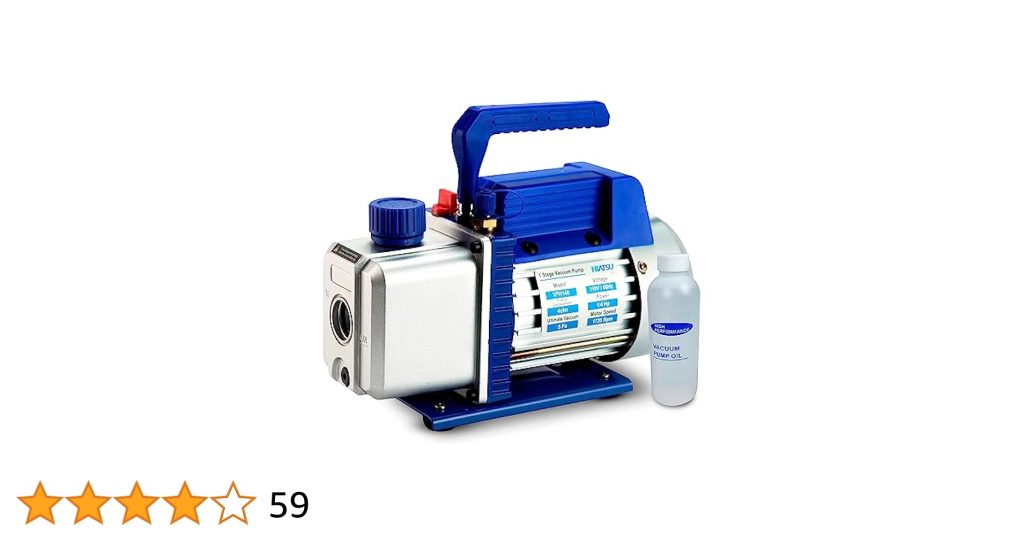
Choosing the right size vacuum pump for your mini split system can feel like solving a puzzle. You might be wondering why it even matters.
But getting this detail right can save you time, money, and headaches down the road. Imagine setting up your mini split only to find it underperforms or breaks down because of an incorrect vacuum pump size. You don’t want that hassle.
In this guide, we’ll break down exactly what you need to know to make the perfect choice. By the end, you’ll be confident in picking the vacuum pump that ensures your mini split runs smoothly and efficiently. Don’t miss out on the secrets to a flawless mini split setup—read on to discover more!
Why Vacuum Pump Size Matters
Choosing the right size vacuum pump for your mini split system isn’t just a technical detail—it directly affects how well your system performs and how long it lasts. A pump that’s too small may struggle to remove all the air and moisture, while one that’s too large can waste energy and money. Understanding why vacuum pump size matters can help you make a smarter choice for your HVAC setup.
Impact On System Efficiency
Your mini split’s efficiency depends heavily on how well the vacuum pump removes air and moisture from the refrigerant lines. If the pump is undersized, it takes longer to reach the necessary vacuum level, delaying your installation or maintenance work.
This extra time means your system might run with trapped moisture or non-condensable gases, which reduces cooling efficiency and increases energy consumption. You want a pump that matches your system’s capacity to get the job done quickly and thoroughly.
Avoiding Equipment Damage
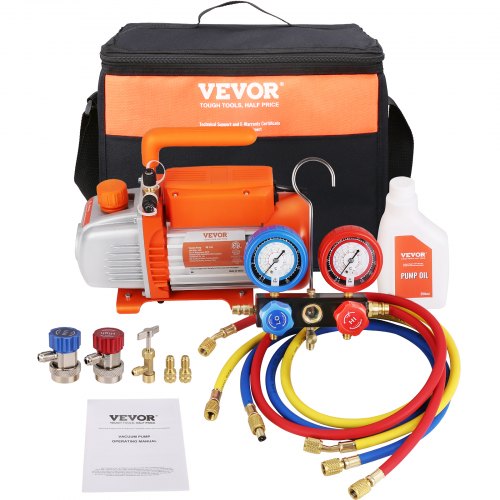
Using the wrong vacuum pump size can cause serious damage to your mini split components. Moisture left inside the system can freeze and block refrigerant flow or cause corrosion over time.
On the other hand, a pump that’s too powerful might cause unnecessary strain on the system or waste electricity without real benefits. Selecting the correct size protects your investment and ensures your mini split runs smoothly for years.
Credit: www.vevor.ca
Factors Influencing Pump Size
Choosing the right vacuum pump size for a mini split is not random. Several factors determine the ideal pump size. These elements impact the pump’s efficiency and the system’s overall performance.
Understanding these factors helps to select a pump that matches the mini split’s needs. It ensures proper evacuation and prevents damage to the system.
Mini Split Capacity
The capacity of the mini split affects the pump size needed. Larger systems need pumps with higher capacity. This is because bigger units contain more refrigerant and air to remove.
Small mini splits require smaller pumps. Using a pump too large can waste energy and cost more. Always match the pump capacity to the mini split size.
Line Set Length
Line set length is the distance between the indoor and outdoor units. Longer line sets hold more air and moisture. A bigger pump is needed to handle this extra volume.
Shorter line sets require less pump power. Knowing the exact length helps pick the right pump size. This avoids under or over-sizing the pump.
System Volume
System volume includes all the refrigerant and piping inside the mini split. Higher volume means more air and contaminants to remove. A pump with greater evacuation capacity is necessary.
Systems with low volume need smaller pumps. Accurately calculating system volume leads to better pump selection. This protects the mini split and improves efficiency.
Common Vacuum Pump Sizes For Mini Splits
Choosing the right vacuum pump size is crucial for effectively servicing your mini split system. The pump must be powerful enough to remove moisture and air but not so large that it becomes inefficient or unnecessarily expensive. Understanding common vacuum pump sizes helps you match the right tool to your specific mini split needs, ensuring a smooth and reliable installation or repair.
1 Cfm Pumps
1 CFM (cubic feet per minute) pumps are compact and lightweight. They are suitable for small mini split units or quick service jobs where space and portability matter. If your system is a single-zone unit or you are dealing with a minor repair, a 1 CFM pump can do the job effectively without overkill.
However, if you plan to work on larger or multi-zone mini splits, you might find 1 CFM pumps slow at pulling a deep vacuum. Have you ever waited too long for a pump to evacuate a system? A 1 CFM pump might test your patience in such cases.
3 Cfm Pumps
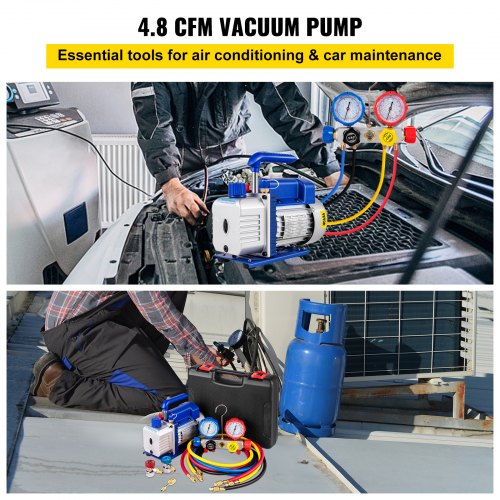
3 CFM pumps strike a balance between power and portability. They are often the go-to choice for most HVAC technicians servicing mini splits. This size works well for medium-sized units and can handle multi-zone systems more efficiently than a 1 CFM pump.
In my experience, a 3 CFM pump cuts down evacuation time significantly, especially when working on systems that require thorough moisture removal. If you want faster results without lugging around a heavy machine, this size is worth considering.
6 Cfm Pumps
6 CFM pumps offer high power and faster evacuation speeds. They are best for large mini split systems or when you need to service multiple units in one day. If you handle commercial mini splits or extensive HVAC work, a 6 CFM pump can save you time and frustration.
Keep in mind that these pumps are bulkier and consume more power. Ask yourself if the added speed justifies the extra weight and cost for your typical jobs. Sometimes, the bigger pump is exactly what your toolkit needs to get the job done efficiently.
Credit: www.vevor.ca
How To Calculate Required Pump Size
Choosing the right vacuum pump size for your mini split system is crucial to ensure efficient evacuation and prevent damage. Calculating the required pump size depends on understanding your mini split’s specifications and how long you want the evacuation to take. Let’s break down the essential steps to get this right.
Measuring Mini Split Specifications
Start by checking the specifications of your mini split system. Look for the total internal volume of the refrigerant lines and the indoor and outdoor units combined. This volume is usually given in cubic feet or liters and can sometimes be found in the installation manual or product datasheet.
If you can’t find the exact volume, measure the length and diameter of the copper tubing. Use the formula for the volume of a cylinder to get an estimate:
| Formula | Description |
|---|---|
| Volume = π × (radius)2× length | Calculate the volume of refrigerant lines by finding the cross-sectional area (radius squared × π) and multiplying it by the tubing length. |
Knowing this volume helps you understand how much air and moisture the pump must remove.
Estimating Evacuation Time
How fast do you want your system evacuated? The evacuation time affects the pump size you need. A larger pump will remove air and moisture quicker but costs more and uses more power.
A good rule of thumb is to aim for an evacuation time between 15 to 30 minutes for most mini splits. You can calculate the required pump capacity in cubic feet per minute (CFM) by dividing the system volume by your desired evacuation time:
- Required CFM = Total Volume (cubic feet) / Evacuation Time (minutes)
For example, if your system has a volume of 3 cubic feet and you want to evacuate it in 20 minutes, your pump should have at least 0.15 CFM capacity.
Keep in mind, manufacturers often recommend pumps with slightly higher capacities to handle leaks or moisture effectively. Have you checked if your current vacuum pump matches these calculations? If not, it might be time to reevaluate your setup.
Tips For Choosing The Right Pump
Choosing the right vacuum pump for a mini split is vital for effective system maintenance. The pump size affects how quickly and efficiently you can evacuate air and moisture. Picking a pump that fits your needs saves time and prevents damage. Consider several factors before deciding on the right one.
Considering Future Maintenance
Think about how often you will service your mini split. A larger pump works faster for frequent maintenance. It handles bigger systems and multiple units more easily. Smaller pumps may struggle and take longer, causing frustration. Also, consider the pump’s durability and ease of repair. A reliable pump reduces downtime and saves money over time.
Balancing Cost And Performance
Cost is important but do not sacrifice quality for price. High-performance pumps often last longer and work better. Compare the pump’s power, speed, and noise level with its price. Sometimes spending a bit more upfront means fewer problems later. Look for pumps that offer good value by balancing power with energy use. This helps keep your mini split running smoothly without extra expenses.
Common Mistakes To Avoid
Choosing the right vacuum pump size for a mini split is crucial. Mistakes in this step can cause poor system performance or damage. Avoiding common errors helps ensure efficient operation and longer equipment life.
Oversizing The Pump
Many think a bigger pump is always better. Oversizing wastes energy and money. A large pump can cause excessive wear on system components. It may also lead to longer evacuation times, which is inefficient.
Choose a pump that matches your mini split’s specifications. Check the manufacturer’s recommendations carefully. A properly sized pump saves power and reduces maintenance costs.
Ignoring System Leaks
Leaks let air and moisture enter the system. Ignoring leaks makes the pump work harder. This slows down the evacuation process and can cause system damage.
Always check for leaks before and after using the pump. Use proper tools like a leak detector or soapy water. Fix leaks promptly to keep the system sealed and efficient.
Maintaining Your Vacuum Pump
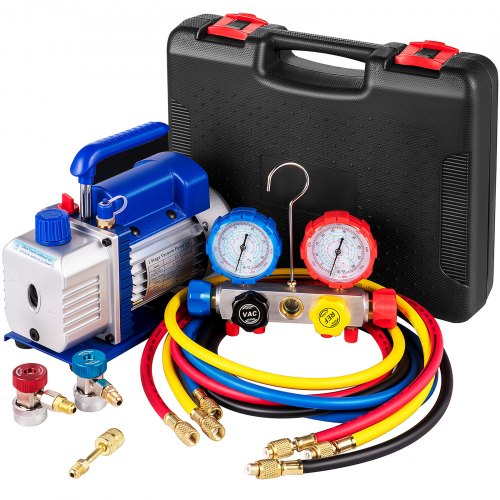
Maintaining your vacuum pump is essential for its long life and efficient performance. A well-kept pump works better and helps your mini split system run smoothly. Simple care steps can prevent breakdowns and costly repairs. Focus on keeping the pump clean, changing oil, and storing it properly.
Regular Oil Changes
Changing the oil regularly keeps the vacuum pump running smoothly. Old oil can cause wear and reduce efficiency. Check the oil level before every use and replace it if the color is dark or cloudy. Use the oil type recommended by the manufacturer. Clean oil helps remove debris and cools the pump parts.
- Drain the oil while the pump is warm for easier flow.
- Use a clean container to catch the old oil.
- Refill with fresh oil up to the right level.
- Run the pump briefly after oil change to circulate new oil.
Storage Best Practices
Proper storage protects your vacuum pump from damage when not in use. Store it in a dry, dust-free place away from extreme temperatures. Cover the pump to keep dirt and moisture out. Remove the oil if storing for a long time to prevent breakdown. Run the pump for a few minutes before storage to clear moisture inside.
- Keep the pump upright to avoid oil leaks.
- Seal the ports with caps to stop dust entry.
- Check oil and clean the pump before storage.
- Run the pump monthly if stored for long periods.
Credit: www.vevor.ca
Frequently Asked Questions
What Size Vacuum Pump Is Best For Mini Split Systems?
A 3 CFM (cubic feet per minute) vacuum pump is ideal for most mini split systems. It efficiently removes moisture and air, ensuring proper refrigerant flow and system performance.
Can A Smaller Vacuum Pump Work For Mini Splits?
Smaller pumps (1-2 CFM) can work but may take longer to evacuate. For efficiency and reliability, 3 CFM is recommended.
How Long Should I Run A Vacuum Pump On A Mini Split?
Run the vacuum pump for at least 15-30 minutes. This duration ensures complete removal of moisture and air from the system.
Why Is Vacuum Pump Size Important For Mini Split Installation?
Proper vacuum pump size ensures effective moisture removal. It prevents system damage and improves refrigerant efficiency and overall mini split performance.
Conclusion
Choosing the right vacuum pump size keeps your mini split working well. A pump too small wastes time and effort. Too big wastes energy and money. Check the mini split’s specs for the best match. A good pump removes air and moisture fast.
This helps your system cool and heat better. Simple steps lead to better results and longer equipment life. Take time to pick the right pump size. It makes a clear difference in your mini split’s performance.