Have you ever found yourself in the middle of a feeding session, only to realize your baby isn’t as hungry as you thought? You warm up that precious breast milk, and then, you’re left wondering, “Can warmed breast milk be refrigerated again?”
This is a common dilemma faced by many parents, and it’s crucial to know the right answer for your baby’s health and your peace of mind. In this post, we’ll unravel the mystery around this question, guiding you with clear, straightforward advice.
You’ll discover practical tips that could save you time, effort, and ensure your baby gets the best nutrition possible. Stay with us to learn the dos and don’ts of handling warmed breast milk and make the best choices for your little one’s well-being.

Credit: www.breastfeedingnetwork.org.uk
Breast Milk Storage Basics
Storing breast milk properly keeps it safe and nutritious for babies. Understanding the basics helps parents handle milk with care. Each type of breast milk has different storage needs. Knowing safe times to store milk prevents waste and protects baby’s health.
Fresh Vs. Previously Frozen Milk
Fresh breast milk is milk that has never been frozen. It can be stored in the fridge or freezer. Previously frozen milk has been thawed for feeding. Thawed milk should be used carefully to avoid spoilage.
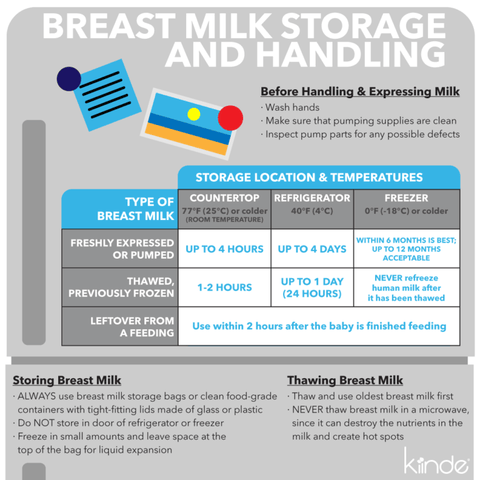
- Fresh milk can be refrigerated for up to 4 days.
- Frozen milk lasts 6 months or more in the freezer.
- Thawed milk should be used within 24 hours if refrigerated.
- Never refreeze thawed breast milk.
Safe Storage Times
Safe storage times depend on the milk’s condition and temperature.
| Milk Type | Room Temperature | Refrigerator | Freezer |
|---|---|---|---|
| Fresh milk | 4 hours | 4 days | 6+ months |
| Thawed milk | Not recommended | 24 hours | Do not refreeze |
Using milk within these times keeps baby safe and healthy. Always store milk in clean containers and label with date and time.
Warming Breast Milk
Warming breast milk is a crucial step to ensure your baby enjoys a comfortable feeding experience. The goal is to gently heat the milk to a suitable temperature without losing nutrients or risking burns. Handling warmed milk carefully can make a big difference in both safety and nutrition.
Recommended Warming Methods
Choosing the right way to warm breast milk helps preserve its benefits and keeps your baby safe. Here are some effective methods:
- Warm water bath:Place the bottle or storage bag in a bowl of warm water for a few minutes. This heats the milk evenly without overheating.
- Bottle warmers:These devices provide controlled warming and are easy to use, especially during nighttime feedings.
- Running warm tap water:Hold the bottle under warm running water, turning it gently to heat the milk gradually.
Avoid using microwaves, as they can create hot spots and degrade important nutrients.
Avoiding Overheating
Overheating breast milk destroys valuable antibodies and nutrients. It can also create hot pockets that might burn your baby’s mouth.
To prevent this, always test the milk temperature before feeding. A few drops on the inside of your wrist should feel warm, not hot.
Have you ever warmed milk only to find it too hot or too cold for your baby? Taking the time to warm milk gently can avoid these frustrating moments and keep feeding smooth and safe.
Refrigerating Warmed Milk
Refrigerating warmed breast milk requires caution to keep it safe for your baby. Once milk is warmed, bacteria can grow faster if stored improperly. Understanding the risks and following safe handling steps helps prevent illness.
Risks Of Re-refrigeration
Warmed milk contains more bacteria than fresh milk. Putting it back in the fridge allows bacteria to multiply. This can cause your baby to get sick. The milk may lose nutrients and taste. Re-refrigerated milk can spoil quickly and smell bad. Avoid reusing milk that has been warmed and cooled again.
Guidelines For Safe Handling
- Use warmed milk within 2 hours.
- Do not leave milk at room temperature for more than 2 hours.
- If milk is not finished, discard leftover milk from feeding.
- Store fresh or thawed milk in the fridge for up to 4 days.
- Warm only the amount needed to reduce waste.
- Never refreeze thawed breast milk.
Bacterial Growth Concerns
Bacterial growth in breast milk is a key concern for parents. Once breast milk is warmed, bacteria can multiply faster. This increases the risk of feeding your baby milk that is not safe. Understanding how bacteria grow and how to spot spoiled milk helps keep babies healthy.
How Bacteria Multiply In Milk
Bacteria thrive in warm, moist environments like warmed breast milk. Each time milk is warmed, bacteria can double in number within minutes. This rapid growth happens because milk has nutrients that bacteria use to reproduce. Cooling slows bacteria growth but does not kill them. Repeated warming and cooling create ideal conditions for bacteria to increase quickly.
Signs Of Spoilage
Spoiled breast milk has a sour or off smell. It may look curdled or have a strange color. Sometimes, spoiled milk feels slimy or thick. Trust your senses—if the milk smells or looks unusual, do not feed it to your baby. Feeding spoiled milk can cause stomach upset or infections in infants.
Tips For Safe Feeding
Feeding your baby with breast milk requires careful handling to keep it safe. Proper feeding practices prevent germs and protect your baby’s health. Following simple tips helps maintain milk quality and avoids waste.
Using Milk Within Safe Timeframes
Breast milk should be used quickly after warming. Do not reheat or refrigerate warmed milk again. Use milk within two hours after warming. Discard any leftover milk after feeding. Fresh milk stored in the fridge lasts longer, usually up to four days.
Proper Bottle Hygiene
Always wash bottles and nipples well before use. Clean with hot, soapy water or in a dishwasher. Rinse thoroughly to remove soap. Let bottles air dry on a clean surface. Avoid touching the inside of bottles or nipples to keep them clean.

Credit: www.reddit.com
Alternatives To Re-refrigerating
Warming breast milk is a common practice, but re-refrigerating it after warming can be risky. Instead of risking your baby’s health, consider safer alternatives to manage breast milk effectively. These options help ensure your baby gets fresh, safe milk without unnecessary waste or contamination.
Using Fresh Milk When Possible
Always try to warm only the amount of milk your baby will drink at one time. This reduces the need to store leftover warmed milk. If you anticipate your baby might want more later, prepare fresh milk instead of saving warmed milk for later use.
Think about how you feed your baby. If you notice they usually consume less than you warm, adjust the amount. Warming fresh milk each time guarantees your baby receives the best nutrition and reduces the risk of bacterial growth.
Discarding Leftover Milk
It can be tough to throw away breast milk, but leftover warmed milk should never be re-refrigerated. After feeding, any milk that remains should be discarded within two hours to prevent bacterial contamination.
Have you ever wondered why healthcare professionals emphasize this? It’s because bacteria multiply quickly in milk that has been warmed and then cooled again. Prioritize your baby’s health by safely discarding any unused milk rather than risking illness.
Special Situations
Special situations require extra care with warmed breast milk. Understanding safe practices helps keep your baby healthy. Different environments bring unique challenges in storing and handling milk. Clear guidelines protect milk quality and prevent waste.
Traveling With Breast Milk
Travel makes storing breast milk tricky. Use insulated bags with ice packs to keep milk cold. Once warmed, avoid refreezing or refrigerating it again. Plan feeding times to reduce milk warming during travel. Carry small, clean bottles for easy feeding on the go. Always check milk temperature before feeding your baby.
Handling Milk In Daycare Settings
Daycare workers must follow strict rules for breast milk storage. Label milk with date and baby’s name clearly. Store milk in a separate cooler or fridge section. Do not reheat milk more than once. Discard any leftover milk after feeding. Train staff on safe milk handling to prevent contamination.
Credit: www.cafeoflifesandiego.com
Frequently Asked Questions
Can Warmed Breast Milk Be Refrigerated Again Safely?
No, warmed breast milk should not be refrigerated again. Re-cooling can promote bacterial growth, risking baby’s health. Use warmed milk within 2 hours and discard any leftovers to ensure safety and freshness.
How Long Can Warmed Breast Milk Stay At Room Temperature?
Warmed breast milk can stay at room temperature for up to 2 hours. After this, bacteria multiply rapidly, making it unsafe for the baby. Always use or discard within this timeframe to maintain milk quality.
Is It Safe To Reheat Breast Milk Multiple Times?
No, reheating breast milk multiple times is unsafe. Each warming increases bacterial growth risk and reduces nutrient quality. Warm only the amount your baby will consume to avoid waste and contamination.
Why Shouldn’t Warmed Breast Milk Be Refrozen?
Refreezing warmed breast milk can cause bacterial contamination. Temperature changes allow harmful bacteria to grow, risking your baby’s health. Always store milk properly initially and warm only the needed amount.
Conclusion
Warmed breast milk should not be refrigerated again. Bacteria can grow quickly after warming. Use the milk within two hours for safety. Always store breast milk properly before warming. Keep your baby’s health as your top priority. Follow safe handling tips to avoid risks.
Fresh milk gives the best nutrition and taste. Trust your instincts if milk looks or smells off. Safe feeding keeps your baby happy and healthy.