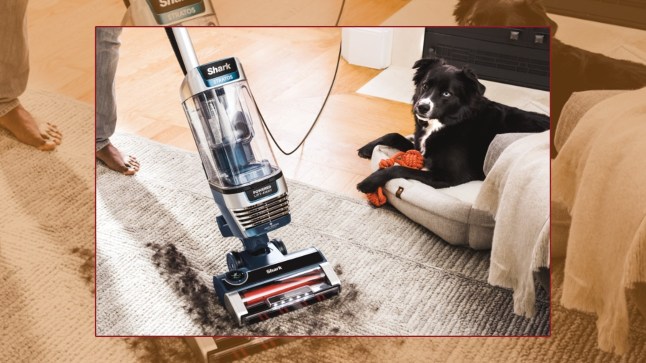
Have you ever noticed an unpleasant dog smell lingering in your home even after a thorough cleaning session? You vacuum diligently, but the scent seems to hang around, stubbornly refusing to leave.
This common problem can be frustrating, especially when you want your home to feel fresh and inviting. But don’t worry, you’re not alone, and there’s a solution. Imagine walking into your home and breathing in a clean, odor-free atmosphere that makes every moment more enjoyable.
That’s exactly what you can achieve by learning how to get the dog smell out of your vacuum. This guide will give you simple, effective steps to transform your cleaning routine and banish that pesky odor for good. Stick around to discover these secrets and reclaim the fresh scent of your home.
Why Vacuums Smell After Pets
Vacuums often carry a distinct dog smell after cleaning pet hair. This odor comes from various sources linked to pets. Understanding why vacuums smell helps in fixing the problem quickly. The smell usually sticks inside the vacuum, making the room less fresh.
Sources Of Dog Odors
Dog odors come from several places. Dirt and oils in the dog’s fur hold smells. Pet saliva and dander add to the odor. Wet fur can make the smell stronger. Sometimes, accidents like urine or vomit leave stains and smells. These odors stick to carpets and floors.
When vacuuming, these smells get pulled into the machine. Hair and dirt trapped inside keep the smell alive. The vacuum can also gather dust mites and bacteria, which add to the odor.
How Vacuums Trap Smells
Vacuums trap smells in many parts. The filter holds tiny particles and odors. The dustbin or bag collects hair, dirt, and smelly debris. If not cleaned often, these parts keep the bad smell inside.
Inside the vacuum, moisture can build up. This wetness causes mold and mildew growth. Mold adds a musty odor to the vacuum. The motor and fan may spread the smell back into the air.
Vacuum brushes and hoses also catch hair and dirt. These spots are hard to clean and hold onto smells. A dirty vacuum means the smell returns every time you use it.
Preparing Your Vacuum For Cleaning
Getting rid of dog smell from your vacuum starts with proper preparation. Your vacuum can trap odors deep inside its components, so cleaning it thoroughly is key. Before tackling any odors, make sure your vacuum is ready for a deep clean.
Emptying The Dustbin Or Bag
Start by emptying the dustbin or replacing the vacuum bag. Old dirt and pet hair hold onto smells, and if you don’t remove them, the odor will just stay inside. If you have a bagless vacuum, take the dustbin outside to empty it—this prevents spreading dust and smells back into your home.
After emptying, wipe the dustbin with a damp cloth and a little mild soap. This step helps remove any lingering residue that might cause odors. Don’t forget to check the vacuum’s brush roll area for hair or debris stuck there too.
Removing And Cleaning Filters
Filters are a common place for pet odors to hide. Take out all the filters your vacuum has—HEPA, foam, or carbon—and check the manufacturer’s instructions for cleaning. Many filters can be rinsed with water, but some need replacing after use.
Cleaning filters regularly improves your vacuum’s smell and overall performance. If you notice a strong dog smell even after cleaning, it might be time to invest in new filters. Have you checked your filters lately? It might be the hidden cause of your problem.
Effective Cleaning Techniques
Getting dog smell out of your vacuum requires more than just a quick wipe down. Deep cleaning specific parts can make a huge difference in eliminating odors. These effective cleaning techniques target the root of the problem, ensuring your vacuum smells fresh and works efficiently every time you use it.
Washing Parts With Soap And Water
Start by removing detachable parts like the dustbin, filters, and vacuum bag housing. Wash these components thoroughly with warm water and a mild dish soap. This helps break down oils and dirt that trap pet odors.
Let the parts air dry completely before reassembling. Avoid harsh chemicals here, as they can damage the vacuum or leave behind strong scents that mix poorly with pet odors.
Using Vinegar And Baking Soda
Vinegar and baking soda are powerful natural deodorizing agents you probably already have at home. Sprinkle baking soda inside the vacuum’s dustbin or bag area and let it sit for 15-20 minutes to absorb smells.
Wipe down surfaces with a mixture of equal parts vinegar and water. Vinegar cuts through stubborn odors and helps disinfect areas where bacteria might grow. Does your vacuum still smell after this? Repeat the process—it often takes a couple of treatments to fully neutralize pet smells.
Cleaning The Brush Roll
The brush roll often traps hair, dirt, and oils that cause lingering odors. Remove the brush roll and carefully cut away tangled fur and debris using scissors or a seam ripper. Don’t forget to check the ends where hair tends to wrap tightly.
After clearing debris, wipe the brush roll with a damp cloth soaked in soapy water or vinegar solution. Dry it thoroughly before placing it back. Keeping the brush roll clean not only reduces smell but also improves your vacuum’s suction power.

Credit: www.thinkcrucial.com
Deodorizing Your Vacuum
Deodorizing your vacuum helps keep it fresh and free from dog odors. Regular cleaning is important, but adding deodorizing steps makes a big difference. A fresh vacuum means cleaner air and a more pleasant home environment. Simple, natural solutions can effectively remove smells trapped inside your vacuum.
Natural Deodorizing Sprays
Natural sprays work well to neutralize odors without harsh chemicals. Use a mixture of water and white vinegar in a spray bottle. Lightly spray the inside of the vacuum bag or bin. Let it dry completely before using the vacuum again. Baking soda mixed with a few drops of water also creates a gentle deodorizing spray.
Activated Charcoal Use
Activated charcoal absorbs bad smells quickly and naturally. Place a small pouch of activated charcoal inside the vacuum bag or near the filter. Replace the charcoal every few weeks to maintain freshness. This method traps odors without adding any scent. It is safe and easy to use for long-term deodorizing.
Essential Oils Tips
Essential oils add a pleasant scent while fighting odors. Add a few drops of lavender, eucalyptus, or lemon oil to a cotton ball. Place the cotton ball inside the vacuum bag or near the filter. Avoid pouring oils directly into the vacuum to prevent damage. Change the cotton ball regularly to keep the scent fresh.
Preventing Future Odors
Stopping dog odors from building up in your vacuum starts with smart habits. If you want your vacuum to stay fresh, it’s important to act before the smell settles in. Here are some practical ways to keep your vacuum clean and odor-free for the long haul.
Regular Maintenance Schedule
Cleaning your vacuum regularly is key to preventing dog smells. Empty the dustbin or replace bags right after vacuuming pet areas to avoid trapped odors.
Check and wash filters every few weeks, especially if you vacuum often. Dirty filters can hold onto smells and reduce your vacuum’s performance.
Have you noticed a lingering smell after a few uses? That’s your cue to clean the brush rolls and hose. Pet hair and dander often hide there and cause odors.
Proper Storage Practices
Where you keep your vacuum can affect how it smells. Store it in a dry, well-ventilated space to stop moisture buildup that encourages bad odors.
A closet with poor airflow can trap smells and make your vacuum smell worse over time. Try leaving the vacuum bag or bin open for a bit after use to air out.
Think about the last time you stored your vacuum in a damp basement or near shoes. Did you notice a funky smell? Changing your storage spot can make a big difference.
Using Vacuum Liners
Vacuum liners are thin bags placed inside the dustbin to catch dirt and hair. They make cleanup easier and reduce how much dirt touches the vacuum parts.
Using liners helps prevent odors because you remove the whole liner instead of emptying the bin and spreading pet hair everywhere.
Have you tried liners before? They’re especially useful if you have multiple pets or a hairy breed. They save time and keep your vacuum fresher between deep cleans.
Credit: www.lemon8-app.com

Credit: www.reddit.com
Frequently Asked Questions
How Do I Remove Dog Smell From My Vacuum?
Empty the vacuum bag or canister frequently. Clean or replace filters regularly. Use baking soda on carpets before vacuuming to neutralize odors.
Why Does My Vacuum Smell Like Dog Hair?
Dog hair traps dirt and oils, causing odors. Clean brushes, rollers, and filters to reduce the smell. Regular maintenance prevents buildup.
Can Vacuum Odors Be Eliminated Naturally?
Yes, use baking soda or activated charcoal in the vacuum. These absorb odors without harsh chemicals, keeping the vacuum fresh and pet-friendly.
How Often Should I Clean My Vacuum For Pet Odors?
Clean your vacuum after every few uses. Empty dustbins and wash filters monthly. Frequent cleaning prevents odor buildup from pet hair and dander.
Conclusion
Getting dog smell out of your vacuum is simple with the right steps. Clean the filters and brush roll often. Use natural sprays or baking soda to freshen it. Regular maintenance keeps your vacuum smelling clean and working well. A fresh vacuum helps keep your home smelling nice too.
Small efforts make a big difference over time. Keep your vacuum fresh and enjoy a cleaner home every day.